Why Pier and Beam Foundation Repair in Fort Lauderdale Matters
Maintaining the structural integrity of a pier and beam foundation in Fort Lauderdale is critical due to the region’s high water table, sandy soil composition, and extreme humidity. Timely repairs prevent catastrophic structural failur...
Maintaining the structural integrity of a pier and beam foundation in Fort Lauderdale is critical due to the region’s high water table, sandy soil composition, and extreme humidity. Timely repairs prevent catastrophic structural failure, preserve escalating property values in the 2026 real estate market, and mitigate the risk of mold growth and wood rot common in South Florida’s coastal environment.
Contents
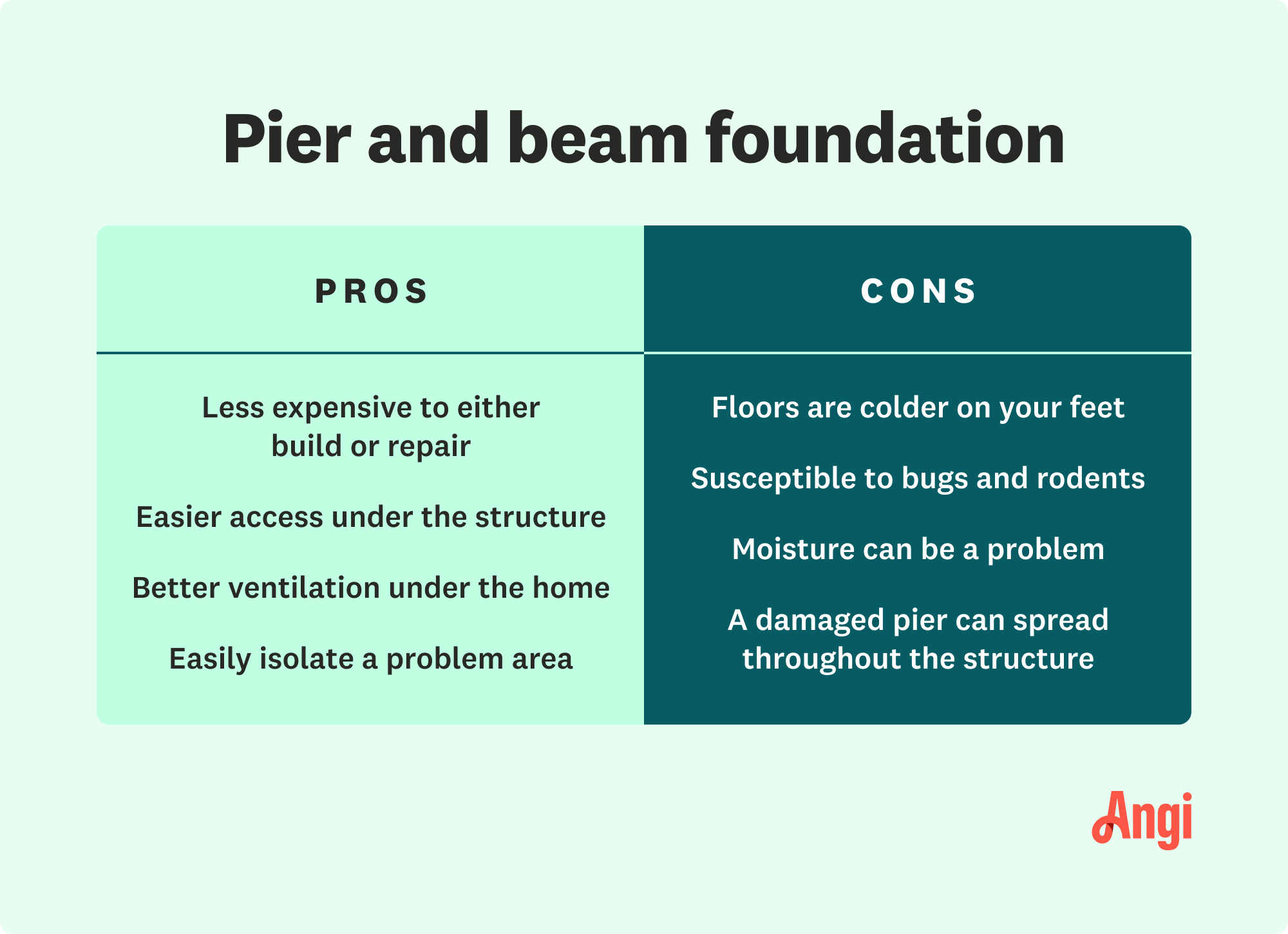
Pier and beam foundations, often found in the historic districts of Fort Lauderdale such as Sailboat Bend, Victoria Park, and Riverside Park, offer a unique set of advantages and challenges. Unlike the concrete slabs common in newer developments, these systems elevate the home above the ground, creating a crawl space. While this design provides easier access to plumbing and electrical systems, it also exposes the home’s skeleton to the volatile environmental conditions of Broward County. Understanding why repairing these foundations matters is not just a matter of home maintenance; it is a necessity for long-term safety and financial security.
The Engineering of Pier and Beam Foundations
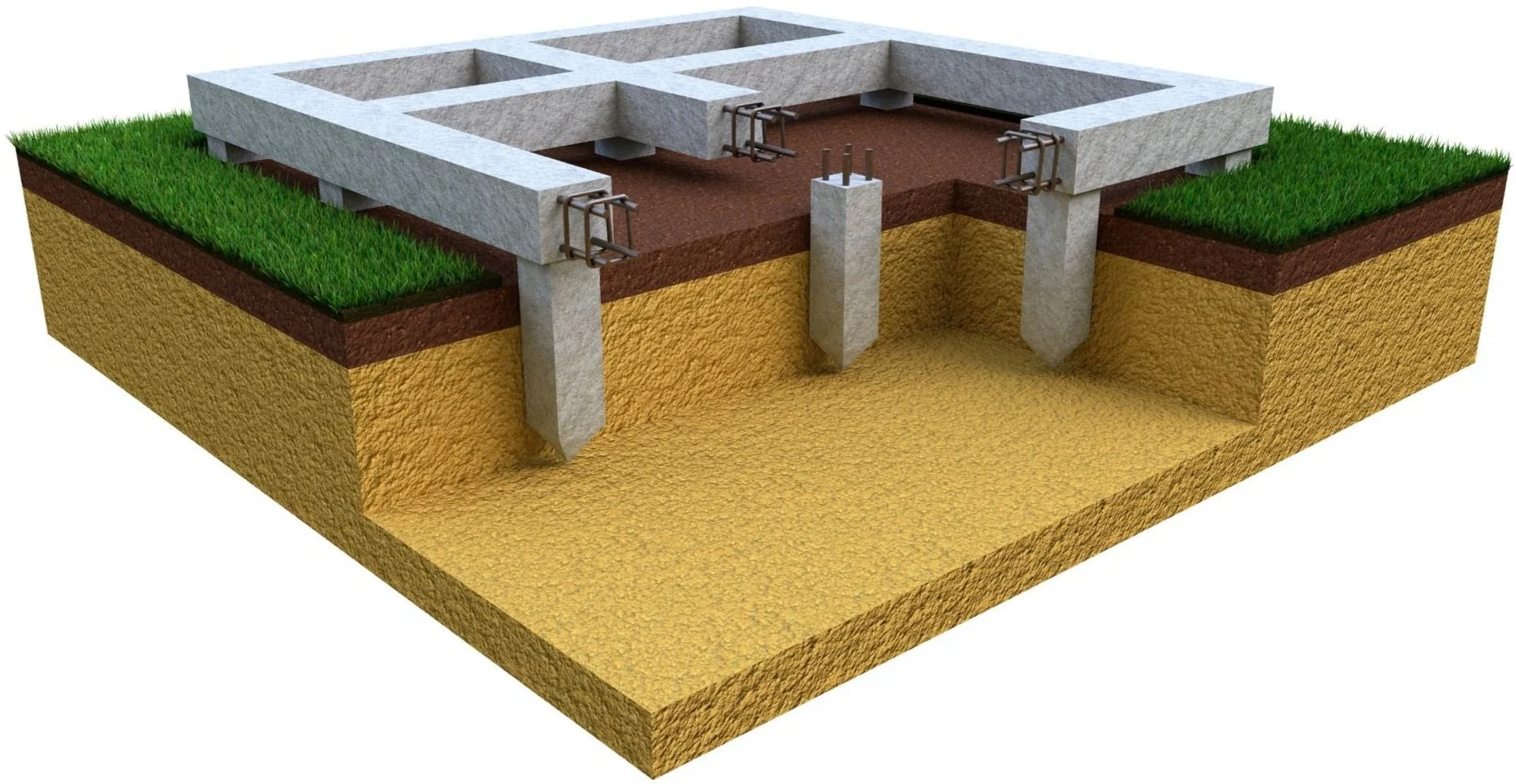
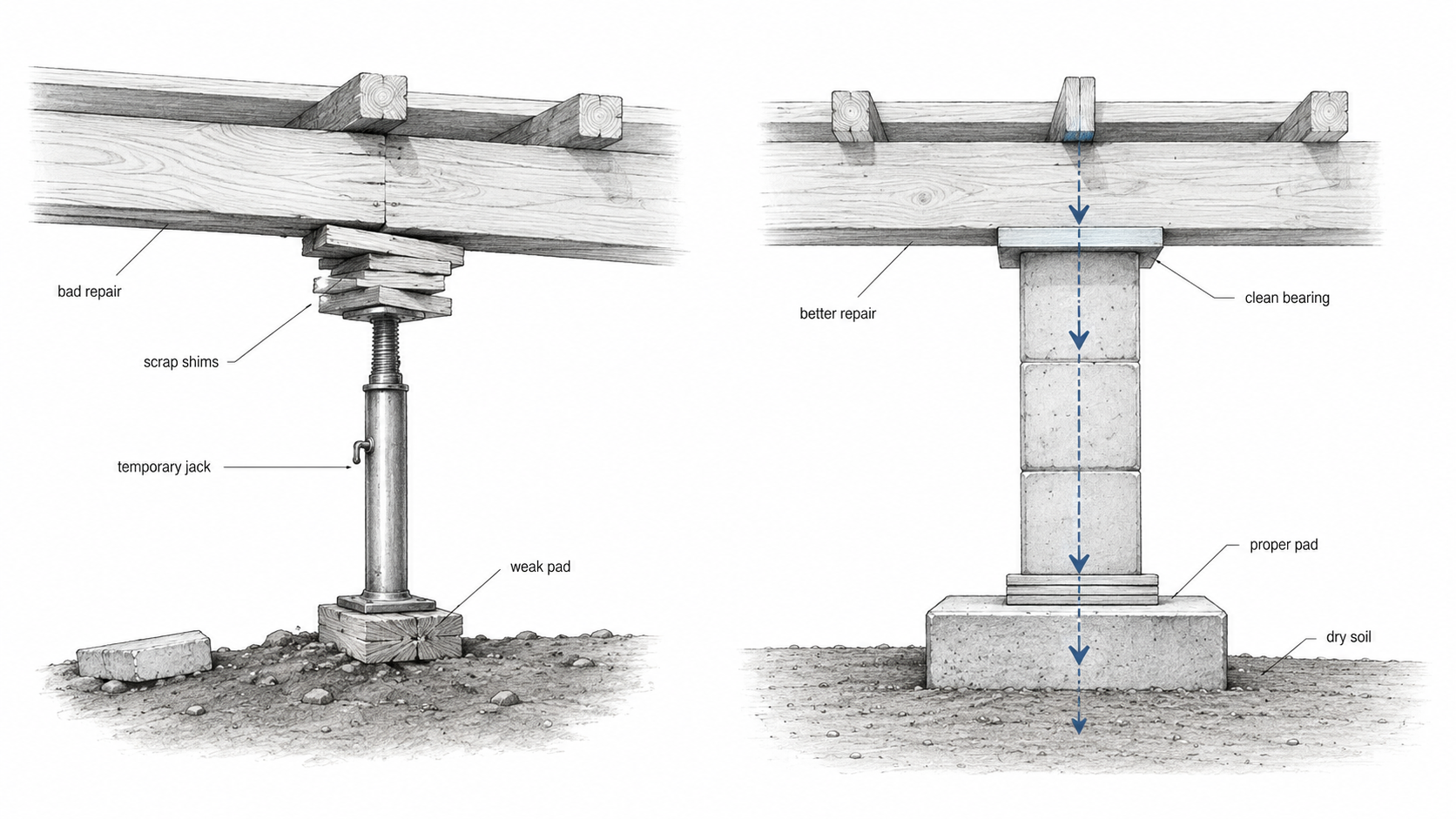
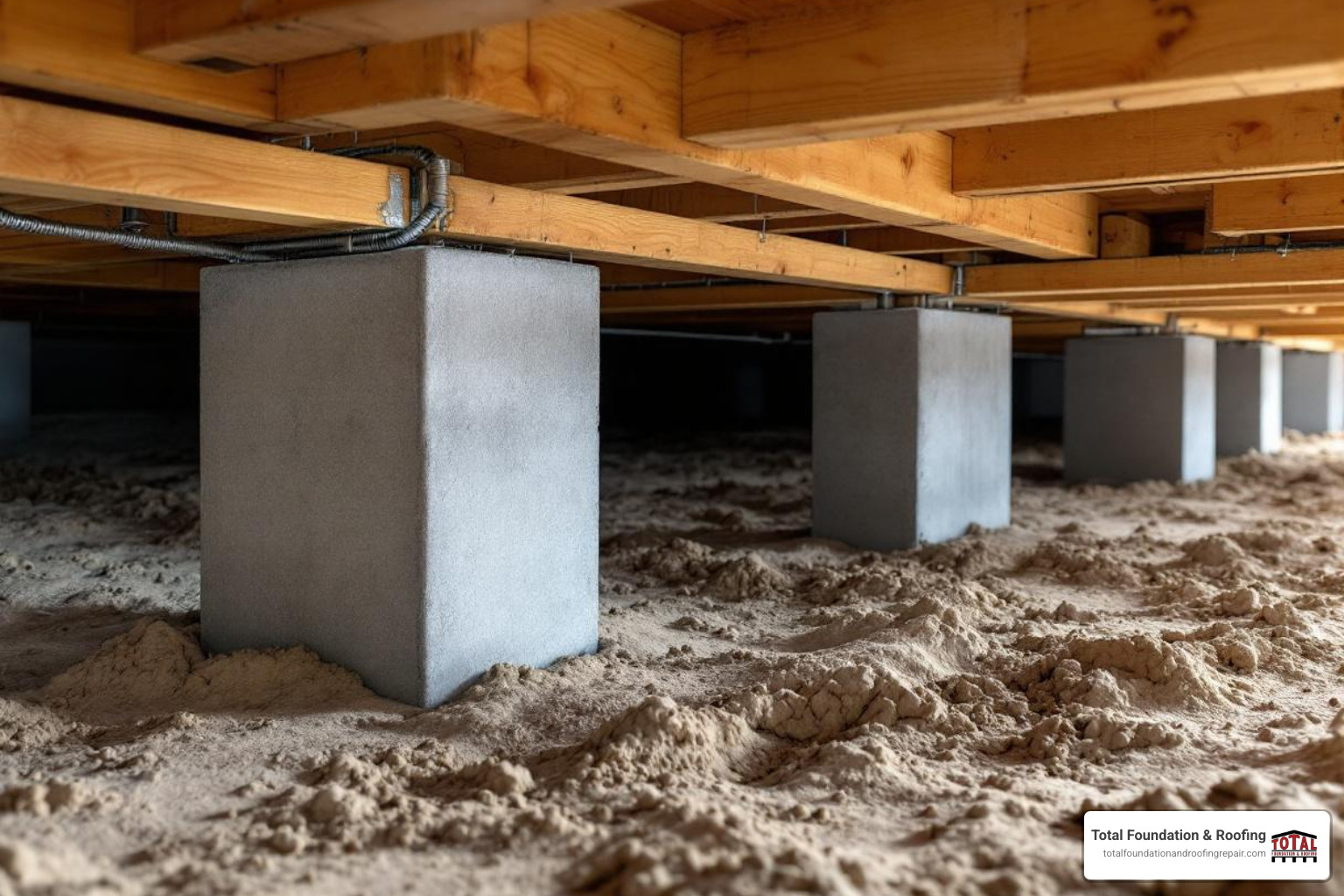
To understand why repair is vital, one must first understand the components of the system. A pier and beam foundation consists of several key elements: the footer, the pier, the mudsill, and the floor joists. The piers are vertical supports—traditionally made of brick, stone, or concrete—that rest on a concrete footer buried in the ground. These piers support the beams (or girders), which in turn support the joists and the subfloor.
In the 2026 construction landscape, we see many of these older systems reaching a critical age. Wood, even pressure-treated varieties, has a finite lifespan when subjected to the relentless moisture of the Florida coast. When one pier shifts or a beam begins to decay, the load-bearing capacity of the entire house is compromised. This results in "differential settlement," where different parts of the house sink at different rates, leading to severe structural stress.
The Fort Lauderdale Environmental Factor
Fort Lauderdale presents a specific set of challenges that make foundation health more precarious than in inland regions.
High Water Table and Soil Sinking
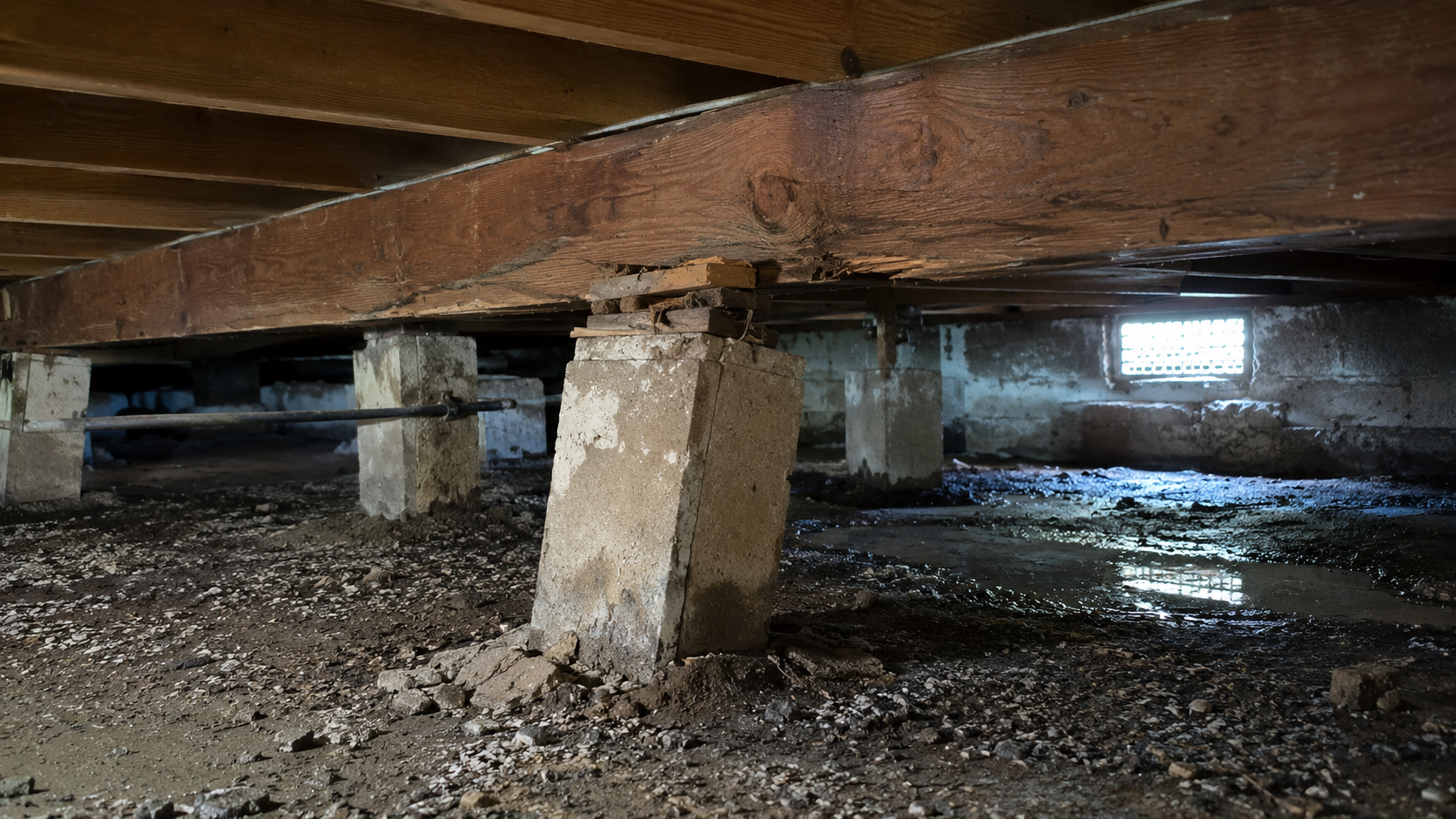
The water table in Fort Lauderdale is notoriously high. During heavy rain events or king tide cycles, the soil beneath a home can become saturated. Pier and beam foundations rely on stable soil to keep the footers level. When sandy soil becomes oversaturated, it can lose its bearing capacity, causing piers to sink. Conversely, during the dry season, the soil can shrink, leading to further movement. This constant "accordion effect" puts immense pressure on the wooden beams and connectors.
Humidity and Biological Growth
With average humidity levels often exceeding 70% in South Florida, the crawl space beneath a pier and beam home acts as a trap for moisture. Without proper ventilation or modern encapsulation, this moisture leads to wood rot (fungal decay). Furthermore, Fort Lauderdale is a high-activity zone for Formosan subterranean termites. These pests thrive in moist environments and can hollow out the main support beams of a foundation before a homeowner even notices a problem. Repairing the foundation often involves addressing these biological threats to ensure the house remains standing.
The Consequences of Neglecting Repairs
Ignoring the signs of foundation failure in a pier and beam home is a recipe for escalating costs and potential danger.
Structural Degradation
The most immediate concern is the physical stability of the building. As piers shift, the weight of the house is no longer distributed evenly. This causes the frame of the house to twist. You may notice:
- Cracks in interior drywall: Particularly around door frames and windows.
- Sticking doors and windows: The frames become skewed, making it difficult to open or close them.
- Sloping or "bouncy" floors: A sign that the joists are no longer properly supported or have begun to rot.
- Separation of cabinets: Kitchen and bathroom fixtures may begin to pull away from the walls.
Financial Impacts and Insurance in 2026
In 2026, Florida’s insurance market remains highly sensitive to property conditions. Most homeowners' insurance policies do not cover "settlement" or "wear and tear." If a foundation issue leads to a secondary problem—like a pipe burst caused by a shifting frame—the insurer may deny the claim if they determine the underlying cause was a neglected foundation. Furthermore, a home with a compromised foundation is nearly impossible to sell at market value. Buyers in Fort Lauderdale are increasingly savvy about structural integrity, and a failed foundation inspection can lead to a 10% to 20% reduction in sale price or the total collapse of a real estate deal.
Modern Repair Solutions and Innovations
Foundation repair technology has advanced significantly by 2026. No longer are homeowners limited to simply "shimming" a pier with a piece of wood.
Helical Piers
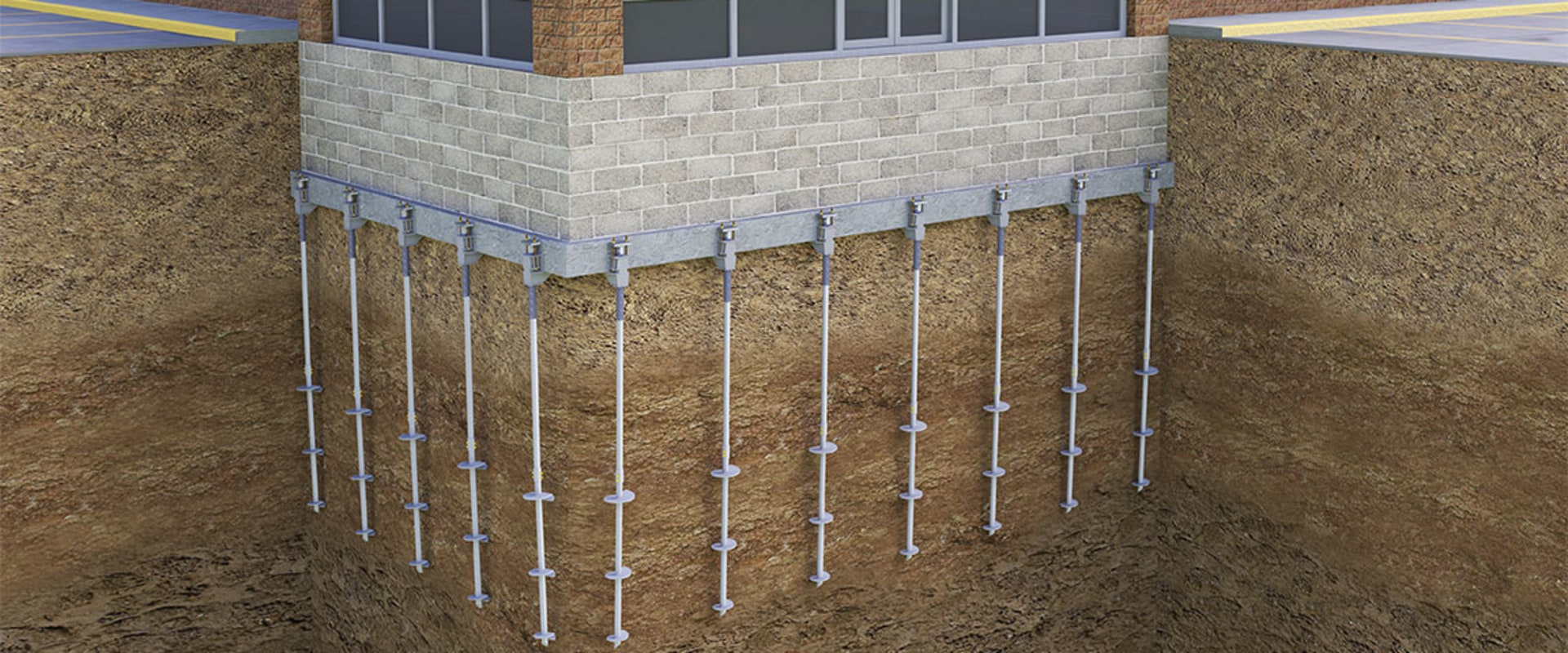
For homes experiencing deep settlement, helical piers are often the gold standard. These are steel shafts with screw-like blades that are driven deep into the ground until they reach stable load-bearing strata or rock. Once installed, they are bracketed to the existing foundation to provide permanent support.
Smart Jacks and Steel I-Beams
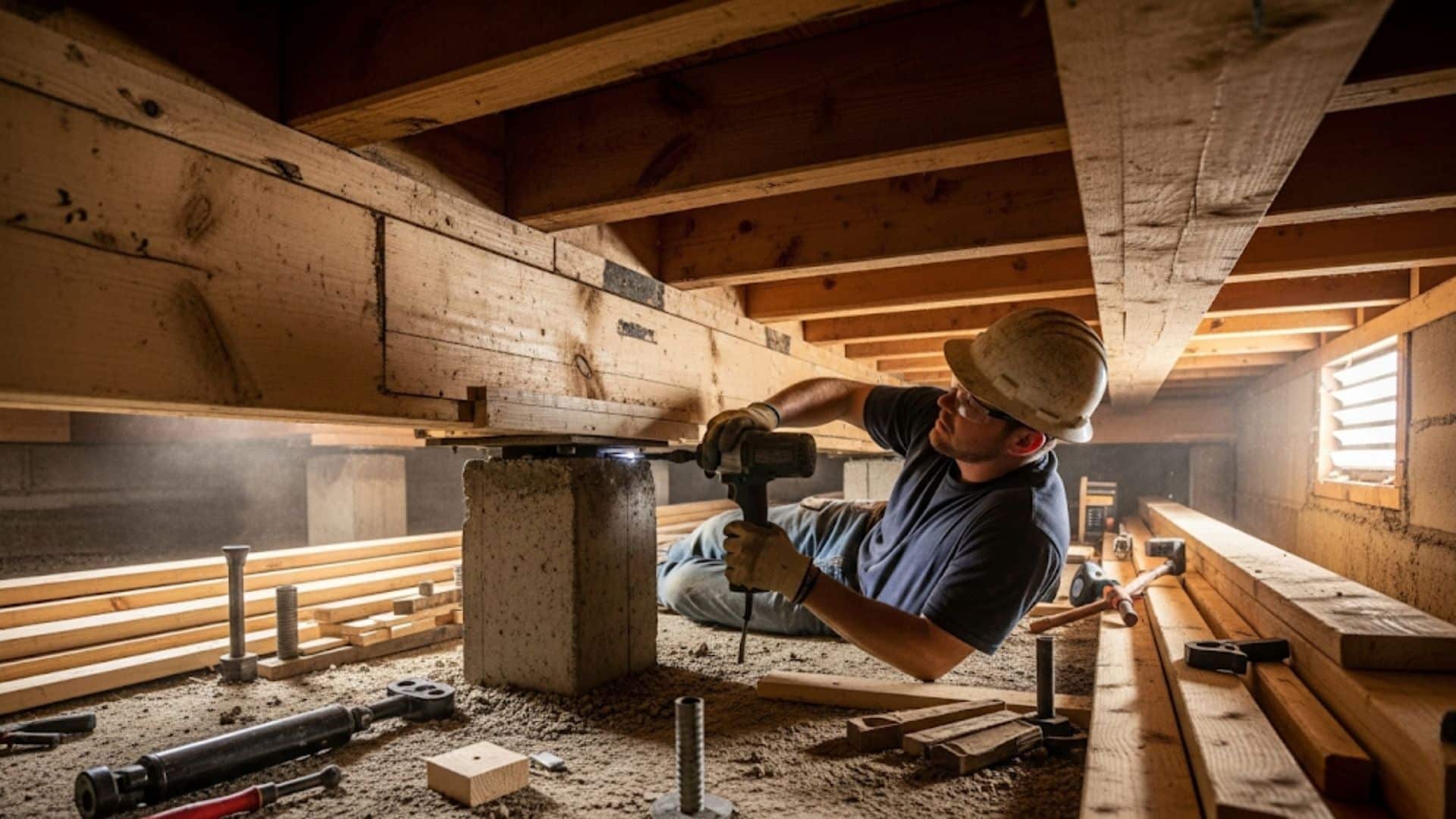
In the crawl space, sagging floor joists can be reinforced using adjustable steel jacks, often called Smart Jacks. These are superior to concrete blocks because they can be tightened over time if further settling occurs. In cases of severe beam rot, contractors now often replace wooden girders with custom-fabricated steel I-beams, which are impervious to rot and termites.
Crawl Space Encapsulation
Repairing the foundation often goes hand-in-hand with encapsulation. This involves sealing the floor of the crawl space with a heavy-duty vapor barrier and installing a dedicated dehumidifier. This creates a conditioned space that prevents the humidity-related decay that necessitates repairs in the first place.
Comparison of Foundation Repair Methods
The following table outlines the common repair strategies used in Fort Lauderdale for pier and beam structures as of 2026.
| Repair Method | Primary Use Case | Expected Longevity | Relative Cost |
|---|---|---|---|
| Reshimming | Minor leveling and tightening of existing supports. | 5–10 Years | Low |
| Pier Replacement | Replacing cracked or leaning concrete/brick piers. | 20–30 Years | Moderate |
| Helical Piers | Correcting deep soil settlement and sinking. | Lifetime | High |
| Beam Replacement | Correcting wood rot or termite damage in main supports. | 40+ Years (if using steel) | Moderate to High |
| Encapsulation | Preventing moisture-related rot and mold. | 15–20 Years | Moderate |
Frequently Asked Questions
How do I know if my foundation issues are urgent?
If you see visible gaps between your piers and the beams they are supposed to support, or if your floors have a noticeable slope (more than 1 inch over 10 feet), the situation is urgent. Large diagonal cracks in the drywall that exceed 1/8th of an inch are also indicators of active movement that requires immediate professional evaluation.
Can I repair a pier and beam foundation myself?
While minor "shimming" may seem simple, foundation repair is a complex structural task that requires knowledge of load distribution. In Fort Lauderdale, most structural repairs require a building permit from the city. Working without a permit can lead to fines and complications during a future home sale. It is always recommended to hire a licensed structural engineer or specialized foundation contractor.
How much does pier and beam repair typically cost in Fort Lauderdale?
As of 2026, costs vary widely based on the extent of the damage. Minor leveling or reshimming might cost between $3,000 and $7,000. However, if the home requires extensive beam replacement or the installation of several helical piers, costs can range from $15,000 to over $40,000. Early intervention is the best way to keep these costs at the lower end of the spectrum.
Will foundation repair fix the cracks in my walls?
Repairing the foundation stabilizes the home and levels the floors, but it does not automatically "heal" the cracks. Once the foundation is stabilized, a contractor will typically wait several weeks for the house to "settle" into its new position before patching the drywall and repainting.
Does the 2026 Florida Building Code affect foundation repairs?
Yes, updated codes now emphasize "flood-hardened" foundations and improved strapping techniques to ensure homes are better tethered during high-wind events. When you undergo foundation repair, your contractor must ensure that all new supports meet the current Broward County wind and flood resistance standards.
Next Steps for Homeowners
If you suspect your Fort Lauderdale home has foundation issues, the first step is to commission a Structural Engineering Report. Unlike a contractor who may have a vested interest in selling a specific repair service, an independent engineer will provide an unbiased assessment of the structural integrity and a specific "plan of repair."
Once you have a plan, solicit bids from at least three licensed foundation repair specialists. Ensure they are familiar with the specific soil conditions of South Florida and offer transferable warranties. Taking action now not only protects your largest financial asset but ensures the safety of your family against the unique environmental pressures of the Fort Lauderdale coast.
Image Gallery