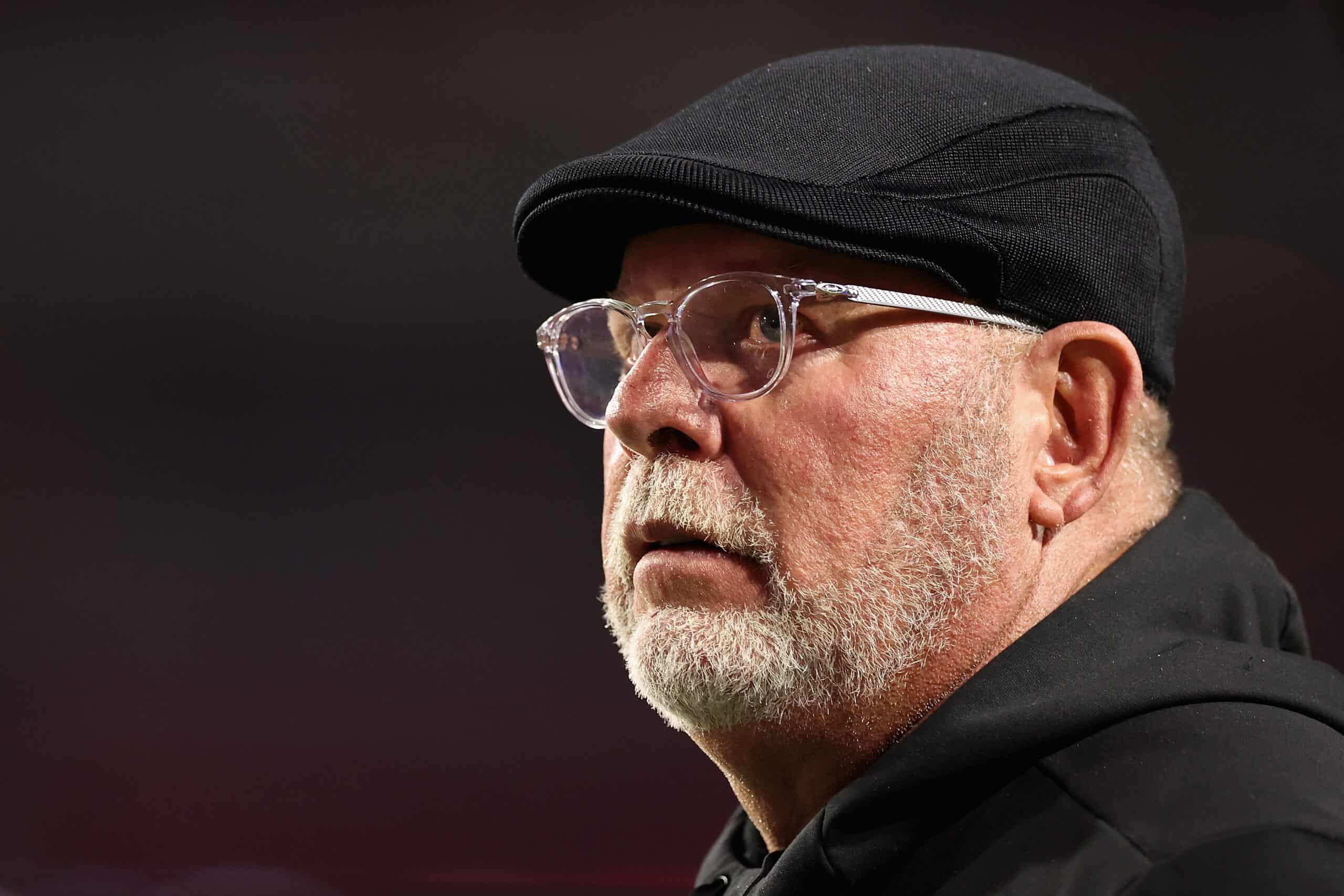
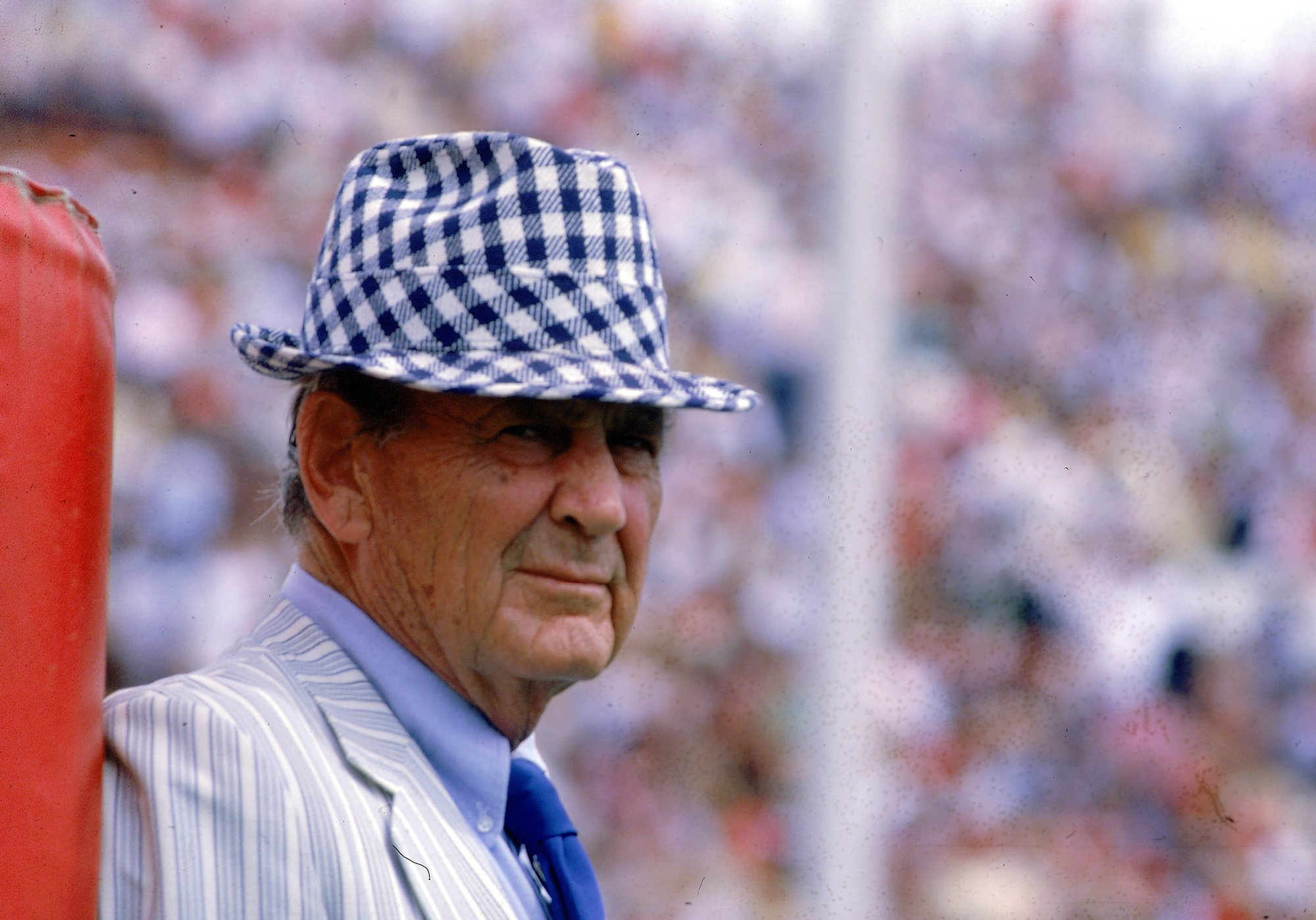
Bruce Arians Age: A Comprehensive Look at His Years in Football
Bruce Arians has left an indelible mark on American football, transitioning from a gritty collegiate quarterback to one of the most respected, innovative, and charismatic head coaches in NFL history. Understanding his journey requires...
Bruce Arians has left an indelible mark on American football, transitioning from a gritty collegiate quarterback to one of the most respected, innovative, and charismatic head coaches in NFL history. Understanding his journey requires examining how his age, decades of experience, and enduring football philosophy shaped his career trajectory across multiple collegiate and professional franchises.
Contents
Born on October 3, 1952, Bruce Arians spent more than five decades deeply embedded in the sport as both a player and a coach. This extensive timeline reflects an era of profound tactical evolution in professional football, making his career a remarkable case study in longevity, adaptability, and leadership resilience.
Early Life and Collegiate Playing Career at Virginia Tech
Long before achieving renown as an NFL head coach, Bruce Arians grew up in York, Pennsylvania, where he starred as a multi-sport athlete at York Catholic High School. His athletic prowess naturally translated to the gridiron, earning him a scholarship to play college football at Virginia Tech.
During his playing days in the early 1970s, Arians served primarily as a quarterback for the Virginia Tech Hokies. His most notable collegiate milestone occurred during the 1974 season, where he set a school record by rushing for nine touchdowns as a quarterback—a testament to his dual-threat capability in an era when passing offenses were far less prolific than they are today. He earned his Bachelor of Science in health and physical education from Virginia Tech in 1974 and briefly remained with the program as a graduate assistant, laying the foundational groundwork for his future coaching vocation.
The Long Asccent: College Coaching and Early NFL Roles (1975–2003)
Arians transitioned immediately from playing to coaching, spending the late 1970s and 1980s grinding through the collegiate ranks. His early stops included assistant coaching roles at Virginia Tech, Mississippi State, Alabama, and Temple, where he secured his first collegiate head coaching job in 1983. Serving as the head coach of the Temple Owls from 1983 to 1988, Arians navigated the challenges of a major Division I program, compiling a 27–39 record. Though the win-loss totals were modest, the experience sharpened his tactical understanding and player management skills.
In 1989, Arians made the permanent leap to the professional level, accepting a position as the running backs coach for the Kansas City Chiefs under head coach Marty Schottenheimer. This move marked the beginning of an itinerant, highly educational journey across the National Football League. Over the next decade and a half, Arians held various offensive assistant positions, including offensive coordinator stints with the New Orleans Saints and the Indianapolis Colts.
During his first tenure with the Indianapolis Colts from 1998 to 2000, Arians worked closely with a young franchise quarterback named Peyton Manning. This foundational relationship proved instrumental in shaping Arians' aggressive, vertically oriented passing philosophy, which prioritized stretching the field and empowering quarterbacks to make decisive, high-risk, high-reward throws.
Shaping Elite Quarterbacks and Winning Super Bowls
Arians' reputation as a premier quarterback whisperer and offensive mastermind solidified during his time with the Pittsburgh Steelers. Hired as the team's wide receivers coach in 2004, he was promoted to offensive coordinator in 2007 under head coach Mike Tomlin. Under Arians' guidance, the Steelers' offense evolved to complement their historically dominant defense.
During this period, Arians worked extensively with franchise quarterback Ben Roethlisberger. The offensive scheme emphasized deep-threat passing routes, maximum protection schemes, and physical running. This system yielded immense team success, culminating in victories in Super Bowl XL and Super Bowl XLIII. Arians' ability to protect young signal-callers while simultaneously stretching opposing defenses became the hallmark of his coaching identity.
Following his tenure in Pittsburgh, Arians returned to the Indianapolis Colts in 2012 as offensive coordinator. When head coach Chuck Pagano was diagnosed with leukemia midway through the season, Arians stepped in as interim head coach. He led a depleted Colts team to a remarkable 9–3 record, securing an improbable playoff berth and earning the NFL Coach of the Year award. This extraordinary audition proved that Arians possessed the leadership credentials required to command a full-time NFL locker room.
| Team / Role | Years Active | Notable Achievements & Responsibilities |
|---|---|---|
| Temple University (Head Coach) | 1983–1988 | Developed collegiate prospects; managed complete program operations. |
| Indianapolis Colts (Offensive Coordinator) | 1998–2000 | Guided early career development of quarterback Peyton Manning. |
| Pittsburgh Steelers (Offensive Coordinator) | 2007–2011 | Won Super Bowl XLIII; orchestrated vertical passing attack. |
| Indianapolis Colts (Interim Head Coach) | 2012 | Won NFL Coach of the Year while filling in for Chuck Pagano. |
| Arizona Cardinals (Head Coach) | 2013–2017 | Franchise leader in regular-season wins; 2014 Coach of the Year. |
| Tampa Bay Buccaneers (Head Coach) | 2019–2021 | Won Super Bowl LV; built championship-culture roster. |
Head Coaching Success in Arizona and Tampa Bay
Armed with a reputation for straight talk and player empowerment, Arians secured his first permanent NFL head coaching gig with the Arizona Cardinals in 2013 at the age of 60. Taking over a struggling franchise, Arians immediately established a winning culture, orchestrating an 11–5 record in his debut season and winning his second NFL Coach of the Year award. Over five seasons in Arizona, Arians compiled a 49–30–1 record, leading the Cardinals to the NFC Championship Game in the 2015 season and solidifying his legacy as one of the league's elite strategists.
After a brief retirement spent working as a television analyst for CBS Sports, Arians returned to the sidelines in 2019 to become the head coach of the Tampa Bay Buccaneers. His arrival transformed the franchise, culminating in the high-profile acquisition of veteran quarterback Tom Brady in 2020.
Arians' leadership, combined with Brady's execution and a formidable roster, propelled the Buccaneers through a dominant postseason run. On February 7, 2021, the Buccaneers defeated the Kansas City Chiefs in Super Bowl LV. By winning the championship at age 68, Arians cemented his place in football history as one of the oldest head coaches to ever hoist the Lombardi Trophy.
Transition to Front Office and Legacy
In March 2022, Arians announced his transition from head coaching to a front-office role as a senior advisor for football operations with the Tampa Bay Buccaneers. This transition allowed him to step away from the grueling, day-to-day grind of coaching while remaining an influential voice within the organization.
Bruce Arians' career spans more than five decades in football, marked by resilience, tactical innovation, and an unwavering commitment to his players. His journey from a collegiate running quarterback at Virginia Tech to a Super Bowl-winning head coach illustrates a rare longevity in one of sports' most demanding professions.
Frequently Asked Questions
How old is Bruce Arians?
Bruce Arians was born on October 3, 1952. His age reflects a lifetime dedicated to football, having spent more than 50 years involved in the sport as both a player and a coach at the collegiate and professional levels.
When did Bruce Arians win his first Super Bowl?
Bruce Arians won his first Super Bowl as an assistant coach—specifically as the wide receivers coach for the Pittsburgh Steelers in Super Bowl XL (February 2006) and later as their offensive coordinator in Super Bowl XLIII (February 2009).
How many Super Bowls has Bruce Arians won as a head coach?
Bruce Arians won one Super Bowl as a head coach. He led the Tampa Bay Buccaneers to victory in Super Bowl LV on February 7, 2021, defeating the Kansas City Chiefs 31–9.
Why did Bruce Arians stop coaching?
Arians stepped down as the head coach of the Tampa Bay Buccaneers in March 2022, transitioning into a front-office role as a senior advisor for football operations. He stated that he wanted to hand the coaching reins to younger leadership while maintaining a supportive, advisory capacity within the franchise.
What teams did Bruce Arians coach as a head coach?
At the collegiate level, Arians served as the head coach of Temple University from 1983 to 1988. At the NFL level, he was the head coach of the Arizona Cardinals from 2013 to 2017 and the Tampa Bay Buccaneers from 2019 to 2021.
Practical Next Actions
For researchers and football enthusiasts looking to explore Bruce Arians' impact further, examining historical game tape from his tenure with the Pittsburgh Steelers and Arizona Cardinals offers valuable tactical insight into modern vertical offensive design. Additionally, reviewing his published memoirs provides firsthand accounts of the leadership strategies that defined his decades-long career.
Image Gallery