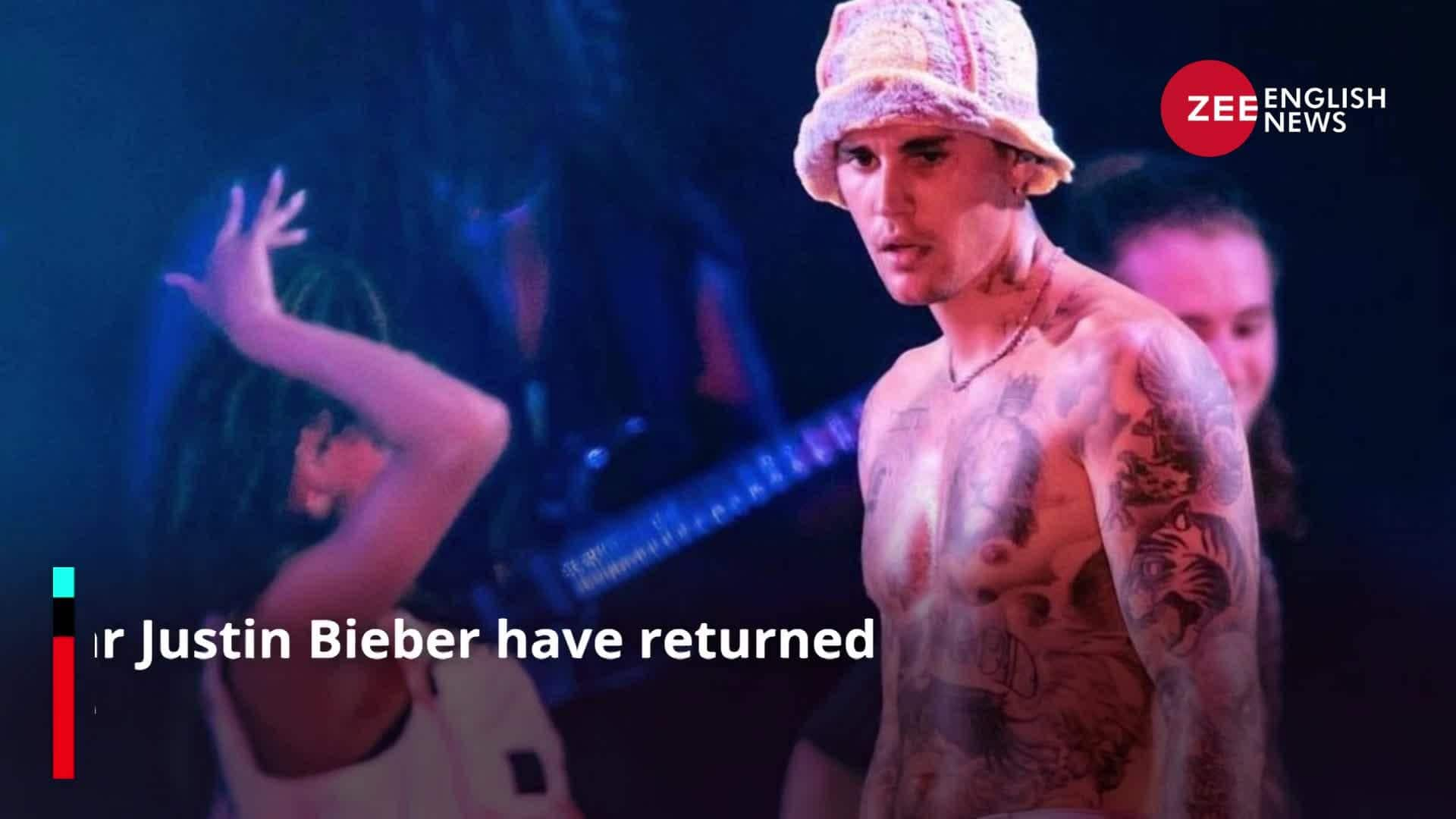
Justin Bieber Emotional: A Reference Entry on His Public Sentiment
Justin Bieber's public sentiment has long been defined by moments of raw emotional vulnerability, shifting rapidly from early pop idol scrutiny to a mature, introspective dialogue regarding mental health, faith, and personal growth. Th...
Justin Bieber's public sentiment has long been defined by moments of raw emotional vulnerability, shifting rapidly from early pop idol scrutiny to a mature, introspective dialogue regarding mental health, faith, and personal growth. This reference entry examines the historical trajectory, psychological turning points, and cultural perception shaping how audiences interpret his emotional transparency in the public eye.
Contents
The Evolution of Public Sentiment Toward Justin Bieber
The emotional footprint of Justin Bieber's career is inextricably linked to the intense glare of the digital age. Emerging as a global phenomenon during the late 2000s and early 2010s, Bieber experienced a meteoric rise that brought unprecedented levels of adoration alongside severe public scrutiny. During his adolescent and early adult years, public sentiment often fluctuated between fervent fan loyalty—exemplified by the global fandom known as "Beliebers"—and widespread skepticism from mainstream media outlets and internet commentators.
This duality created a pressurized environment where normal developmental milestones were magnified under a microscope. Public perception during his mid-teens was largely managed by traditional pop-star marketing, but as Bieber transitioned into young adulthood, cracks in this idealized facade became apparent. Incidents of rebellious behavior, legal troubles, and public clashes with paparazzi heavily influenced a negative public sentiment. Commentators and casual observers often framed these episodes through the lens of entitlement rather than recognizing underlying emotional distress, exhaustion, and the psychological toll of chronic fame.
Over time, however, a noticeable shift occurred in how audiences and critics evaluated his trajectory. As Bieber began to publicly address his struggles with depression, anxiety, and substance use, the narrative surrounding his public persona transformed. Observers started to recontextualize his earlier behavior as a manifestation of profound burnout and isolation. This evolution highlights a broader cultural change in how the entertainment industry and society at large view child and adolescent stardom, moving away from simple condemnation toward a more nuanced understanding of mental health crises in the public sphere.
Vulnerability as a Public Statement
A defining characteristic of Justin Bieber's later career phase is his willingness to display emotional vulnerability across various media platforms. Rather than relying solely on traditional promotional tours and heavily curated interviews, Bieber utilized social media, documentary projects, and candid public appearances to communicate directly with his audience about his internal struggles.
This direct-to-consumer emotional transparency altered the dynamics of public sentiment. In documentary projects such as Justin Bieber: Seasons, released via YouTube in 2020, and subsequent intimate interviews, Bieber and his inner circle—including his wife, Hailey Bieber, and longtime managers—openly discussed the debilitating effects of fame, Lyme disease, and mental health deterioration. By stripping away the gloss typically associated with pop stardom, these releases invited empathy from viewers who had previously judged him harshly.
However, this strategy also introduces a complex psychological dynamic between artist and public. When a celebrity constructs a public sentiment grounded in emotional struggle, audiences often develop a parasocial sense of investment and protectiveness. While this fosters deep loyalty among fans, it also places immense pressure on the artist to continually perform authenticity. Public sentiment thus becomes a moving target, oscillating between profound sympathy when vulnerabilities are shared and skepticism if the artist retreats from the public eye to preserve personal boundaries.
The Interplay of Faith, Marriage, and Stability
A critical component in stabilizing Justin Bieber's public sentiment over the past decade has been his outspoken commitment to personal faith and his marriage. Following a well-documented period of personal and professional reassessment around 2015 to 2017, Bieber redirected significant portions of his public messaging toward spiritual grounding and relational stability.
His marriage to Hailey Bieber in 2018 served as a major turning point in media narratives. Tabloid coverage, which previously focused on erratic behavior, shifted toward domestic life, church involvement, and the challenges of early marriage under public scrutiny. For many observers, these milestones signaled emotional maturation. Public sentiment increasingly began to view him not merely as a volatile pop star, but as a young adult attempting to navigate a sustainable path forward amidst persistent health and psychological challenges.
At the same time, this phase of his public identity has faced distinct challenges. The intersection of celebrity culture, institutional religion, and lifestyle branding often invites intense scrutiny from both secular and religious commentators. Public reactions to statements regarding faith, mental health recovery, and marital dynamics demonstrate that while audiences appreciate emotional honesty, they also subject public declarations of personal growth to rigorous skepticism.
Media Framing and the Psychology of Fandom
Analyzing Justin Bieber's emotional public sentiment requires an examination of how media framing shapes collective opinion. Throughout his career, the framing of his emotional expressions has evolved across three distinct eras, summarized in the table below:
| Career Era | Dominant Media Framing | Public Sentiment Characteristics | Primary Emotional Trigger |
|---|---|---|---|
| Early Stardom (2009–2013) | Manufactured pop idol, teen heartthrob | Polarized; fierce adoration vs. dismissive mockery | Rapid celebrity exposure and identity formation |
| Rebellion & Crisis (2014–2016) | Troubled celebrity, tabloid focal point | Predominantly negative; judgment and fatigue | Isolation, burnout, and lack of privacy |
| Maturation & Healing (2017–Present) | Vulnerable artist, mental health advocate | Empathetic, supportive, yet protective | Chronic health struggles and spiritual seeking |
This progression illustrates that public sentiment is rarely a static reflection of an individual's character; rather, it is a constructed narrative influenced by media gatekeepers, digital algorithms, and the subject's own communication strategies. When mainstream media outlets pivot from sensationalized headlines to contextualized reporting on mental health, public empathy tends to rise correspondingly.
Furthermore, the role of fan communities on social media platforms cannot be understated. Platforms like X (formerly Twitter), TikTok, and Instagram serve as echo chambers where emotional sentiment is rapidly amplified. Fans actively counter negative press by organizing campaigns centered on mental health awareness and celebrating Bieber's milestones, effectively acting as public relations agents. Conversely, digital detractors can rapidly weaponize moments of perceived emotional instability to reinforce outdated stereotypes, proving that modern public sentiment remains fiercely contested terrain.
Frequently Asked Questions
How has Justin Bieber's approach to public emotional expression changed over time?
In his early career, emotional expressions were largely filtered through traditional PR channels and promotional interviews, occasionally resulting in impulsive public outbursts when pressure mounted. In recent years, Bieber has adopted a direct-to-consumer approach, utilizing documentaries, social media posts, and candid interviews to discuss mental health, anxiety, and personal growth openly, thereby fostering a more empathetic public sentiment.
What role do documentaries play in shaping public perception of Justin Bieber?
Documentary projects, such as his multi-part YouTube original series, provide an unvarnished look at his behind-the-scenes struggles, physical health challenges, and marital dynamics. By showing the exhaustion and vulnerability behind the pop star facade, these projects have effectively shifted public sentiment from critical judgment toward understanding and support.
How do mental health struggles influence celebrity public sentiment generally?
Public disclosure of mental health struggles often humanizes public figures, eliciting widespread compassion and opening important cultural dialogues about the pressures of fame. However, it also creates an expectation of continuous emotional availability, meaning that any subsequent withdrawal or controversial action can be met with intensified scrutiny or skepticism.
Why is Hailey Bieber often factored into discussions of Justin Bieber's public sentiment?
Hailey Bieber's presence in his life and public narrative has been widely interpreted by media and fans as a stabilizing force. Her advocacy for mental health awareness and the couple's shared emphasis on marriage and faith have helped reframe his public image from a volatile young celebrity to a grounded adult navigating long-term personal challenges.
Practical Next Steps for Media Analysis and Sentiment Tracking
When studying public sentiment surrounding high-profile cultural figures like Justin Bieber, researchers, media analysts, and students of communication should adopt a structured analytical approach:
- Examine multiple media sources across different ideological and generational spectrums to identify framing biases.
- Distinguish between verified statements from the primary subject and speculation published by tabloid or entertainment commentary outlets.
- Analyze long-term shifts in sentiment rather than reacting to isolated viral incidents or short-term social media trends.
- Consider the broader cultural and industrial context—such as industry-wide conversations surrounding child stardom and mental health support—when evaluating individual behavioral trajectories.
Image Gallery