The Most Popular Air Freshener Scents and How to Choose Them
Selecting the most popular air freshener scents involves balancing personal preference with the functional requirements of your living or workspace. Consumer data consistently shows that the most widely favored fragrances fall into spe...
Selecting the most popular air freshener scents involves balancing personal preference with the functional requirements of your living or workspace. Consumer data consistently shows that the most widely favored fragrances fall into specific olfactory categories: clean, citrus, floral, and woody/warm. Understanding these categories, their psychological impact, and their practical applications helps ensure that your choice effectively masks odors or enhances your environment without becoming overwhelming.
Contents
Understanding Olfactory Preferences
Market trends in 2026 indicate a dominant shift toward "functional fragrance," where consumers prioritize scents that signal cleanliness or relaxation. The most popular fragrances are those that mimic natural, non-synthetic environments.
The "Clean" Category
The most consistently purchased air freshener category is "Clean Linen" or "Fresh Cotton." These scents are formulated to evoke the smell of laundered fabrics drying in the sun. They rely on high concentrations of aldehydes and musks, which provide a neutral yet hygienic impression. Because these scents are perceived as non-intrusive, they are the standard choice for high-traffic areas such as hallways, offices, and entryways.
Citrus and Energizing Profiles
Lemon, lime, and orange fragrances constitute the second most popular tier. Citrus scents are chemically associated with cleaning agents, leading the human brain to subconsciously associate them with a sanitized environment. These are highly effective for kitchens and bathrooms, where the primary objective is odor neutralization rather than long-term ambient scenting.
Floral and Botanical Scents
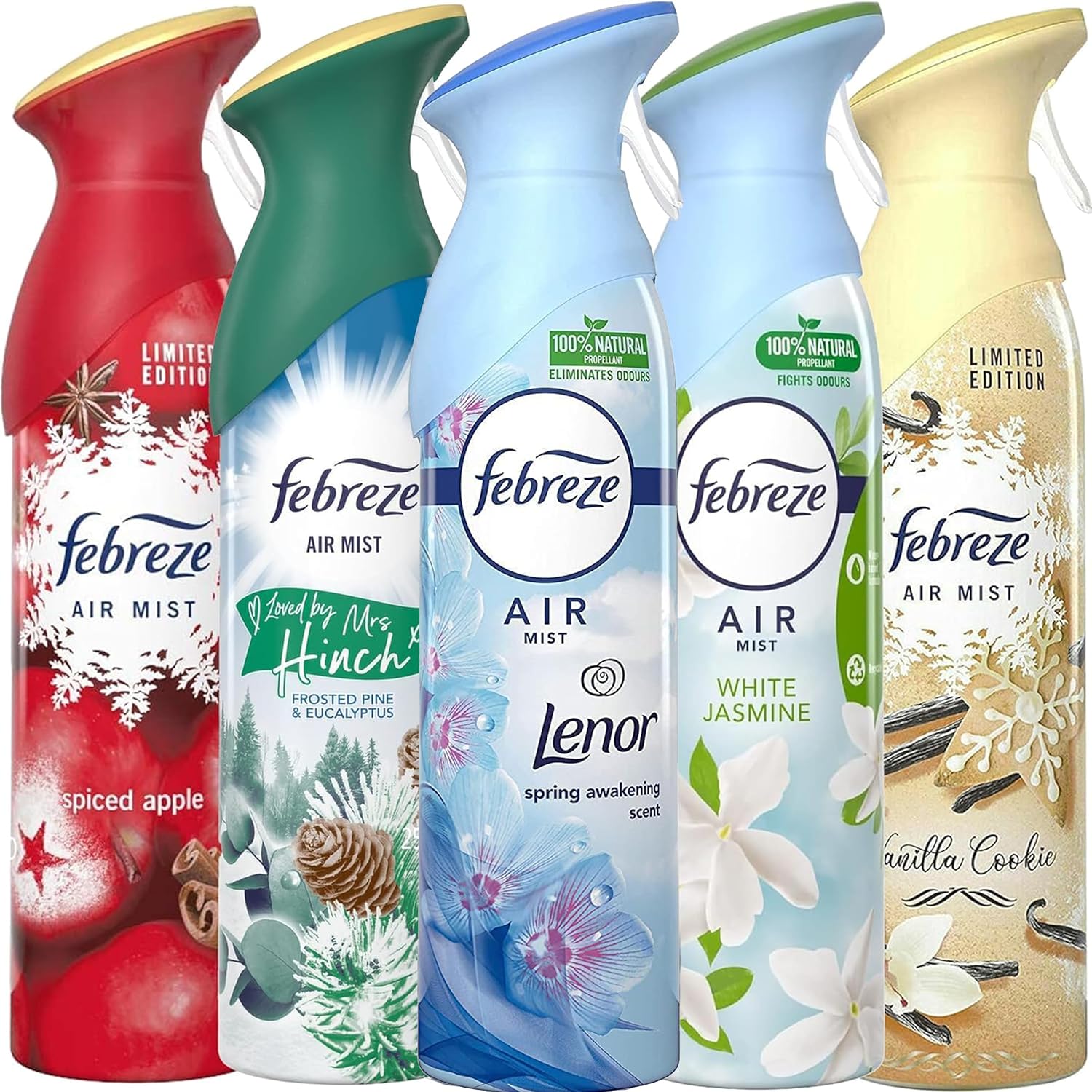
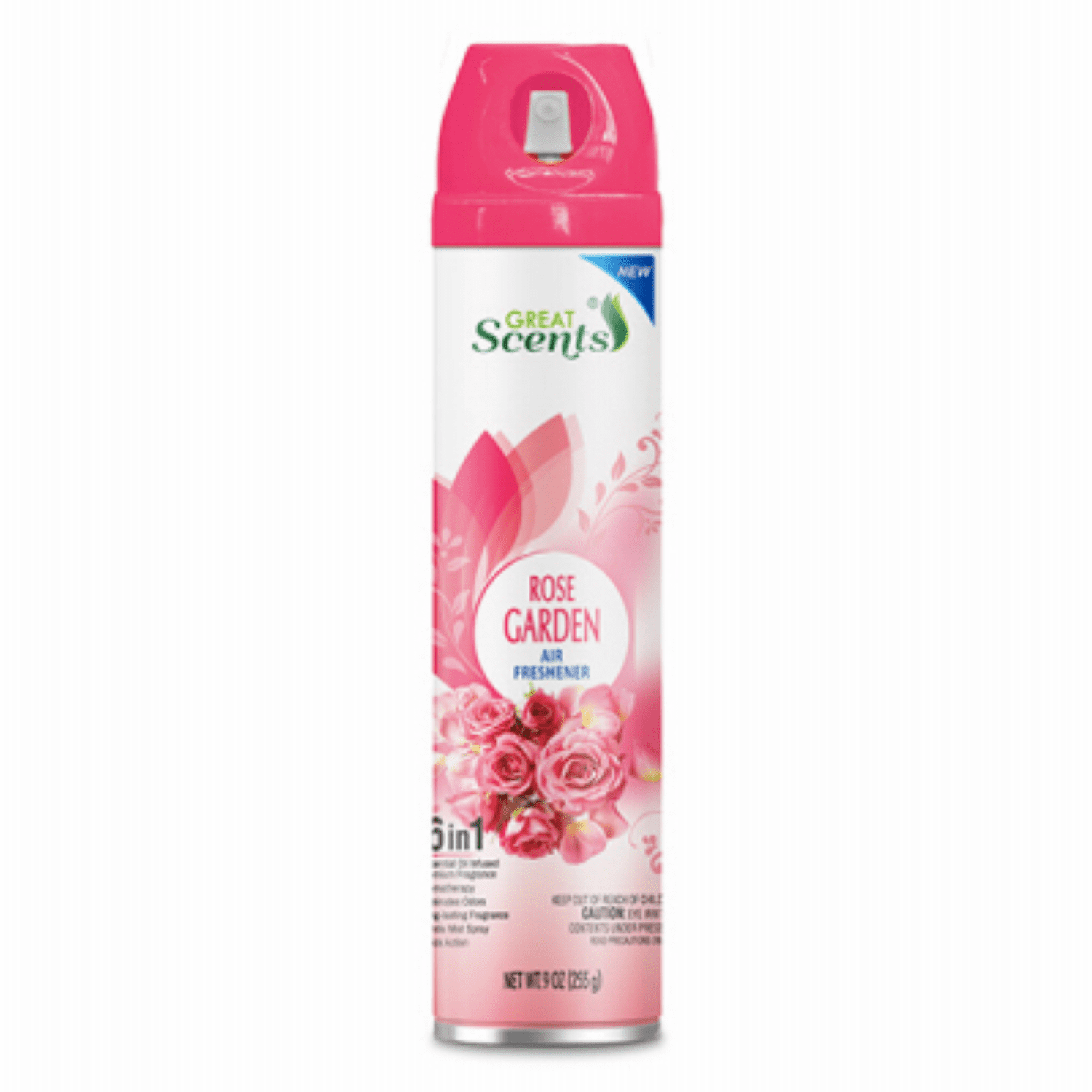
Lavender, jasmine, and rose remain the most popular choices for bedrooms and relaxation zones. Lavender, in particular, has persistent popularity due to its established association with sleep hygiene. Modern iterations often blend these with earthy undertones to avoid a "perfume-heavy" quality that can irritate individuals with sensitivities.
Woody and Spicy Warmth
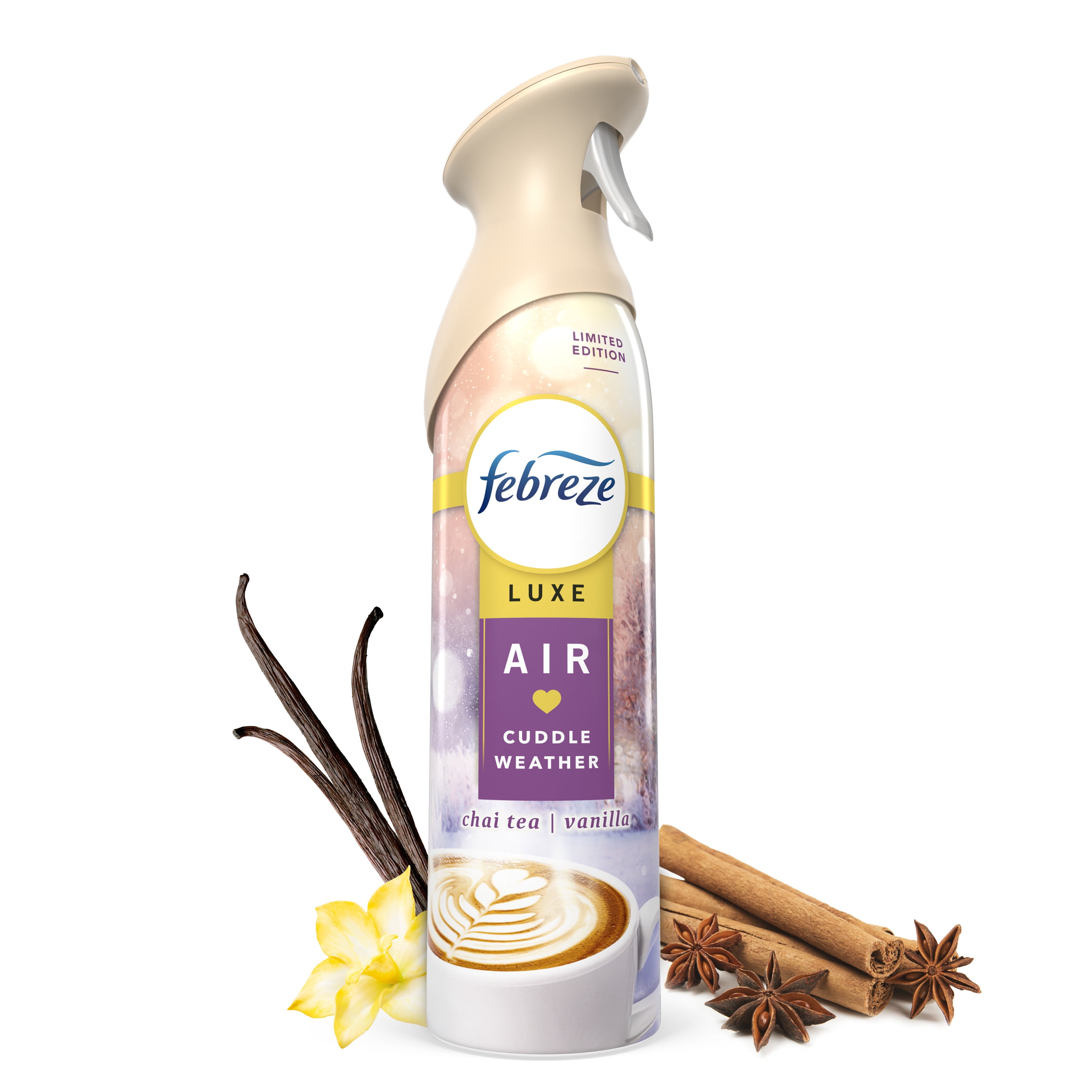
During cooler months, fragrances such as sandalwood, cedar, and vanilla-infused spices gain significant market share. These scents provide a "cozy" atmosphere and are often chosen for living rooms. Unlike the sharp notes of citrus, these scents are deeper and linger longer in a space, making them ideal for larger rooms with soft furnishings that trap fragrance oils.
Comparing Scent Performance and Application
Choosing the right scent is only half the battle; the delivery mechanism dictates how the scent interacts with your space. The following table compares common scent profiles against their optimal environment and primary effect.
| Scent Profile | Target Environment | Primary Effect | Best Delivery Method |
|---|---|---|---|
| Clean/Linen | Entryways, Offices | Neutrality | Aerosol or Plug-in |
| Citrus | Kitchen, Bathroom | Neutralization | Automatic spray |
| Lavender | Bedroom | Relaxation | Diffuser or Linen spray |
| Sandalwood | Living Room | Ambiance | Scented wax or Reed |
| Vanilla/Spice | Dining Areas | Warmth | Candle or Oil burner |
The Science of Scent Fatigue
A common mistake when using popular air fresheners is "olfactory adaptation," often called scent fatigue. When you occupy a space with a constant, strong scent, your olfactory receptors cease to signal the presence of that odor to your brain. Users often respond to this by increasing the concentration of the scent, which can lead to headaches or allergic reactions for visitors.
To avoid this, rotate your scent profiles seasonally or geographically within the home. Using a citrus-based scent in the bathroom and a linen scent in the hallway prevents the brain from habituating to a single, overpowering fragrance.
Safety and Regulatory Considerations
While popular scents are generally safe for the general population, it is essential to consider the chemical composition of home fragrance products.
- Volatile Organic Compounds (VOCs): Many conventional air fresheners contain phthalates or other VOCs. If you are concerned about air quality, look for products that explicitly state they are free from phthalates or follow the standards set by the International Fragrance Association (IFRA).
- Ventilation: Regardless of the scent's popularity, no air freshener should be used as a substitute for proper ventilation. In bathrooms and kitchens, ensure there is an active exhaust path.
- Allergies and Pets: Certain popular scents, particularly heavy florals or essential oil-based blends (such as tea tree or eucalyptus), can be toxic or irritating to household pets. Always verify the ingredients against known sensitivities if you share your home with animals.
Troubleshooting Common Scent Issues
When an air freshener does not perform as expected, the issue is rarely the quality of the fragrance, but rather the environment.
- Odor Persistence: If a room smells "musty" and the air freshener does not help, the odor is likely trapped in porous materials like carpets or curtains. An air freshener will only mask this; removing the source—usually through professional steam cleaning or enzyme-based cleaners—is the required prerequisite for effective fragrance use.
- Overpowering Scent: If a product is too strong, reduce the diffusion rate. For plug-ins, set the intensity to the lowest level. For reed diffusers, remove 25-50% of the reeds.
- Short Scent Life: If the scent disappears within minutes, the air exchange rate in the room is likely too high. Move the device away from windows or direct HVAC vents.
Selecting the Right Product for Your Needs
When browsing for air fresheners, ignore marketing buzzwords and focus on the fragrance notes listed on the packaging. Top notes are what you smell immediately but dissipate quickly (citrus), while base notes are what provide the lingering aroma (musk, wood, vanilla).
If you prefer a consistent, subtle background scent, choose a product with high base-note content, such as a cedar or sandalwood-based reed diffuser. If you require a quick refresh after cooking or using the bathroom, an aerosol or quick-burst automatic spray featuring citrus or "clean" notes will serve your needs most efficiently.
Frequently Asked Questions
Which air freshener scent is most universally liked? Clean Linen is the most universally liked scent. It consistently polls highest because it is associated with laundry and hygiene, avoiding the polarising effects of heavy florals or sharp spices.
How can I make an air freshener last longer? To maximize longevity, place your scent source at mid-height in the room. Heat rises, so placing a diffuser on a high shelf may cause the scent to dissipate into the ceiling, while floor-level placement may result in the scent being trapped under furniture.
Are plug-in air fresheners safe to leave on 24/7? Most modern plug-in devices are designed for continuous use, but they should be monitored. Unplug them if you notice any discoloration of the device or if the scent becomes irritating. Ensure they are placed at least six feet away from sleeping areas to prevent overexposure.
Why does the air freshener smell different at home than in the store? Store environments are large and ventilated, while your home is smaller and contains different fabrics. Carpets, curtains, and humidity levels significantly alter the way scent molecules interact with the air. Test a small sample in your specific environment before purchasing in bulk.
What should I do if a scent gives me a headache? Cease use immediately and ventilate the room by opening windows to allow fresh air circulation. Headaches are often caused by synthetic fragrance fixatives or over-concentration. Switching to natural essential oil-based products or reducing the intensity of your current device usually resolves the issue.
Next Steps
Start by identifying the primary purpose of your space—whether it requires odor neutralization or ambiance creation. Purchase a "sample" or single unit of a top-rated Clean or Citrus scent to test the impact on your specific room’s ventilation and fabric composition. By systematically rotating these scents and maintaining proper air circulation, you can curate a home environment that feels both clean and welcoming throughout 2026.
Image Gallery