How ACH Credit Works for SSA Treasury Payments
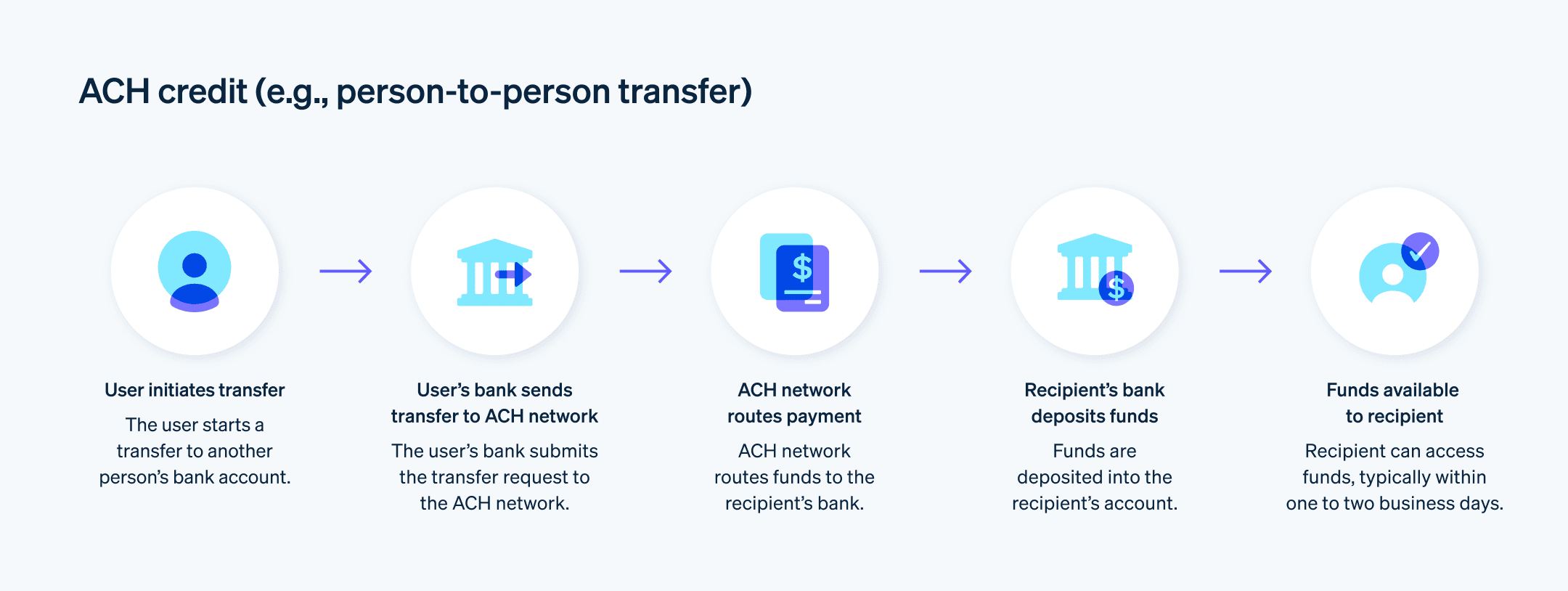
An ACH credit for SSA Treasury payments is an electronic "push" transaction where the U.S. Treasury’s Bureau of the Fiscal Service transfers Social Security benefits directly into a recipient's bank account. This automated process move...
An ACH credit for SSA Treasury payments is an electronic "push" transaction where the U.S. Treasury’s Bureau of the Fiscal Service transfers Social Security benefits directly into a recipient's bank account. This automated process moves through the Federal Reserve’s Automated Clearing House (ACH) network, ensuring funds are available on the scheduled payment date without the delays of physical mail.
Contents
Understanding the ACH Credit Mechanism for Federal Benefits
To understand how an ACH credit works for the Social Security Administration (SSA), one must first distinguish between the two types of ACH transactions: debits and credits. In an ACH credit scenario, the originator (the U.S. Treasury) "pushes" the money to the receiver’s (the beneficiary's) account. This is the inverse of an ACH debit, where an entity "pulls" money from an account to pay a bill.
For SSA beneficiaries in 2026, the ACH credit system is the mandatory standard for receiving monthly payments, including Retirement, Survivors, and Disability Insurance (RSDI) and Supplemental Security Income (SSI). The system is governed by a combination of Nacha (the National Automated Clearing House Association) operating rules and the U.S. Treasury’s Green Book, which outlines specific regulations for federal government ACH payments.
The Relationship Between the SSA and the Bureau of the Fiscal Service
A common misconception is that the Social Security Administration itself sends the money to your bank. In reality, the process is a partnership between two distinct federal entities:
- The Social Security Administration (SSA): Acts as the "Federal Agency." Their role is to maintain the Master Beneficiary Record, calculate payment amounts, verify eligibility, and determine when a payment should be made.
- The Bureau of the Fiscal Service (Treasury): Acts as the "Disbursing Office." Once the SSA certifies a payroll file, they send the data to the Fiscal Service. The Treasury then originates the ACH credit entries and sends them to the Federal Reserve Bank.
This distinction is important for troubleshooting. If the payment amount is wrong, the issue lies with the SSA. If the payment was sent but never arrived at the bank, the issue involves the Treasury’s ACH disbursement flow.
The Step-by-Step Lifecycle of an SSA ACH Credit
The journey of a Social Security payment from a federal ledger to a personal bank account involves several high-security checkpoints.
1. Payment Certification and File Creation
Several days before the actual payment date, the SSA compiles a massive data file containing the names, account numbers, routing numbers, and payment amounts for millions of beneficiaries. This file is digitally signed and "certified" before being transmitted to the Bureau of the Fiscal Service.
2. Origination by the Treasury
The Treasury processes these files and formats them into ACH batches. These batches use specific Standard Entry Class (SEC) codes. For SSA payments, the most common code is PPD (Prearranged Payment and Deposit). The Treasury then transmits these batches to the Federal Reserve, which acts as the Automated Clearing House Operator.
3. The Role of the Federal Reserve
The Federal Reserve receives the ACH files from the Treasury. It sorts the transactions by the Routing Transit Number (RTN) of the Receiving Depository Financial Institutions (RDFIs)—essentially, the beneficiaries' banks or credit unions. The Fed then makes the payment information available to these banks, typically one to two days before the actual settlement date.
4. Settlement and Availability
Settlement is the actual exchange of funds between the Federal Reserve and the beneficiary's bank. Per federal regulations and Nacha rules, the bank must credit the beneficiary's account and make the funds available for withdrawal no later than the opening of business on the scheduled payment date. In 2026, many modern fintech banks provide "Early Direct Deposit," where they credit the user as soon as they receive the ACH notification from the Fed, often two days early.
Technical Specifications: SEC Codes and Tracing Numbers
For those managing institutional accounts or troubleshooting a missing payment, two technical elements are paramount:
- PPD SEC Code: This code indicates that the payment is a consumer-level credit. It allows for a single entry to be made into a natural person's account.
- Trace Numbers: Every ACH credit is assigned a 15-digit trace number. The first eight digits identify the routing number of the originating institution (in this case, the Treasury), and the last seven are a unique sequence number. This trace number is the "tracking ID" for the money and is essential if a bank claims they haven't received a deposit.
Comparing SSA Payment Methods
While ACH credit to a traditional bank account is the most common method, the Treasury offers alternatives that still utilize the ACH network.
| Feature | ACH Direct Deposit | Direct Express® Debit Card | International Direct Deposit (IDD) |
|---|---|---|---|
| Primary Mechanism | ACH Credit (PPD) | ACH Credit to Prepaid Card | International ACH Transaction (IAT) |
| Account Type | Savings or Checking | Federal Prepaid Card | Foreign Bank Account |
| Availability | Day of payment (or earlier) | Day of payment | Dependent on local bank |
| Traceability | High (via Trace Number) | High (Internal Treasury) | Moderate (Cross-border) |
| Fees | None from Treasury | Minimal (standard card fees) | Currency conversion may apply |
Regulatory Compliance: The Green Book Standards
All SSA Treasury ACH credits are subject to 31 CFR Part 210, which incorporates Nacha rules but adds federal overlays. One of the most critical aspects of this regulation is the reclamation process.
If a beneficiary dies and the SSA is not notified, the Treasury has the legal right to "reclaim" any ACH credits sent after the death. The bank (RDFI) is often held liable for these funds if they fail to follow proper notification procedures. This is why banks are very stringent about the names on an account matching the names on the SSA ACH file; a mismatch can lead to an automatic "Return to Originator" (RTO) with a code like R03 (No Account/Unable to Locate Account).
Troubleshooting Missing or Delayed ACH Credits
In 2026, the reliability of the ACH network is near 99.9%, but errors can occur. If an expected SSA credit does not appear, the following steps are the industry-standard path to resolution:
- Verify the Payment Schedule: Social Security payments are distributed based on the beneficiary's birth date (e.g., the second, third, or fourth Wednesday of the month). Ensure the current date is actually the scheduled payment day.
- Confirm the SEC Code and Status: Check with your bank to see if there is a "pending" ACH credit with the "SSA" or "TREASURY" descriptor.
- Check for Account Mismatches: If you recently changed banks, the SSA may have attempted to send the credit to your old account. If that account is closed, the bank will return the funds to the Treasury, a process that can take 5–7 business days to resolve.
- Obtain a Trace Number: If the bank insists no funds have arrived, call the SSA at 1-800-772-1213. Request the "ACH Trace Number" for the specific payment. Provide this number to your bank’s ACH department (not just the front-line teller) to locate the transaction.
Common Myths About SSA ACH Credits
- Myth: The Treasury can take money back at any time. While the Treasury can initiate a reclamation for payments made after a recipient's death or due to a clerical error, they cannot arbitrarily "debit" your account for other reasons without legal due process.
- Myth: ACH credits are instant. While they are electronic, they are batch-processed. The funds move through a series of "clearing" steps that usually take 24–48 hours from the time the Treasury hits "send."
- Myth: You need a high-end bank for this to work. Any financial institution with a valid routing number (including credit unions and digital-only banks) can receive an SSA ACH credit.
Summary of Best Practices for 2026
To ensure the seamless operation of ACH credits for your benefits, maintain an active, open bank account and avoid changing your direct deposit information within ten days of your scheduled payment date. If you must change banks, keep your old account open until you see the first SSA credit successfully land in the new one.
The ACH credit system remains the safest and most efficient way to handle federal disbursements, providing a level of security and speed that physical checks simply cannot match in the modern financial landscape.
Frequently Asked Questions
What happens if my SSA ACH credit falls on a weekend or holiday?
When a scheduled payment date falls on a Saturday, Sunday, or legal federal holiday, the ACH credit is typically settled on the preceding business day. For example, if the 3rd of the month is a Sunday, the Treasury will ensure the funds are available by the previous Friday. This is a requirement of the Green Book regulations to ensure beneficiaries are not left without funds over a holiday period.
Can I have my SSA ACH credit split between two different bank accounts?
Generally, the SSA prefers to send the full monthly benefit to a single primary account. While some private employers allow you to split a direct deposit, the SSA’s current systems are optimized for one-to-one mapping per beneficiary record. If you need to distribute the money to multiple accounts, it is best to set up an automated recurring transfer within your own banking portal once the initial ACH credit arrives.
Why does my bank show my SSA payment as "Pending" but I can't spend it?
A "Pending" status means your bank has received the ACH file and notification from the Federal Reserve, but the "Settlement Date" (the date the actual money moves) has not yet arrived. While some banks "memo-post" these funds and allow you to spend them early as a courtesy, others wait until the official settlement date dictated by the Treasury to release the hold.
What is the "Trace Number" and how do I use it?
An ACH Trace Number is a unique 15-digit identifier assigned to your specific payment by the Treasury. If your payment is missing for more than three business days after the scheduled date, you should contact the SSA to get this number. Once you have it, your bank’s backend ACH operations team can use it to see exactly where the funds are—whether they were rejected, held in a suspense account, or sent back to the government.
Can the SSA send an ACH credit to a joint account?
Yes, the SSA can send payments to a joint account, provided the beneficiary is one of the account holders. However, if the beneficiary passes away, the co-owner of the account does not automatically gain rights to the funds sent after the date of death. The bank is required to return those funds to the Treasury under federal reclamation rules, regardless of the joint status of the account.
Image Gallery