Santander and Mastercard Partnership Explained: Digital Banking and Payment Evolution
The partnership between Santander and Mastercard represents a strategic, long-term alliance designed to integrate global payment infrastructure with retail and commercial banking services. By leveraging Mastercard’s network technology,...
The partnership between Santander and Mastercard represents a strategic, long-term alliance designed to integrate global payment infrastructure with retail and commercial banking services. By leveraging Mastercard’s network technology, Santander facilitates cross-border transactions, enhances digital wallet security, and accelerates the issuance of debit and credit products across its global markets.
Contents
The Strategic Foundations of the Alliance
The collaboration between Santander and Mastercard is not a single product launch but a structural alignment of two financial giants. Santander, a global banking powerhouse with a heavy footprint in Europe and the Americas, requires a robust, scalable rails system to process millions of daily transactions. Mastercard, as a global technology company in the payments industry, provides the architecture that allows Santander to offer cardholders seamless purchasing power across different currencies and jurisdictions.
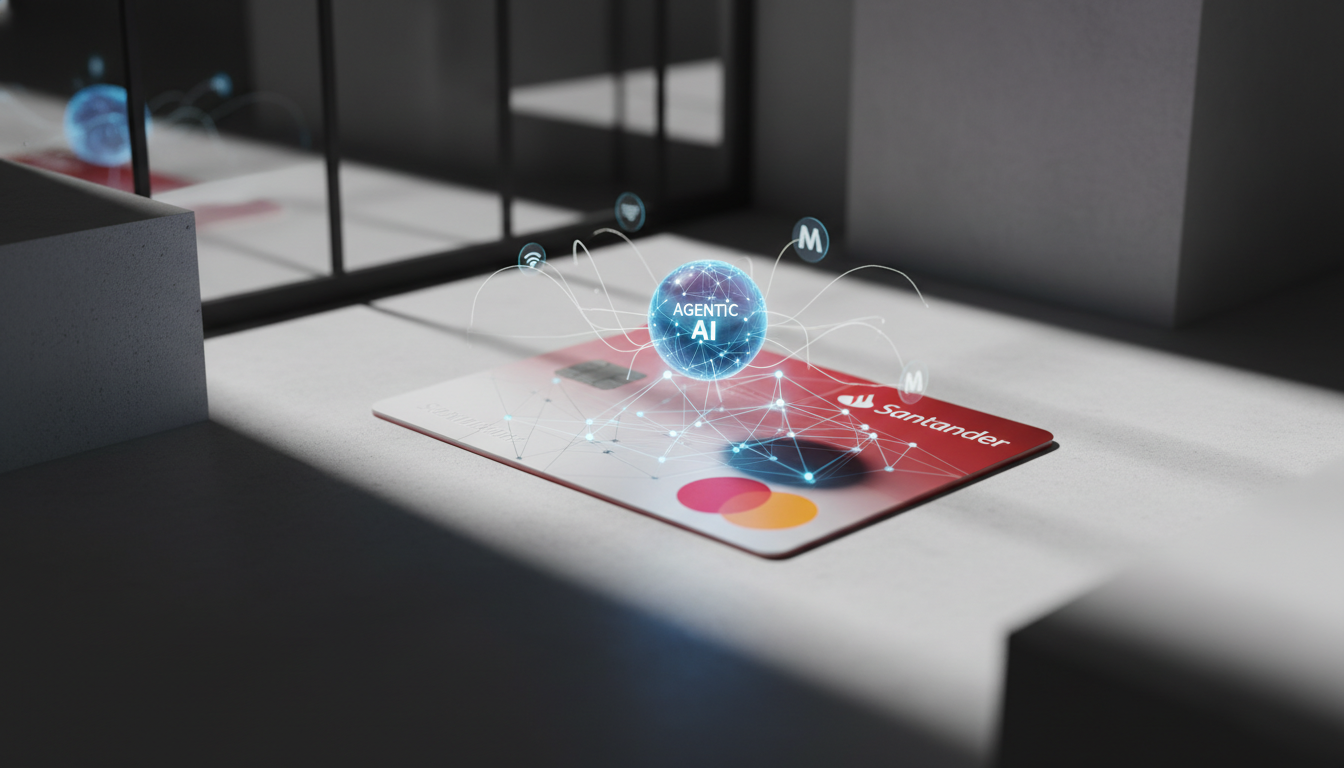
At its core, this partnership focuses on three primary pillars: payment modernization, fraud mitigation, and digital financial inclusion. By shifting toward digital-first payment solutions, the partnership allows Santander to reduce its reliance on legacy processing systems. This enables the bank to deploy features like tokenization—the process of replacing sensitive card information with a unique digital identifier—which ensures that customer data remains secure even when transactions occur across international borders.
Impact on Retail and Commercial Banking
For the individual customer, the Santander-Mastercard partnership manifests primarily through the issuance of debit and credit cards that are accepted globally. However, the influence of this alliance extends into the commercial banking sector. Business clients of Santander benefit from optimized treasury management services, where Mastercard’s commercial payment solutions allow companies to manage B2B payments, optimize cash flow, and track expenses with high transparency.
Tokenization and Security Standards
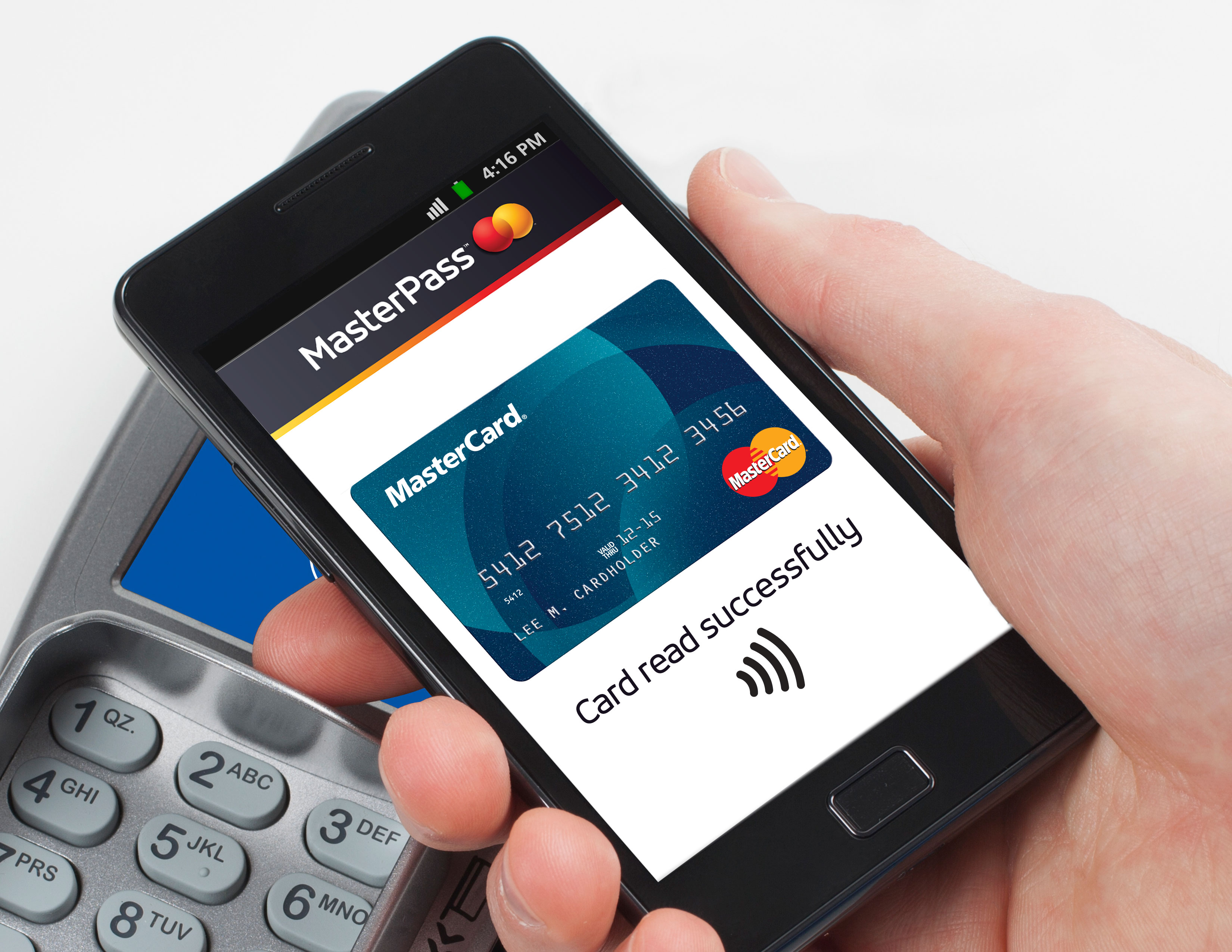
One of the most critical aspects of the partnership is the implementation of advanced security protocols. In an era where digital fraud has become increasingly sophisticated, the collaboration enables Santander to integrate Mastercard’s "Digital Enablement Service" (MDES). This allows Santander customers to add their bank cards to digital wallets such as Apple Pay, Google Pay, and Samsung Pay with heightened security.
When a user adds a card to a wallet, the partnership ensures that a "token" is generated rather than storing the actual primary account number (PAN) on the mobile device or merchant's server. This significantly lowers the risk of data breaches for the end-user.
Comparative Overview of Partnership Benefits
The following table outlines how the synergy between Santander’s banking infrastructure and Mastercard’s payment network provides distinct advantages across different banking segments.
| Banking Segment | Primary Benefit of Partnership | Technical Application |
|---|---|---|
| Retail Banking | Seamless Cross-Border Spending | Real-time currency conversion and international acceptance |
| Digital Payments | Enhanced Security Protocols | Tokenization via MDES for mobile wallet integration |
| Commercial Banking | B2B Payment Efficiency | Automated reconciliation and commercial card management |
| Financial Inclusion | Broader Access to Credit | Data-driven insights for localized lending solutions |
Addressing Challenges in Global Payments
Operating as a multinational bank requires navigating a fragmented regulatory landscape. Santander faces different compliance requirements in the United Kingdom, Spain, Brazil, and Mexico. The partnership with Mastercard assists in standardizing the technical requirements for card issuance and transaction clearing. By utilizing a unified technical framework provided by Mastercard, Santander can deploy new features—such as "Click to Pay" or enhanced virtual card controls—across multiple markets simultaneously, rather than developing bespoke solutions for every individual region.
However, challenges remain. Regulatory bodies continue to scrutinize the dominance of large payment networks, and Santander must balance its reliance on Mastercard with its broader goal of maintaining open banking capabilities. To mitigate these risks, Santander has invested in open API (Application Programming Interface) infrastructure, allowing them to remain agile even while utilizing the backbone of a primary payment processor.
Evolution of Card Products
The partnership has enabled a pivot toward "digital-native" card issuance. This means that a Santander customer in many jurisdictions can now receive a virtual card in their mobile banking app immediately upon opening an account, well before a physical plastic card arrives in the mail. This instant-issuance capability is powered by the integration between Santander’s core banking system and Mastercard’s digital issuance platforms.
This transition reflects changing consumer behavior in 2026, where the demand for physical cards is declining in favor of NFC-enabled smartphone payments and e-commerce transactions. The partnership facilitates this by ensuring that these virtual instruments carry the same security guarantees and global acceptance as their physical counterparts.
Frequently Asked Questions
Does the partnership affect my Santander card's global acceptance? Yes, it ensures that your Santander card, branded with the Mastercard logo, is accepted at millions of merchant locations worldwide. The partnership standardizes the clearing and settlement process, which reduces the likelihood of transaction declines when you are traveling abroad.
Is my data safer because of this partnership? The collaboration incorporates Mastercard’s advanced security features, such as tokenization. By replacing your physical card number with a digital token for online and mobile payments, the system ensures that your real account details are not shared with merchants, providing an additional layer of protection against fraud.
Can I use my Santander card in a digital wallet? Yes. Through the partnership, Santander supports integration with major digital wallets. By using the Santander mobile application, you can provision your card directly into your phone’s wallet, allowing for secure contactless payments at retail terminals.
Are there extra fees for using my card internationally? While the partnership ensures the card works, currency conversion fees are determined by your specific Santander account terms, not the partnership itself. Always check your personal banking agreement for information regarding foreign transaction fees and exchange rate margins.
How does this partnership benefit commercial clients? Business clients benefit from improved reporting and payment reconciliation tools. Mastercard’s commercial platform allows businesses to set granular spending limits on employee cards and provides digital records that simplify accounting and expense management.
Next Actions for Customers
To take full advantage of the services enabled by this partnership, ensure your Santander mobile application is updated to the latest 2026 version. If you have not already done so, visit the "Manage Cards" section of your banking app to view your digital card details or add your account to your preferred mobile wallet. For commercial clients, consult your relationship manager to explore the latest virtual card issuance features that can help streamline your company’s accounts payable processes.
Image Gallery