BlackBerry Sounds: Understanding the Device's Audio Landscape
BlackBerry audio encompasses iconic notification tones, high-fidelity hardware engineering, and granular software controls designed for professional environments. Understanding this landscape involves exploring the evolution from legac...
BlackBerry audio encompasses iconic notification tones, high-fidelity hardware engineering, and granular software controls designed for professional environments. Understanding this landscape involves exploring the evolution from legacy MIDI ringtones to the sophisticated BlackBerry 10 Natural Sound engine. Whether for nostalgia or functional use in 2026, these sounds define the core BlackBerry user experience.
Contents
The Evolution of the BlackBerry Audio Identity
The BlackBerry audio landscape is not merely a collection of ringtones; it is a meticulously crafted acoustic identity that evolved over three decades. In the early 2000s, BlackBerry devices were defined by their monophonic and later polyphonic capabilities. As the hardware transitioned from the 7000 series to the Pearl and Curve, the audio shifted from utilitarian chirps to rich, multi-layered digital files.
By the mid-2010s, BlackBerry had established a distinct "professional" sound palette. Unlike the whimsical or toy-like sounds of early competitors, BlackBerry sounds were engineered to be audible in noisy office environments without being jarring. This was achieved through specific frequency tuning—focusing on the 2kHz to 5kHz range, where the human ear is most sensitive to alerts—ensuring that a "ping" would cut through background chatter.
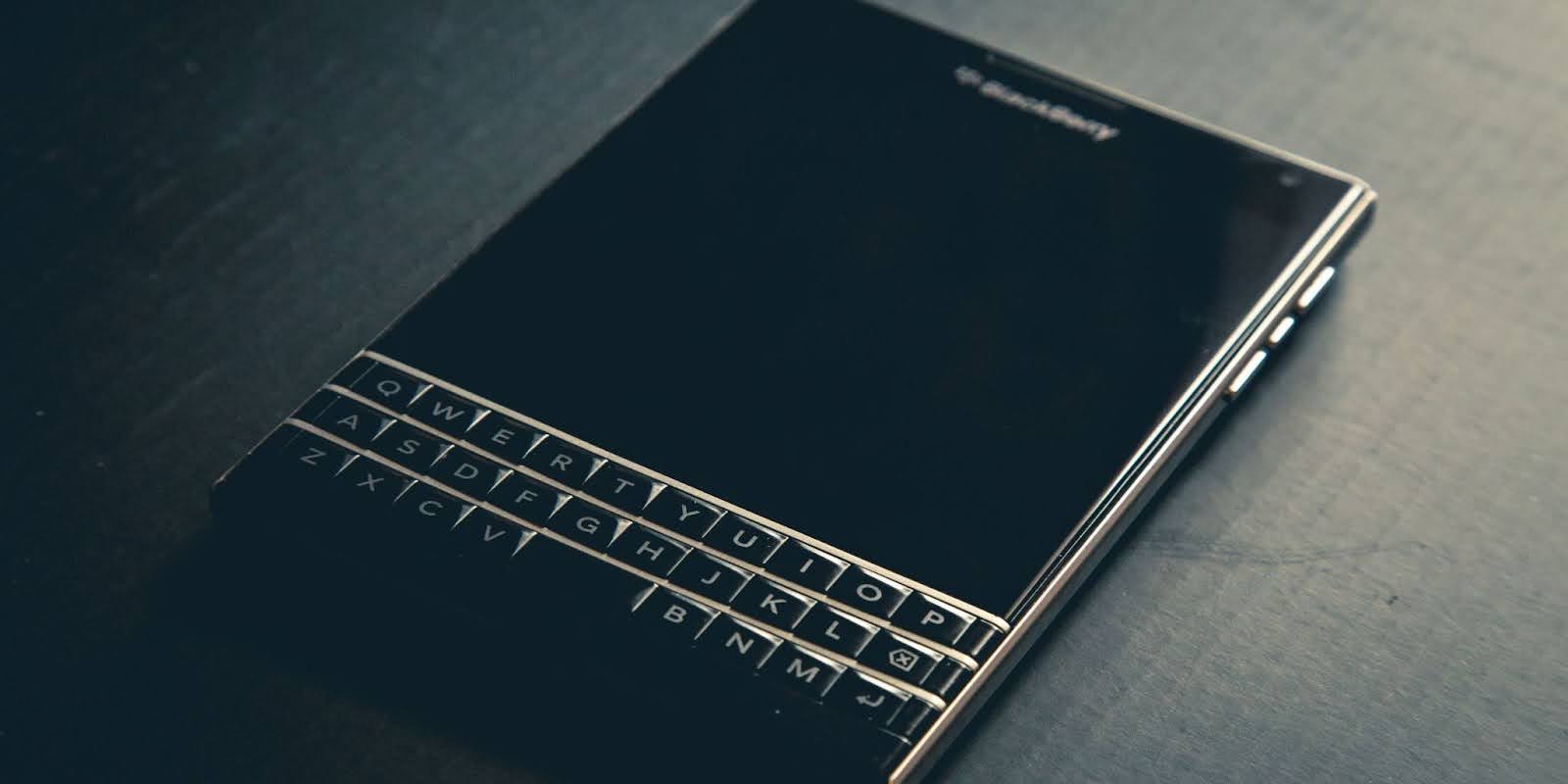
In 2026, looking back at these devices, the audio landscape remains a benchmark for intentional design. The transition from the "Legacy" era (BBOS 5, 6, and 7) to the "Modern" era (BlackBerry 10) represented a massive leap in audio fidelity. BlackBerry 10 introduced high-bitrate audio support and advanced codecs that turned devices like the BlackBerry Passport into competent portable media players.
Iconic Ringtones and the Psychology of the "Ping"
The most recognizable element of the BlackBerry audio landscape is undoubtedly the "Spirit" ringtone and the BBM "Ping." These sounds became synonymous with executive productivity.
The "Spirit" Ringtone
"Spirit" was designed to be the flagship anthem of the BlackBerry brand. It features an ascending melodic structure that suggests progress and urgency. Technically, the sound utilizes a clean sine wave base with bright percussive overlays. This ensures that even on the smaller speakers found in the BlackBerry Bold 9900, the melody remains clear and undistorted at high volumes.
The BBM Notification
The BlackBerry Messenger (BBM) notification sound—often referred to simply as the "Ping"—holds a unique place in mobile history. It was shorter than a standard SMS tone, designed to facilitate the rapid-fire nature of instant messaging. Its brevity was its strength; it signaled a need for immediate attention without disrupting a physical meeting or conversation for more than a fraction of a second.
BlackBerry 10 and Natural Sound Technology
With the launch of BlackBerry 10 (BB10), the company introduced Natural Sound technology. This wasn't just a marketing term; it was a suite of signal processing algorithms designed to make voice and video calls sound more life-like.
Natural Sound worked by expanding the frequency range of cellular calls. Standard mobile calls often "clip" the highs and lows of a human voice to save bandwidth. BlackBerry's engine used a wider spectral range when both parties were on compatible networks or using BBM Video/Voice. This resulted in a depth of audio that reduced listener fatigue during long conference calls—a critical feature for the device's target demographic of enterprise professionals.
Furthermore, the BB10 audio landscape included:
- Adaptive Volume: The device would automatically adjust the earpiece volume based on ambient noise levels detected by the secondary microphones.
- Acoustic Echo Cancellation: A sophisticated method of preventing feedback during speakerphone use, which was historically a strong suit for the BlackBerry Bold and Passport series.
Hardware Components: Speakers and DACs
The physical "landscape" of BlackBerry audio is defined by its hardware. Unlike modern slab phones that often prioritize screen-to-body ratio over speaker placement, classic BlackBerry designs often utilized front-facing or specifically ported speaker enclosures.
Stereo Speaker Implementation
The BlackBerry Passport and BlackBerry Z30 were the pinnacles of this engineering. The Z30, in particular, featured large stereo speakers with integrated "bass ports." These ports allowed the speakers to move more air, providing a surprisingly deep low-end response for a mobile device. In 2026, these devices are still valued by enthusiasts as distraction-free music players because of this robust internal amplification.
Digital-to-Analog Converters (DAC)
BlackBerry hardware generally utilized high-quality DACs from vendors like Qualcomm (integrated) or Wolfson (discrete in certain models). This ensured that the 3.5mm headphone jack provided a "clean" signal with a low noise floor. For professionals using high-impedance headphones, the BlackBerry Classic and Passport provided enough output voltage to drive audio without the immediate need for an external portable amplifier.
Managing the Audio Landscape: Profiles and Customization
A defining characteristic of the BlackBerry experience was the "Profiles" system. This allowed users to have absolute control over how their device behaved in different social and professional contexts.
| Profile Name | Audio Behavior | Best Use Case |
|---|---|---|
| Normal | All sounds active at user-defined volumes. | Standard daily operation. |
| Vibrate Only | All audible alerts disabled; haptic motor active. | Meetings and quiet offices. |
| Silent | Both audio and haptics disabled. | Cinemas, theaters, or deep work. |
| Phone Calls Only | Only the ringer is active; all data notifications silent. | Emergency availability during off-hours. |
| Bedside Mode | Mutes all notifications except for specific "VIP" contacts. | Overnight charging and sleep hygiene. |
Users could customize the "landscape" further by assigning specific LED colors to specific sounds. For example, a "Spirit" ringtone could be paired with a flashing green LED, while a BBM "Ping" was paired with a flashing blue LED. This multi-sensory feedback allowed users to triage notifications without even looking at the screen.
Audio File Format Support and Media Playback
For those utilizing a BlackBerry as a media hub in 2026, the device's support for various audio formats is crucial. While the legacy OS (BBOS 7 and earlier) was somewhat limited to MP3, AAC, and WMA, the BB10 platform expanded this significantly.
BlackBerry 10 natively supports:
- FLAC (Free Lossless Audio Codec): This made the Passport a favorite for audiophiles who wanted to carry lossless libraries without converting files.
- WAV and AIFF: Uncompressed formats used primarily in professional audio production.
- Ogg Vorbis: An open-source alternative to MP3 known for better efficiency at lower bitrates.
The built-in Media Player in BB10 also featured a robust equalizer (EQ) with presets like "Bass Boost," "Treble Boost," and "Voice Boost." Unlike many modern apps that use software-based gain which can cause clipping, BlackBerry’s EQ was integrated into the system's audio processing layer, maintaining clarity even when adjusting the frequency curves.
Troubleshooting Common Audio Issues
Even the most robust audio landscape can encounter issues. In 2026, as these devices age, users may experience specific hardware or software audio degradation.
- Low In-Call Volume: Often caused by dust accumulation in the fine mesh of the earpiece. Using compressed air or a soft-bristled brush can usually resolve this.
- Crackling Speakers: This typically indicates a blown driver or a loose connection to the logic board. Because BlackBerry devices were built with a modular approach (especially the Classic and Q10), these speaker modules are often user-replaceable.
- Notification Lag: On older BBOS devices, a bloated "logs" file or an overloaded microSD card could cause a delay between the arrival of a message and the audible alert. Clearing the event log (Alt + L + G + L + G) often fixes this.
Frequently Asked Questions
Can I still use the original BlackBerry sounds on my Android or iPhone?
Yes. While the official BlackBerry hardware business transitioned, the sound files themselves (in .m4a or .mp3 format) are widely available in community archives. You can download these files and set them as custom ringtones on modern smartphones to replicate the BlackBerry audio experience.
Which BlackBerry device had the loudest speakers?
The BlackBerry Z30 and the BlackBerry Passport are widely considered to have the most powerful audio output. The Z30, specifically, was designed with "Natural Sound" speakers that provided a spatial audio effect, making it exceptionally loud for speakerphone calls and media playback.
Does the BlackBerry Classic support Bluetooth audio in 2026?
Yes. The BlackBerry Classic supports Bluetooth 4.0 and the A2DP profile, allowing it to connect to modern Bluetooth headphones and speakers. However, it does not support newer high-resolution codecs like aptX HD or LDAC, meaning audio quality over Bluetooth will be capped at standard bitrates.
How do I turn off the camera shutter sound on a BlackBerry?
In most jurisdictions, the camera shutter sound is tied to the system volume. In "Silent" or "Vibrate" profiles, the shutter sound is typically muted. However, in some regions (like Japan or South Korea), the shutter sound is hardcoded into the firmware for privacy reasons and cannot be disabled through standard settings.
What is the difference between "Sonar" and "Spirit"?
"Spirit" is a melodic, multi-tonal ringtone intended for incoming calls. "Sonar" is a shorter, more percussive sound that was often used as a default for emails or text messages. "Sonar" has a flatter frequency response, making it less intrusive than the "Spirit" melody.
Final Recommendation
To truly master the BlackBerry audio landscape in 2026, users should seek out a BlackBerry Passport (Silver Edition). Its combination of high-output stereo speakers, native FLAC support, and the final iteration of the Natural Sound engine makes it the definitive hardware for experiencing the brand's acoustic legacy. For those on modern devices, simply adopting the "Spirit" ringtone can bring a sense of professional urgency and nostalgia to a contemporary workflow.
Image Gallery