Why Maca Peruana Benefits Matter for Long-Term Vitality and Balance
Understanding why maca peruana benefits matter is essential for anyone seeking to optimize their endocrine health, energy levels, and stress resilience naturally. As a potent adaptogen, maca helps the body maintain homeostasis by regul...
Understanding why maca peruana benefits matter is essential for anyone seeking to optimize their endocrine health, energy levels, and stress resilience naturally. As a potent adaptogen, maca helps the body maintain homeostasis by regulating the hormonal system, improving libido, and enhancing cognitive function without the volatile crashes associated with traditional stimulants.
Contents
The Scientific Foundation of Maca Peruana
Maca (Lepidium meyenii) is a cruciferous root vegetable native to the high altitudes of the Peruvian Andes, specifically the Junín plateau. While it has been a dietary staple and medicinal powerhouse for over 2,000 years, its relevance in 2026 has grown as more individuals seek "biocompatible" solutions to modern stressors. The reason its benefits matter so profoundly today lies in its unique chemical composition, which includes macaenes and macamides—alkaloids found nowhere else in the plant kingdom.
Unlike caffeine, which forces a temporary spike in cortisol and adrenaline, maca works on the hypothalamic-pituitary-adrenal (HPA) axis. By modulating how these glands communicate, maca assists the body in managing its internal response to external pressures. This "regulatory" rather than "stimulatory" action is why maca is categorized as a true adaptogen.
Why the Adaptogenic Profile Matters in a High-Stress World
In the current landscape of 2026, chronic stress is a primary driver of metabolic and hormonal dysfunction. Maca’s primary benefit is its ability to lower the physiological cost of stress. When the body is under constant pressure, the adrenal glands can become overworked, leading to what is commonly referred to as burnout or adrenal fatigue.
The benefits of maca peruana matter because they provide a non-toxic way to buffer this response. Research indicates that the plant's sterols act as chemical triggers to help the body produce its own hormones in the correct ratios. It does not contain hormones itself; instead, it provides the precursors and the regulatory signals necessary for the body to self-correct. For individuals dealing with erratic sleep patterns, fluctuating moods, or mid-afternoon energy slumps, this stabilization of the HPA axis is the cornerstone of long-term wellness.
Hormonal Harmony: A Gender-Specific Breakdown
One of the most frequent questions regarding maca is whether its benefits are universal. While the root provides general vitality to all, its specific impacts on the male and female endocrine systems are distinct and scientifically significant.
Benefits for Women: Menopause and Cycle Regulation
For women, maca peruana benefits matter most during periods of significant hormonal transition. In 2026, many women are moving away from synthetic hormone replacement therapies in favor of botanical support. Red maca, in particular, has shown efficacy in reducing the symptoms of menopause, such as hot flashes, night sweats, and irritability.
Beyond menopause, maca helps regulate the menstrual cycle by supporting the balance between estrogen and progesterone. This is particularly relevant for those managing Polycystic Ovary Syndrome (PCOS) or estrogen dominance. By promoting a healthy luteinizing hormone (LH) response, maca can indirectly support fertility and reduce the severity of Premenstrual Syndrome (PMS).
Benefits for Men: Libido, Fertility, and Prostate Health
For men, the focus shifts toward reproductive health and physical stamina. Black maca is the variety most closely associated with these benefits. It has been shown to increase sperm count and motility while significantly boosting libido.
Importantly, maca’s impact on sexual desire does not appear to be linked to a direct increase in testosterone levels. Instead, it seems to enhance the body's sensitivity to existing hormones and improve blood flow. Furthermore, studies on red maca suggest it may help reduce prostate size in cases of benign prostatic hyperplasia (BPH), making it a critical supplement for aging men's health.
Understanding the Color Phenotypes: Yellow, Red, and Black
Not all maca is created equal. The root comes in three primary colors, and understanding the differences is key to why these benefits matter for specific health goals. The color of the skin of the root indicates a different concentration of phytochemicals.
| Maca Variety | Primary Active Compounds | Best Used For | Key Research Findings |
|---|---|---|---|
| Yellow Maca | Neutral profile, high vitamins | General daily energy and balance | Most affordable; excellent for long-term maintenance. |
| Red Maca | Higher levels of phytonutrients | Bone density, menopause, prostate | Shown to be the most effective for bone health and mood. |
| Black Maca | Higher antioxidants/macaenes | Memory, sperm count, muscle | Best for athletic performance and cognitive "brain fog." |
Yellow Maca: The Universal Tonic
Yellow maca accounts for approximately 60-70% of the harvest. It is the "all-purpose" variety. Its benefits matter for those starting a supplement regimen because it offers a balanced approach to energy and nutrition, providing a rich source of Vitamin C, copper, and iron.
Red Maca: The Internal Protector
Red maca represents about 25% of the harvest. Its benefits matter for internal organ health and structural integrity. In clinical settings, red maca has demonstrated the highest antioxidant activity among the three phenotypes, making it a powerful tool against oxidative stress.
Black Maca: The Performance Optimizer
Black maca is the rarest, making up about 10-15% of the annual yield. It is often referred to as "men’s maca," though it is highly beneficial for anyone looking to increase bone density or cognitive focus. Its benefits matter for athletes and students because of its documented ability to improve learning, memory, and physical endurance.
Nutritional Density: More Than Just a Supplement
While much focus is placed on its medicinal properties, maca is also a functional food. Its nutritional profile is one of the reasons why its benefits matter for those with dietary gaps. A typical serving of maca powder contains:
- Essential Amino Acids: Maca contains nearly all essential amino acids, which are the building blocks of proteins and neurotransmitters.
- Fatty Acids: It contains linoleic, palmitic, and oleic acids, which support heart health and brain function.
- Minerals: It is exceptionally high in calcium, potassium, and iron—minerals that are often depleted by high-stress lifestyles or intense exercise.
- Glucosinolates: Like its cousins broccoli and kale, maca contains glucosinolates, which have been studied for their potential anti-cancer properties and their ability to assist the liver in detoxification.
Practical Implementation: Gelatinized vs. Raw Maca
To truly benefit from maca, one must understand how to consume it. This is a technical distinction that often leads to consumer confusion.
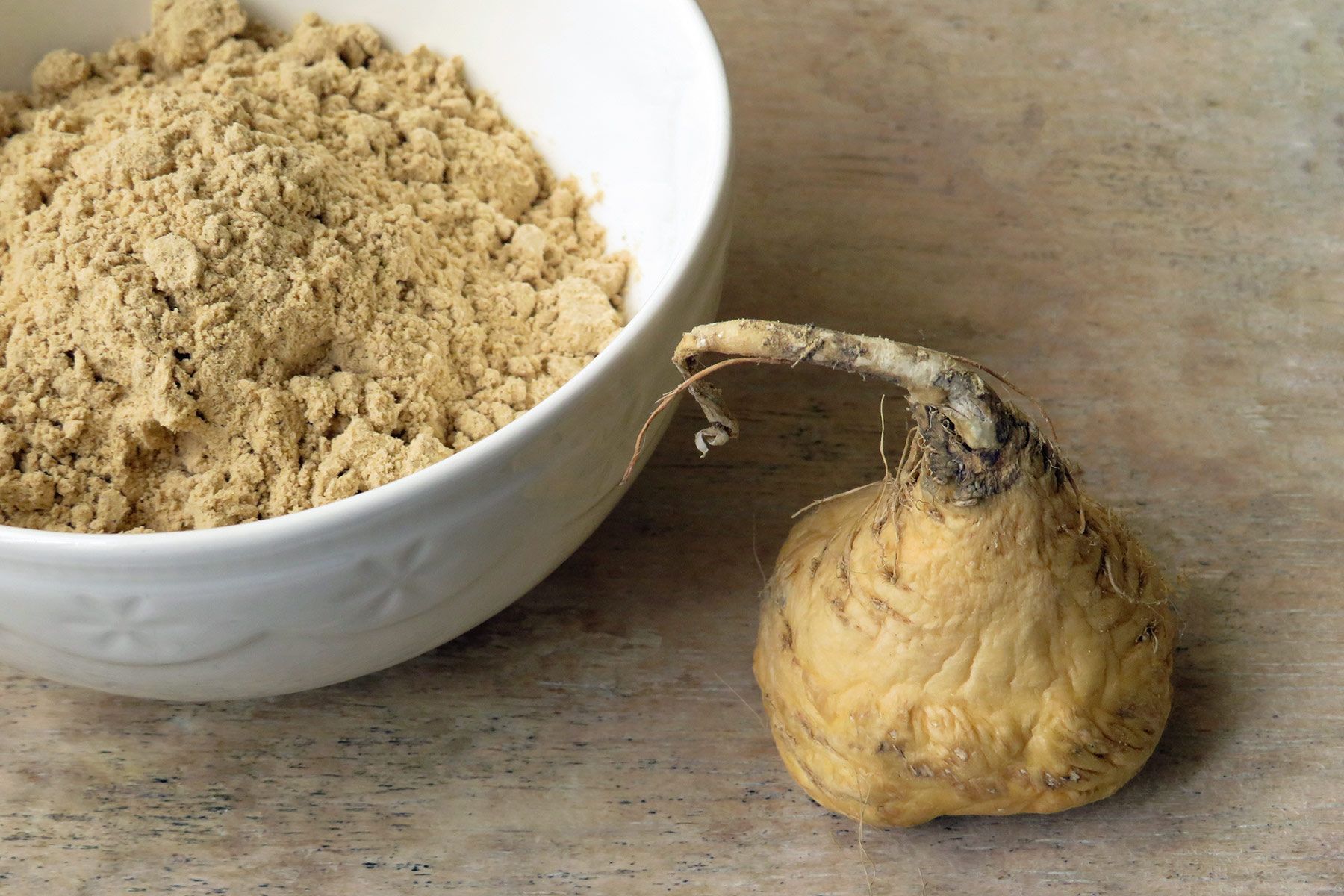
Raw Maca is the root dried and ground into powder. While it preserves all enzymes, it also contains high levels of starch, which can be very difficult for the human digestive system to break down. Many people report bloating or stomach cramps when using raw maca.
Gelatinized Maca is the industry standard for effectiveness in 2026. This process involves heating the maca under pressure to remove the starch content. It does not involve "gelatin" (the animal product) but rather the "gelatinization" of starches. This process makes the active metabolites more concentrated and much easier for the body to absorb. If you are looking for why maca benefits matter in a practical, daily sense, opting for gelatinized powder ensures you are actually digesting and utilizing the compounds you pay for.
Safety, Contraindications, and Usage Guidelines
While maca is generally recognized as safe (GRAS), its potency means it should be used with intention. Because it influences the endocrine system, there are specific groups who should exercise caution.
- Thyroid Conditions: Maca contains goitrogens, substances that can interfere with the normal function of the thyroid gland if consumed in excess, especially in raw form. Those with Hashimoto’s or hyperthyroidism should consult a physician.
- Hormone-Sensitive Cancers: Because maca can mimic or modulate estrogen, individuals with breast, uterine, or ovarian cancer should avoid it unless directed by an oncologist.
- Pregnancy and Breastfeeding: While traditionally eaten by pregnant women in the Andes, there is insufficient modern clinical data to guarantee safety for these groups in high supplemental doses.
For the average user, starting with a small dose—roughly 1.5 to 3 grams (about half a teaspoon)—is recommended. It is often best taken in the morning, as its energy-boosting effects might interfere with sleep if taken too late in the evening.
Why Maca Benefits Matter for Cognitive Longevity
As we look at the health trends of 2026, neuroprotection has become a top priority. Black maca, in particular, has emerged as a significant ally in the fight against age-related cognitive decline. Research suggests that the macaenes found in the root may help protect neurons from oxidative damage. By improving blood flow to the brain and stabilizing glucose levels, maca helps maintain the "mental stamina" required for complex problem-solving and memory retention. This makes the benefits of maca peruana matter not just for physical health, but for maintaining a sharp, functional mind as we age.
FAQ: Common Questions About Maca Peruana
How long does it take to feel the benefits of maca?
Maca is not an "instant fix" like a pharmaceutical stimulant. Most users begin to notice an improvement in energy and mood within 2 to 3 weeks of consistent daily use. Hormonal benefits, such as cycle regulation or libido enhancement, typically require 6 to 12 weeks of steady supplementation to manifest fully.
Does maca cause weight gain?
Maca itself is low in calories. However, because it can balance hormones and improve thyroid function in some individuals, it may lead to changes in body composition. Some users report an increase in "curves" due to its effect on estrogen balance, while others find that the increased energy helps them lose weight through more active lifestyles.
Can I take maca every day?
Yes, maca is intended for daily use. However, many herbalists recommend "pulsing" the supplement—taking it for six days and resting on the seventh, or taking it for three months and taking a one-week break. This prevents the body from becoming too desensitized to its adaptogenic effects.
Is maca safe to take with coffee?
While many people mix maca into their coffee for a "superfood latte," those sensitive to stimulants should be cautious. The combination can be overly stimulating for some, leading to heart palpitations or anxiety. If you find yourself feeling jittery, try moving your maca dosage to a non-caffeinated smoothie or juice.
What is the best way to store maca powder?
Maca is sensitive to light and heat. To preserve the integrity of its delicate macamides and macaenes, store your powder in a cool, dark place, preferably in an airtight, opaque container. If you live in a very humid climate, refrigeration can help extend its shelf life and prevent clumping.
Next Steps for Integrating Maca Into Your Routine
If you are ready to experience why maca peruana benefits matter firsthand, the first step is selecting a high-quality, organic, gelatinized powder or capsule. Start with a low dose to assess your body’s tolerance, and pay close attention to the variety (Yellow, Red, or Black) that aligns with your specific health goals. For the best results, incorporate maca into a lifestyle that already prioritizes whole foods, adequate sleep, and regular physical activity. By providing your endocrine system with the adaptogenic support it needs, maca serves as a powerful foundation for a more resilient and energized version of yourself.
Image Gallery