Spider Man Home Memes: A Cultural Snapshot of the Digital Age
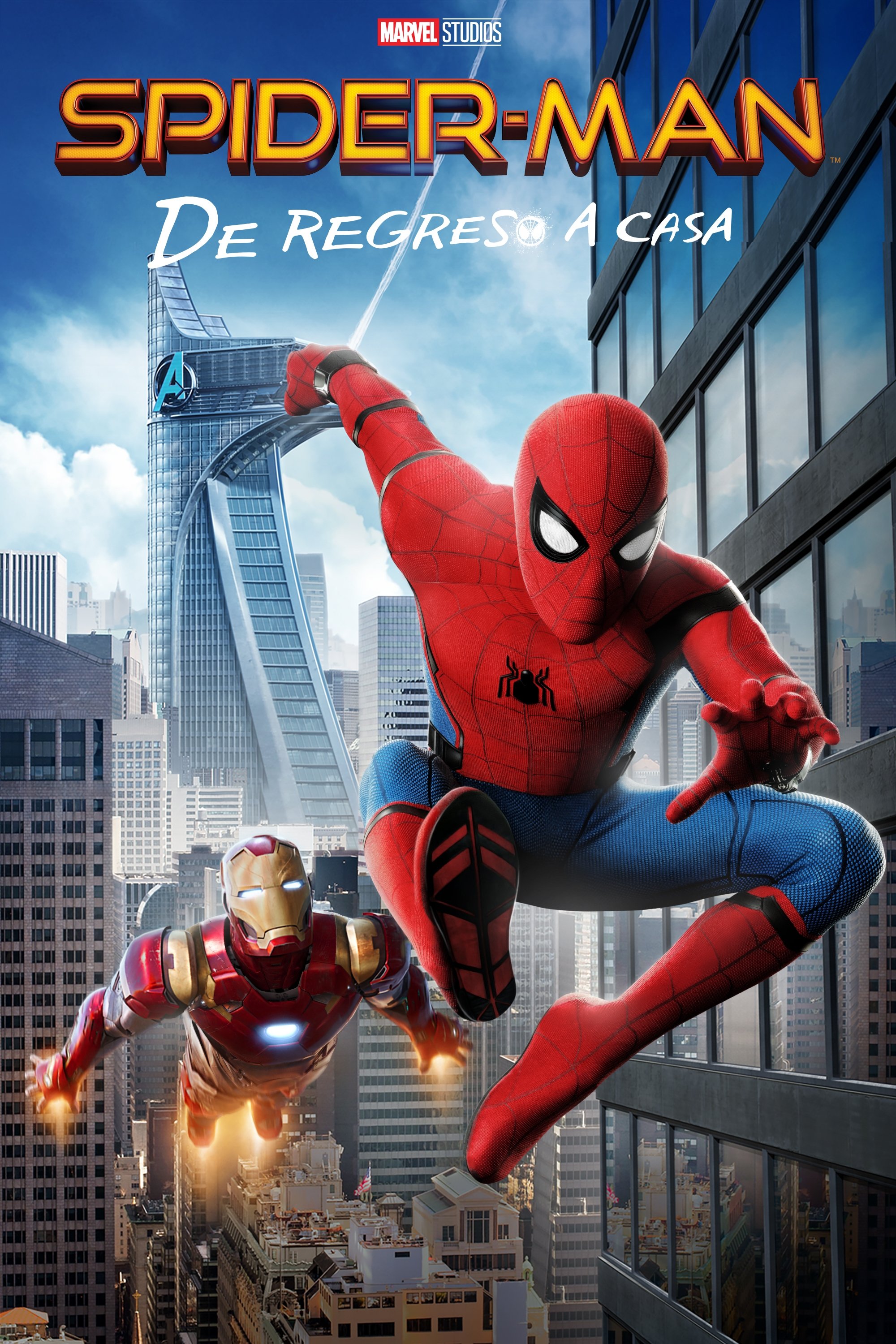
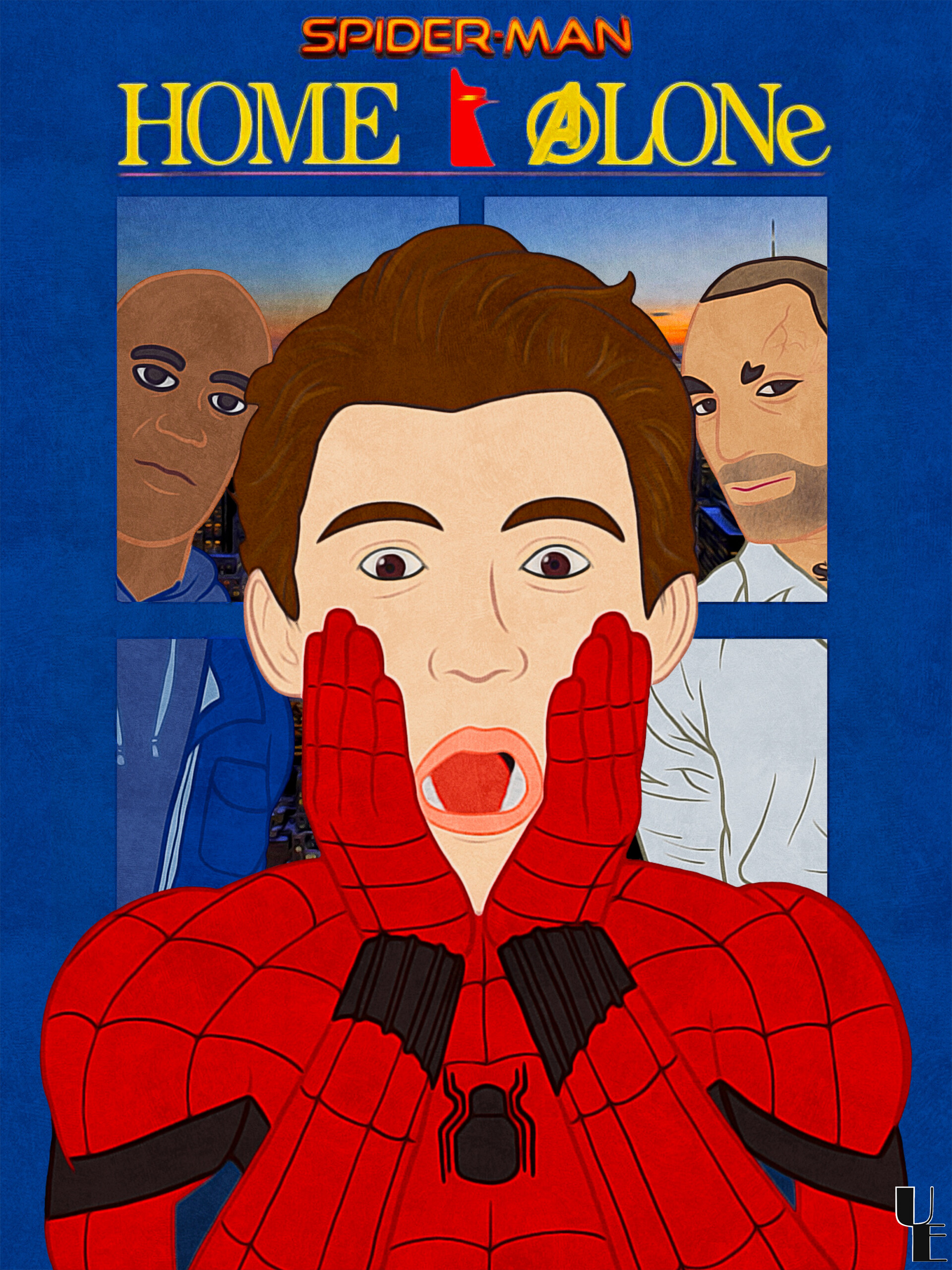
The "Spider-Man Home" trilogy—comprising Homecoming, Far From Home, and No Way Home—represents a unique intersection of blockbuster cinema and internet folklore. These films did more than break box office records; they generated a vast...
The "Spider-Man Home" trilogy—comprising Homecoming, Far From Home, and No Way Home—represents a unique intersection of blockbuster cinema and internet folklore. These films did more than break box office records; they generated a vast lexicon of "Home" memes that serve as a cultural snapshot of how audiences consume, remix, and immortalize modern media through digital humor.
Contents
The Evolution of Spider-Man in the Meme Landscape
To understand the cultural snapshot provided by Spider-Man "Home" memes, one must first recognize the character’s long-standing relationship with internet culture. Spider-Man has been a "meme-able" entity since the early 1960s animation and the Sam Raimi trilogy of the early 2000s. However, the Marvel Cinematic Universe (MCU) "Home" era, concluding its initial run several years ago, transformed these memes from niche jokes into a global language.
As of 2026, we can see that these memes functioned as a bridge between generations. They blended the earnestness of Tom Holland’s Peter Parker with the nostalgic irony of the predecessors. This trilogy didn't just provide content for memes; it actively participated in them, culminating in a meta-narrative where the films and the internet fed off each other’s energy.
The "Homecoming" Era: Relatability and the Captain America PSA
The first installment, Spider-Man: Homecoming (2017), focused on the "friendly neighborhood" aspect of the character. The memes from this era were characterized by teenage awkwardness and the overwhelming presence of the broader MCU.
One of the most enduring memes from this film was the Captain America Fitness Challenge/PSA. In the movie, Steve Rogers appears in dated educational videos shown to high school students. The internet took the "So, you got detained" or "So, you failed" format and applied it to every conceivable real-world disappointment. This meme worked because it captured a specific type of institutional awkwardness that felt universal.
Furthermore, the character of Ned Leeds (Jacob Batalon) provided the "Guy in the Chair" meme. This became a cultural shorthand for the unsung support systems in tech, gaming, and professional environments. These early "Home" memes established the trilogy's tone: grounded, self-aware, and deeply embedded in the mundane aspects of extraordinary lives.
"Far From Home" and the Rise of Global Irony
By the time Spider-Man: Far From Home (2019) was released, the meme landscape had shifted toward more surreal and high-stakes humor. This film, dealing with the aftermath of Avengers: Endgame, introduced Mysterio, a character literally built on illusions and "fake news."
The memes from this era often focused on:
- The "Now this looks like a job for me" energy: Mysterio’s theatricality and the dramatic irony of his "heroism" resonated with an internet culture increasingly skeptical of curated personas.
- Peter’s emotional vulnerability: Scenes of Peter mourning Tony Stark were often recontextualized into humorous "relatable sadness" memes.
- The Post-Credit Shock: The reveal of Peter’s identity by J. Jonah Jameson (reprising his role from the Raimi films) triggered a wave of "JJJ was right" memes, blending nostalgia with the modern era's obsession with viral leaks.
"No Way Home": The Great Meme Convergence
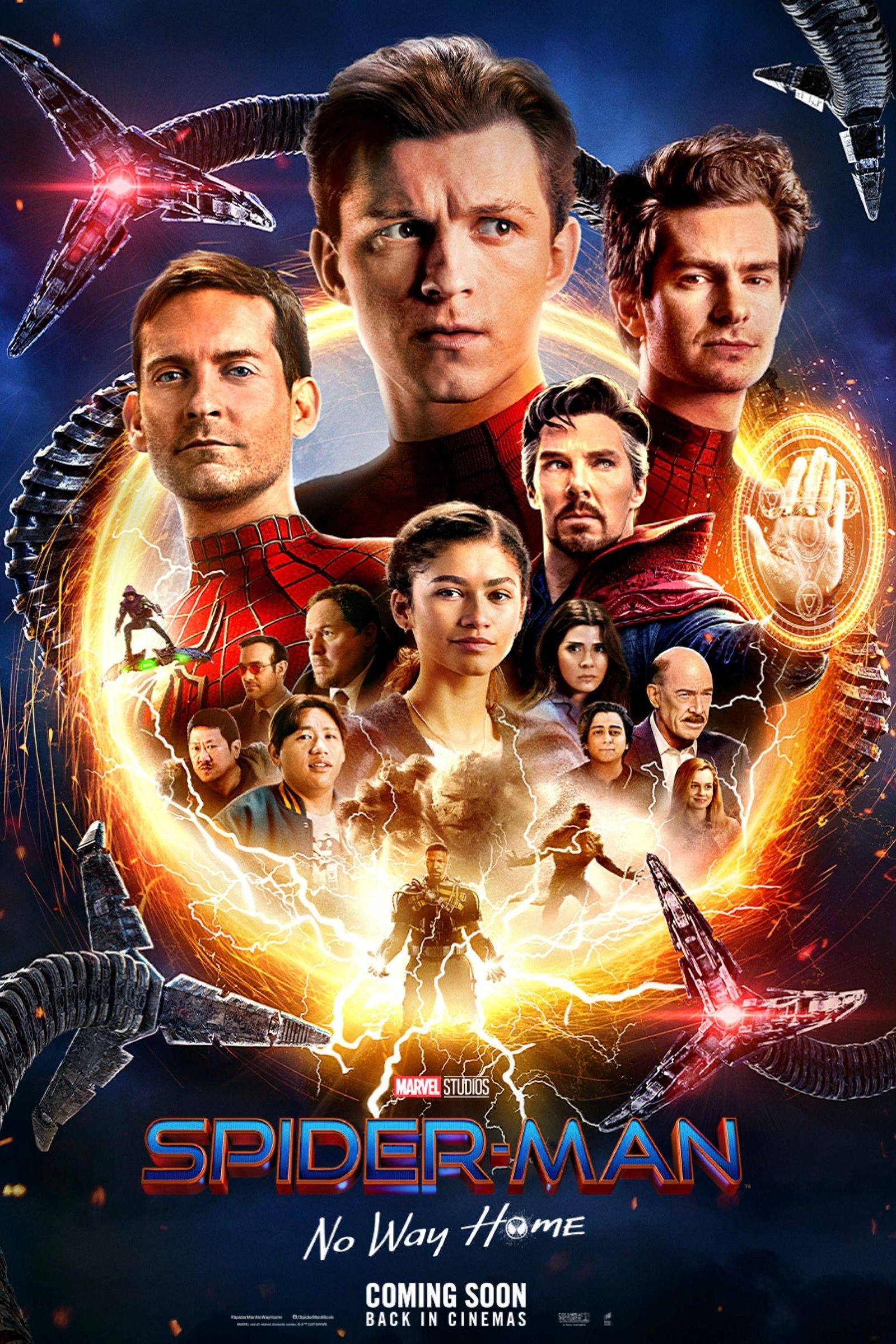
If the first two films were meme-friendly, Spider-Man: No Way Home (2021) was a meme event. This film represented the "Meme Singularity," where decades of internet jokes were officially canonized by a major studio.
The Pointing Meme Realized
For years, a low-quality frame from the 1967 Spider-Man cartoon featuring two Spider-Men pointing at each other was the gold standard of internet templates for hypocrisy or duplication. No Way Home famously recreated this image with Tom Holland, Andrew Garfield, and Tobey Maguire. By doing so, the film acknowledged the meme's cultural power, transforming a piece of internet "trash" into a moment of cinematic triumph.
"I'm Something of a Scientist Myself"
Willem Dafoe’s return as Norman Osborn allowed the internet to revisit one of its favorite legacies. The "I'm something of a scientist myself" meme, originally from 2002, was revitalized. In 2026, this meme remains a staple for anyone offering unsolicited or unqualified advice on social media, demonstrating the cyclical nature of meme culture.
Bully Maguire's Official Shadow
While "Bully Maguire" (a meme persona based on Topher Grace-era Peter Parker's aggressive dancing and attitude) was never explicitly shown, the presence of Tobey Maguire in the "Home" trilogy felt like a nod to this massive subculture. The internet didn't just watch the movie; it looked for "Bully Maguire" energy in every frame, further blurring the line between the filmmaker's intent and the audience's projection.
Cultural Impact and Comparative Significance
The memes of the "Home" trilogy are more than just jokes; they are data points in a cultural shift. They represent a period where fans stopped being passive consumers and became active co-creators of a franchise's identity.
| Meme Category | Origin Film | Cultural Function | Long-term Legacy (as of 2026) |
|---|---|---|---|
| The PSA Lesson | Homecoming | Satirizing authority figures | Used in corporate and educational training modules. |
| The Pointing Spidery | No Way Home | Highlighting duplication/hypocrisy | The universal symbol for "same energy." |
| Guy in the Chair | Homecoming | Celebrating support roles | Foundational slang in the IT and gaming sectors. |
| Hello, Peter | No Way Home | Hype and anticipation | Used to signal the arrival of a long-awaited event. |
| "I Miss Him" | Far From Home | Expressing parasocial grief | A template for reacting to celebrity or fictional departures. |
Why "Spider-Man Home" Memes Persist
The persistence of these memes into 2026 can be attributed to the "Spider-Man Everyman" archetype. Unlike the god-like status of Thor or the billionaire brilliance of Iron Man, Peter Parker’s struggles are mundane: paying rent, balancing social lives, and making mistakes.
This relatability is the engine of memetics. A meme is most successful when it can be stripped of its original context and applied to a user's personal life. The "Home" trilogy, by focusing on Peter's high school and young adult years, provided a wealth of "struggle" templates that the internet continues to use to navigate the complexities of modern life.
The Role of Marketing and "Meme-Baiting"
Critics and internet sociologists often debate whether the "Home" memes were organic or the result of "meme-baiting"—the practice of studios intentionally inserting moments they know will go viral.
In the case of No Way Home, the inclusion of the pointing meme and specific lines of dialogue suggests a high degree of awareness. This represents a landmark in film history: a $200 million production taking cues from anonymous internet users. In 2026, this is now a standard marketing strategy for major franchises, but the "Home" trilogy was a pioneer in making this interaction feel like a celebration rather than a cynical cash-grab.
FAQ: Understanding the "Home" Meme Legacy
Which "Home" trilogy meme is the most popular of all time?
While popularity fluctuates, the "Spider-Man Pointing" recreation from No Way Home is widely considered the most significant. It bridged the gap between a 1960s cartoon, a 2010s internet meme, and a 2020s cinematic event, making it a masterpiece of cross-generational communication.
Did the memes actually help the movies' box office performance?
Yes. The "Home" trilogy benefited immensely from "hype cycles" driven by memes. Specifically, the months leading up to No Way Home were dominated by memes speculating on the return of previous Spider-Men. This organic (and semi-guided) marketing created a level of anticipation that traditional trailers could not achieve alone.
Why do people call it the "Home" trilogy in memes?
Fans and the media adopted the "Home" moniker because each title—Homecoming, Far From Home, and No Way Home—contains the word. This consistent naming convention made it easier to categorize the memes and distinguish this version of Peter Parker from the Raimi or Webb iterations.
Are "Bully Maguire" memes part of the "Home" trilogy?
Technically, "Bully Maguire" originates from Spider-Man 3 (2007). However, the meme saw a massive resurgence and integration into the "Home" trilogy's cultural footprint when Tobey Maguire returned in No Way Home. Fans often edit "Bully Maguire" into scenes from the MCU to create comedic "What If?" scenarios.
How have these memes changed since the trilogy ended?
By 2026, these memes have become "vintage" or "classic" templates. They are no longer about the shock of the movies themselves but are used as standard tools for daily communication. They have transitioned from being "news" to being part of the internet's "permanent infrastructure."
Final Perspective: More Than Just a Joke
As we look back at the "Spider-Man Home" memes in 2026, we see a digital tapestry that captured the anxieties, joys, and nostalgia of a generation. These images and videos provided a way for people to connect over shared cinematic experiences in an increasingly fragmented digital world.
The "Home" memes proved that a movie's life doesn't end when the credits roll; instead, it enters a secondary, immortal life on our screens, in our group chats, and in the collective consciousness of the internet. For researchers and fans alike, these memes remain the most accurate cultural snapshot of the early 2020s film landscape.
Image Gallery