Understanding the Bloodywood Language: A Deep Dive into the Linguistic and Cultural Fusion of Indian Folk Metal
Understanding the Bloodywood language requires recognizing a trilingual blend of Hindi, Punjabi, and English, interwoven with traditional Indian folk idioms and aggressive metal delivery. By utilizing "Hinglish" and regional dialects,...
Understanding the Bloodywood language requires recognizing a trilingual blend of Hindi, Punjabi, and English, interwoven with traditional Indian folk idioms and aggressive metal delivery. By utilizing "Hinglish" and regional dialects, the band bridges the gap between ancient Eastern storytelling and modern Western social activism, making their message accessible to a global audience.
Contents
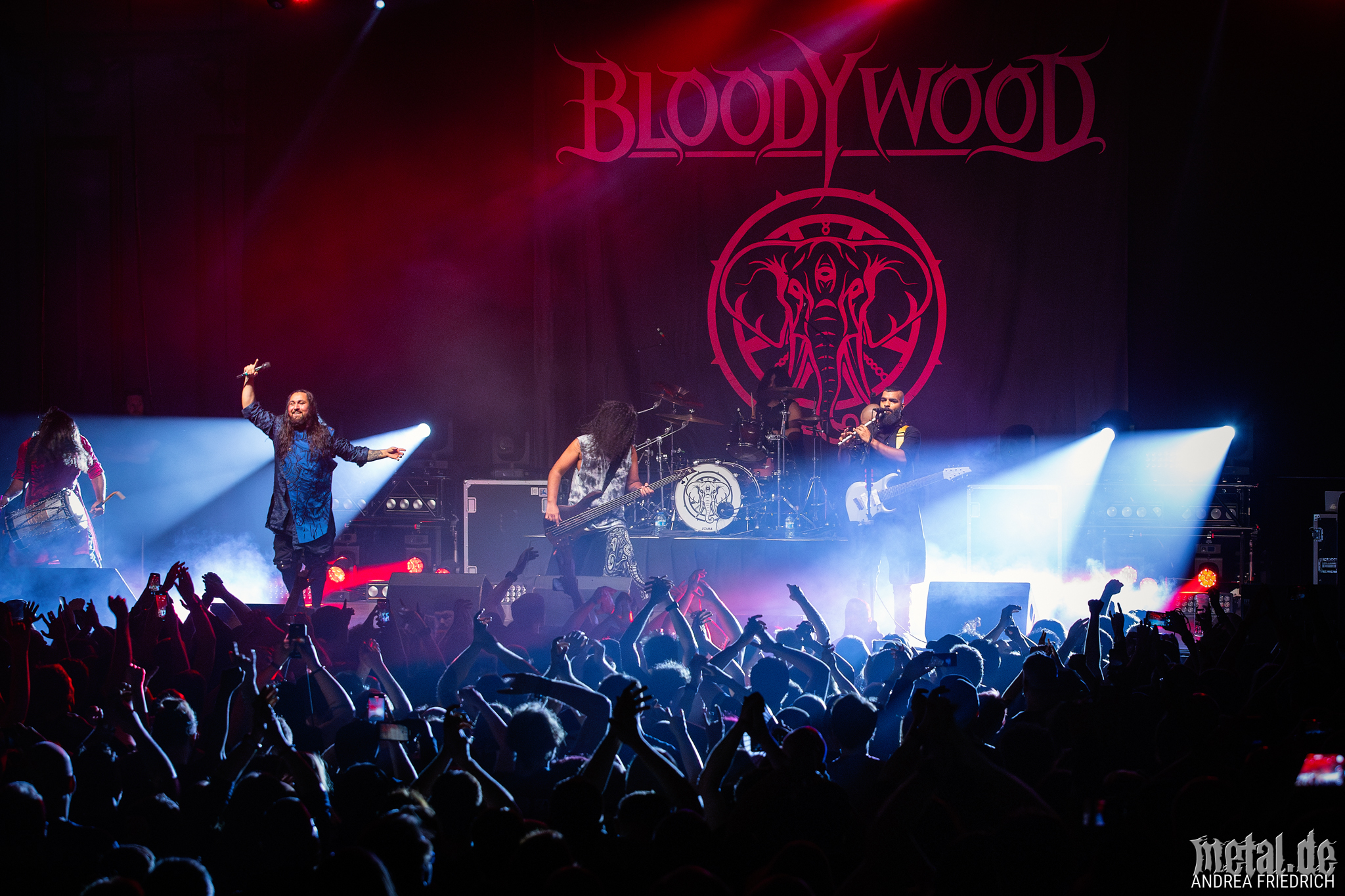
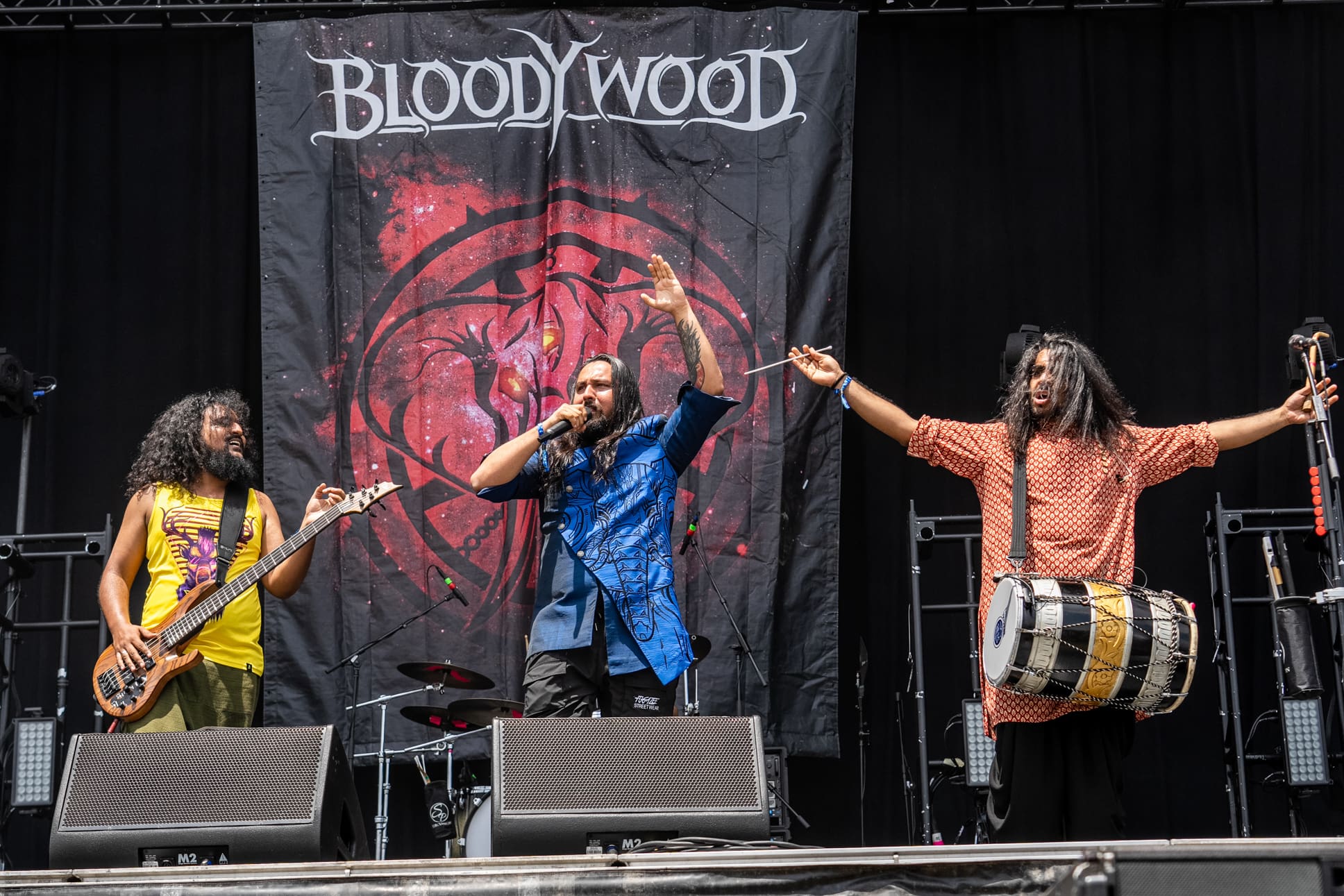
Bloodywood has transitioned from a viral YouTube parody project into a global heavy metal powerhouse. Their sound is a complex tapestry where traditional Indian folk instruments—such as the dhol, tumbi, and flute—clash and harmonize with down-tuned guitars and heavy percussion. However, the most striking element of their identity is their linguistic diversity. For a listener unacquainted with the Indian subcontinent's linguistic landscape, the shift between guttural growls, rhythmic rap, and melodic folk can be overwhelming. To truly understand the "Bloodywood language," one must look at the specific roles each tongue plays within their discography.
The Trilingual Foundation: Hindi, Punjabi, and English
Bloodywood’s lyrical structure is rarely monolithic. Instead, they employ a technique known as code-switching, moving fluidly between three primary languages to serve different emotional and narrative purposes.
1. English: The Universal Bridge
Raoul Kerr, the band’s rapper, primarily performs in English. His role is often that of the narrator or the social commentator who speaks directly to the global "metalhead" community. By using English, the band ensures that their core messages—regarding mental health, political corruption, and unity—are immediately understood by international audiences. The English lyrics often provide the intellectual framework of the song, setting the stage for the more visceral emotional outbursts found in the Indian dialects.
2. Hindi: The Narrative Core
Jayant Bhadula’s vocals often utilize Hindi, the most widely spoken language in India. Hindi serves as the bridge between the urban modernism of the band’s rap sections and the ancient feel of the folk sections. In songs like "Gaddaar," Hindi is used to deliver sharp, stinging critiques of political manipulation. The phonetic structure of Hindi, with its mix of soft vowels and hard consonants, allows for a versatile vocal range that can transition from soulful singing to aggressive shouting.
3. Punjabi: The Energy and the Folk Root
Punjabi is the language of the "Bhangra" rhythm, and it provides the raw, percussive energy that defines Indian folk metal. Many of Bloodywood’s most anthemic choruses, such as those in "Ari Ari," are rooted in Punjabi. Historically, Punjabi folk music is known for its high-energy, celebratory, and often defiant tone. In the context of metal, the rhythmic cadences of Punjabi naturally align with the "groove" of the drums and guitars, providing a sense of momentum and "Bhasad" (a chaotic, high-energy mess).
Deciphering Key Terms and Cultural Idioms
To understand Bloodywood, you must understand the specific slang and cultural concepts they frequently reference. These terms are often untranslatable in a single English word but carry immense weight in their songs.
- Bhasad: Used in the hit "Machi Bhasad," this term literally translates to a "mess" or "chaos." In the band's context, it refers to creating a riotous, high-energy disturbance against the status quo. It is a call to action through noise and movement.
- Gaddaar: This means "traitor." When used in their lyrics, it specifically targets those who betray the trust of the common people for personal or political gain. It carries a heavy emotional weight in South Asian history.
- Veerey: Found in "Jee Veerey," this means "Brother" or "Brave one." It is a term of endearment and empowerment. The song is a tribute to those battling depression, and the language used is one of kinship and shared struggle.
- Rakshasa: Often translated as "demon" or "monster," this term from Indian mythology is used by the band to describe both external societal evils and internal mental struggles.
The Role of Non-Verbal Language: Folk Instrumentation
In Bloodywood’s compositions, the instruments speak as loudly as the vocalists. To understand their language is to understand the "voice" of the folk elements.
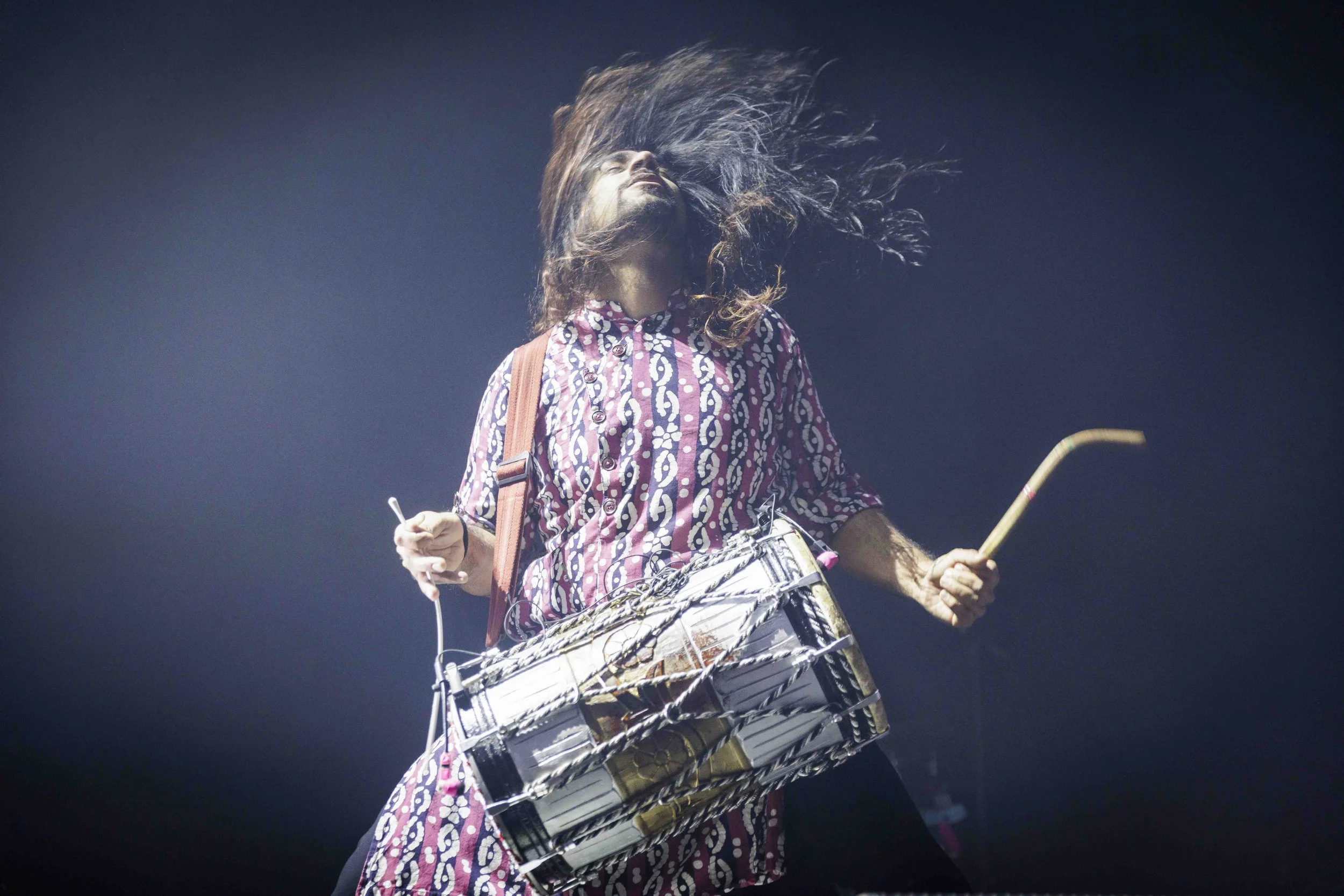
The Dhol (a large double-sided drum) provides the heartbeat of the songs. In Punjabi culture, the dhol is the instrument of the harvest and celebration; in Bloodywood's hands, it becomes a war drum. The Tumbi (a single-stringed instrument) provides a high-pitched, rhythmic "ping" that often acts as a counterpoint to the heavy guitar riffs. Finally, the Indian Flute (Bansuri) often represents the "soul" or the emotional vulnerability of the track, frequently appearing during melodic bridges or intros to provide a haunting, ethereal contrast to the aggression.
Comparative Analysis of Linguistic Styles in Bloodywood Tracks
| Song Title | Primary Languages | Core Theme | Linguistic Function |
|---|---|---|---|
| Ari Ari | Punjabi, Hindi, English | Unity & Friendship | Uses Punjabi folk hooks to create a sense of communal celebration. |
| Jee Veerey | Hindi, English | Mental Health | Employs English for technical empathy and Hindi for deep emotional resonance. |
| Gaddaar | Hindi, English | Political Corruption | Uses aggressive Hindi delivery to signify anger and English to explain systemic issues. |
| Dana Dan | Hindi, English | Sexual Assault / Justice | Rapid-fire "Hinglish" rap creates a sense of urgency and fury. |
| Machi Bhasad | Hindi, Punjabi, English | Social Revolution | Focuses on slang (Bhasad) to unify the listener under a banner of rebellion. |
How the "Language Barrier" Enhances the Experience
One might assume that not speaking Hindi or Punjabi would be a barrier to enjoying Bloodywood. However, within the metal genre, the "language of emotion" often transcends literal translation. The guttural intensity Jayant brings to the Punjabi sections communicates defiance and pain regardless of whether the listener understands the specific syntax.
Furthermore, the band’s use of English rap as a "narrator" provides a roadmap for the listener. By the time the song shifts into a traditional Indian dialect, the listener already understands the context. This creates a unique psychological effect where the "foreign" language feels familiar because the emotional groundwork has been laid in English. This dual-layered approach is why Bloodywood has been able to sell out tours in Europe and North America despite a significant portion of their lyrics being in South Asian tongues.
Phonetic Impact: Why Indian Languages Suit Heavy Metal
There is a technical reason why the Bloodywood language works so well within the metal framework. Hindi and Punjabi are phonetically rich, featuring a wide variety of retroflex and aspirated consonants (sounds like 'dh', 'th', 'gh', and 'bh').
These sounds require a forceful expulsion of air, which naturally complements the "barking" and "growling" vocal styles of heavy metal. Additionally, the rhythmic nature of Indian classical music (specifically the concept of Taal) is incredibly mathematical and complex. When this is mapped onto metal’s "poly-rhythms," the result is a linguistic and musical syncopation that feels both exotic and intensely familiar to fans of progressive or nu-metal.
Frequently Asked Questions
Is Bloodywood singing in "Hinglish"?
Yes, in many tracks, the band utilizes Hinglish, which is a hybrid of Hindi and English. This is a common way of speaking in urban India (like New Delhi, where the band is from) and allows them to utilize the technical vocabulary of English alongside the emotional depth of Hindi.
Do I need to know Indian history to understand their lyrics?
While not strictly necessary, having a basic understanding of India's social challenges—such as the caste system, political polarization, and the stigma surrounding mental health—provides a much deeper appreciation for their "language." Their lyrics are often a direct response to these specific local issues, which they then extrapolate into universal human experiences.
What is the meaning of the band name "Bloodywood"?
The name is a satirical take on Bollywood, the Mumbai-based film industry. By adding "Bloody," the band signals a departure from the polished, often superficial glitz of mainstream Indian pop culture, opting instead for a raw, aggressive, and "bloody" reality.
Why do they use Punjabi if they are from Delhi?
Delhi has a massive Punjabi-speaking population due to historical migrations. In the Indian music scene, Punjabi is often considered the "language of rock and roll" because of its high energy and percussive nature. For Bloodywood, it is a natural part of their local cultural environment.
Where can I find translations for Bloodywood songs?
The band is very conscious of their international fan base. Most of their official music videos on YouTube include high-quality English subtitles that translate the Hindi and Punjabi sections while preserving the poetic intent and cultural context.
Has their language evolved over time?
Yes. In their early "pop goes metal" days, the language was simpler and focused on parody. As of 2026, their linguistic approach has become much more sophisticated, incorporating classical poetic structures and more intense social commentary, reflecting their growth as serious artists.
Final Recommendation for New Listeners
To truly master "understanding the Bloodywood language," start by watching their music videos with the CC (Closed Captions) turned on. Pay close attention to the transition points—the moment the English rap gives way to a Hindi growl or a Punjabi folk melody. You will notice that the band isn't just translating words; they are shifting perspectives. The English represents the "Logical Mind" analyzing the world, while the Indian dialects represent the "Primal Soul" reacting to it. By embracing both, you gain a full-spectrum experience of one of the most innovative sounds in modern metal.
Image Gallery