Term Life Insurance Coverage in Beverly Hills: A Guide to High-Limit Policies & Planning
Term life insurance in Beverly Hills provides high-limit, fixed-period financial protection tailored to high-net-worth individuals, corporate executives, entertainment industry professionals, and business owners. Policies range from $1...
Term life insurance in Beverly Hills provides high-limit, fixed-period financial protection tailored to high-net-worth individuals, corporate executives, entertainment industry professionals, and business owners. Policies range from $1 million to over $25 million, serving critical functions such as income replacement, jumbo mortgage protection, business buy-sell funding, and temporary estate liquidity under California insurance regulations.
Contents
Understanding Term Life Insurance for Affluent Policyholders
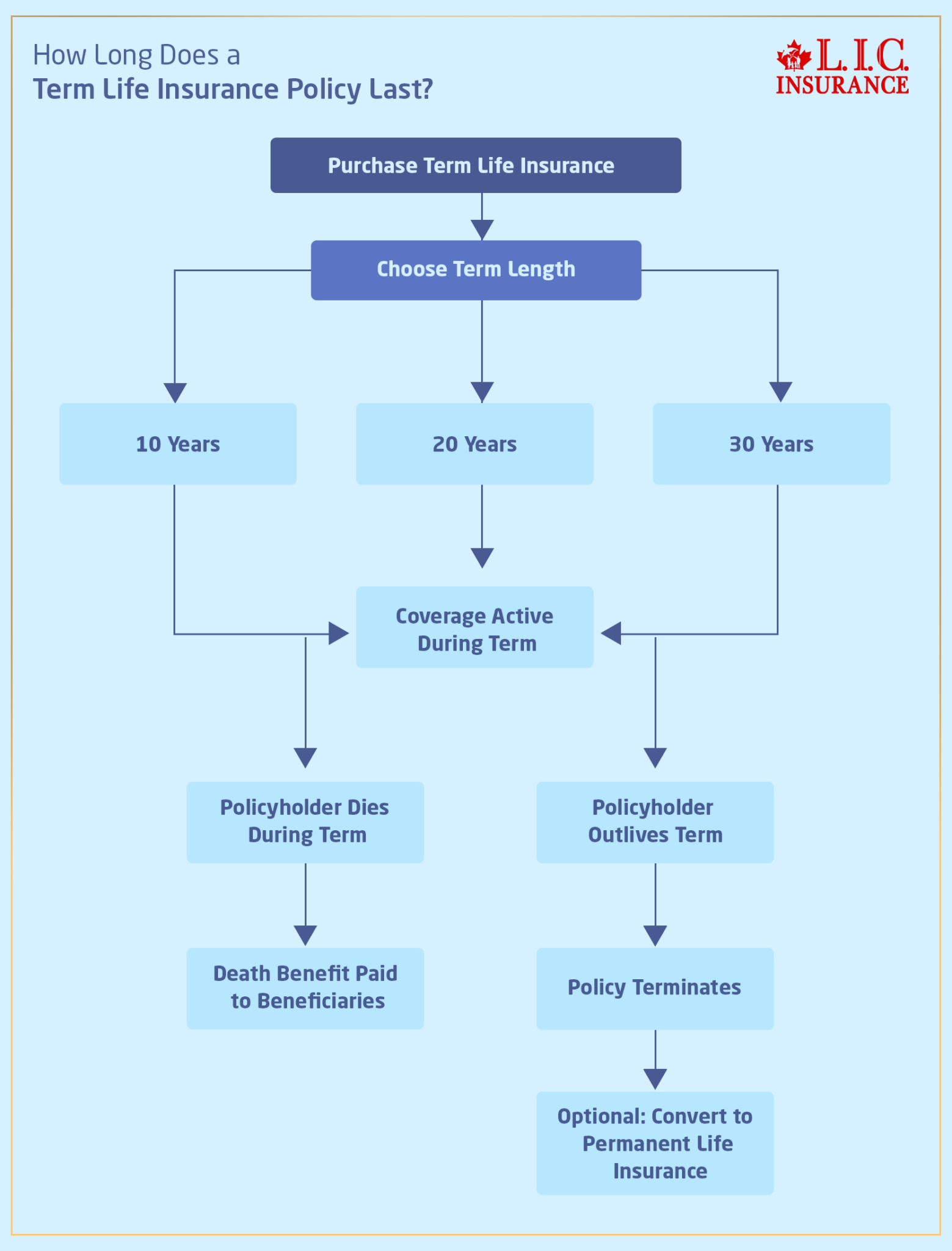
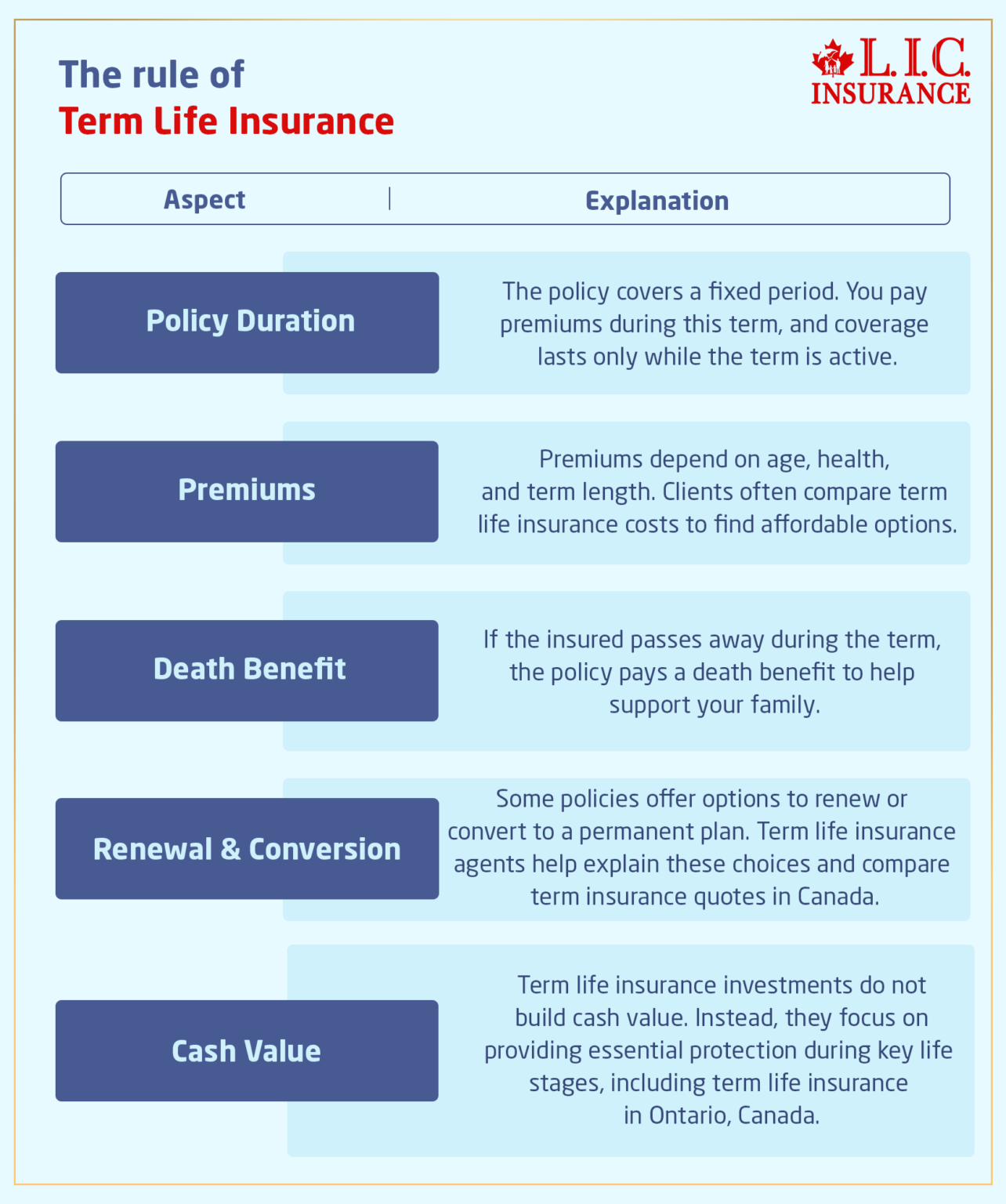
Term life insurance provides financial protection for a specific timeframe—typically 10, 15, 20, 25, or 30 years. If the insured passes away during the policy term, the insurer pays a tax-free death benefit to the designated beneficiaries. Unlike permanent life insurance policies (such as whole life or universal life), term insurance contains no cash value accumulation component. Every dollar of premium funds pure mortality protection, making it an extraordinarily cost-effective vehicle for securing maximum coverage during peak financial liability years.
In high-value markets like Beverly Hills (covering ZIP codes 90210, 90211, and 90212), the rationale for term life insurance extends beyond standard consumer needs. While typical national coverage amounts average between $250,000 and $500,000, affluent individuals in Southern California frequently secure multi-million-dollar policies—commonly referred to as jumbo or ultra-high-capacity life insurance.
These high-limit policies fulfill distinct strategic purposes:
- Jumbo Mortgage Securitization: Premier residential real estate in Beverly Hills frequently involves significant debt financing. A high-limit term policy guarantees that a surviving spouse or family can pay off multi-million-dollar real estate encumbrances without being forced to liquidate assets quickly in unfavorable market conditions.
- High-Earner Income Replacement: Professionals in private equity, specialized medical practices, entertainment management, law, and venture capital often generate substantial annual income. Term insurance replaces this earning capacity over a 10- to 20-year period, ensuring that surviving dependents maintain their standard of living, elite educational access, and wealth-building trajectory.
- Business Continuity and Key Person Coverage: Local enterprise owners utilize term coverage to fund buy-sell agreements, secure commercial credit lines, and protect against the financial disruption caused by the loss of a key executive or founder.
- Temporary Estate Tax Liquidity: Wealthy families undergoing estate planning often use term insurance as an interim buffer while lifetime gifting, charitable trusts, or permanent insurance trusts are being structured.
Key Use Cases for Jumbo Term Coverage in Beverly Hills
1. Real Estate & Debt Protection
With median home prices in Beverly Hills exceeding national averages by a wide margin, property acquisitions often involve specialized private banking loans or jumbo mortgages ranging from $3 million to over $15 million. Carrying large personal liabilities into unpredictable economic cycles introduces leverage risk for heirs. A term life policy matching the duration of the underlying loan amortizes this risk, allowing surviving family members to retain primary residences or investment properties without servicing high monthly mortgage payments.
2. Business Buy-Sell Agreements & Key Executive Protection
Beverly Hills is a hub for boutique legal practices, wealth management firms, medical groups, talent agencies, and real estate brokerages. In multi-owner entities, partner death can trigger sudden corporate instability.
By utilizing a cross-purchase or entity-purchase buy-sell agreement funded by term life insurance, surviving partners receive dedicated liquidity to buy out the deceased partner’s equity from their estate at a predetermined valuation. This prevents surviving family members from becoming unwanted business partners while guaranteeing the estate receives fair market value promptly.
3. Key Person Insurance & Lender Requirements
Commercial lenders issuing significant business loans or real estate lines of credit routinely require "key person" life insurance assigned as collateral. If a founder or essential revenue generator dies, the insurance proceeds pay down the debt balance directly, keeping the commercial enterprise solvent.
Underwriting Standards for High-Capacity Policies
Obtaining a $5 million to $25 million+ term life insurance policy involves rigorous evaluation processes. Life insurance carriers divide their review into two main disciplines: medical underwriting and financial underwriting.
- Financial Evaluation
- W-2 / 1099 & Tax Returns (Form 1040)
- CPA-Audited Net Worth Statement
- Verification of Liabilities & Active Coverage
- Medical & Clinical Assessment
- Paramedical Exam (Blood/Urine/EKG)
- Attending Physician Statements (APS)
- Specialized Medical Screening (Cardiac/Cognitive)
- Specialized Risk Evaluation
- Private Aviation & Stunt/Production Audits
- Foreign Travel & Residency Profiles
- Carrier Capacity & Reinsurance Placement
- Primary Carrier Retention Limits
- Reinsurance Treaty Allocation & Binding
Financial Underwriting & Capacity Limits
Insurers will not issue life insurance simply because an applicant can afford the premium. The coverage amount must align strictly with quantifiable financial loss. Underwriting guidelines establish maximum multiplier multiples based on age and earned income:
- Ages 18–40: Up to 20x–30x annual earned income.
- Ages 41–50: Up to 15x–20x annual earned income.
- Ages 51–60: Up to 10x–15x annual earned income.
- Ages 61–70: Up to 5x–10x annual earned income (often shifting to net-worth preservation metrics).
For unearned income or asset-based protection (estate preservation), carriers typically allow 50% to 100% of net worth to be covered, depending on age and anticipated estate growth. Applicants requesting over $5 million must provide detailed financial documentation, including:
- CPA-Certified Financial Statements: A balance sheet detailing assets (real estate, liquid investments, private equity) and liabilities.
- Tax Returns: Personal income tax returns (IRS Form 1040) and business returns (Forms 1120S or 1065) for the preceding 2–3 years.
- Third-Party Inspection Reports: Independent background and financial verification conducted via professional reporting agencies.
Medical Underwriting for Large Face Amounts
For policies over $3 million, carriers mandate comprehensive medical exams. The process typically includes:
- A physical examination by a licensed paramedical examiner.
- Blood chemistry panels (lipid profile, kidney/liver function, fasting glucose, HbA1c).
- Urinalysis (screening for protein, glucose, cotinine/nicotine, and controlled substances).
- Resting Electrocardiogram (ECG/EKG) or stress ECG for older applicants or higher face amounts.
- Attending Physician Statements (APS) collected from primary care providers and medical specialists.
Specialized Risk Factors in Southern California
Applicants involved in specialized professions or high-profile lifestyles face tailored underwriting reviews:
- Entertainment Industry & Stunt Work: Actors, stunt performers, and directors active on production sets may require specialized riders or rating exclusions if high-risk activities are disclosed.
- Private Aviation: Executives or high-net-worth individuals who pilot private aircraft must submit an aviation questionnaire detailing flight hours, pilot certifications, and instrument ratings.
- Foreign Travel: High-net-worth individuals who travel frequently to developing nations or geopolitically volatile regions may face underwriting restrictions or foreign travel exclusions based on carrier guidelines.
Regulatory Oversight and California Legal Protections
Life insurance contracts issued in Beverly Hills are governed by the State of California and overseen by the California Department of Insurance. California law grants policyholders critical consumer protections:
California 30-Day Free-Look Period
Under California Insurance Code Section 10127.10, individual life insurance policies delivered in California provide a mandatory "free-look" period of 30 days. Policyholders have the right to review the policy contract after delivery. If they elect to cancel the policy for any reason within this 30-day window, the insurer must refund all premiums paid, canceling the contract retroactively.
Incontestability Clause
Pursuant to California Insurance Code Section 10113.5, after a life insurance policy has been in force during the lifetime of the insured for two years from its date of issue, the contract becomes incontestable. Except for nonpayment of premiums, the insurance company cannot void the policy or deny a claim based on misstatements or omissions in the initial application after this two-year window expires.
Disclaimer: Life insurance structuring involves state-specific insurance regulations and federal tax codes. Readers should consult with licensed life insurance professionals, certified public accountants (CPAs), and estate attorneys for individualized guidance.
Comparing Term Life Insurance Options for Affluent Policyholders
Selecting the appropriate term policy structure depends on coverage size, purpose, and required flexibility. The table below outlines standard categories for high-capacity coverage.
| Policy Category | Face Amount Range | Primary Target Use Case | Financial Documentation Required | Essential Policy Features |
|---|---|---|---|---|
| Standard High-Limit | $1,000,000 – $3,000,000 | Income replacement, mid-tier mortgage protection, debt coverage | Standard income verification (W-2/1099), application questions | Conversion rights, accelerated death benefit riders |
| Jumbo Term | $3,000,001 – $10,000,000 | High-earner income preservation, jumbo residential real estate | CPA net worth verification, 2 years tax returns, inspection report | Guaranteed conversion options, international travel flexibility |
| Super-Jumbo / Capacity Term | $10,000,001 – $50,000,000+ | Estate tax buffer, complex business buyouts, multi-generational liquidity | Full CPA-audited financial suite, corporate tax filings, reinsurance review | Multi-carrier syndication, split-dollar options, custom conversion |
| Key Person / Corporate Term | $2,000,000 – $20,000,000+ | Business loan collateral, executive loss mitigation, partner buyout | Corporate financial statements, board resolutions, buy-sell agreement | Absolute assignment capability, transfer-of-of-insured riders |
Strategic Policy Features and Conversion Mechanics
The Strategic Value of Term Conversion Riders
One of the most valuable provisions in a quality term life insurance policy is the Term Conversion Rider. This feature allows the policyholder to convert all or a portion of their term insurance policy into a permanent life insurance policy (such as Whole Life or Universal Life) without submitting to medical underwriting or proving insurability again.
- INITIAL TERM POLICY
- Issued at preferred health classification
- Low initial annual premium
- Health Change / Event During Term Window
- CONVERSION EXECUTION (No Medical Exam Required)
- Exercised prior to conversion expiration age (e.g., Age 65–70)
- Policy converts to Permanent Coverage (Whole Life / Universal Life)
- Retains ORIGINAL underwriting health class regardless of current health
Why Conversion Options Matter:
- Health Status Protection: If a policyholder develops an uninsurable medical condition (e.g., cancer diagnosis, cardiac event) during the term period, they can convert their term policy into permanent coverage. The insurer is legally required to issue the permanent policy at the health classification assigned when the original term policy was underwritten.
- Evolving Wealth and Estate Tax Needs: An individual may initially buy a 20-year term policy to cover a mortgage. As their net worth scales over time, their estate may become subject to federal estate tax obligations. Conversion rights allow them to transition pure term coverage into permanent wealth-preservation policies without undergoing new medical exams.
Policy Ownership and Federal Estate Tax Considerations
How a high-limit term policy is owned can significantly impact federal tax liabilities. Under Section 2042 of the Internal Revenue Code, if the insured holds any "incidents of ownership" in a life insurance policy at the time of death, the full death benefit proceeds are included in the insured’s gross estate for federal estate tax purposes.
To prevent high-limit death benefits from increasing an estate tax liability, wealthy individuals in California frequently structure policy ownership through an Irrevocable Life Insurance Trust (ILIT):
- ILIT Ownership Structure: The trust is designated as both the owner and the beneficiary of the term life insurance policy. Upon the insured's death, the proceeds are paid directly into the trust tax-free.
- Liquidity Distribution: The trustee can use policy proceeds to purchase assets from the grantor's estate or lend cash to the estate, providing the liquid capital required to settle federal estate taxes, state debts, or administrative costs without liquidating real estate or closely held business assets.
Detailed guidelines on federal estate tax rules and trust reporting requirements can be verified directly through the Internal Revenue Service.
Common Pitfalls to Avoid in High-Limit Term Coverage
1. Inadequate Conversion Expiration Windows
Not all term conversion riders are created equal. Some insurance carriers allow conversion across the full duration of the term contract (e.g., up to 20 years), while others restrict conversion to the first 5 or 10 years, or up to a specific age limit (such as age 65). Allowing a conversion window to lapse eliminates the option to secure permanent coverage if medical conditions change later.
2. Failing to Syndicated Excess Capacity
When seeking insurance coverage exceeding $20 million, individual life insurance carriers often reach their maximum retention limits. Attempting to place an overly large policy with a single carrier can lead to unfavorable medical ratings or reduced capacity. Experienced independent brokers distribute large risks across multiple top-tier carriers—a process known as reinsurance syndication or split-policy structuring.
3. Misalignment of Corporate Buy-Sell Ownership
When businesses purchase term policies on partners, structuring errors frequently arise under the Transfer-for-Value Rule (IRC Section 101(a)(2)). If a life insurance policy is transferred between partners or business entities for valuable consideration without adhering to tax safe harbors, a portion of the death benefit may become subject to ordinary income taxation.
Step-by-Step Process to Secure High-Limit Coverage
Securing multi-million-dollar term life insurance coverage requires structured preparation and execution:
- STEP 1: Quantify Needs & Financial Exposure
- Calculate liabilities, mortgage balances, income replacement goals, buy-sell
- STEP 2: Engage an Independent High-Capacity Broker
- Access multiple carrier channels, underwriting specialists, and reinsurers
- STEP 3: Compile Financial and Clinical Files
- Complete CPA balance sheets, tax returns, APS records, travel disclosures
- STEP 4: Formal Underwriting & Examination
- Complete paramedical exam, blood panels, EKG, and background verifications
- STEP 5: Policy Delivery & Structural Ownership Setup
- Complete trust assignment (ILIT) or business ownership titling
- Review contract during California's 30-day free-look window
Step 1: Quantify Needs and Financial Exposure
Calculate precise coverage needs by aggregating current real estate mortgages, business loan guarantees, income replacement projections, and projected estate liabilities.
Step 2: Select an Independent Broker
Work with an independent life insurance brokerage capable of accessing top-rated life insurance companies (rated A or higher by A.M. Best). Independent brokers can market your underwriting profile to multiple carriers simultaneously to secure competitive rates.
Step 3: Organize Underwriting Documentation
Gather recent personal tax returns, corporate filings, CPA statements, primary physician contact details, and precise details regarding foreign travel, private aviation, or high-risk hobbies. Providing complete documentation upfront accelerates the financial underwriting phase.
Step 4: Complete Paramedical Exams and Medical Screenings
Schedule medical exams during non-stress periods. Fasting prior to morning blood draws helps optimize glucose and triglyceride readings, while avoiding intensive cardiovascular workouts 24–48 hours prior prevents transient elevations in liver enzymes or kidney markers.
Step 5: Review Policy Delivery and Implement Ownership Structure
Once approved, confirm that the ownership structure (individual, ILIT, or corporate entity) is properly set up before premium payment. Utilize the 30-day California free-look period to have your estate planning attorney and tax advisor conduct a final review of contract terms.
Frequently Asked Questions
What face amounts qualify as "jumbo" term life insurance in California?
In general, policies with face amounts of $5 million or higher are categorized as jumbo life insurance. Policies exceeding $10 million to $15 million enter specialized high-capacity underwriting, which requires CPA financial verification, reinsurance treaties, and comprehensive medical reviews.
Can non-US citizens or foreign nationals residing in Beverly Hills purchase term life insurance?
Yes. Many life insurance carriers offer term policies to resident aliens holding valid U.S. visas (such as A, EB-5, H-1B, L-1, or O-1 visas) or Green Cards. Underwriting policies depend on ties to the U.S., duration of domestic residency, real estate ownership, and foreign travel habits.
How does smoking or tobacco use affect high-limit term premiums?
Tobacco usage generally doubles or triples term life insurance premiums compared to non-tobacco rates. For high-limit policies ($5 million+), this can mean tens of thousands of dollars in additional annual expense. Regular cigar users or casual consumers may qualify for non-smoker rates with select carriers, provided urine tests return negative for nicotine/cotinine and usage frequency meets carrier guidelines.
What happens if I outlive the term period of my policy?
If you outlive your policy's term (e.g., 20 years) and have not exercised a term conversion rider, coverage expires and no death benefit is paid out. Most contracts offer an annual renewable term option after expiration, but premiums rise steeply each year based on your attained age. Exercising a conversion rider prior to expiration allows you to transition into permanent coverage without medical exams.
Are life insurance death benefit proceeds taxable in California?
Under federal law (IRC Section 101(a)) and California revenue codes, gross death benefit proceeds paid to a beneficiary are generally exempt from federal and California state income taxes. However, if the policy proceeds are included in your gross estate, they may be subject to federal estate taxes if your overall estate exceeds federal exemption limits.
Next Steps for Securing Coverage
Individuals, families, and enterprise leaders seeking high-limit term life insurance coverage should begin by conducting a thorough audit of current assets, personal debt obligations, and corporate funding commitments. Engaging an experienced independent broker alongside a qualified estate planning attorney ensures that coverage limits, policy conversion rights, and ownership structures are optimized for long-term wealth preservation and legal protection.
Image Gallery