Why the Scriptures on Debt-Free Living Guide You: Principles, Freedom, and Practical Application
Scriptures on debt-free living provide a framework for financial management by emphasizing personal autonomy, stewardship, risk management, and ethical behavior. Rather than viewing money merely as a tool for immediate consumption, scr...
Scriptures on debt-free living provide a framework for financial management by emphasizing personal autonomy, stewardship, risk management, and ethical behavior. Rather than viewing money merely as a tool for immediate consumption, scriptural texts across traditions treat debt as a constraint on personal freedom and a potential source of vulnerability. By discouraging unnecessary debt and promoting disciplined budgeting, contentment, and generous giving, these passages offer practical guidelines that protect individuals and families from long-term financial hardship.
Contents
The Core Philosophy Behind Scriptural Debt Guidance
Ancient religious scriptures do not view money as inherently evil, nor do they strictly prohibit all forms of borrowing under every circumstance. However, they consistently sound warnings regarding the spiritual, emotional, and practical burdens of indebtedness. Understanding why scriptures guide individuals toward a debt-free lifestyle requires looking closely at how ancient texts defined financial independence and human stewardship.
The Dynamics of Power and Freedom
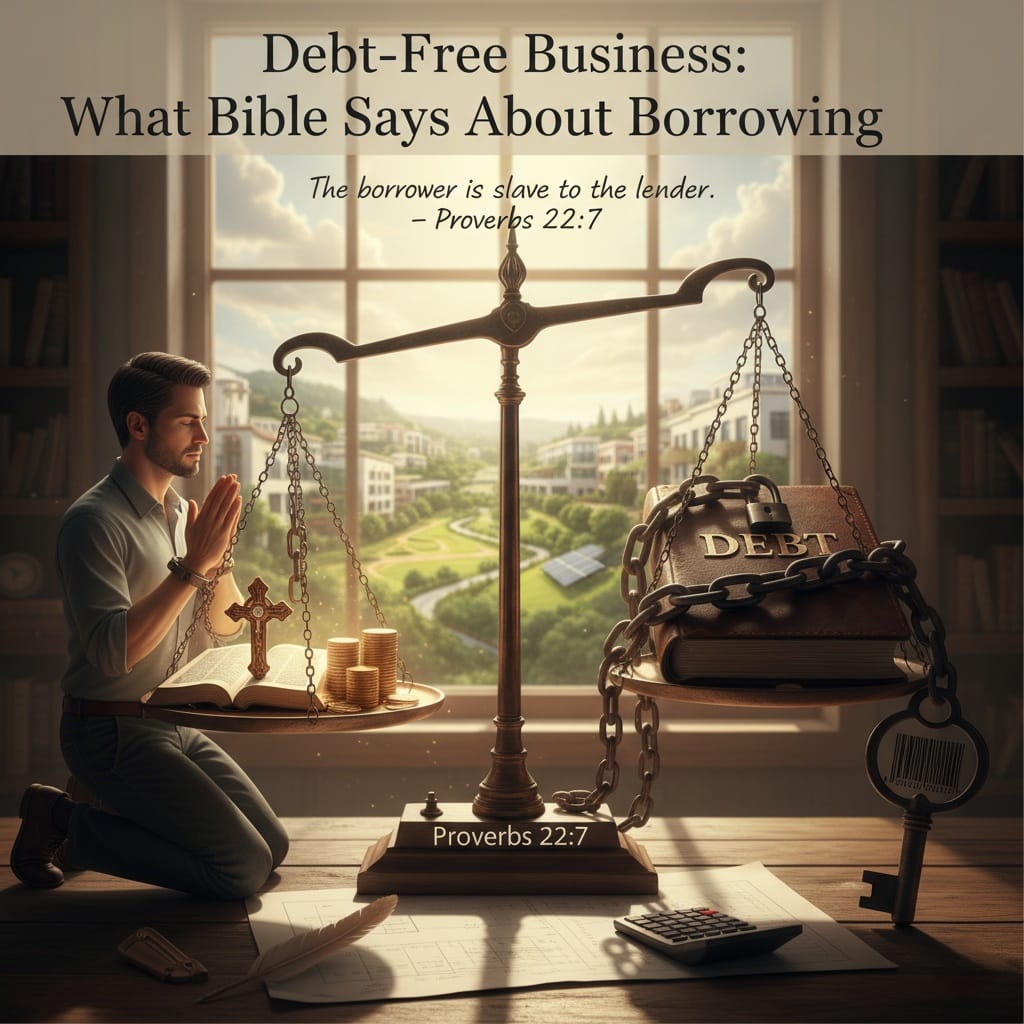
One of the most frequently cited passages regarding debt comes from Proverbs 22:7, which states that "the rich rule over the poor, and the borrower is slave to the lender." This observation reflects an enduring economic reality: debt alters the power dynamic between two parties. When an individual incurs debt, their future labor, income, and choices are pledged to satisfy a past financial obligation.
From a practical perspective, scriptural guidance prioritizes human freedom and autonomy. Debt restricts an individual's ability to change careers, move, respond to family emergencies, or give freely to charitable causes. By advising against structural debt, scriptures aim to preserve personal agency so that financial decisions are driven by purpose rather than urgent obligation.
Stewardship Versus Ownership
A fundamental concept across biblical and scriptural literature is stewardship—the principle that human beings are temporary managers, rather than absolute owners, of material resources. Under this model, resources are entrusted to individuals to be used responsibly for family care, community support, and personal sustainability.
Stewardship Model
- Recognition: Resources are managed, not absolute property
- Planning: Budgeting and margin prevent structural overspend
- Freedom: Eliminating debt allows targeted generosity
When borrowing becomes a habitual lifestyle, individuals effectively spend income they have not yet earned, assuming future health, employment, and market stability that no one can guarantee. Scriptural warnings against over-leveraging serve as a safeguard against presumption, encouraging people to live within their existing means rather than gambling on future economic outcomes.
Key Scriptural Themes on Debt and Wealth Management
Scriptural advice on money covers a broad spectrum of behaviors, ranging from avoiding bad surety agreements to practicing strict contentment. The table below summarizes core biblical principles, their practical meanings, and how they translate into modern financial habits.
| Scriptural Principle | Key Passage Reference | Practical Financial Meaning | Modern Application |
|---|---|---|---|
| Lender Dominance | Proverbs 22:7 | Debt creates a subordinate relationship with creditors. | Avoid high-interest consumer debt that limits career and personal choices. |
| Avoid Cosigning (Surety) | Proverbs 6:1–5; Proverbs 17:18 | Assuming legal responsibility for another's debt carries extreme risk. | Refuse to cosign loans for friends or family without funds to pay outright. |
| Fulfilling Commitments | Psalm 37:21; Romans 13:8 | Integrity requires fully repaying all obligations made to creditors. | Establish a structured repayment plan to satisfy outstanding balances. |
| Counting the Cost | Luke 14:28–30 | Financial endeavors require advance planning and realistic budgeting. | Create a comprehensive budget and emergency fund before taking on major expenses. |
| Contentment Over Greed | 1 Timothy 6:6–10; Hebrews 13:5 | Material accumulation should not drive life choices or emotional well-being. | Curtail lifestyle inflation and resist impulse buying driven by consumer culture. |
| Ethical Lending & Usury | Exodus 22:25; Leviticus 25:35–37 | Charging predatory interest rates exploits the vulnerable. | Refrain from payday loans, predatory financing, or excessive interest arrangements. |
Why Scriptural Principles Remain Relevant Today
While modern credit systems, consumer loans, and mortgages did not exist in antiquity, the behavioral patterns governing human finance remain unchanged. Scriptural guidance remains effective because it addresses human behavior and financial discipline rather than complex financial engineered instruments.
- Ancient Wisdom to Modern Reality:
- Avoid financial bondage: Eliminate high-rate debt
- Plan before building: Cash-flow budgeting
- Reject bad surety: Refuse loan cosigning
1. Risk Mitigation and Financial Margins
Scriptural wisdom focuses heavily on risk management. James 4:13–14 cautions against overly confident assertions about future economic gain, highlighting the uncertain nature of life. In modern personal finance, this principle translates directly into establishing an emergency fund and maintaining a financial margin.
When an individual operates with zero debt, a temporary job loss, medical emergency, or economic downturn becomes a manageable challenge rather than a catastrophic crisis. Conversely, when monthly income is entirely committed to debt service payments—such as credit cards, personal loans, and vehicle financing—any unexpected interruption in income creates immediate distress.
2. Guarding Against the Trap of Surety (Cosigning)
The Book of Proverbs repeatedly warns against becoming a "surety"—acting as a guarantor for someone else's financial obligation. Proverbs 11:15 states that "whoever puts up security for a stranger will surely suffer harm, but whoever hates striking hands in pledge is secure."
In contemporary terms, cosigning a loan places an individual in a position of full legal liability without granting them ownership of the asset. Financial institutions require a cosigner precisely because the primary borrower fails to meet objective underwriting criteria. Scriptural warnings against surety protect individuals from taking on unmanageable liabilities that threaten their own household security.
3. The Psychological Relief of Freedom
Financial stress is a leading contributor to personal anxiety, health problems, and marital breakdown. Scriptures advocate for financial health partly because debt imposes a psychological burden. Romans 13:8 encourages believers to "owe no one anything, except to love one another."
Living without debt fosters mental clarity and emotional stability. Freeing monthly cash flow from debt payments allows individuals to focus on personal growth, vocational fulfillment, and family needs without the constant pressure of impending collection deadlines.
Step-by-Step: Implementing Scriptural Debt-Free Principles
Transitioning from structural indebtedness to financial freedom requires a deliberate methodology that aligns ancient wisdom with practical financial tools.
- Phase 1: Stop Borrowing
- Phase 2: Calculate Total Obligations
- Phase 3: Establish a Minimal Emergency Reserve
- Phase 4: Execute a Focused Debt Payoff Strategy
- Phase 5: Practice Contentment and Generosity
Phase 1: Stop Compounding the Problem
The first step toward debt freedom is freezing all new borrowing. Scriptural wisdom emphasizes self-discipline and self-control (Galatians 5:22–23).
- Discontinue the use of revolving credit cards for purchases you cannot pay off in full at the end of the billing cycle.
- Refuse financing offers for lifestyle consumer goods, electronics, or non-essential vehicles.
- Shift immediately to cash-based or debit-based spending to live strictly within your actual current cash flow.
Phase 2: Conduct a Full Assessment and Build a Reserve
Before embarking on an aggressive debt repayment schedule, you must understand your current financial standing and protect against immediate shocks.
- List all debts: Document the balance, interest rate, and minimum monthly payment for every creditor.
- Build a starter emergency fund: Set aside an initial cash reserve (e.g., $1,000 to $2,000, or one month of basic living expenses) in a liquid bank account. This buffer prevents you from relying on credit when unexpected expenses arise.
Phase 3: Execute a Disciplined Debt Elimination Strategy
Scripture highlights diligence and steady progress over instant results: "Steady pulling brings prosperity; hasty shortcuts lead to poverty" (Proverbs 21:5). Select a structured repayment framework that fits your psychological and financial profile:
- The Debt Snowball Method: Order debts from smallest balance to largest balance, regardless of interest rate. Pay minimums on all accounts except the smallest, placing all excess funds toward clearing that balance. Once paid off, roll the entire payment amount into the next smallest debt. This approach creates psychological momentum through early wins.
- The Debt Avalanche Method: Order debts from highest interest rate to lowest interest rate. Direct extra payments toward the highest-interest debt first to minimize total interest cost. This approach is mathematically efficient, though it may take longer to eliminate the first account.
Phase 4: Cultivate Contentment and Margin
Scriptural financial guidance relies heavily on controlling desires. 1 Timothy 6:6 notes that "godliness with contentment is great gain."
- Audit monthly recurring subscriptions and discretionary spending to identify areas to cut.
- Avoid comparison-driven spending triggered by social media or social pressures.
- Allocate freed-up monthly cash flow toward building a full 3-to-6-month emergency reserve and funding long-term needs, such as retirement and housing stability.
Common Misconceptions About Scriptural Financial Guidance
Evaluating scriptural texts requires distinguishing between sound application and common misunderstandings.
Misconception 1: All Borrowing Is Explicitly Sinful
While scriptures warn against debt and frame it as an inferior economic position, biblical law historically allowed borrowing under specific regulated conditions, particularly to alleviate temporary poverty. Deuteronomy 15 established mechanisms such as the Sabbath Year, where debts were periodically canceled to prevent permanent economic servitude. The primary warning in scripture is against unmanaged, reckless, or lifestyle-driven debt that leads to financial bondage and broken promises.
Misconception 2: Financial Success Guarantees Wealth (Prosperity Theology)
Scriptural guidance on debt is sometimes distorted into a promise of immediate material riches. However, genuine scriptural wisdom emphasizes character, stewardship, integrity, and contentment over simple wealth accumulation. Proverbs 30:8–9 offers a balanced prayer: "Give me neither poverty nor riches; feed me with the food that is needful for me." The target of scriptural financial instruction is stability, freedom, and peace—not speculative wealth creation.
Misconception 3: Mortgages and Strategic Business Debt Are Identical to Consumer Debt
Ancient scriptures addressed personal loans, agricultural debts, and human bondage resulting from unpaid obligations. Modern asset-backed debt (such as a reasonably leveraged real estate mortgage) carries a different risk profile than high-interest, unsecured consumer debt (such as credit cards or payday loans). However, scriptural principles of caution still apply: real estate obligations should remain conservative relative to income, ensuring that mortgage payments do not disrupt family stability or create over-leveraged risk.
Frequently Asked Questions
What does the Bible say is the primary danger of having debt?
The primary danger highlighted in scripture is the loss of freedom and personal independence. Proverbs 22:7 notes that the borrower becomes a servant to the lender. Debt creates a legal and financial obligation that restricts future choices, limits charitable giving, and exposes individuals to severe hardship if unexpected life events occur.
Does scriptural guidance allow taking out a home mortgage?
Scripture does not explicitly mention modern real estate mortgages. However, scriptural principles emphasize prudence, calculating costs in advance (Luke 14:28), and avoiding excessive financial risk. A modest mortgage with conservative monthly payments that fit comfortably within a budget aligns with scriptural wisdom, provided it does not compromise household security.
How does scriptural financial advice differ from modern financial planning?
Modern financial planning often focuses primarily on maximizing net worth, leveraging debt to amplify investment returns, and optimizing tax strategies. Scriptural financial advice prioritizes character, risk reduction, freedom from obligations, contentment, and active generosity. While both approaches recommend budgeting and eliminating high-interest debt, scriptural guidance frames money as a tool for service and stewardship rather than personal prestige.
What should I do if I am currently unable to pay my debts?
Scripture stresses integrity and fulfilling obligations (Psalm 37:21). If you are unable to meet debt payments, communicate transparently with creditors to negotiate restructured terms, lowered interest rates, or extended repayment periods. Seek qualified non-profit credit counseling to establish a practical budget, stop non-essential spending, and work systematically toward clearing outstanding balances.
Is cosigning a student loan for a family member advisable under scriptural principles?
Scripture consistently advises against cosigning or acting as a financial surety (Proverbs 6:1–5, Proverbs 17:18). Cosigning takes on full legal liability for a debt without control over the borrower's future payments. If you wish to assist a family member with education costs, scriptural wisdom suggests giving a direct cash gift within your means rather than guaranteeing an obligation you cannot control.
Recommended Next Steps
To implement scriptural guidance on debt-free living in your household, take the following practical steps:
- Conduct a Household Financial Audit: Complete a comprehensive budget listing all sources of monthly net income and every regular expense. Identify and stop all non-essential spending.
- Catalog All Liabilities: Create a clear ledger showing balances, interest rates, and minimum payments for all credit cards, vehicle loans, personal loans, and student loans.
- Build an Emergency Cash Buffer: Accumulate an initial cash reserve of $1,000 to $2,000 in a separate bank account before executing aggressive debt payments.
- Choose a Structured Elimination Strategy: Apply either the Debt Snowball or Debt Avalanche strategy, directing every extra dollar toward your primary targeted debt.
- Seek Professional Guidance When Necessary: If facing overwhelming debt, consult a certified non-profit credit counselor or qualified financial advisor to establish a compliant repayment plan that protects your basic household living standards.
Disclaimer: This article is for informational and educational purposes only and does not constitute formal financial, legal, or tax advice. Individuals facing complex financial distress or legal collection actions should consult a licensed financial professional or legal expert qualified in their jurisdiction.
Image Gallery