Greg Gibson Net Worth Explained: Career Earnings, Salary Tiers, and Financial Breakdown
Former Major League Baseball (MLB) umpire Greg Gibson has an estimated net worth between $2 million and $5 million. Built over a 24-year major league career extending from 1997 through his retirement following the 2021 season, his weal...
Former Major League Baseball (MLB) umpire Greg Gibson has an estimated net worth between $2 million and $5 million. Built over a 24-year major league career extending from 1997 through his retirement following the 2021 season, his wealth primarily derives from senior-level officiating salaries, postseason bonus pools, per diem allowances, and a structured union pension.
Contents
Entity Disambiguation: Who Is Greg Gibson?
When evaluating public inquiries regarding the net worth of "Greg Gibson," it is essential to distinguish among several prominent individuals who share the name:
- Greg Gibson (MLB Umpire): Gregory Cooper Gibson (born October 2, 1968) is a former Major League Baseball umpire who wore uniform number 53 and officiated over two decades of regular season and postseason games, including the 2011 World Series. He is the primary focus of financial inquiries regarding career officiating wealth.
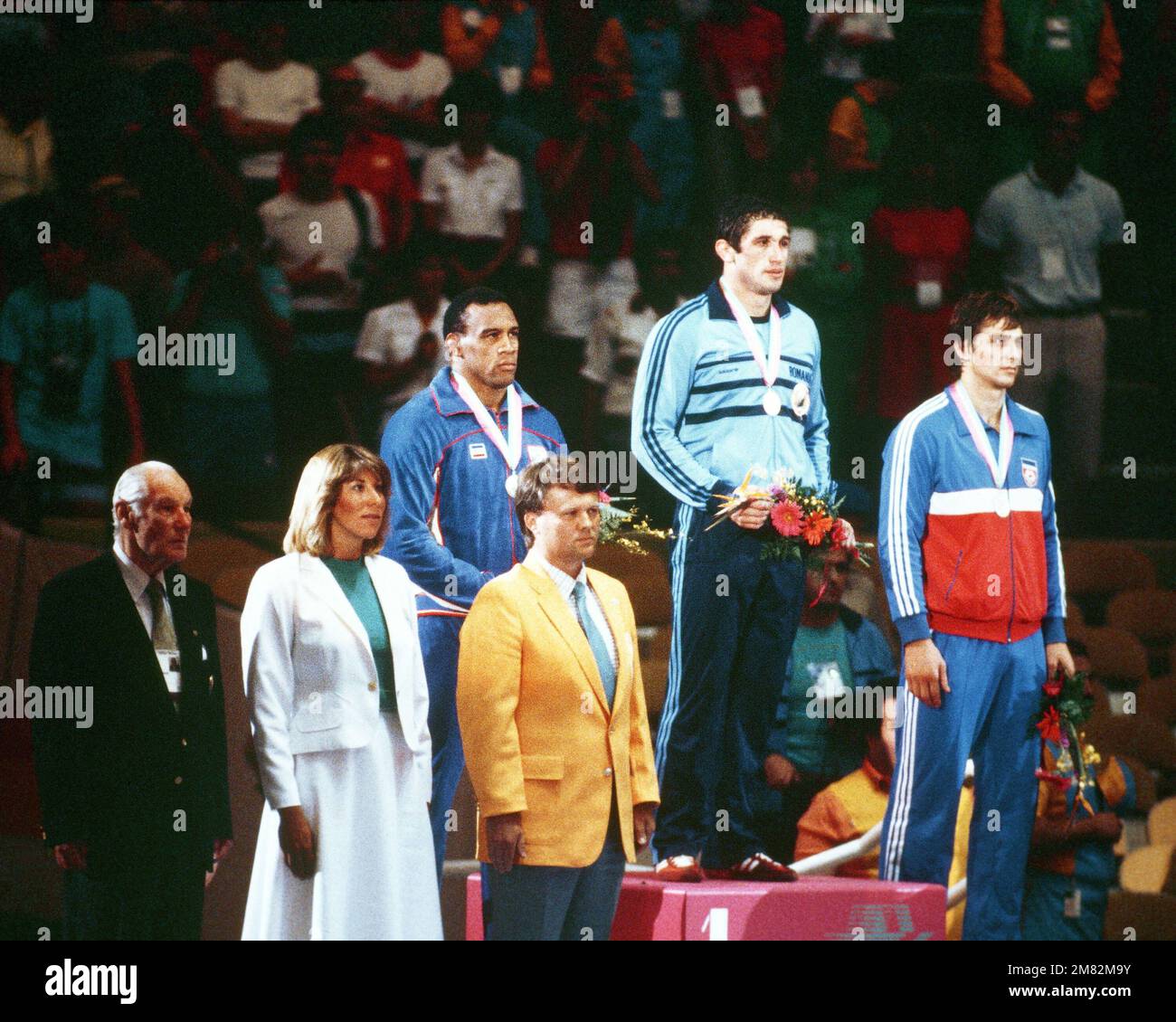
- Greg Gibson (Olympic Wrestler): An American wrestler who won a silver medal in Greco-Roman wrestling at the 1984 Summer Olympics in Los Angeles, as well as multiple World Championship medals.
- Greg Gibson (Author and Academic): A professor of biological sciences at the Georgia Institute of Technology specializing in integrative genomics, and author of non-fiction works including Gone Boy: A Writer's Search for a Murderer.
Financial breakdowns for public figures outside elite corporate executive suites rely heavily on verified industry compensation structures. For MLB umpire Greg Gibson, calculating estimated career wealth requires examining the collective bargaining agreements governed by the World Umpires Association (now part of the Major League Baseball Umpires Association), standard travel stipends, and long-term pension benefits accrued across a 24-season career.
The Financial Trajectory of a Major League Umpire
The path to building net worth as a professional baseball umpire differs fundamentally from that of professional athletes. Athletes often secure guaranteed multi-million-dollar contracts early in their careers, whereas umpires endure years of low-wage apprenticeship in minor league baseball before reaching financial stability in the major leagues.
Minor League Beginnings and Low-Wage Grinding
Greg Gibson began his professional umpiring career in 1991 after attending the Harry Wendelstedt Umpire School. Prior to earning a call-up to the major leagues in 1997, he spent six years officiating in minor league circuits, including:
- The Appalachian League (Rookie level)
- The South Atlantic League (Single-A)
- The Florida State League (High-A)
- The Southern League (Double-A)
- The International League (Triple-A)
During the 1990s, minor league umpires earned modest seasonal wages, often ranging from $1,800 to $3,500 per month only during the active five-month season. Out-of-season months required off-season employment to cover living expenses. Consequently, minor league officiating contributes negligibly to an umpire's long-term net worth, serving instead as a high-attrition screening process where fewer than 1% of entry-level umpires secure permanent major league positions.
Major League Promotion and Base Salary Tiers
Gibson earned his initial major league call-up as a replacement and fill-in umpire in 1997. He joined the full-time MLB staff in 1999—a pivotal year in baseball officiating history marked by the mass resignation strategy executed by the Major League Umpires Association under Richie Phillips. The resulting openings allowed top Triple-A umpires like Gibson to secure permanent major league contracts.
Once an umpire secures a full-time MLB roster spot, their earning potential increases significantly under the union’s collective bargaining agreement (CBA). Base compensation is governed by a strict seniority ladder:
- Rookie / First-Year MLB Umpires: Historically started at approximately $110,000 to $150,000 annually.
- 5 to 10 Years of Service: Base pay escalated to between $200,000 and $280,000 per year.
- 15+ Years of Seniority: Senior umpires reached base salaries ranging from $350,000 to over $450,000 per year by the late 2010s and early 2020s.
Having accumulated over 22 years of full-time service by the time he retired after the 2021 season, Gibson occupied the top tier of the MLB umpire salary structure for nearly a decade.
Revenue Streams Contributing to Greg Gibson’s Net Worth
An MLB umpire’s annual income is composed of several direct financial mechanisms defined under the collective bargaining agreements negotiated with Major League Baseball.
- MLB Base Salary (Seniority-based scale: $120k to $450k+/year)
- Postseason Bonus Pool (Wild Card, LDS, LCS, World Series fees)
- Daily Per Diem Allowances (Lodging, meals, domestic transit)
- MLBUA Vested Pension & Post-Retirement Health Benefits
1. Major League Base Salary Escalation
Over his 24 years on the field (including 22 full-time seasons), Gibson’s cumulative gross salary earnings are estimated between $6.0 million and $7.5 million.
During the early portion of his full-time career (1999–2006), annual base pay scaled from roughly $120,000 to $220,000. As his seniority crossed the 10-year mark around 2009, his annual compensation approached $300,000. In his final eight seasons (2014–2021), his position as a crew chief and senior veteran positioned his base earnings at the upper boundary of the umpire pay scale, exceeding $400,000 annually.
2. Postseason Incentive Bonuses and Special Assignments
MLB umpires receive substantial extra compensation for postseason assignments. Selection for postseason crews is performance-based, determined by evaluations from MLB field operations directors.
Postseason bonuses are structured per round:
- Wild Card Game / Series: ~$17,500 – $22,500
- Division Series (LDS): ~$20,000 – $25,000
- League Championship Series (LCS): ~$30,000 – $35,000
- World Series: ~$45,000 – $55,000+
Gibson earned numerous high-profile postseason assignments during his career, significantly boosting his lifetime gross earnings:
- 1 World Series: 2011 (St. Louis Cardinals vs. Texas Rangers)
- 5 League Championship Series: 2009 ALCS, 2010 ALCS, 2012 NLCS, 2014 NLCS, 2017 NLCS
- 11 Division Series: 2001, 2003, 2004, 2006, 2007, 2009, 2011, 2015, 2018, 2019, 2020, 2021
- 2 All-Star Games: 2008 (Yankee Stadium) and 2016 (Petco Park)
Cumulatively, postseason assignments and All-Star selections added an estimated $400,000 to $600,000 in total bonuses over the course of his career.
3. Per Diem Allowances and Travel Stipends
Major League Baseball provides umpires with a daily per diem stipend to cover meals, hotel accommodations, first-class air transportation, and ground transit during the 162-game regular season and spring training.
In recent CBAs, the daily per diem for an MLB umpire has averaged between $340 and $450 per day. Over a standard 180-day operational season, an umpire receives approximately $60,000 to $80,000 in per diem funds. While much of this covers active living expenses on the road, efficient travel management allows umpires to retain a portion of these non-taxed or tax-advantaged stipends as net savings.
4. Pension Rights and Post-Retirement Benefits
The Major League Baseball Umpires Association maintains one of the most robust pension plans in professional sports. Umpires become fully vested in the pension program after reaching key service milestones:
- Vesting Minimum: Partial vesting begins after 5 years of accredited major league service.
- Full Pension Eligibility: Umpires with 20 or more years of service qualify for maximum pension benefits upon reaching retirement age.
For a 20+ year veteran like Greg Gibson, the MLBUA pension plan provides a guaranteed annual retirement payout often exceeding $100,000 to $150,000 annually, depending on retirement age and specific plan elections. In addition to direct pension payments, retired veteran umpires receive comprehensive post-retirement health insurance coverage, substantially lowering personal living costs in retirement.
Breakdown of MLB Officiating Compensation Structure
To understand how Greg Gibson's net worth compares to general sports industry benchmarks, the table below outlines the standard financial tiers for MLB umpires under recent collective bargaining frameworks.
| Officiating Tier | Service Years | Estimated Base Salary Range | Postseason Bonus Potential | Per Diem & Travel Allowance | Primary Financial Drivers |
|---|---|---|---|---|---|
| Minor League (AAA) | 1 – 6+ years | $15,000 – $25,000 (Seasonal) | Minimal / N/A | Low ($40–$60/day) | Off-season secondary employment required |
| Entry-Level MLB | 1 – 5 years | $120,000 – $180,000 | Limited (Wild Card / LDS) | Standard (~$350/day) | Initial debt clearance, union vesting initiation |
| Mid-Career MLB | 6 – 14 years | $200,000 – $320,000 | Moderate (LDS / LCS) | Standard (~$400/day) | Capital accumulation, real estate investment |
| Senior Veteran (Greg Gibson) | 15 – 25+ years | $350,000 – $450,000+ | High (LCS / World Series) | Full Senior Stipend | Maximum pension accrual, investment portfolio growth |
Post-Retirement Status and Asset Growth
Greg Gibson retired from active on-field officiating following the conclusion of the 2021 Major League Baseball season. His departure marked the end of a career spanning 2,700+ regular-season games worked over more than two decades.
In retirement, an umpire's net worth trajectory shifts from active salary accumulation to capital preservation and pension income management:
- Tax Considerations: Professional sports officials are taxed across multiple state jurisdictions during their active careers ("jock tax" regulations applied to games worked in different states). Upon retirement, tax planning stabilizes around the umpire's primary state of residence.
- Wealth Preservation Strategy: Senior sports officials typically allocate savings into real estate, index funds, low-volatility fixed-income instruments, and tax-deferred retirement accounts accumulated over their 20+ years of active union employment.
- PVI and Consulting Roles: Many retired umpires transition into regional officiating clinics, collegiate rules consultation, or local business ventures, maintaining secondary revenue streams alongside their MLBUA pension distributions.
Financial Methodology & Data Limitations
When analyzing public figures who are not corporate executives at publicly traded firms, financial figures must be evaluated through verifiable systemic models rather than private audit reports:
- Public Disclosures: Private individuals, including sports officials, are not subject to public financial disclosure regulations such as SEC Form 4 filings.
- Contract Frameworks: Salary figures are derived directly from publicly documented terms within the MLBUA Collective Bargaining Agreements, historic reporting by sports media organizations (such as the Associated Press and Baseball Prospectus), and union pension disclosures.
- Net Estimates: The estimated range of $2 million to $5 million accounts for gross lifetime earnings (~$6.5M–$8.0M total including per diems and postseason bonuses), adjusted for federal/state income taxes, agent/union dues, agent fees, cost of living across a 24-year timeframe, and moderate long-term market investment growth.
Disclaimer: This analysis provides financial context based on publicly available sports officiating compensation frameworks, historical union records, and career longevity data. It does not constitute formal financial advisory guidance.
Frequently Asked Questions
What is Greg Gibson's estimated net worth?
Greg Gibson's net worth is estimated between $2 million and $5 million. This asset base was built over a 24-year MLB officiating career, enriched by senior-level base salaries, postseason bonus pools, per diem allowances, and a fully vested MLBUA pension.
How much did Greg Gibson earn per year in his final MLB seasons?
During his final years before retiring in 2021, Gibson earned an estimated base salary of $350,000 to $450,000 per year as a senior veteran umpire. Additional postseason assignments and travel stipends brought total annual gross compensation close to $500,000 in peak years.
How are MLB umpires chosen for lucrative World Series assignments?
MLB selects World Series umpire crews based on seasonal performance evaluations conducted by MLB Umpire Supervisors. Officiating accuracy, crew management, rule enforcement consistency, and handling of replay reviews determine selection. Working a World Series provides umpires with bonus payouts often exceeding $50,000.
What pension benefits do retired MLB umpires receive?
MLB umpires with 20 or more years of service qualify for the maximum benefit under the Major League Baseball Umpires Association pension plan. This plan provides an annual pension payout that frequently exceeds $100,000 to $150,000, along with lifetime health insurance coverage.
Did Greg Gibson work other jobs outside Major League Baseball?
During his early minor league career (1991–1996), Gibson, like most minor league umpires, had to work off-season jobs to supplement low seasonal wages. Once he secured a full-time major league position in 1999, his primary source of income became his full-time MLB officiating contract and union benefits.
Practical Takeaway: Key Financial Lessons from Officiating Careers
The financial profile of Greg Gibson demonstrates the economic dynamics of high-level sports officiating:
- The Power of Longevity: The vast majority of career wealth for professional umpires is back-loaded into the second half of their careers, where base salaries double and pension benefits fully vest.
- Union Protection: Comprehensive collective bargaining agreements protect veteran officials through structured seniority pay raises, robust travel stipends, and lifetime pension security that mitigates post-retirement financial vulnerability.
- Prudent Asset Management: Sustaining net worth post-retirement relies on converting active seasonal cash flow into passive income streams, tax-efficient real estate holdings, and structured pension draws.
Image Gallery