The Evolving View of the BeBe Winans Sister Debate: Context, Impact, and Legacy
The evolving view of the debate surrounding BeBe Winans' sisters—primarily focusing on CeCe Winans' groundbreaking secular crossover and Angie and Debbie Winans' social commentary—reflects a broader shift in gospel music history. Histo...
The evolving view of the debate surrounding BeBe Winans' sisters—primarily focusing on CeCe Winans' groundbreaking secular crossover and Angie and Debbie Winans' social commentary—reflects a broader shift in gospel music history. Historically critiqued for mainstream R&B influences and outspoken lyrics, the Winans sisters are now largely recognized for expanding gospel’s cultural boundaries and redefining contemporary Christian artistry.
Contents
Defining the Debate: Historical Context of the Winans Sisters
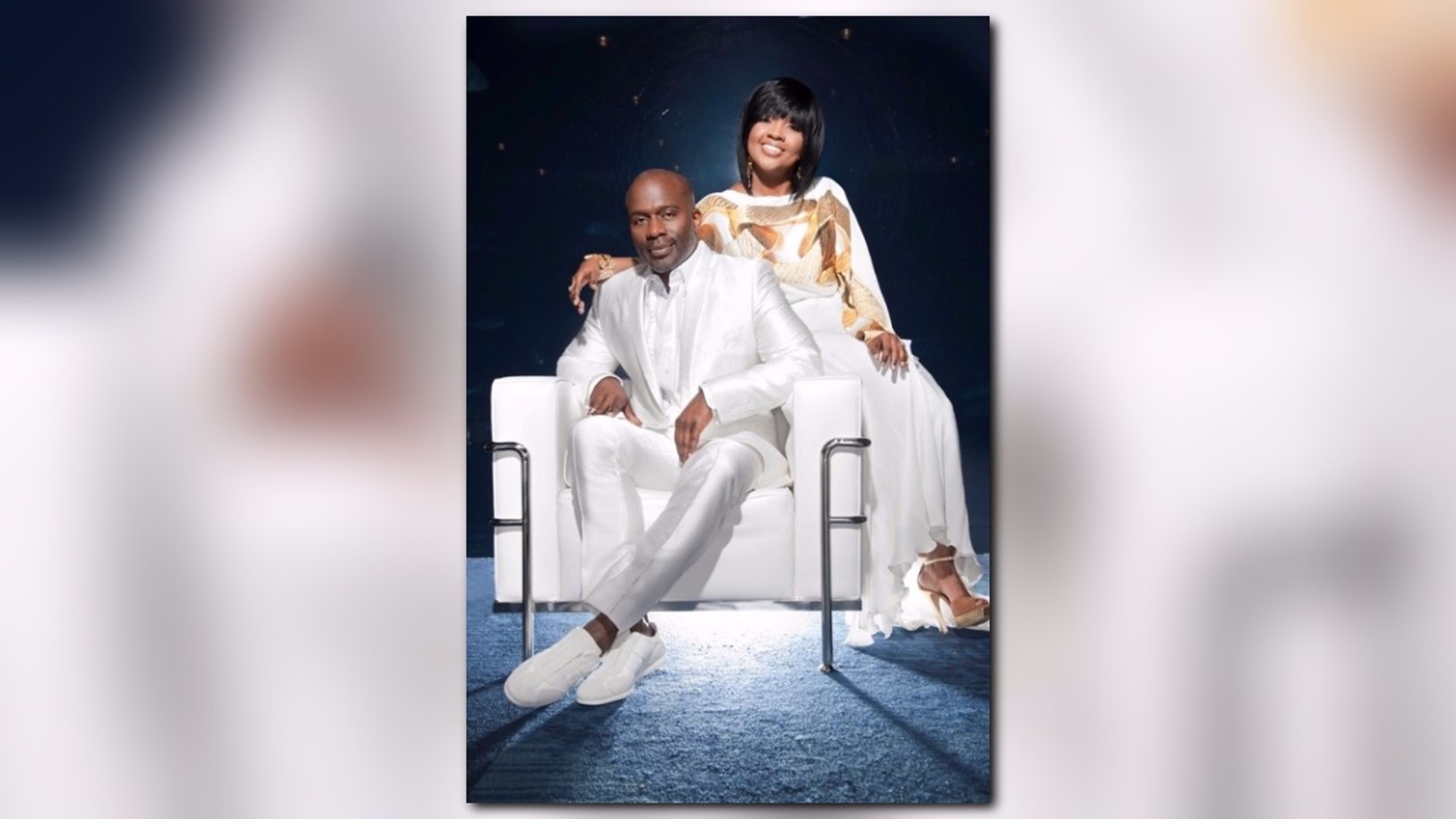
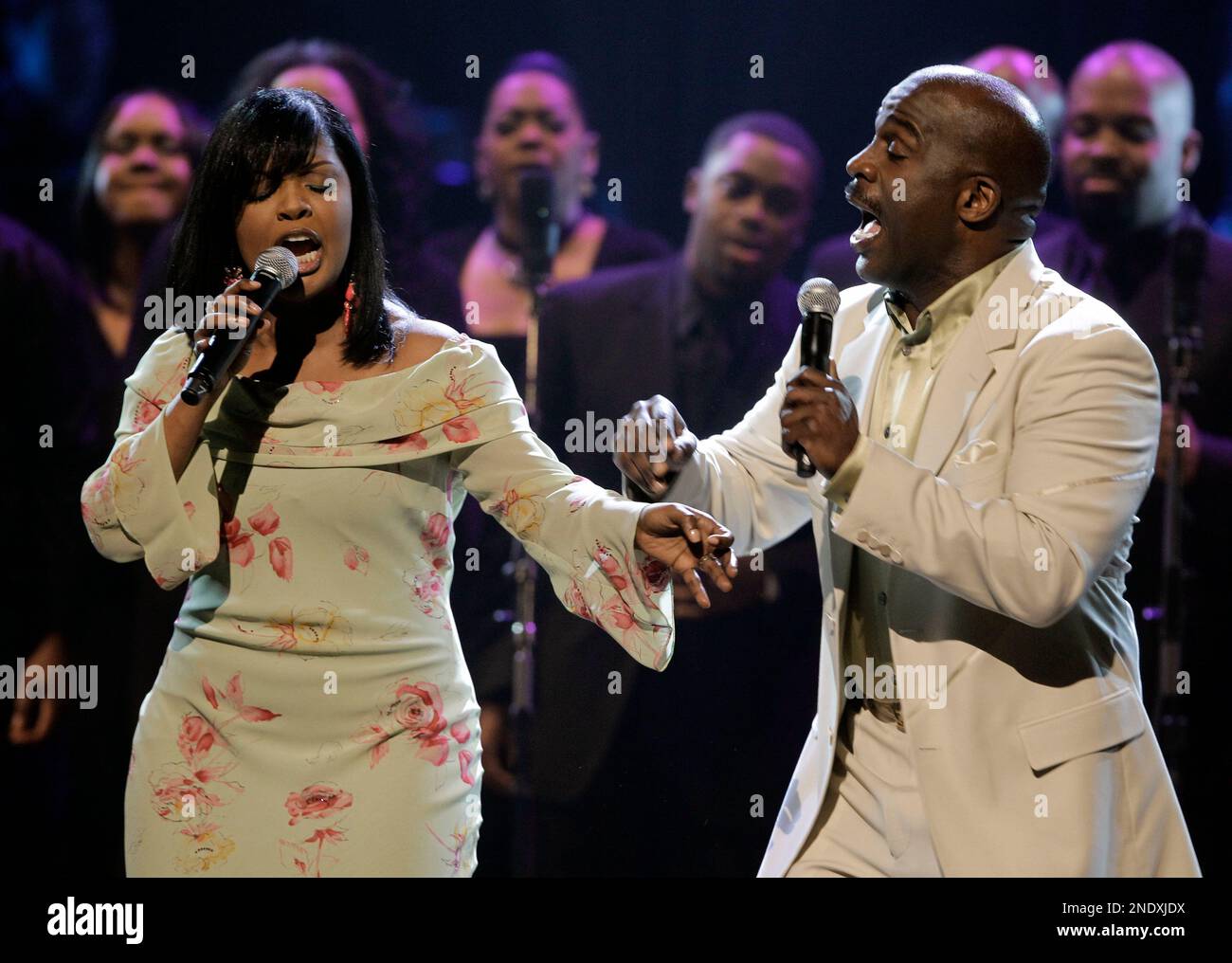
The Winans family of Detroit, Michigan, represents one of the most celebrated dynasties in American sacred music. Raised by David "Pop" Winans Sr. and Delores "Mom" Winans, the family produced multiple generations of Grammy-winning recording artists who reshaped Black gospel music in the late 20th century. While brothers Marvin, Carvin, Michael, and Ronald achieved widespread fame as The Winans, Benjamin "BeBe" Winans achieved global prominence alongside his sister Priscilla "CeCe" Winans as the duo BeBe & CeCe Winans.
Public discourse surrounding BeBe Winans' sisters has focused on two distinct historical chapters. The first involves CeCe Winans and the fierce debate over musical crossover that began in the late 1980s. Traditionalists within the African American church questioned whether adopting slick urban R&B production styles, collaborating with mainstream pop artists, and charting on secular radio compromised the gospel message.
The second chapter involves younger sisters Angela "Angie" Winans and Deborah "Debbie" Winans, who released the album Bold in 1997. The project, particularly its controversial lead single "Not Natural," ignited a media storm concerning the boundaries of social and theological commentary in popular gospel music. Over the decades, public, academic, and ecclesiastical views on both debates have evolved significantly, shifting from sharp polarization to a more nuanced appreciation of artistic autonomy, cultural context, and genre development.
- THE WINANS FAMILY DYNASTY
- BeBe & CeCe Winans
- (Late 1980s – 1990s Debate)
- R&B/Pop Crossover Sound
- Mainstream Charting & MTV Play
- Whitney Houston Collaborations
- EVOLVING VIEW (2026): Trailblazing Legacy & Inter-Genre Acceptance
- (Late 1980s – 1990s Debate)
- Angie & Debbie Winans
- (1997 Debate)
- Album Bold ("Not Natural")
- Controversial Social Lyrics
- Media Polarization & Critique
- EVOLVING VIEW (2026): Case Study in Sacred Expression & Public Sphere
- (1997 Debate)
- BeBe & CeCe Winans
The Crossover Controversy: CeCe Winans and the Sacred-Secular Spectrum
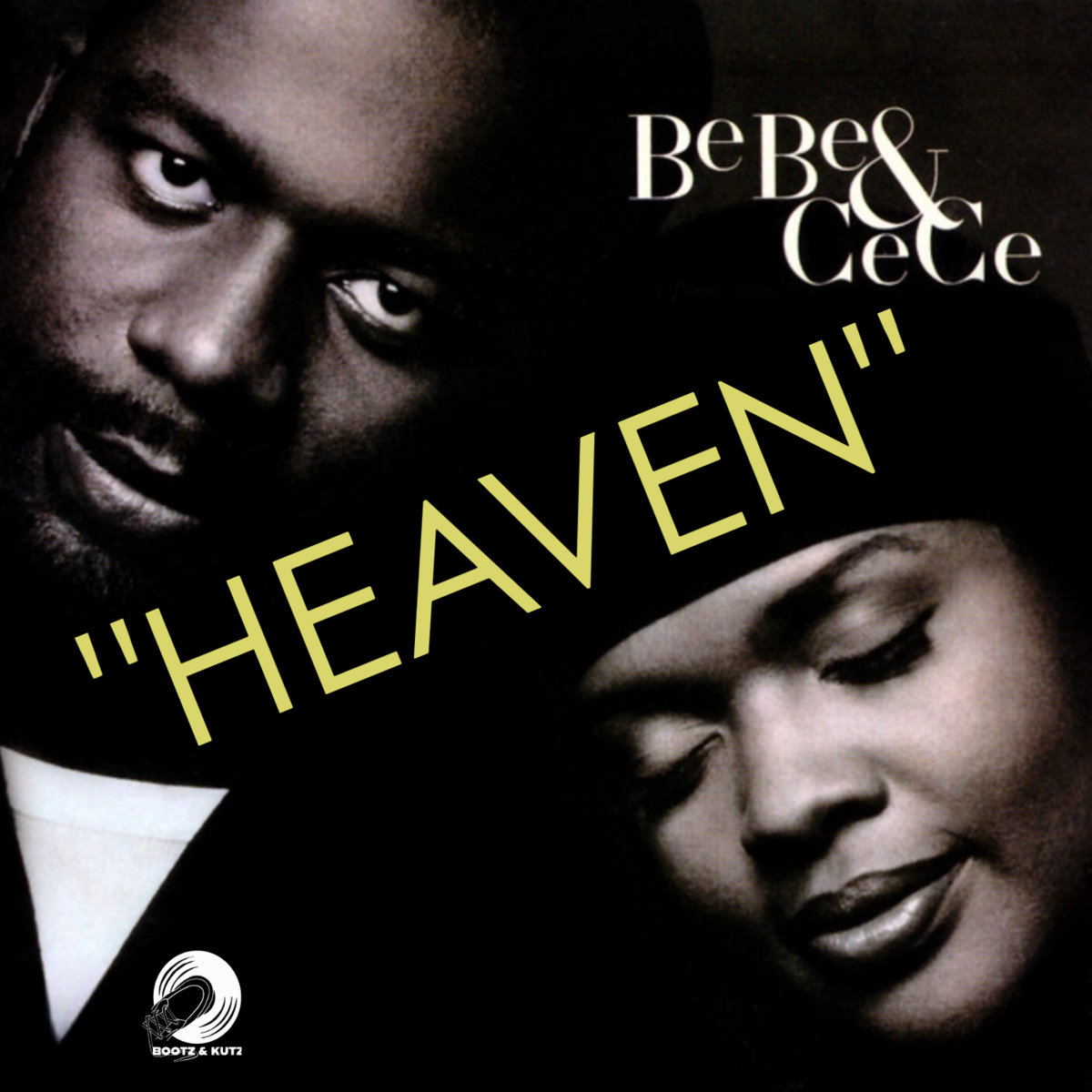
When BeBe & CeCe Winans entered the music industry in the mid-1980s after performing with PTL (Praise The Lord) Television Network, gospel music operated largely within traditional church networks and specialized gospel radio stations. The duo's self-titled 1987 debut album and their 1988 follow-up, Heaven, introduced a modernized sound crafted with high-end pop and R&B production techniques.
The debate reached its peak with their 1991 multi-platinum album, Different Lifestyles. Hits like "Addictive Love" and "I'll Take You There" topped the Billboard R&B charts, a historic achievement for an explicitly Christian act. However, this mainstream success invited intense scrutiny from conservative church leaders and gospel purists:
- Production and Aesthetic Skepticism: Detractors argued that synthesized beats, contemporary urban arrangements, and polished music videos blurred the distinction between sacred worship and secular entertainment.
- Lyrical Ambiguity Allegations: Songs using romantic or interpersonal metaphors (such as "Addictive Love") were criticized by some listeners for not stating religious figures explicitly enough in every verse, despite the duo's clear statements of faith.
- Platform and Association Concerns: Performing on mainstream television programs, appearing on secular music channels like BET and MTV, and collaborating with secular pop icons—most notably Whitney Houston on "Count On Me"—raised concerns among traditionalists who favored strictly ecclesiastical performance spaces.
CeCe Winans consistently defended the duo’s creative choices, maintaining that gospel music was fundamentally an evangelistic tool meant to reach audiences outside traditional church walls.
Over time, critical and community consensus reversed. Rather than viewing their R&B fusion as a compromise, music historians and church leaders now view CeCe Winans as a pivotal pioneer. Her work broke commercial barriers for future contemporary Christian and gospel artists, establishing that sacred music could maintain theological integrity while competing at the highest levels of global audio production. CeCe Winans went on to become one of the most decorated gospel artists in history, earning over 15 Grammy Awards and widespread institutional respect across denominational lines.
Social Commentary and Public Backlash: The Angie and Debbie Winans Era
In 1997, the debate surrounding the Winans sisters took a dramatic turn when Angie and Debbie Winans released their album Bold under their independent label, Red Hill Records. The album's single, "Not Natural," directly addressed cultural shifts, moral decline, and homosexuality from their explicit evangelical perspective.
The release provoked widespread national media coverage, including commentary in secular publications such as The New York Times and the Los Angeles Times, alongside major television network coverage. The debate centered on several core issues:
- The Role of Gospel Music in Cultural Wars: Critics questioned whether gospel music—traditionally viewed as a source of spiritual uplift, hope, and communal healing—should be used to issue direct ideological and political critiques.
- Media Responsibility vs. Religious Expression: Broadcasters and radio programmers debated whether to air songs containing explicit moral denunciations, leading to restricted airplay on several mainstream and urban contemporary stations.
- Public Perception of the Winans Dynasty: Because the Winans name was synonymous with gospel excellence, the public backlash surrounding "Not Natural" created tension between the sisters' explicit social commentary and the broader cross-cultural appeal established by BeBe & CeCe Winans.
In the years following the release of Bold, the discourse around Angie and Debbie Winans evolved from immediate news cycles into broader academic and cultural discussions. Musicologists and sociology scholars analyze the 1997 controversy as a case study in how conservative religious artists navigate the intersection of public media, doctrinal conviction, and free expression. While the song remains a controversial milestone in gospel history, modern retrospectives evaluate it within the context of 1990s culture-war dynamics rather than defining the totality of the sisters' musical careers.
Comprehensive Comparison: The Evolution of Public and Critical Viewpoints
The perspectives on the controversies involving BeBe Winans' sisters have transformed over the decades. The table below outlines how critical, industry, and public perceptions shifted from the initial disputes of the late 20th century to modern historical consensus.
| Historical Era & Subject | Initial Industry & Community Reaction (1980s–1990s) | Core Issues Debated | Modern Consensus & Retrospective View |
|---|---|---|---|
| CeCe Winans: Contemporary Crossover (1987–1995) | Skepticism and pushback from traditional church leaders and gospel radio purists. | • Use of secular R&B production.• Airplay on mainstream radio and television.• Crossover collaborations with pop stars. | Celebrated as a foundational shift that expanded gospel's global reach without sacrificing spiritual depth. |
| Angie & Debbie Winans: Social Commentary (1997–2000) | Intense media polarization, public protests, and radio playlist restrictions. | • Role of sacred music in social debates.• Theological critique in popular culture.• Boundaries of radio programming. | Evaluated as a key historic case study in 1990s cultural discourse and religious artistic expression. |
| The Winans Family Dynasty Over Time | Division between traditionalist expectations and modern youth culture appeal. | • Preservation of gospel heritage.• Commercialization of church music.• Artistic independence of individual family members. | Recognized universally as one of the most influential family dynasties in modern American music history. |
The Cultural and Media Factors Driving the Shift
Several broader cultural, technological, and ecclesiastical shifts contributed to the evolving view of the Winans sisters' debates:
1. The Demarginalization of Contemporary Gospel Sound
During the late 1980s, gospel music was largely segregated into specialized broadcast blocks. As urban contemporary gospel gained commercial traction through artists like BeBe & CeCe Winans, Kirk Franklin, and Sounds of Blackness, the broader music industry integrated contemporary gospel into mainstream distribution channels. The initial fear that pop production styles would dilute gospel worship dissipated as audiences demonstrated that modern arrangements could coexist with deep faith messages.
2. Generational Turnover in Church Leadership
The traditionalist opposition of the late 20th century was largely led by an older generation of church leaders accustomed to choir-driven, organ-accompanied traditional hymnody. As younger leaders stepped into executive positions within major denominations, their familiarity with R&B, hip-hop, and pop production eliminated the stigma attached to crossover arrangements.
3. Digital Streaming and Audience Segmentation
In the era of physical media and terrestrial radio dominance, single broadcast programmers held gatekeeping power, amplifying controversies over airplay. With the rise of digital streaming platforms, listeners gained direct access to music catalogs. This technological transition allowed audiences to engage with artists based on personal preference, reducing public polarization and allowing historical debates to be viewed through an archival, analytical lens.
Key Takeaways for Music Historians and Observers
Analyzing the evolving view of the BeBe Winans sister debate offers valuable insights for gospel music historians, culture critics, and general listeners:
- Distinguish Between Sonic Innovation and Theological Intent: History has shown that resistance to new musical styles often reflects generational aesthetic preferences rather than true theological conflict. CeCe Winans' catalog demonstrates that production styles can adapt to current trends while maintaining foundational religious messaging.
- Evaluate Controversies Within Their Historical Context: Public debates such as the 1997 controversy surrounding Angie and Debbie Winans must be read against the backdrop of 1990s media structures, political debates, and public relations dynamics.
- Appreciate the Complexity of Family Dynasties: The Winans family is not a monolith. Each sibling—whether BeBe, CeCe, Angie, or Debbie—pursued distinct creative paths, resulting in different contributions to gospel history.
Frequently Asked Questions
Who are BeBe Winans' sisters involved in gospel music debates?
BeBe Winans' most famous sister and long-time duet partner is Priscilla "CeCe" Winans Love. His younger sisters, Angela "Angie" Winans-Dinsky and Deborah "Debbie" Winans-Lowe, formed the gospel duo Angie & Debbie Winans and were central figures in the 1997 media debate surrounding their album Bold.
Why was CeCe Winans' early music with BeBe controversial in the gospel community?
In the late 1980s and early 1990s, BeBe & CeCe Winans introduced polished R&B and contemporary pop production into gospel music. Traditional church leaders and gospel purists initially criticized the sound for mimicking secular radio styles, appearing on secular music networks, and featuring lyrical phrasing that appealed to mainstream pop audiences.
What was the specific controversy regarding Angie and Debbie Winans in 1997?
In 1997, Angie and Debbie Winans released the single "Not Natural" from their album Bold. The song contained explicit lyrics critiquing homosexuality and social shifts from a conservative evangelical standpoint, triggering national news coverage, media debates, and boycotts or bans from certain radio stations.
How do music historians view CeCe Winans' contribution today?
Modern music historians and gospel industry professionals view CeCe Winans as a groundbreaking pioneer. She is widely credited with breaking down barriers between gospel and mainstream R&B, expanding the genre's audience worldwide, and paving the way for modern contemporary Christian music.
Where can listeners access historical recordings and interviews of the Winans family?
Archival performances, interviews, and official discographies are available across major digital streaming platforms (such as Apple Music and Spotify), the official Winans family archival releases, and the Gospel Music Association (GMA) Hall of Fame archives.
Recommended Next Steps for Researchers
To further explore the legacy and historical debates surrounding the Winans family, consider the following actions:
- Listen to Key Discographical Milestones: Compare the production of BeBe & CeCe Winans' Different Lifestyles (1991) with traditional gospel releases of the same era to understand the sonic shift that sparked early crossover debates.
- Review Academic Literature on Black Sacred Music: Consult scholarly books and journals on African American religious history, such as works detailing the evolution of urban gospel music, to gain academic context on how sacred artists interacted with secular media markets.
- Explore Archival Industry Coverage: Examine historical reporting in music industry archives like Billboard and Gospel Today from the 1980s and 1990s to track how critical reception transformed over time.
Image Gallery