190 Minute Avatar 2 Runtime Explained: Why James Cameron Needed Three Hours
The official runtime of Avatar: The Way of Water is 192 minutes, or approximately 3 hours and 12 minutes. Director James Cameron justified this extensive duration by emphasizing the need for significant character development, complex f...
The official runtime of Avatar: The Way of Water is 192 minutes, or approximately 3 hours and 12 minutes. Director James Cameron justified this extensive duration by emphasizing the need for significant character development, complex family dynamics, and a fully immersive exploration of Pandora’s oceanic ecosystems that a standard two-hour format could not support.
Contents
When Avatar: The Way of Water arrived in theaters, it sparked a global conversation about the necessity of the "three-hour blockbuster." Now, as we look back from 2026, the film’s length is viewed not as a deterrent but as a blueprint for the "event cinema" model that has sustained the franchise through its subsequent installments. To understand why the film reached the 190-minute mark, one must look beyond simple action beats and examine the narrative and technical requirements Cameron set for the sequel.
The Narrative Necessity of the Three-Hour Cut
The primary reason for the 192-minute runtime was James Cameron’s insistence on "emotional stakes." In numerous interviews leading up to and following the film's release, Cameron argued that the first film was a simpler "hero’s journey," whereas the second film needed to establish a multi-generational family saga.
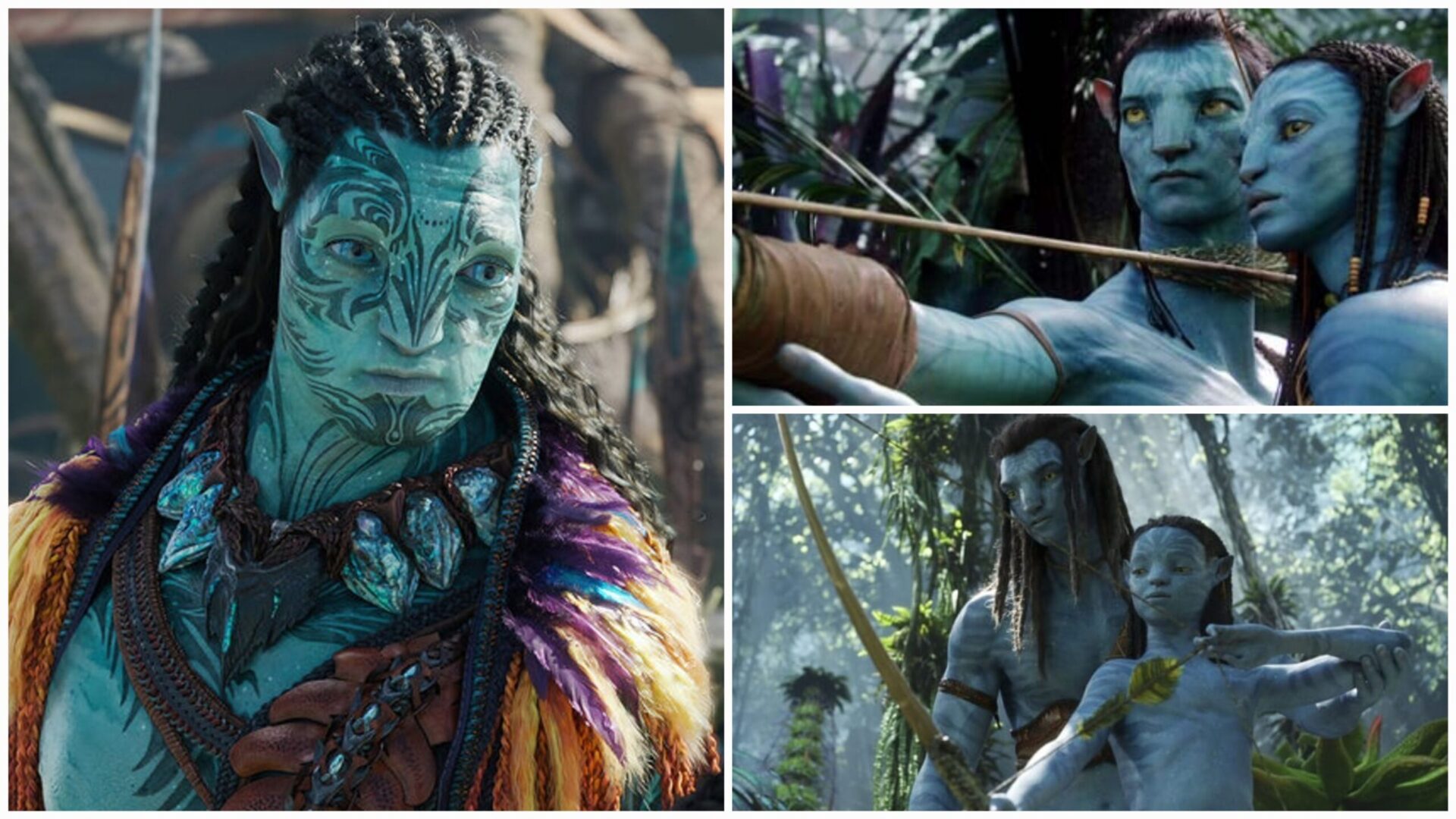
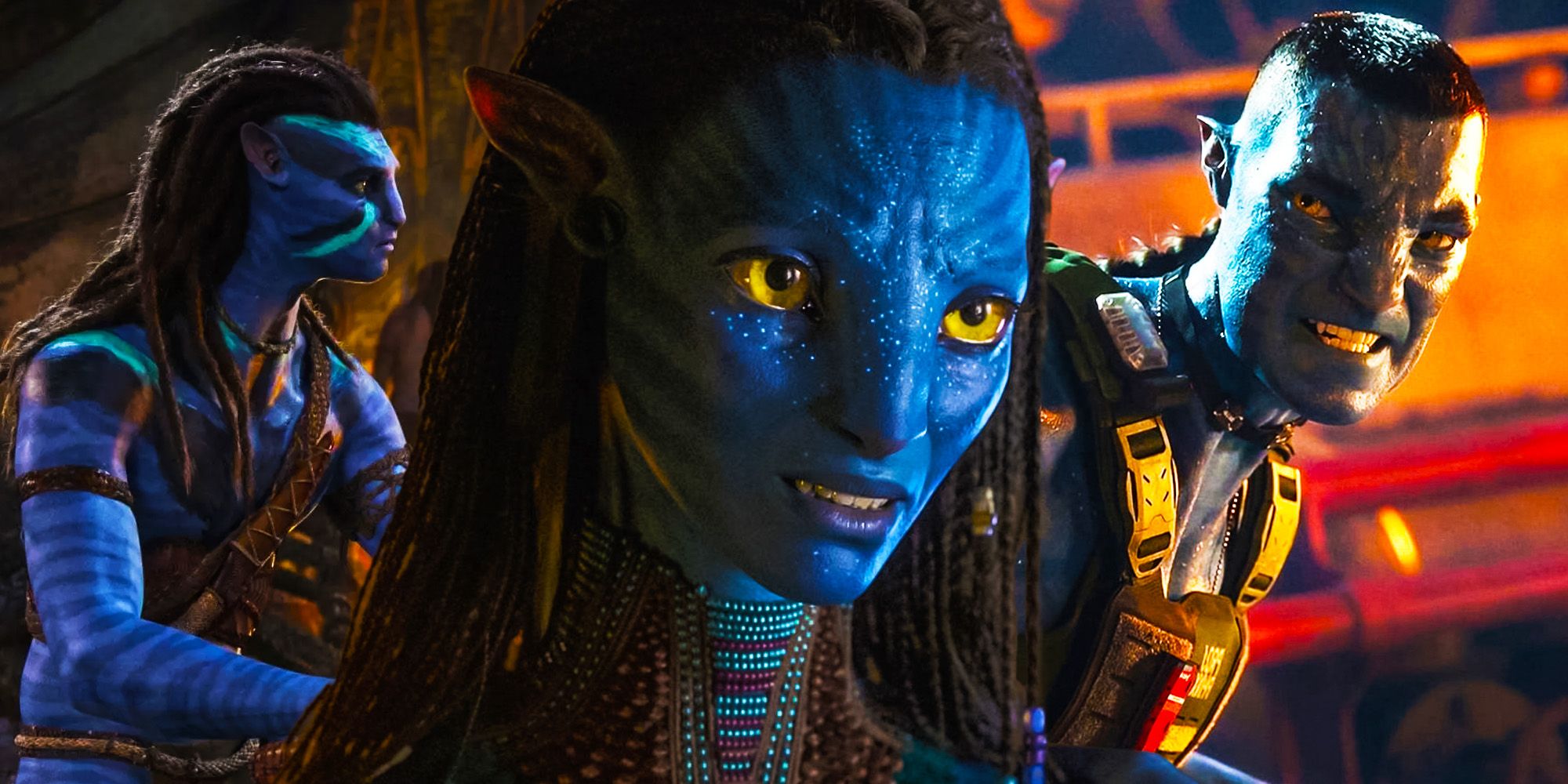
Expanding the story from Jake Sully and Neytiri to include their four children—Neteyam, Lo'ak, Tuk, and Kiri—along with the human orphan Spider, required significant screen time. Each child represents a different facet of the conflict between nature and industry, and their individual arcs needed room to breathe. For instance, Lo'ak’s bond with the outcast Tulkun, Payakan, is a centerpiece of the film that occupies a large portion of the second act. A shorter runtime would have likely reduced this relationship to a brief montage, stripping away the emotional weight that makes the film’s climax resonate.
Furthermore, the transition from the Omaticaya (forest) culture to the Metkayina (water) culture is a deliberate, slow-burn process. Cameron used the extended runtime to force the audience to learn the ways of the water alongside the Sully family. This "experiential" storytelling is a hallmark of Cameron’s style, where the environment is as much a character as the protagonists.
World-Building and the "National Geographic" Effect
A significant portion of the 190-minute runtime is dedicated to pure exploration. Critics often pointed to the middle hour of the film—where the plot seemingly slows down to showcase Pandoran marine life—as a potential area for trimming. However, from a technical and creative standpoint, this was the film's most essential segment.
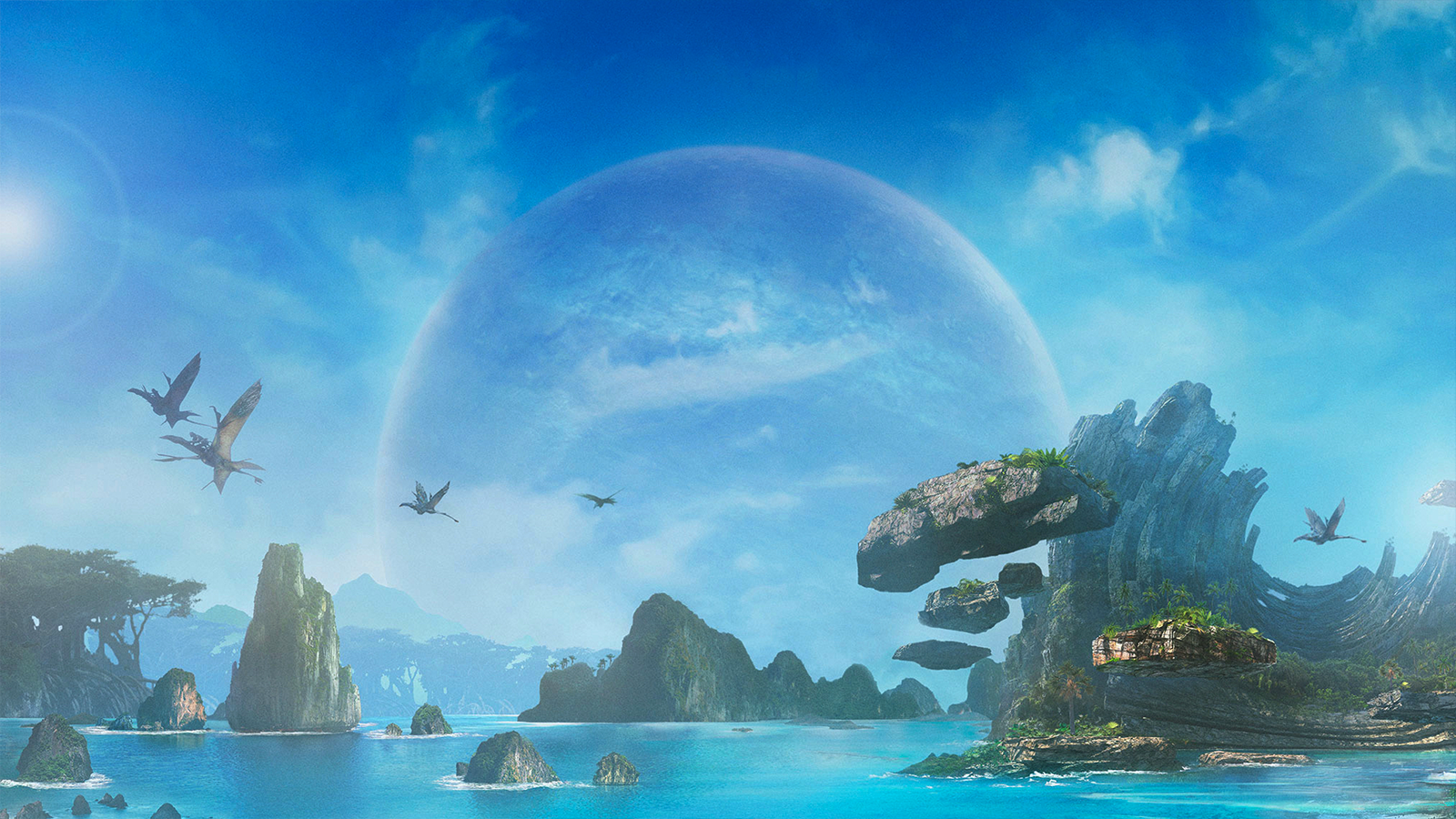
James Cameron, an avid deep-sea explorer himself, wanted to create a "digital reef" that felt ecologically plausible. This required long, sweeping sequences of bioluminescent flora, diverse fish species, and the majestic Tulkuns. By 2026 standards, where high-fidelity VR and immersive media are more common, the visual density of The Way of Water remains a high-water mark. These sequences were designed to induce a meditative state in the viewer, a sense of "presence" that shorter films often sacrifice for rapid-fire pacing.
The world-building extended to the antagonists as well. The RDA’s return to Pandora and the establishment of the city of Bridgehead needed to feel like a massive, unstoppable industrial machine. Showing the scale of the human operations required wide, lingering shots that added minutes to the clock but provided the necessary contrast to the organic beauty of the reefs.
Technical Specifications and Theatrical Logistics
The decision to release a movie exceeding three hours has massive implications for theater owners and technical projection. Despite the length, the film was a massive success, proving that audiences would stay for a high-quality experience.
| Feature | Avatar (2009) | Avatar: The Way of Water (2022) | Avatar: Fire and Ash (2025) |
|---|---|---|---|
| Official Runtime | 162 Minutes | 192 Minutes | 185 Minutes (Estimated) |
| Primary Setting | Rainforest / Floating Mountains | Reefs / Open Ocean | Volcanic Regions / Ash Plains |
| Main Theme | Discovery and Colonialism | Family Protection and Refuge | Grief and Revenge |
| Frame Rate | Standard 24fps | Variable HFR (up to 48fps) | Variable HFR / Enhanced AI Rendering |
The use of Variable High Frame Rate (HFR) in The Way of Water also influenced how the runtime was perceived. The 48fps sequences for action and underwater scenes provided a clarity that made the three-hour experience less taxing on the eyes for many viewers, especially in 3D. However, the length meant that theaters could fit fewer screenings per day compared to a 120-minute film, leading to higher ticket prices for premium formats like IMAX and Dolby Cinema to compensate for the lost "turnover."
Addressing the "Pacing" Debate
The 190-minute mark was not without its detractors. The "pacing" debate centered on whether the film’s second act—the exploration of the reefs—lasted too long before the high-octane final battle. Cameron countered this by stating that the goal of the sequel was not just to provide action, but to provide a "place to live."
From a screenwriting perspective, the film follows a traditional three-act structure, but each act is significantly elongated:
- Act I (The Exodus): Establishing the new threat and the Sully family's flight from the forest (Approx. 45 minutes).
- Act II (The Way of Water): The immersion into the Metkayina culture and the bonding with the sea (Approx. 75 minutes).
- Act III (The Battle of the Sea Dragon): The prolonged sinking of the whaling ship and the final confrontation (Approx. 72 minutes).
By the time the third act begins, the audience has spent over two hours with the characters in a peaceful setting, which heightens the tension when that peace is violently disrupted. This long-form setup is what allowed the final hour to feel like a relentless, high-stakes survival thriller.
Managing the Viewer Experience
For modern audiences, sitting through a 192-minute film without an intermission is a physical challenge. While some international markets included a traditional intermission, most Western domestic theaters did not.
To manage the experience, viewers often looked for "optimal break windows." Most analysts agreed that the early training sequences where the Sully children first learn to ride the Ilu (around the 60-to-80-minute mark) provided the safest window for a quick exit without missing crucial plot developments. However, missing any part of the film's visual splendor was generally discouraged, as the "point" of the movie was the total immersion.
The Legacy of the 190-Minute Runtime in 2026
As of 2026, we see that The Way of Water set a precedent for the Avatar series. The subsequent release, Avatar: Fire and Ash, followed a similar trajectory, though it was slightly tighter in its editing. Cameron’s success with The Way of Water effectively ended the industry myth that "long movies don't make money."
The film's length actually served its longevity on streaming platforms. When it transitioned to Disney+, the 192-minute runtime became an asset, as viewers could consume it like a limited series, pausing between acts. This "chaptered" viewing style has become a standard way for fans to revisit the world of Pandora, proving that while the runtime was designed for the big screen, it was built to last in the home environment as well.
Frequently Asked Questions
Did James Cameron cut any scenes to lower the runtime?
Yes. James Cameron revealed that he cut about 10 minutes of footage that focused primarily on gun violence. He stated that he no longer felt a desire to fetishize guns in his action sequences and preferred to focus on the tactical use of bows, spears, and the environment. This suggests the film could have easily exceeded 200 minutes in its original assembly.
Is there an extended cut of Avatar: The Way of Water?
Unlike the first Avatar, which received a "Special Edition" and an "Extended Collector's Cut," The Way of Water has not seen a significantly longer theatrical or home media re-release as of 2026. The 192-minute version is considered the definitive director’s cut, as Cameron was given full creative control over the initial theatrical release.
Why didn't the movie have an intermission?
Intermissions fell out of fashion in Western cinema during the late 20th century to maximize the number of daily screenings. While many argued that a 190-minute film necessitated a break, Disney and Lightstorm Entertainment opted for a continuous experience to maintain the "immersion" that Cameron considers vital to the Avatar brand.
How does the runtime compare to the first movie?
The Way of Water is exactly 30 minutes longer than the theatrical cut of the 2009 Avatar (162 minutes). This 30-minute increase is almost entirely dedicated to the introduction of the Sully children and the ecological exploration of the Metkayina reefs.
Was the long runtime responsible for the high box office?
While it seems counterintuitive, the length likely helped the box office by positioning the film as a "must-see event" that offered more value for the ticket price. It signaled to the audience that this was not just a movie, but a comprehensive experience that couldn't be replicated quickly or easily.
Final Recommendation: To fully appreciate the 190-minute runtime of Avatar: The Way of Water, it is best viewed in a premium format like 4K HDR or IMAX. The length is a deliberate creative choice designed to transport the viewer to another world; treat it as a journey rather than a standard narrative to get the most out of James Cameron’s vision.
Image Gallery