The Cleveland Abduction Victims in Context: Trajectory, Institutional Failures, and Systemic Impact
The Cleveland abduction victims—Michelle Knight (now Lily Rose), Amanda Berry, and Gina DeJesus—were held captive by Ariel Castro between 2002 and 2013 in Cleveland, Ohio. Placed in historical and institutional context, their survival...
The Cleveland abduction victims—Michelle Knight (now Lily Rose), Amanda Berry, and Gina DeJesus—were held captive by Ariel Castro between 2002 and 2013 in Cleveland, Ohio. Placed in historical and institutional context, their survival and escape highlight critical gaps in adult missing persons protocols, systemic disparities in law enforcement resource allocation, and ongoing advances in trauma-informed survivor advocacy.
Contents
The Timeline of the Abductions: A Decade of Captivity
Understanding the Cleveland abductions requires examining the individual circumstances under which each victim was targeted, as well as the socioeconomic environment of Cleveland’s West Side during the early 2000s. Ariel Castro, a former Cleveland Metropolitan School District bus driver, exploited local familiarity and personal relationships to lure each victim into his vehicle before holding them at his residence at 2207 Seymour Avenue in the Tremont/Clark-Fulton neighborhood.
- Aug 23, 2002: Michelle Knight abducted (Age 21)
- Apr 21, 2003: Amanda Berry abducted (Age 16)
- Apr 02, 2004: Gina DeJesus abducted (Age 14)
- Dec 25, 2006: Birth of Jocelyn Berry in captivity
- May 06, 2013: Amanda Berry escapes; police rescue all survivors
Michelle Knight (Abducted August 23, 2002)
Michelle Knight was 21 years old when she disappeared after leaving a cousin’s home. At the time, she was navigating significant personal adversity, including navigating the child welfare system regarding her young son. Castro offered Knight a ride, promising to give her a puppy for her son. Instead, he drove her to his home, where she was chained in the basement and later locked in an upstairs bedroom. Knight endured the longest captivity of the three women—nearly eleven years—and suffered extreme physical violence, including forced miscarriages engineered through starvation and severe physical assault.
Amanda Berry (Abducted April 21, 2003)
Amanda Berry was 16 years old, one day shy of her 17th birthday, when she vanished after completing her shift at a local Burger King. Castro, who was acquainted with Berry's family, offered her a ride home. Once inside his vehicle, he trapped her and brought her to the Seymour Avenue house. On December 25, 2006, Berry gave birth to a daughter, Jocelyn, inside the house, delivered with the assistance of Michelle Knight under threat of death from Castro.
Gina DeJesus (Abducted April 2, 2004)
Gina DeJesus was 14 years old when she was abducted while walking home from Wilbur Wright Middle School. Castro was the father of one of DeJesus’s close middle school friends, Arlene Castro. Taking advantage of this familiar relationship, Castro offered DeJesus a ride home under the guise of visiting his daughter. Her abduction, occurring less than a year after Berry's disappearance, galvanized local community search efforts across Cleveland's Hispanic community.
Institutional Failures and Law Enforcement Disparities
The decade-long duration of the Seymour Avenue captivity exposed fundamental systemic flaws within missing person investigations, law enforcement prioritization models, and municipal coordination during the early 2000s.
The Adult Missing Person Gap
The contrast between how law enforcement handled Michelle Knight's disappearance versus those of Amanda Berry and Gina DeJesus illustrates a persistent structural problem in missing persons investigations: the legal and operational distinction between missing adults and missing juveniles.
Because Knight was 21 years old at the time of her disappearance, law enforcement initial investigations operated under the assumption that she had left voluntarily due to personal stress and custody disputes. Fifteen months after her disappearance, police removed Knight's record from the National Crime Information Center (NCIC) database. This administrative removal effectively halted federal and regional tracking of her case, rendering her invisible to national law enforcement networks for nearly a decade.
Disparities in Media and Police Allocation
In contrast to Knight, the disappearances of Berry and DeJesus involved minors, triggering immediate missing juvenile protocols. Both cases received sustained attention from local media, national true-crime television broadcasts, and community awareness rallies.
However, despite intense public awareness, operational breakdowns hindered law enforcement from connecting reported neighborhood incidents to Castro's home:
- Unfollowed Neighborhood Leads: Neighbors reported several suspicious occurrences at the Seymour Avenue property over the decade, including naked women crawling in the backyard and strange noises, which were either inadequately investigated or dismissed by responding officers.
- Information Silos: Municipal records showed that police visited Castro’s residence in 2004 regarding an unrelated incident involving a child left on a school bus during his employment as a driver. Because police officers did not knock on the door or force entry after receiving no answer, the opportunity to inspect the interior was lost.
The May 2013 Rescue and Legal Outcomes
On May 6, 2013, Ariel Castro left his residence, accidentally leaving the inner heavy wooden door unlocked while leaving a secondary storm door locked from the outside. Amanda Berry realized the breach, managed to break out the bottom panel of the storm door, and screamed for assistance.
Local neighbors Charles Ramsey and Angel Cordero responded to her cries. Together, they helped Berry break through the door frame, allowing her to escape onto the porch with her six-year-old daughter, Jocelyn. Berry immediately ran to a neighbor's house and dialed 911, identifying herself and informing dispatchers that she had been kidnapped years prior.
911 Dispatch Line Key Excerpt (May 6, 2013): "Help me, I'm Amanda Berry... I've been kidnapped, and I've been missing for 10 years. And I'm here, I'm free now."
Responding officers from the Cleveland Division of Police entered the Seymour Avenue home shortly after the call, clearing the premises and discovering Michelle Knight and Gina DeJesus upstairs. Castro was arrested hours later at a local fast-food restaurant.
Judicial Proceedings and Sentence
In July 2013, Ariel Castro was indicted on 937 criminal counts, including:
- 445 counts of kidnapping
- 512 counts of rape
- 7 counts of gross sexual imposition
- 2 counts of aggravated murder under Ohio law for terminating Knight’s pregnancies through physical abuse
To avoid the death penalty, Castro entered a guilty plea to 937 counts on July 26, 2013. On August 1, 2013, he was sentenced to life imprisonment without the possibility of parole, plus an additional 1,000 years in prison. On September 3, 2013—one month into his sentence at the Correctional Reception Center in Orient, Ohio—Castro died by suicide in his cell.
Comparative Context Matrix
The following matrix provides a structured overview of the missing person profiles, investigation variables, and long-term public trajectories for each survivor.
| Variable | Michelle Knight (Lily Rose) | Amanda Berry | Gina DeJesus |
|---|---|---|---|
| Age at Abduction | 21 years old | 16 years old | 14 years old |
| Abduction Date | August 23, 2002 | April 21, 2003 | April 2, 2004 |
| Initial Police Classification | Voluntary Adult Disappearance | Endangered Missing Minor | Endangered Missing Minor |
| NCIC Status During Captivity | Removed after 15 months | Retained active record | Retained active record |
| Primary Survival Responsibilities | Delivered Jocelyn Berry; endured targeted severe physical abuse | Primary caregiver for daughter Jocelyn | Supported fellow captives; maintained family bond |
| Post-Rescue Memoir | Finding Me (2014) / Life After Darkness (2018) | Hope: A Memoir of Survival in Cleveland (2015) | Hope: A Memoir of Survival in Cleveland (2015) |
| Primary Current Focus | Domestic violence advocacy, author, speaker, animal rescue | Broadcast journalism, missing children public alerts (Fox 8 Cleveland) | Co-founder, Cleveland Family Centre for Missing Children and Adults |
Post-Captivity Trajectories and Trauma Recovery
The post-rescue lives of Lily Rose, Amanda Berry, and Gina DeJesus provide valuable insights into trauma recovery, resilience, and post-traumatic growth following prolonged extreme captivity.
- Lily Rose (Michelle Knight): Author, Speaker, Animal Rescue & Domestic Violence Advocacy
- Amanda Berry: Broadcast Media & Daily Missing Person News Segments (Fox 8)
- Gina DeJesus: Non-profit Leadership & Direct Family Search Support (CFCMCA)
Lily Rose (Michelle Knight)
Following her rescue, Michelle Knight chose to reclaim her identity by legally changing her name to Lily Rose. Recognizing that her experience prior to and during captivity involved severe isolation and trauma, Rose focused her public efforts on healing, psychological recovery, and creative expression. She authored two best-selling memoirs detailing her life before, during, and after Seymour Avenue. Rose has dedicated much of her life to public speaking on domestic abuse, child trauma, and the therapeutic benefits of animal rescue work.
Amanda Berry
Amanda Berry turned her focus toward raising her daughter and establishing a platform to assist other families searching for missing loved ones. Joining Cleveland’s Fox affiliate station (WJW Fox 8), Berry hosted regular news segments highlighting active missing person cases throughout Northeast Ohio. Her broadcast work utilizes her public recognition to keep unresolved missing child and adult cases before the public eye.
Gina DeJesus
Gina DeJesus focused her recovery on direct community action. Alongside her cousin Sylvia Colon and her family, DeJesus co-founded the Cleveland Family Centre for Missing Children and Adults. The non-profit organization provides search assistance, immediate resource allocation, and long-term psychological support to families undergoing the trauma of a missing relative, filling structural gaps left by standard municipal responses.
Systemic Reforms and Legal Evolution
The contextual significance of the Cleveland abductions extends to law enforcement policy changes and state-level legislative updates regarding missing persons protocols.
Elimination of Adult Wait Periods
- Mandatory immediate NCIC entry regardless of victim age.
Cross-Agency Auditing & NCIC Maintenance
- Restrictions on purging adult missing records without positive confirmation.
Special Missing Persons Units
- Establishment of centralized, specialized investigation squads.
Integration of Non-Profit Family Support
- Formal involvement of community organizations (e.g., CFCMCA) during search.
Elimination of Mandatory Waiting Periods and Age Classifications: Prior to 2013, law enforcement agencies frequently encouraged families of missing adults to wait 24 to 48 hours before filing an official missing person report. Post-2013 reforms across Ohio and national law enforcement bodies emphasize that no mandatory waiting period exists for reporting a missing person of any age.
NCIC Protocol and Record Retention Reforms: The premature removal of Michelle Knight from the NCIC database led to overhauled federal guidelines regarding missing adult records. Criminal justice protocols now mandate that an adult missing person profile cannot be purged from state or national databases simply due to elapsed time or unverified assumptions about voluntary departure. Clear evidence of life or direct police contact is now required before a case record is closed.
Establishment of Dedicated Missing Persons Units: Following municipal reviews, major police departments—including the Cleveland Division of Police—restructured their investigative operations to establish dedicated Missing Persons Units. These units centralize intelligence across juvenile runaway desks, adult disappearances, and domestic violence task forces to prevent information silos.
Ethical Standards in Media and Public Advocacy
The intense global media coverage surrounding the May 2013 rescue highlighted the ethical complexities of reporting on victims of severe, long-term trauma. The case established several benchmarks for responsible journalism and community engagement:
- Respecting Privacy vs. Public Interest: Journalists and media outlets are encouraged to refrain from publishing speculative medical, psychological, or reproductive details regarding captivity survivors without explicit consent.
- Avoiding Sensationalized True-Crime Narratives: Media outlets are increasingly held accountable by public advocacy groups for prioritizing structural issues—such as police procedure flaws and missing person resources—over graphic descriptions of abuse.
- Supporting Search Initiatives Directly: Communities are urged to establish local communication networks, share verified law enforcement alerts, and back non-profit search initiatives rather than organizing uncoordinated private investigations that can compromise official operations.
Frequently Asked Questions
How long were the Cleveland abduction victims held captive?
Michelle Knight was held captive for nearly 11 years (August 2002 to May 2013). Amanda Berry was captive for 10 years (April 2003 to May 2013). Gina DeJesus was captive for 9 years (April 2004 to May 2013).
Why was Michelle Knight removed from the missing persons database?
Police removed Michelle Knight from the National Crime Information Center (NCIC) database 15 months after her disappearance because she was 21 years old and investigators initially assumed she had left voluntarily. This administrative mistake was a major focus of post-rescue institutional reviews.
What happened to the house where the victims were held?
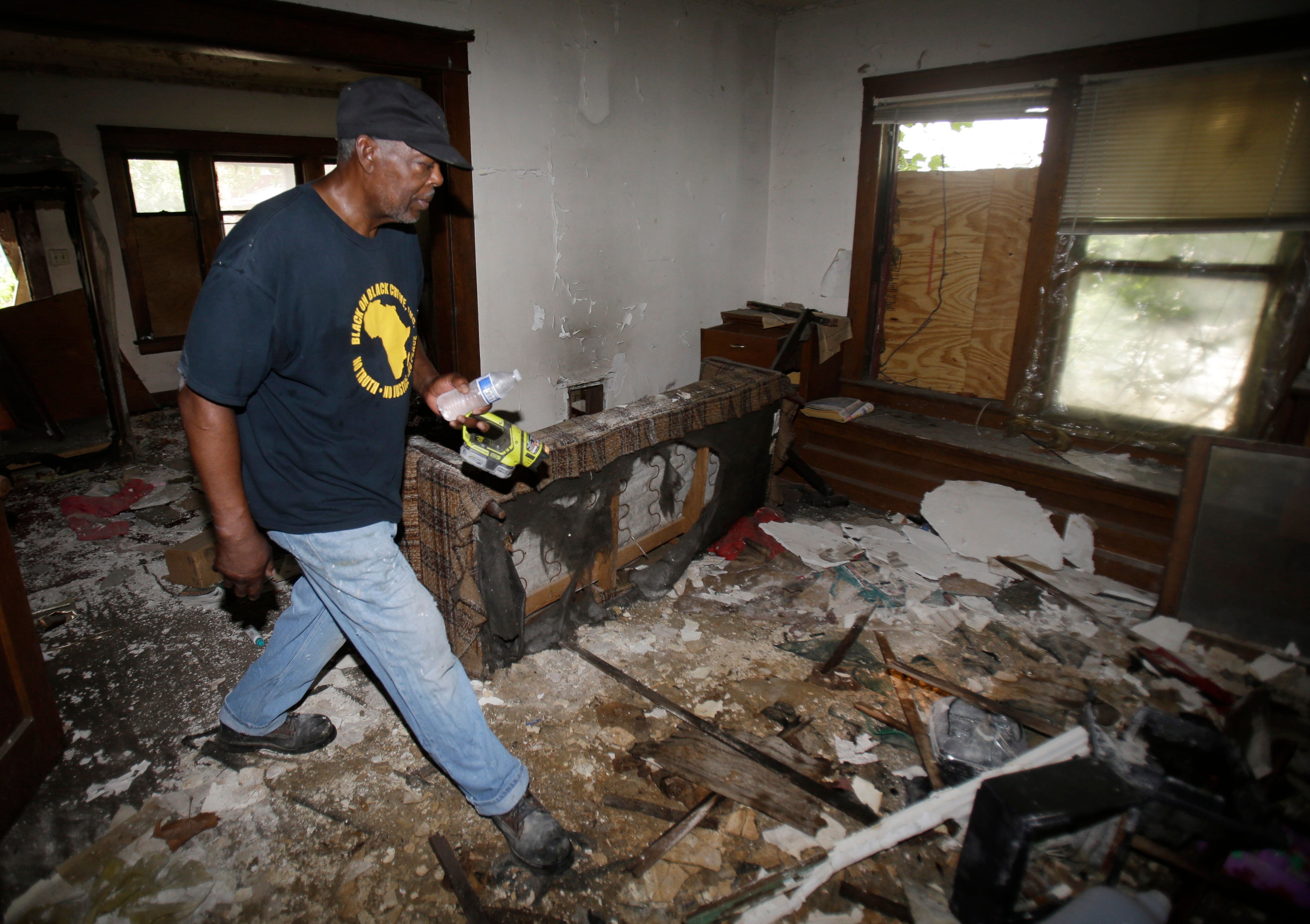
The house at 2207 Seymour Avenue was demolished on August 7, 2013, as part of Ariel Castro’s plea agreement. The site was cleared to prevent it from becoming a morbid spectacle and to assist in the healing process for the local neighborhood.
What organizations were created as a result of the Cleveland abductions?
Gina DeJesus and her family founded the Cleveland Family Centre for Missing Children and Adults. The center offers resources, advocacy, and direct operational search assistance to families searching for missing loved ones across Ohio.
What happened to Ariel Castro after the rescue?
Ariel Castro pleaded guilty in July 2013 to 937 counts, including kidnapping, rape, and aggravated murder. He was sentenced to life imprisonment plus 1,000 years without parole. On September 3, 2013, he died by suicide in his prison cell at the Correctional Reception Center in Orient, Ohio.
Practical Guidance for Missing Person Advocacy
For communities, law enforcement agencies, and victim advocates working on unresolved missing person cases, the structural lessons of the Cleveland abductions emphasize several actionable steps:
- File Reports Immediately: Never wait 24 hours to file a missing person report. Law enforcement agencies are legally required to accept missing person reports immediately, regardless of the individual's age or background.
- Ensure Active Database Registration: Verify that missing relatives are formally entered into both the NCIC database and the National Missing and Unidentified Persons System (NamUs).
- Audit Active Cases Periodically: Family members and advocates should maintain regular communication with assigned detectives to ensure missing adult profiles are not quietly deactivated or misclassified as voluntary departures.
- Leverage Non-Profit Resources: Engage organizations such as the National Center for Missing & Exploited Children (for minors) or local advocacy groups like the Cleveland Family Centre for Missing Children and Adults to maintain public awareness and support search operations.
Image Gallery