Where Shrinkflation Is Happening: A Complete Sector-by-Sector Guide
Shrinkflation—the practice of reducing a product's contents, net weight, or volume while keeping its retail price unchanged—is occurring across fast-moving consumer goods, household supplies, pet care, and service industries. Shoppers...
Shrinkflation—the practice of reducing a product's contents, net weight, or volume while keeping its retail price unchanged—is occurring across fast-moving consumer goods, household supplies, pet care, and service industries. Shoppers encounter package downsizing most frequently in grocery aisles, where packaged snacks, dairy products, paper goods, and personal care items undergo subtle dimensional or weight reductions.
Contents
Understanding Shrinkflation in Modern Commerce
Shrinkflation represents a discreet form of price escalation. Rather than raising the sticker price of an item, manufacturers adjust package contents to offset rising raw material costs, transportation fees, labor expenses, and supply chain disruptions. Because consumers generally react more negatively to a visible price increase than to a slight reduction in net quantity, product redesigns often obscure size drops.
While the practice itself is not new, the breadth of product categories experiencing unit-size reduction has expanded significantly. Advanced packaging technology enables brands to modify package depth, bevel plastic containers, widen package bases, or reduce sheet thickness without significantly changing a product's shelf presence. As a result, shrinkflation has migrated from a temporary tactic during high-inflation periods into a baseline inventory strategy for fast-moving consumer goods (FMCG) corporations.
1. Grocery Aisles and Packaged Foods
The grocery sector remains the primary arena where shrinkflation is detected. Because consumers purchase food products on high-frequency schedules, subtle changes in quantity compound quickly over time.
Snack Foods, Confectionery, and Chips
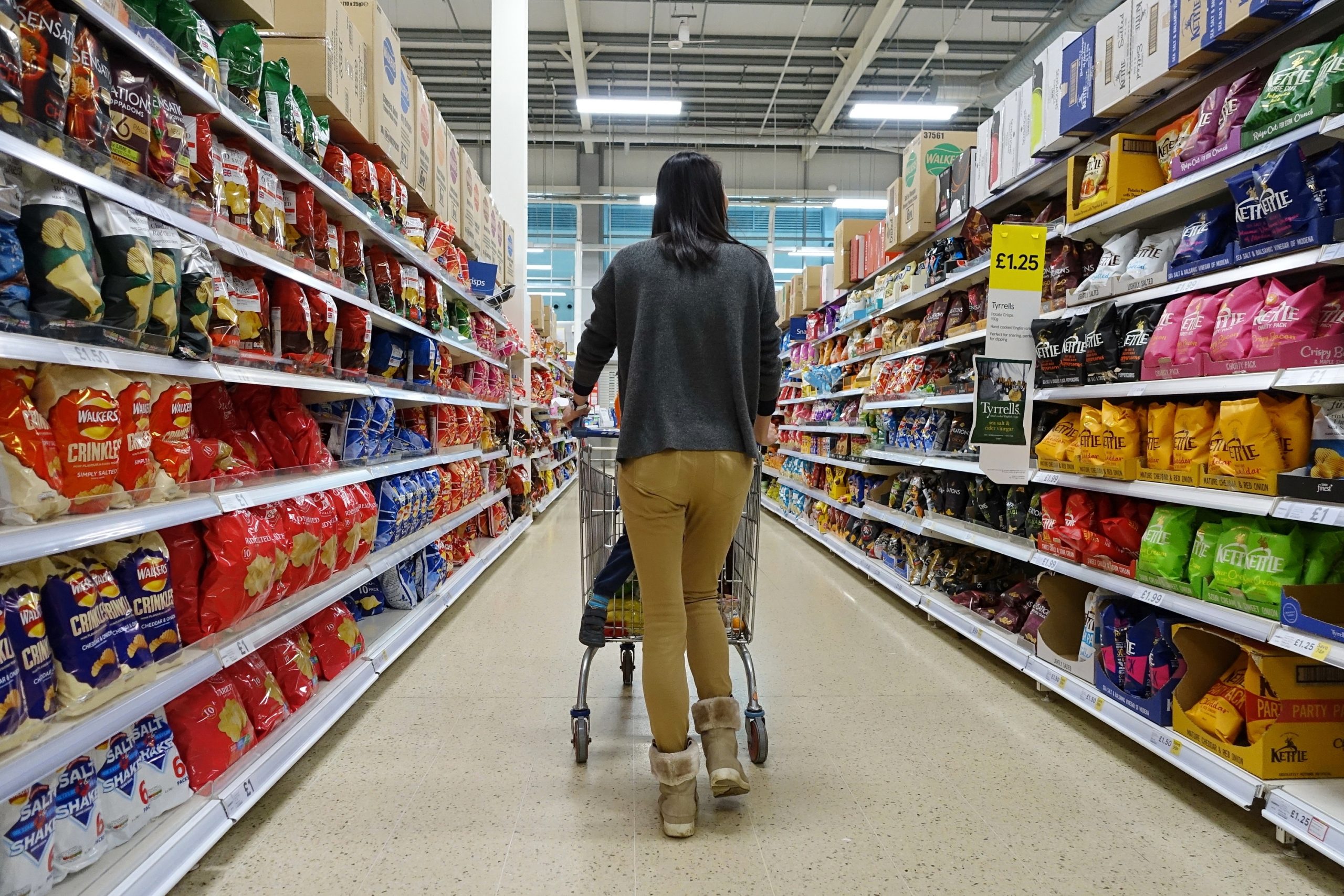
Snack foods are particularly susceptible to hidden volume adjustments due to their packaging structure. Bags of potato chips, tortilla chips, and pre-bagged pretzels naturally contain air space (nitrogen gas flushing) to protect contents from crushing during transit. Manufacturers frequently decrease the net weight of the product while keeping the overall bag size identical.
- Potato Chips and Pretzels: Bag weights historically sold at 10 ounces (283 grams) are frequently reissued at 9.25 ounces or 8.5 ounces, representing an 8% to 15% reduction in edible product per bag.
- Chocolate and Candy Bars: Multi-packs and single-serve chocolate bars often see weight drops achieved through narrower bar segments, deeper underside indentations, or reduced piece counts per pack.
- Crackers and Biscuits: Box dimensions remain uniform, but interior plastic trays are molded with deeper dividers or larger air gaps, holding fewer individual crackers per package.
Breakfast Foods and Cereals
Cereal and breakfast items present unique challenges for shoppers tracking volume changes. Brands routinely introduce altered box profiles, such as "Family Size" or "Giant Size" tiers, which reset consumer memory of standard weights.
- Cereal Boxes: Traditional "standard" cereal boxes that once held 14 to 16 ounces have dropped down to 11 to 13 ounces. Manufacturers often make the boxes taller and wider, but noticeably thinner from front to back, maintaining front-of-box visual area while reducing interior volume.
- Ground and Whole Bean Coffee: The historic standard 1-pound (16-ounce) bag of retail coffee previously shrank to 12 ounces; more recently, several specialty and national brands have further reduced bag fill to 11 ounces or 10 ounces per bag without altering shelf pricing.
Dairy, Refrigerated Goods, and Beverages
Liquid volumes and chilled items are managed under strict regulatory volume markings, yet downsizing remains widespread through bottle and tub re-engineering.
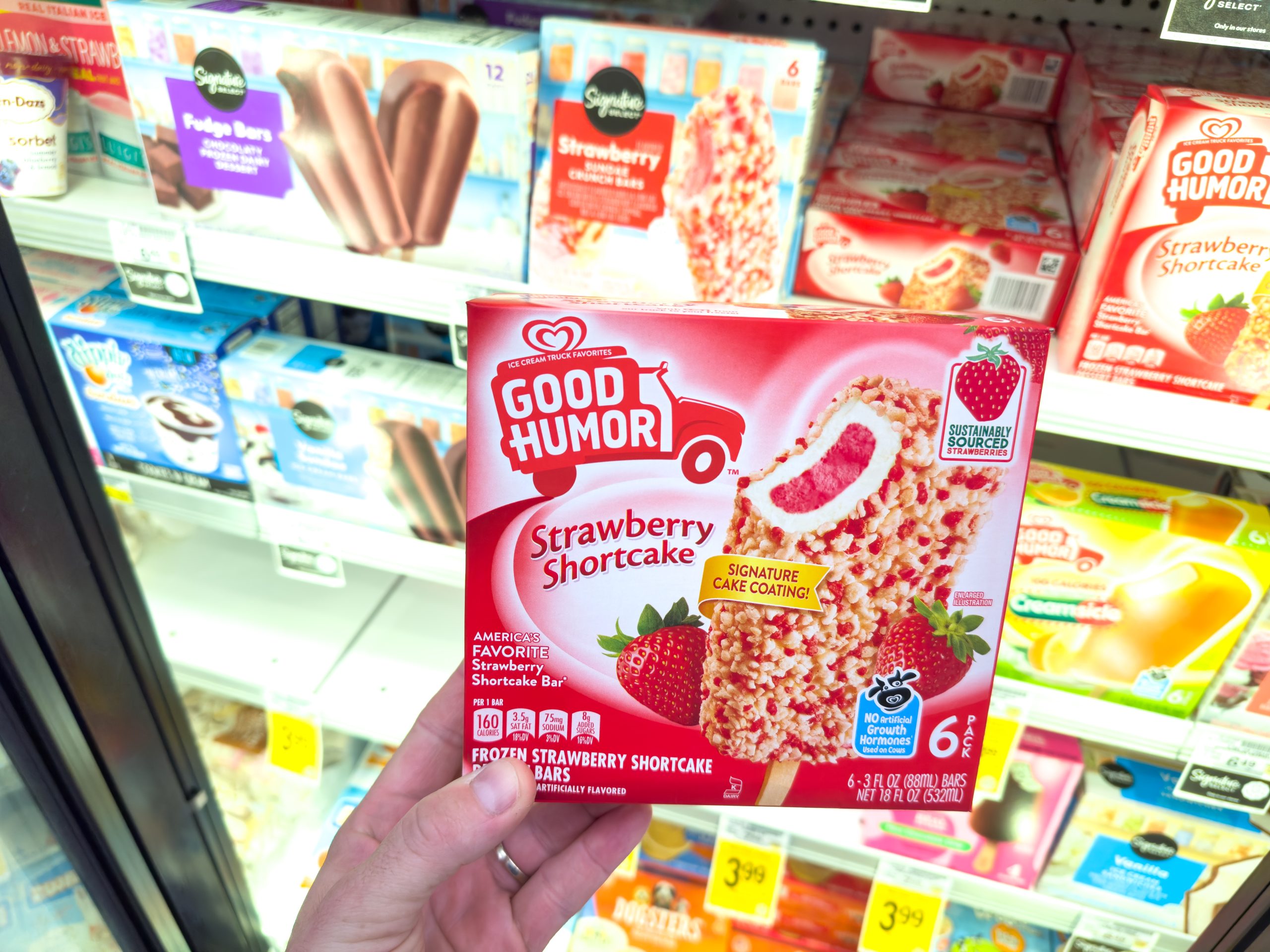
- Ice Cream and Frozen Desserts: The traditional 2-quart (64-fluid-ounce) tub long ago dropped to 1.5 quarts (48 fluid ounces). Recent production runs show further reductions to 44 or 42 fluid ounces, particularly for premium offerings.
- Yogurt and Sour Cream: Single-serve yogurt cups have migrated down from 6 ounces to 5.3 ounces, with some Greek yogurt brands offering 4.5 to 5-ounce portions in containers featuring deeply concave bottoms.
- Fruit Juices: Standard half-gallon (64 fluid ounce) orange juice and juice blend containers have widely been replaced by 59-fluid-ounce and 52-fluid-ounce bottles.
Historical Comparison of Common Consumer Goods Downsizing
| Product Category | Legacy Standard Size | Current Retail Size | Avg. Volume Reduction |
|---|---|---|---|
| Orange Juice | 64 fl oz (1.89 L) | 52 fl oz (1.54 L) | -18.75% |
| Ice Cream Tubs | 64 fl oz (2 quarts) | 48 fl oz (1.5 quarts) | -25.00% |
| Ground Coffee (Bags) | 16 oz (1 lb / 454g) | 10 oz - 12 oz | -25.00% to -37.50% |
| Single Yogurt Cups | 6.0 oz (170g) | 4.5 oz - 5.3 oz | -11.60% to -25.00% |
| Toilet Paper (Rolls) | 400+ sheets/roll | 180 - 240 sheets/roll | -40.00% to -55.00% |
| Boxed Cereal | 16 oz (454g) | 11 oz - 13 oz | -18.75% to -31.25% |
2. Household Supplies and Non-Food Goods
Shrinkflation extends beyond the kitchen pantry. Household paper products, cleaning chemicals, and maintenance supplies undergo steady structural re-engineering.
Paper Products (Toilet Paper, Towels, and Tissues)
Paper goods feature some of the most complex metrics in consumer retail, using sheet count, ply, sheet dimensions, and roll density to modify product volume.
- Toilet Paper: Manufacturers reduce value by cutting total sheet count per roll (e.g., from 264 sheets to 220 sheets), trimming sheet width by fractions of an inch, or widening the central cardboard tube to create the optical illusion of a full roll.
- Paper Towels: Sheet counts per roll are reduced, while perforation distances are shortened to create "choose-a-sheet" formats that yield less total square footage of paper per roll despite high sheet-count claims on front packaging.
Cleaning and Laundry Detergents
Laundry and dishwashing products rely heavily on concentration claims to explain smaller packaging sizes.
- Liquid Laundry Detergent: Bottles feature smaller fluid capacities while claiming to perform equivalent wash loads through concentrated formulas. In practice, dosing caps often lack clear measurement lines, causing consumers to use more product per load and repurchase sooner.
- Dishwasher Pods and Soap: Multi-pack tubs drop piece counts (e.g., from 60 pods to 52 pods) within identical plastic containers. Dish soap liquid bottles drop net volume by 2 to 4 fluid ounces per bottle tier.
3. Personal Care and Hygiene Products
Personal care items combine complex packaging design with brand loyalty, making them prime candidates for size adjustments.
- Toothpaste: Outer cardboard boxes often remain unchanged while interior tubes shrink from 6.0 ounces to 4.8 or 3.5 ounces. Deeper plastic caps and thicker tube walls hide the volume loss.
- Bar Soaps and Body Wash: Soap bars are molded with exaggerated convex curves or hollowed undersides, dropping weight from 4.25 ounces to 3.75 ounces or less without altering length and width profiles. Body washes cut volume while retaining bottle height via taller dispenser caps.
- Shampoo and Conditioners: Bottle shapes undergo restyling, adopting tapered shoulders or indented grips that diminish total liquid volume by 10% to 15%.
4. Pet Care Products
Pet food and supplies experience frequent weight modifications, often driven by shifts in protein prices and global agricultural commodity costs.
- Dry Kibble Bags: Large dog food bags historically offered in 30-pound (13.6 kg) formats have been downsized to 28-pound, 26-pound, or 24-pound increments. Small-breed formulas show similar shifts from 15 pounds down to 12 or 11 pounds.
- Wet Canned Food: Standard 5.5-ounce cat food cans and 13.2-ounce dog food cans undergo subtle depth reductions, dropping to 5.1-ounce and 12-ounce sizes, respectively.
- Cat Litter: Box and bag weights shift downward (e.g., from 20 pounds to 17.5 pounds), frequently re-branded under "lightweight" formulas that obscure net weight drops.
5. Restaurants, Hospitality, and "Skimpflation"
Shrinkflation is not limited to retail shelves; it directly affects the service and food-away-from-home sectors.
Food Service and Fast Food Portion Sizes
Quick-service and casual dining restaurants employ menu-engineering tactics to reduce portion sizes while holding price points steady or adjusting them upward.
- Protein Portioning: Entrées feature smaller meat portions by weight (e.g., quarter-pound patties adjusted downward prior to cooking or reduced poultry cuts in pasta dishes).
- Side Items and Add-ons: Basket sizes for french fries, side salads, and breadsticks shrink. Free complimentary items—such as chips and salsa or table bread—are either reduced or shifted behind paid add-on menus.
The Rise of "Skimpflation"
Alongside physical size reductions, service sectors engage in skimpflation, where product formulas or service levels are downgraded to save costs:
- Ingredient Reformulation: Food producers substitute expensive ingredients with lower-cost alternatives—such as replacing cocoa butter with palm oil in chocolates, or reducing olive oil content in prepared sauces.
- Service Reductions: Hotels trim daily housekeeping services, reduce operating hours for front desks or amenities, and implement self-service check-in kiosks without lowering room rates.
Geographic and Market Dynamics
Shrinkflation patterns vary depending on regulatory environments and store formats.
National Brands vs. Private Label Store Brands
Historically, name-brand manufacturers led shrinkflation trends, with store private-label brands following closely behind to maintain a price gap. Modern inventory data indicates that store brands now downsize packaging simultaneously with national brands. Retailers adjust private-label specifications during contract renewals with co-packers to protect gross margin percentages against wholesale inflation.
Global Variations and Regulatory Responses
Different geographic regions handle transparency around package downsizing in distinct ways:
- European Union: Countries such as France have pushed for mandatory retail labeling. Major European supermarket chains have implemented shelf tags alerting shoppers when a product's size has decreased while its price remained steady or increased.
- North America: In the United States and Canada, explicit size disclosure on the front of packaging is generally not legally mandated, provided the net weight printed on the bottom or back of the container is accurate. The U.S. Federal Trade Commission (FTC) monitors deceptive packaging practices, but accurate weight labeling protects manufacturers from legal action regarding size reductions.
How Consumers Can Detect and Avoid Shrinkflation
Navigating shrinkflation requires shifting focus from product sticker prices to standardized measurement metrics.
Practical Steps to Counteract Package Downsizing
| Strategy | Actionable Implementation Step |
|---|---|
| Unit Price Tracking | Calculate cost per ounce, gram, or sheet rather than looking at price. |
| Bulk Purchasing | Buy non-perishables in commercial size formats to lower unit costs. |
| Package Architecture Eye | Inspect container bases for concave indents ("punt") and hollow spaces. |
| Brand Switching | Compare national brand unit pricing directly against store-brand tiers. |
| Weight Verification | Reference historical recipes or pantry items against new retail weights |
1. Prioritize Unit Pricing Over Package Cost
The most reliable defense against shrinkflation is monitoring the unit price on shelf labels (e.g., "$0.32 per ounce" or "$1.20 per 100 grams"). When a manufacturer downsizes a container without altering the retail price, the unit cost increases immediately.
2. Inspect Package Geometry
Be aware of container redesigns featuring the following structural modifications:
- Deeply indented bottom bases (known as "punts" in bottles and plastic tubs).
- Thicker container sidewalls or raised interior dividers in boxed goods.
- Exaggerated neck tapers on squeeze bottles and pumps.
3. Compare Alternative Formats and Bulk Sizes
Larger bulk sizes purchased at wholesale clubs or bulk aisles generally suffer less frequent shrinkflation redesigns than standard grocery-tier packaging, yielding a lower unit price overall.
Frequently Asked Questions
Where is shrinkflation most common?
Shrinkflation occurs most frequently in consumer packaged goods (CPG), specifically in snack foods, cereals, paper products, dairy items, personal hygiene goods, and pet food. It is also common in quick-service restaurants, where portion sizes drop while menu prices remain steady.
Is shrinkflation legal?
Yes, shrinkflation is legal in most jurisdictions, provided the manufacturer accurately updates the net weight, volume, or count declaration on the packaging. As long as the container accurately states the amount of product inside, it does not violate standard trade rules unless explicitly deceptive packaging practices occur under local laws.
How does shrinkflation differ from skimpflation?
Shrinkflation reduces the physical size, weight, or quantity of a product while maintaining its price. Skimpflation reduces the quality of the product or service—such as substituting cheaper ingredients in a recipe, reducing customer support availability, or curtailing hotel amenities—while charging the same price.
Why do companies choose shrinkflation over direct price increases?
Market research shows that consumers are generally more sensitive to visible sticker price increases than to small reductions in net weight. Shrinkflation allows brands to offset rising production, labor, and transport costs without triggering consumer backlash at the checkout counter.
How can shoppers protect their budget against shrinkflation?
Shoppers can protect their budget by checking the shelf unit price (cost per ounce, pound, or liter) instead of the item price, buying store-brand alternatives, purchasing non-perishable goods in bulk, and staying alert to packaging redesigns and formula changes.
Recommended Next Steps for Shoppers
To manage household expenses effectively amid widespread shrinkflation, incorporate these actionable habits into your routine:
- Audit Household Staples: Review the unit prices of the 15 to 20 items you purchase most frequently. Record the cost per unit rather than the box price to establish an accurate baseline.
- Utilize Digital Shopping Tools: Many grocery store mobile apps display standardized unit pricing across categories, making it easy to compare national brands against private labels before entering the store.
- Switch to Metric Comparisons: When evaluating items with confusing unit descriptions (such as sheet counts or varied package shapes), convert the total package contents to net weight in grams or volume in milliliters to determine true product value.
Image Gallery