Why No Phones at The Masters Matters: Preserving the Augusta National Experience
The strict prohibition of mobile devices at the Masters Tournament is a cornerstone of the Augusta National Golf Club’s operational philosophy. By eliminating smartphones, the club preserves an atmosphere of singular focus, mandates ge...
The strict prohibition of mobile devices at the Masters Tournament is a cornerstone of the Augusta National Golf Club’s operational philosophy. By eliminating smartphones, the club preserves an atmosphere of singular focus, mandates genuine spectator engagement, and protects the exclusivity of its broadcast and image rights, ensuring that the focus remains entirely on the competition rather than the digital clutter of modern life.
Contents
The Augusta National Tradition and Technological Restriction
The Masters Tournament, held annually at Augusta National Golf Club, is famously known for its adherence to tradition. While the sporting world has embraced instant connectivity, high-definition live streaming, and ubiquitous social media sharing, the Masters remains a bastion of "analog" spectating. The policy is straightforward: patrons are prohibited from bringing cellular devices, beepers, or any electronic recording equipment onto the grounds.
This is not merely a logistical rule; it is a structural pillar of the tournament’s identity. Since the inception of the current policy, the club has viewed the presence of smartphones as a distraction that fundamentally alters the relationship between the spectator and the athlete. By removing the ability to record, tweet, or browse the internet, Augusta National forces patrons to be physically and mentally present. When you walk through the gates, you are entering a space where the rhythm of the game dictates the pace of the day, rather than the notification chimes of an inbox.
Protecting the Atmosphere of the Game
For the professional golfer, the Masters presents a unique mental challenge. The silence required for a putt at the 18th hole is legendary. In an era where a stray camera click or a muffled ringtone could cost a player a stroke, the complete removal of mobile devices is a protective measure for the integrity of the competition.
When spectators are not buried in their screens or preoccupied with finding the perfect angle for a viral video, they become more attuned to the nuances of the game. They observe the wind patterns, the slope of the greens, and the subtle body language of the players. This collective focus creates a pressurized environment that tests the players' nerves in ways that other venues cannot replicate. The absence of the "blue light" glow from thousands of screens also keeps the aesthetic of the course pristine, ensuring that the iconic Georgia pines and azaleas remain the visual focus, rather than a sea of handheld devices.
Operational Efficiency and Security
Beyond the cultural impact, the "no phones" policy offers significant operational advantages. Crowd management at a major sporting event is a logistical feat, and mobile devices often contribute to "pedestrian congestion." In areas like the walkway between the 1st and 10th tees, or around the Amen Corner, the flow of traffic is critical. People stopping suddenly to check emails or take photos can create bottlenecks that disrupt the flow of thousands of patrons.
Furthermore, the policy significantly reduces security risks associated with unauthorized recording. Augusta National is notoriously protective of its intellectual property. By prohibiting recording devices, the club maintains total control over the dissemination of images and video from the grounds. This exclusivity enhances the value of their official broadcast partnerships and ensures that the "Masters experience" remains something that can only be fully appreciated by those who are physically present or those watching through the curated lens of authorized global partners.
Comparison of Spectator Policies
The approach at Augusta National is distinct when compared to other major sporting events, including other golf majors. The following table illustrates the contrast between the Masters and a typical PGA Tour event.
| Feature | The Masters (Augusta National) | Standard PGA Tour Event |
|---|---|---|
| Mobile Devices | Strictly Prohibited | Permitted (Silent Mode) |
| Camera Usage | Restricted to Practice Rounds | Allowed (Mobile Devices) |
| Social Media Posts | Not possible from course | Encouraged / Real-time |
| Pace of Interaction | Intentional / Observational | Continuous / Digital |
| Security Focus | High (Controlled Environment) | Moderate (Public/Open) |
The Impact on the Modern Fan Experience
For the first-time attendee, the sudden loss of connectivity can feel jarring. Many modern fans are accustomed to constant digital feedback loops. However, regular patrons often describe the feeling of "digital detox" as one of the most rewarding aspects of the week. Without the ability to check scores from other games, respond to urgent work emails, or update social media, attendees find they are actually watching more golf.
The unintended benefit of this policy is the restoration of communal conversation. In the absence of digital distractions, patrons engage with those around them, discussing the history of the course and the current status of the leaderboard. This fosters a sense of community that is increasingly rare in live sports settings. It turns the spectator experience back into a shared human event rather than a solitary digital one.
Troubleshooting and Practical Alternatives
If you are planning to attend, it is essential to prepare for the reality of total disconnection. Augusta National provides infrastructure to mitigate the practical downsides of this policy.
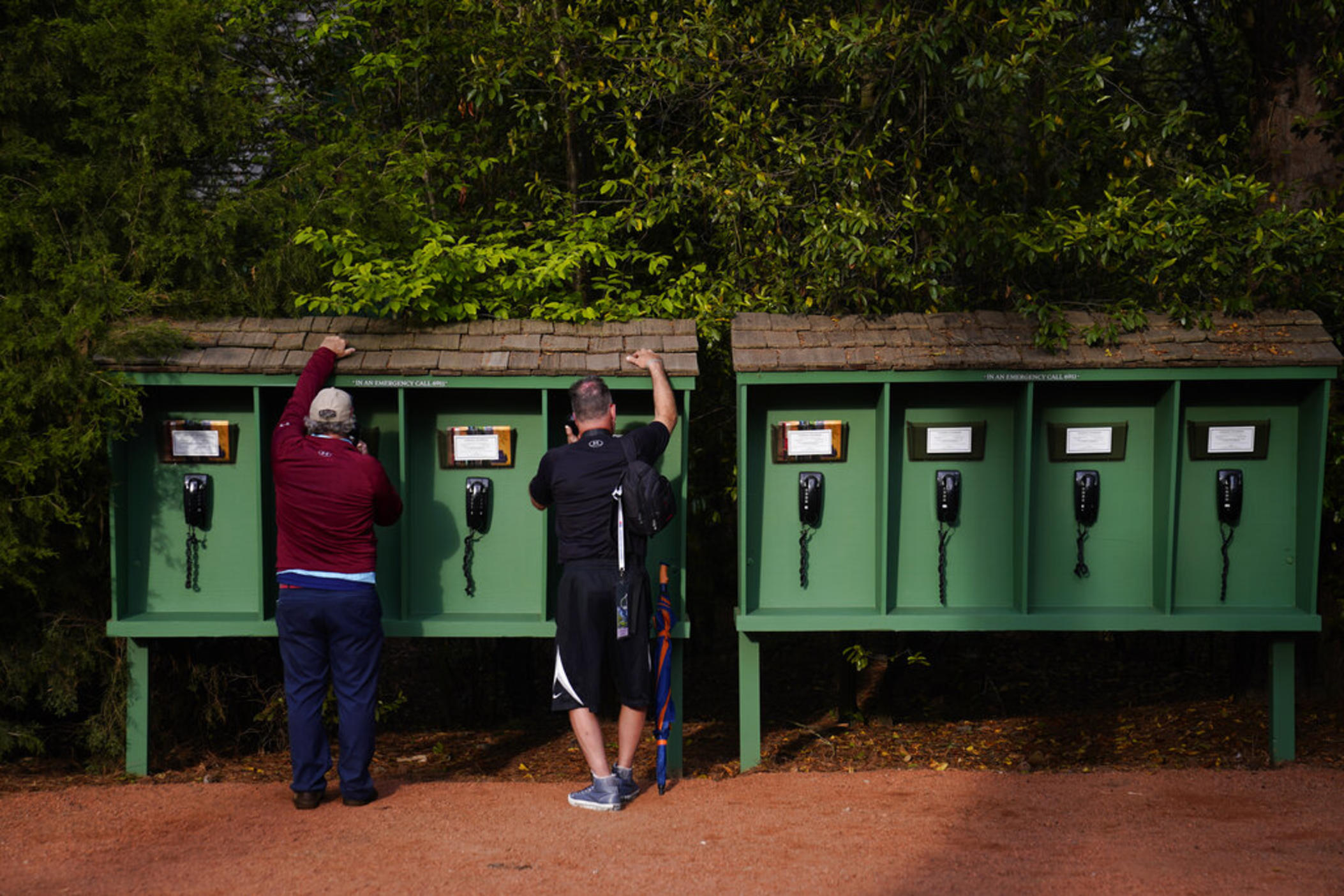
- Public Telephones: The club maintains banks of traditional, free long-distance telephones throughout the course. While it may feel archaic, these phones are a reliable way to coordinate meetups or check in with family.
- Scoreboards: The iconic manual scoreboards are strategically placed throughout the course. They provide accurate, real-time data that is often easier to read at a glance than a smartphone screen.
- Communication Plans: Before entering the grounds, establish a designated meeting point and time with your party. Because mobile coordination is impossible once inside, having a pre-agreed "Plan B" is vital if your group gets separated.
- Information Booths: Should you need assistance or encounter a lost party, the staff at the many information booths located near the course entrances are highly trained in managing such situations without the need for personal technology.
Frequently Asked Questions
Are cameras allowed at the Masters? Cameras are strictly prohibited during tournament days. You may bring a camera only on official practice days, and even then, specific lens size restrictions apply. Check the official Masters website for the current year's spectator guidelines before arriving.
How do I check scores while on the course? The tournament provides numerous manual leaderboards throughout the grounds. These are updated by hand and provide a comprehensive view of how every player on the course is performing relative to par.
What happens if I try to sneak a phone in? Security at the gates is thorough. If a prohibited item is found, you will be required to return it to your vehicle or an off-site storage facility. Security staff are firm; there are no exceptions to the rule.
Can I use a tablet or e-reader? No. The prohibition includes all cellular devices, tablets, laptops, and electronic recording devices. If it has a screen and connectivity or recording capability, it is generally not permitted.
How does this policy affect the broadcast? The policy allows the club to maintain a high degree of control over what is filmed and distributed. This results in the high-quality, polished production that the Masters is known for, as there are no unauthorized fan videos circulating that conflict with the official broadcast aesthetic.
Next Steps for the Attending Patron
If you are fortunate enough to secure tickets for a future Masters tournament, view the "no phones" policy not as a restriction, but as an opportunity. Preparation is the key to enjoying this unique environment. Practice "analog" planning: print your map, write down your priority viewing spots, and coordinate your meeting times in advance. By embracing the lack of connectivity, you allow yourself to fully immerse in one of the most prestigious sporting events in the world, unburdened by the digital demands of the outside world.
Image Gallery