Grimace and Friends in Fast Food Marketing: Nostalgia, Brand Equity, and Viral Reimagining
Grimace and friends—the fictional McDonaldland characters introduced by McDonald's in 1971—represent one of the most durable character-driven marketing initiatives in corporate history. Originally created to target child consumers thro...
Grimace and friends—the fictional McDonaldland characters introduced by McDonald's in 1971—represent one of the most durable character-driven marketing initiatives in corporate history. Originally created to target child consumers through Saturday morning television commercials and playplaces, these mascots have transformed into high-value cultural assets leveraged for nostalgia marketing, adult promotional meals, and viral social media engagement.
Contents
The Historical Evolution of McDonaldland Characters
The inception of McDonaldland in 1971 marked a decisive pivot in quick-service restaurant (QSR) marketing. Developed by advertising agency Needham, Harper & Steers, the fictional universe established a narrative ecosystem that transformed standard meal consumption into an immersive world of entertainment.
When first introduced, the character roster featured distinctly different characterization than modern audiences recognize today:
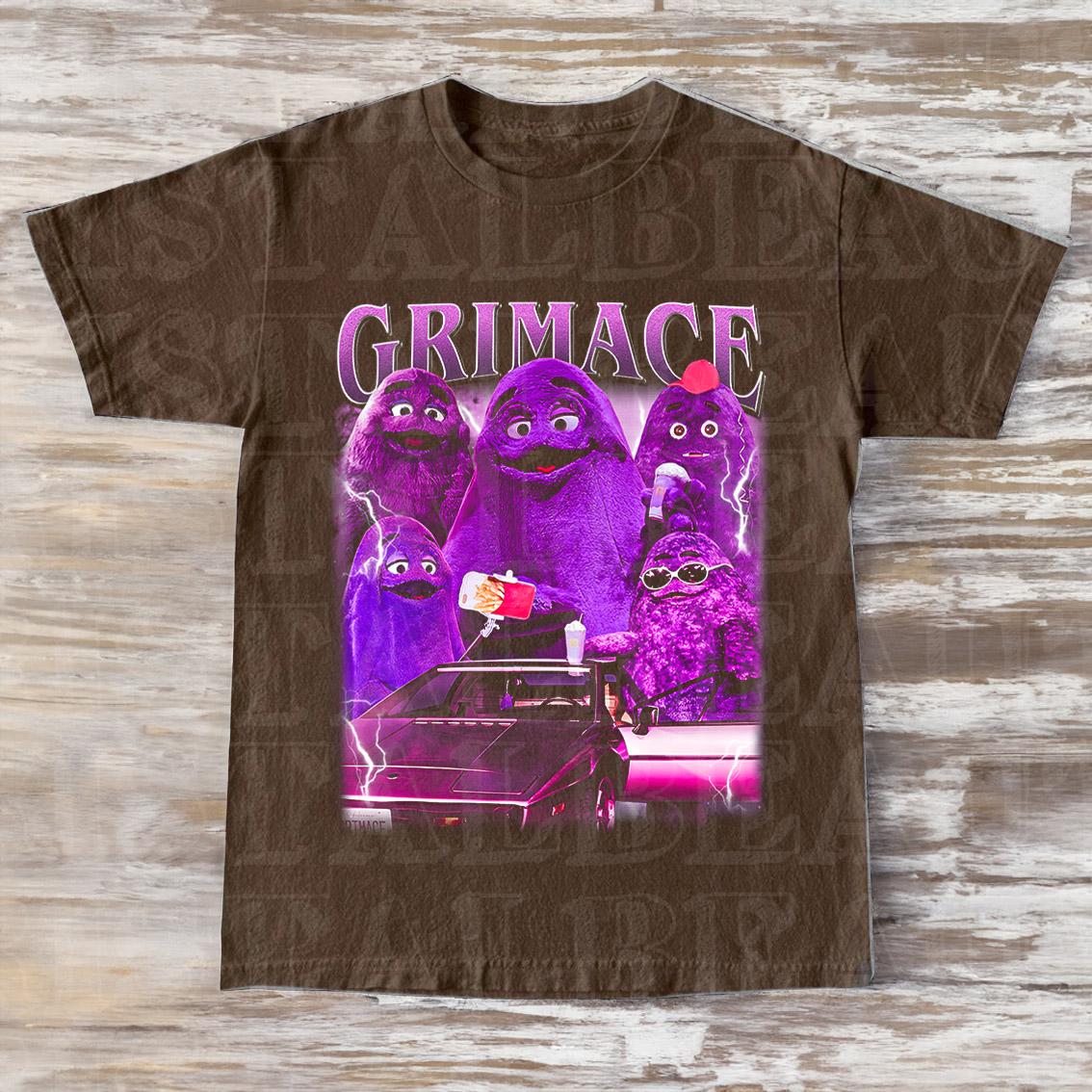
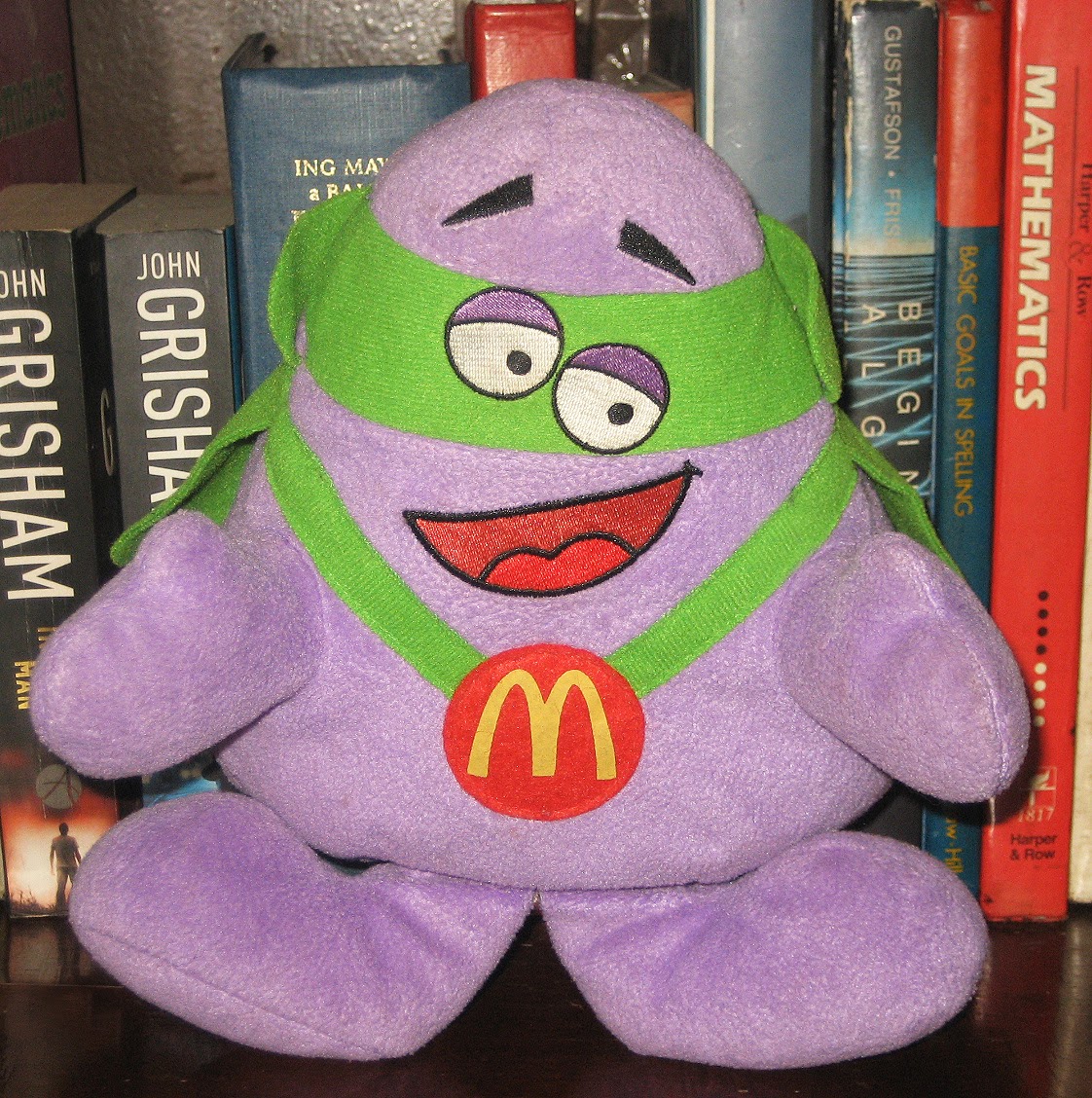
- Grimace: Originally debuting as "Evil Grimace," the character was a four-armed purple monster who hid in caves and stole milkshakes from children. Recognizing that a four-armed villain intimidated younger viewers, McDonald's redesigned him in 1972 into a friendly, two-armed, cheerful purple blob who simply loved shakes.
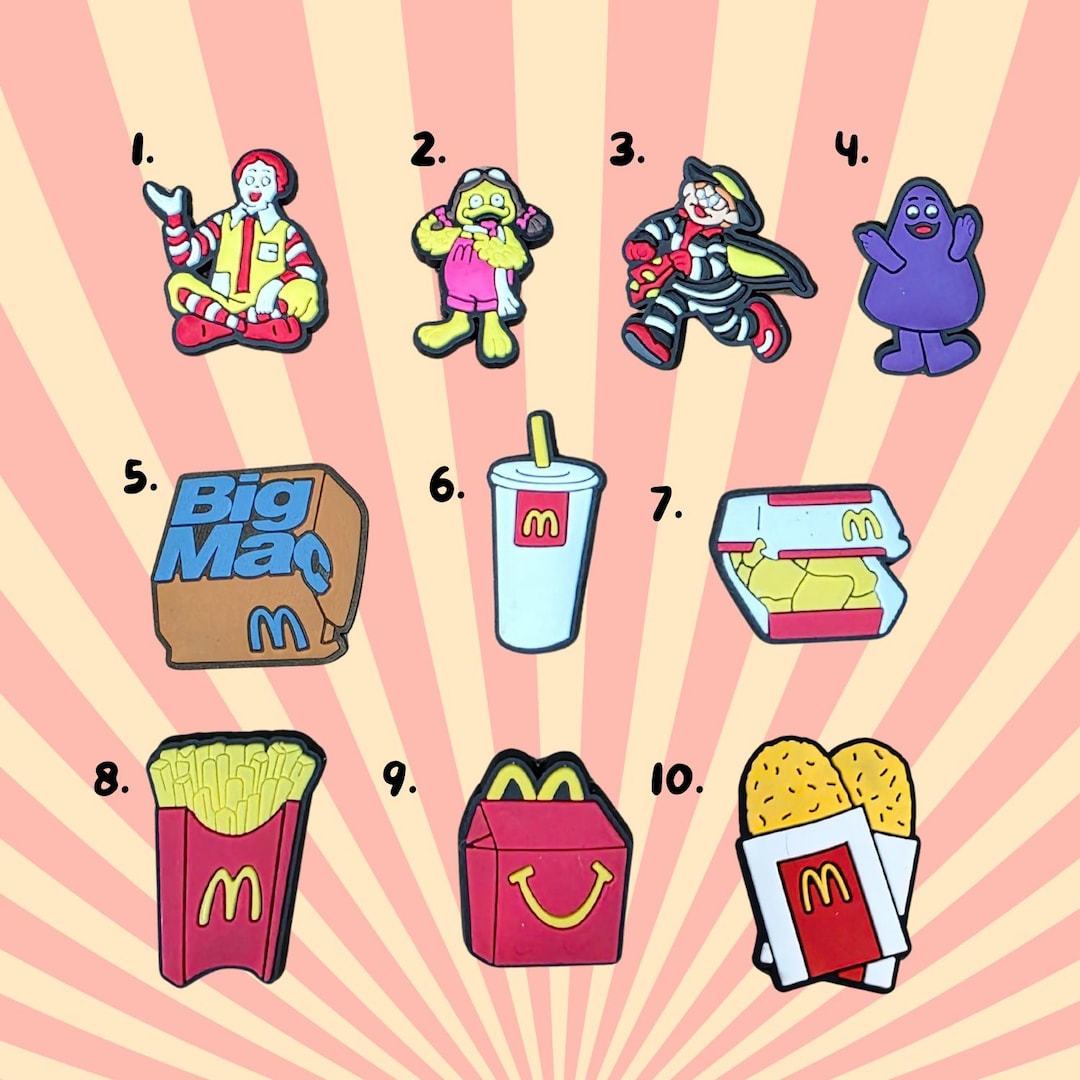
- Hamburglar: Introduced as a sinister, weather-beaten thief with gray hair who spoke in unintelligible gibberish ("gobble-gobble"), the character was later softened into a mischievous, playful boy with a black cape, eye mask, and striped jumpsuit.
- Birdie the Early Bird: Created in 1980 to promote the chain's newly introduced breakfast menu, Birdie served as a bright, enthusiastic aviator mascot designed to normalize fast-food breakfast for suburban families.
- Ronald McDonald: The central anchor of the franchise, serving as the welcoming host and primary bridge between the real world and the fantastical McDonaldland universe.
- Supporting Cast: Mayor McCheese, Officer Big Mac, Captain Crook, the Professor, and the Fry Kids (originally Fry Guys and Fry Girls) expanded the narrative depth, turning every item on the menu into an embodied character.
The initial rollout of McDonaldland was not without legal complications. In 1973, television producers Sid and Marty Krofft sued McDonald's, alleging that McDonaldland infringed upon the copyrights and trademarks of their popular children's television show, H.R. Pufnstuf. The Ninth Circuit Court of Appeals ultimately ruled in favor of the Krofft brothers in Sid & Marty Krofft Television Productions, Inc. v. McDonald's Corp. (1977), finding substantial similarity in the concept and execution of the fantasy worlds. This ruling forced McDonald's to modify several character designs and phase out Mayor McCheese and Officer Big Mac from major broadcast media over subsequent years.
The Sunset and Dormancy Phase: From Childhood Pillar to Reserve IP
For nearly three decades, McDonaldland characters dominated QSR marketing. They appeared in high-budget animated and live-action television spots, licensed video games, Happy Meal toy lines, and themed restaurant architecture across the globe. However, by the late 1990s and early 2000s, macroeconomic, regulatory, and social dynamics required a fundamental restructuring of fast-food advertising strategies.
Evolution of Fast-Food Character Marketing
- 1970s - 1990s: Child-Centric Entertainment
- Saturday morning cartoons, playplaces, and direct TV advertising
- Focus on toy premiums, fantasy narratives, and brand recognition
- 2000s - 2010s: Regulatory Shift & Brand Dormancy
- Scrutiny over child nutrition and advertising to minors
- Redesign of restaurant interiors; shelving of fantasy mascots
- Preservation of character IP in official brand archives
- 2020s - Present: Nostalgia Engine & Viral Reimagining
- Adult Happy Meals, streetwear collaborations, and digital app drops
- User-generated content (UGC), surrealist humor, and TikTok trends
Key Drivers of Character Phasing
- Nutritional Scrutiny and Advertising Guidelines: The early 2000s brought intense public health scrutiny regarding childhood obesity and fast-food marketing directed at young demographics. Self-regulatory frameworks, such as the Children's Food and Beverage Advertising Initiative (CFBAI) established in 2006, led fast-food brands to dramatically reduce child-targeted character promotions.
- Architectural Modernization: McDonald's launched global store redesign initiatives aimed at replacing playful, brightly colored interior designs with sleek, contemporary aesthetic themes geared toward adult working professionals and digital-first consumers. Playplaces were downsized or removed, and character imagery was stripped from packaging.
- Targeting the Household Purchaser: Marketing research indicated that purchasing decisions were increasingly driven by convenience, value, and digital loyalty rewards rather than pester power from young children.
Rather than retiring the characters permanently, McDonald's archived the intellectual property. This strategic preservation set the stage for one of the most effective brand reactivations in modern marketing history.
The Nostalgia Engine: Reactivating Legacy IP for Adult Audiences
In the early 2020s, global marketing leadership recognized a powerful demographic convergence: Millennials who grew up with McDonaldland in the 1980s and 1990s were entering their peak earning years, while Gen Z consumers exhibited a strong preference for retro aesthetics, irony, and streetwear culture.
The Cactus Plant Flea Market Partnership (2022)
In October 2022, McDonald's partnered with fashion brand Cactus Plant Flea Market (CPFM) to launch the "Adult Happy Meal." The campaign featured redesigns of Grimace, Hamburglar, and Birdie alongside a new character, Cactus Buddy, delivered in classic box packaging complete with collectible figurines.
- Adult Happy Meal (2022)
- Cultural Relevance
- Streetwear alignment
- Retro packaging design
- Limited-edition scarcity
- Financial Results
- Record app engagement
- Spike in US same-store sales
- Highest single-week foot traffic
- Cultural Relevance
The results demonstrated the latent economic power of archived character IP:
- Foot Traffic and Sales: The initiative generated the highest single-week U.S. foot traffic for McDonald's in over six years and drove double-digit U.S. same-store sales growth in Q4 2022.
- Supply Chain Compression: Collectible inventory sold out across thousands of locations within days, creating secondary-market resale values on platforms like eBay that exceeded ten times the original retail price.
- Digital Integration: Unlocking access to merchandise drops through the McDonald's mobile application drove millions of new user registrations, converting casual nostalgia seekers into active ecosystem participants.
The Grimace Shake Phenomenon: Organic Virality and UGC Strategy
While the 2022 Adult Happy Meal was a meticulously planned corporate collaboration, the June 2023 "Grimace's Birthday" campaign showcased how character marketing operates when surrendered to consumer participatory culture.
The Anatomy of the Campaign
To celebrate Grimace's 52nd pseudo-birthday, McDonald's introduced a limited-edition purple berry-flavored "Grimace Shake," accompanied by a retro 8-bit web game and dedicated apparel line. The initial core marketing pitch was simple: wholesome retro celebration.
The TikTok Meme Escalation
Within days of the release, Gen Z content creators on TikTok transformed the campaign into a viral, surrealist horror trend. The structure of the trend followed a predictable comedy format:
A creator films themselves wishing Grimace a happy birthday and taking a sip of the purple shake.
The video cuts abruptly to a found-footage style crime scene where the creator is lying unconscious, covered in purple liquid in abandoned locations or under streetlights.
Traditional Commercial Debut
Gen Z TikTok Adoption
- Surreal Horror Comedy Trend
Organic UGC Amplification
- Unprecedented Earned Media Value
Strategic Brand Management Lessons
The true test of modern marketing strategy lies in brand response during unexpected narrative hijacking. Rather than issuing cease-and-desist notices or condemning the dark humor, McDonald's adopted an agile, indirect acknowledgment posture.
On June 27, 2023, the official McDonald's social media accounts published a picture of Grimace looking confused, captioned: "me trying to understand the trend wait."
This calculated restraint achieved several distinct outcomes:
- Earned Media Generation: The trend accumulated billions of organic views on TikTok, Instagram, and YouTube, generating hundreds of millions of dollars in earned media value without additional paid media spend.
- Sales Conversion: Stores nationwide reported sold-out inventory of the Grimace Shake, contributing significantly to a 10.3% increase in U.S. same-store sales for the second quarter of 2023.
- Generational Re-alignment: Grimace was successfully repositioned from an obsolete 1970s relic into a top-tier cultural figure among teenagers and young adults.
Comparative Analysis of Character Assets in QSR Marketing
To understand why Grimace and the McDonaldland cast achieved such outsized cultural traction compared to competitors, it is necessary to analyze character architecture across the fast-food industry.
| Mascot / Character System | Parent Company | Debut Year | Primary Target Audience | Brand Strategy Shift (1970s vs. Modern Era) | Primary Marketing Utility |
|---|---|---|---|---|---|
| Grimace | McDonald's | 1971 | Cross-generational (Gen Z & Millennials) | Shifted from villainous child-scare mascot to wholesome, retro icon and viral meme catalyst. | Limited-time menu items, viral social drops, nostalgia retail. |
| Hamburglar | McDonald's | 1971 | Adults / Streetwear Enthusiasts | Evolved from sinister thief to playful rogue, then retro fashion figurehead. | Collectibles, adult meal promos, apparel collaborations. |
| Ronald McDonald | McDonald's | 1963 | Families / Philanthropy | Transitioned from primary TV spokesperson to brand ambassador for Ronald McDonald House Charities. | Corporate social responsibility (CSR), institutional goodwill. |
| The King | Burger King | 1955 / 2004 | Adults (18–34) | Transformed from animated royal figure to "Creepy King" live-action persona in the mid-2000s. | Shock value advertising, athletic sponsorships, pop-culture stunts. |
| Jack | Jack in the Box | 1993 | Young Adults / Late-Night Diners | Replaced clown head with corporate CEO persona featuring deadpan adult humor. | Irreverent humor, menu innovation announcements, late-night marketing. |
| Colonel Sanders | KFC | 1952 | Broad Consumer Base | Transitioned from real founder to rotating celebrity impersonators and anime/gaming parodies. | Campaign flexibility, humor-driven brand resets, international marketing. |
Key Strategic Pillars for Modern Character-Based Marketing
The enduring success of Grimace and friends provides a blueprint for enterprise brand managers seeking to create, revitalize, or monetize character intellectual property.
Character Marketing Engine
- Archival Integrity: Preserve high-equity IP for optimal market cycles
- Controlled Autonomy: Allow consumers to co-create and reshape character lore
- Multi-Platform Ecosystem: Integrate across apps, merchandise, and menu items
1. Maintain Long-Term Archival Stewardship
Brand equity builds over decades. Retaining full legal and creative control over legacy characters—even during years of dormancy—allows organizations to deploy them when market conditions shift. Brands that liquidate or alter core IP assets lose the capacity to execute high-impact nostalgia plays.
2. Embrace Participatory Co-Creation
In a social-first media landscape, brands no longer exert absolute control over character narratives. Successful campaigns establish the framework, character aesthetics, and initial access points, then allow internet culture to reshape the dialogue. Attempting to strictly regulate benign user-generated memes frequently neutralizes organic momentum.
3. Connect Mascot Revivals to Digital Commerce Infrastructure
Nostalgia campaigns should never exist purely for media impression metrics. The modern iteration of character marketing must directly drive measurable business outcomes, such as mobile app downloads, loyalty program enrolments, and elevated average order value (AOV).
- High-Impact Mascot Campaign
- Mobile App Exclusives: Increased User Acquisition
- Limited-Time Menu Items: Elevated Average Order Value
- Licensed Merchandise: Secondary Revenue Streams
4. Leverage Streetwear Scarcity Models
Borrowing tactics from luxury streetwear brands—such as unannounced "drops," limited production runs, and exclusive physical merchandise—transforms fast-food characters into wearable lifestyle statements. This elevates the brand from a utilitarian food provider to a cultural participant.
Frequently Asked Questions
Why did McDonald's originally change Grimace from four arms to two arms?
When Grimace debuted in 1971 as "Evil Grimace," his four-armed design was intended to make him look like a monster capable of stealing multiple milkshakes simultaneously. However, test audience reactions showed that young children found the four-armed, scaly-textured design frightening. In 1972, McDonald's redesigned him into a softer, two-armed character with a friendly demeanor to make him approachable to families.
Why were Mayor McCheese and Officer Big Mac removed from McDonaldland advertising?
Mayor McCheese and Officer Big Mac were largely phased out following a major copyright lawsuit filed by TV producers Sid and Marty Krofft in 1973. The court ruled that McDonald's had copied the artistic style of H.R. Pufnstuf. To comply with legal rulings and avoid further copyright infringement liability, McDonald's modified its creative universe and reduced the prominent use of government-themed characters that resembled Krofft creations.
How did the 2023 Grimace Shake trend impact McDonald's financial performance?
The Grimace Shake campaign was a major financial success. Driven largely by billions of organic impressions on TikTok, U.S. same-store sales rose by 10.3% in the second quarter of 2023. The surge in customer visits led to higher overall menu spend and a substantial increase in registered users on the McDonald's mobile application.
Are McDonaldland characters still used in current marketing?
Yes. While they are no longer the daily faces of child-directed TV advertising, McDonald's uses Grimace, Hamburglar, and Birdie strategically for high-impact target campaigns. These include adult promotional meals, limited-time beverage drops, global apparel collaborations, and loyalty program promotions aimed at Gen Z and Millennial audiences.
What is Grimace supposed to represent biologically?
McDonald's corporate statements and brand archivists have offered multiple lighthearted answers over the years. Officially, McDonald's has stated that Grimace is the embodiment of a milkshake or a taste bud. Visually, he remains a giant, purple, anthropomorphic entity whose precise species is left intentionally ambiguous.
Practical Action Plan for Brand Managers and Marketers
Organizations seeking to maximize the value of character assets and legacy brand equity should execute the following steps:
- Conduct an IP Equity Audit: Review archived brand assets, past mascots, abandoned slogans, and legacy packaging designs to identify elements with high emotional resonance among target demographics.
- Establish Clear Usage Boundaries: Distinguish between philanthropic spokespersons (e.g., Ronald McDonald) and commercial/cultural brand catalysts (e.g., Grimace, Hamburglar) to ensure corporate social responsibility initiatives remain distinct from viral marketing stunts.
- Design Seamless Digital Conversion Funnels: Ensure every character activation requires engagement through proprietary digital channels—such as mobile apps or member-only web portals—to capture durable customer data and increase lifetime customer value.
- Monitor and Support Organic Trends: Build responsive social media workflows that enable brand teams to acknowledge, amplify, and participate in emerging consumer trends within hours, without suffocating user creativity through rigid legal or corporate approvals.
Image Gallery