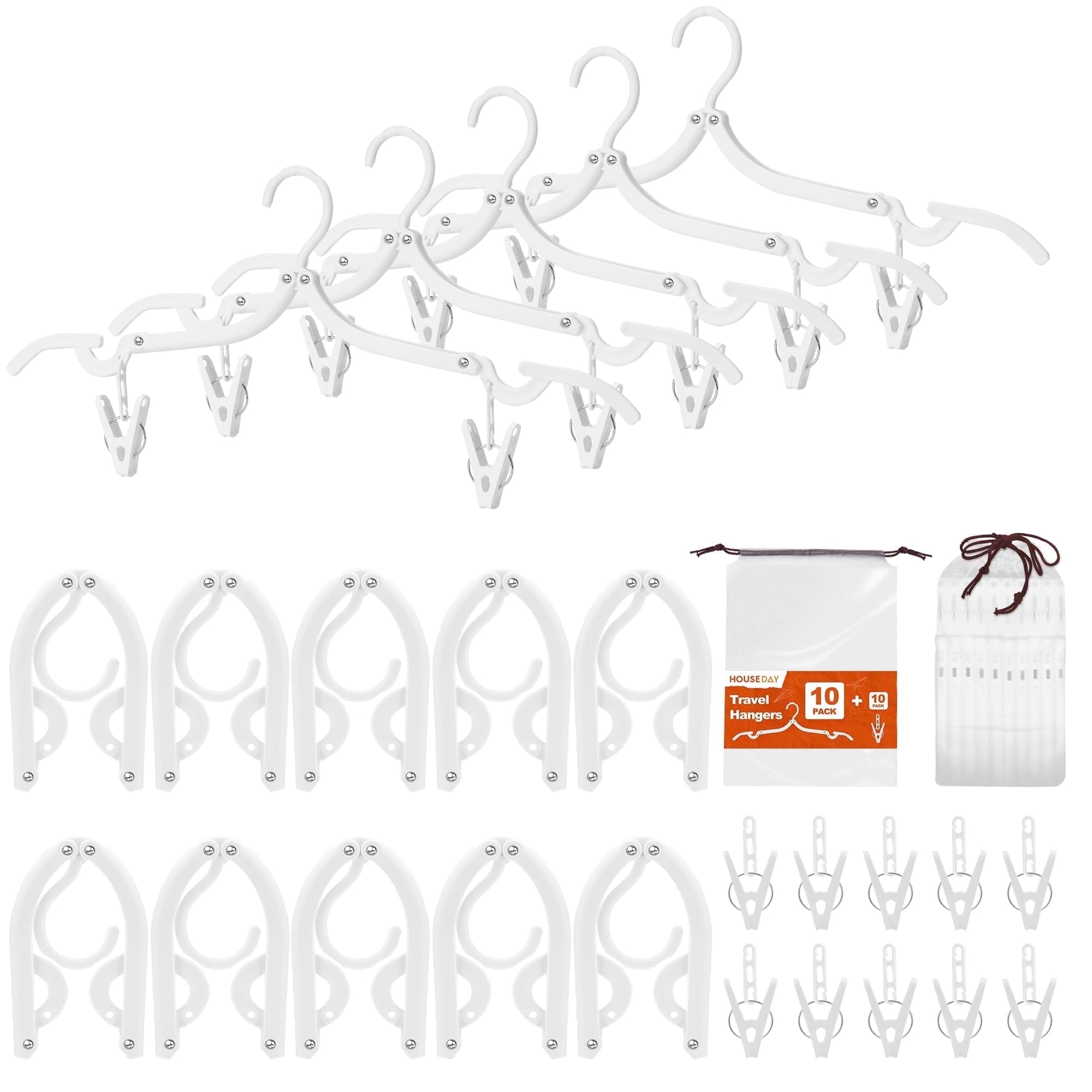
How to Choose the One Piece Hanger Pack for Travel
Choosing the right one piece hanger pack for travel requires balancing structural integrity, foldability or compact dimensions, weight, and garment compatibility to keep clothes wrinkle-free on the road. Packing efficient, reliable gea...
Choosing the right one piece hanger pack for travel requires balancing structural integrity, foldability or compact dimensions, weight, and garment compatibility to keep clothes wrinkle-free on the road.
Contents
Packing efficient, reliable gear is essential for modern business travelers, vacationers, and digital nomads who want to look sharp upon arrival without hauling heavy luggage. Among various garment management tools, the "one piece hanger pack" has emerged as a specialized solution designed to minimize bulk while maximizing hanging security. Unlike traditional rigid wooden or thick plastic hangers that waste precious suitcase space, a dedicated pack of travel hangers utilizes minimalist engineering—often featuring folding mechanisms, modular interlocking features, or ultra-thin, durable metal or polymer constructions.
Understanding how to evaluate these products requires looking past marketing claims to analyze material science, weight distribution, hook design, and packing dimensions. Whether you are preparing for a multi-city corporate tour or a weekend getaway, selecting the correct hanger pack ensures your suits, dresses, and shirts survive transit looking crisp.
Understanding the One Piece Hanger Pack Design
The term "one piece hanger pack" typically refers to a bundled set of travel hangers engineered with a unified, streamlined profile or a singular folding axis that prevents loose, tangled components. Standard household hangers feature bulky hooks and thick shoulders that create empty pockets of dead space inside a suitcase. Travel-specific variants strip away this excess material while maintaining structural support for garment shoulders.
Most options on the market fall into two distinct mechanical categories: folding designs and ultra-slim profile designs. Folding hangers use a central hinge or a sliding lock mechanism that collapses the arms inward, reducing the hanger footprint by half when packed. Once deployed, the arms lock into place to support jackets or shirts. Ultra-slim hangers, conversely, do not fold; instead, they are manufactured from high-tensile spring steel, reinforced aluminum, or aerospace-grade polycarbonate, measuring mere millimeters in thickness.
When evaluating these designs, consider your primary wardrobe type. Structured garments such as suit jackets, blazers, and winter coats require broad, contoured shoulder flares to prevent unsightly dimpling at the seams. Conversely, lightweight shirts, blouses, and silk dresses can tolerate narrower profiles without suffering structural distortion.
Key Criteria for Evaluating Travel Hangers
To select the most effective hanger pack for your specific travel style, you must analyze several technical and practical performance indicators. A failure in any one of these categories can lead to damaged clothing, broken equipment, or packing frustration.
Material Composition and Durability
The materials used in travel hangers dictate their longevity and weight capacity. Common materials include:
- ABS Plastic and Polycarbonate: Offers a high strength-to-weight ratio, impact resistance, and flexibility under load. High-grade plastics resist snapping when subjected to the rough handling typical of airline baggage sorting.
- Aluminum and Alloy Metals: Extremely thin yet exceptionally strong. Aluminum hangers will not warp under the weight of wet or heavy garments, though low-grade variants can bend permanently if jammed under heavy luggage weight.
- Silicone and Rubber Coatings: Frequently applied to the shoulder surfaces of travel hangers to provide friction. This prevents slippery fabrics like silk or satin from sliding off the hanger during transit or hotel room handling.
Weight and Packed Dimensions
Every ounce counts when adhering to strict airline baggage allowances. A standard pack of 5 to 10 travel hangers should ideally weigh under 16 ounces (450 grams) total. Check the collapsed dimensions of folding models to ensure they slide easily into exterior luggage pockets, compression cubes, or specialized garment sleeves without creating awkward bulges.
Hook Design and Clearance
The utility of a travel hanger is severely limited if its hook cannot fit over unconventional hotel closet rods, shower rails, or thick doors. Look for hangers featuring swivel hooks or elongated hook openings that accommodate oversized or non-standard hanging rods. Additionally, ensure the hook base is reinforced; this is the primary stress point prone to snapping when a heavy winter coat is suspended.
Comparison of Travel Hanger Pack Types
| Hanger Pack Type | Primary Advantage | Potential Drawback | Best Suited For |
|---|---|---|---|
| Folding Plastic Hangers | Extremely compact footprint; fits easily into small pouches. | Hinge mechanisms can wear out or snap under heavy loads. | Casual travelers, lightweight shirts, and t-shirts. |
| Ultra-Slim Metal Hangers | Virtually indestructible; zero flex under heavy winter coats. | Lacks shoulder contouring; may cause dimpling on fine suits. | Business travelers carrying heavy suits and structured blazers. |
| Inflatable Rubberized Hangers | Gentle on delicate fabrics; customizable shoulder width via air pressure. | Prone to punctures; time-consuming to inflate and deflate. | Vacationers packing delicate dresses, silks, and knitwear. |
| Modular Interlocking Packs | Keeps multiple hangers aligned as a single uniform unit in the bag. | Setup takes slightly longer; harder to remove a single hanger mid-pack. | Organized packers and long-term digital nomads. |
Practical Packing Strategies for Garment Care
Selecting the right hanger pack is only half the battle; how you integrate those hangers into your luggage system determines your clothing's condition upon arrival.
When packing business attire, utilize the "roll and fold" hybrid method or a dedicated garment sleeve. If your travel hanger pack includes folding models, deploy the hangers inside the garment before placing the item into the suitcase, rather than trying to hang garments onto deployed hangers inside a cramped luggage compartment. For maximum wrinkle prevention, place heavier garments at the bottom of the suitcase near the wheels and layer lighter items on top, using tissue paper between folds to reduce friction.
Furthermore, consider the environment of your destination. If you are traveling to humid climates where natural air-drying is necessary, ensure your chosen hanger pack features rust-resistant metal or non-porous plastics that can handle damp garments without degrading or staining fabrics.
Common Mistakes to Avoid
Travelers frequently make specific errors when purchasing and utilizing travel hanger packs, leading to damaged clothing or wasted money.
- Buying Overly Brittle Plastics: Cheap, non-reinforced polystyrene hangers frequently snap under the vibration and pressure of cargo holds. Always verify that plastic hangers utilize ABS or polycarbonate blends.
- Ignoring Garment Weight Ratings: Hanging a heavy, water-resistant wool overcoat on a flimsy folding plastic hanger designed exclusively for summer blouses will result in mechanical failure. Match the hanger's structural integrity to your wardrobe.
- Overpacking the Hanger Count: Purchasing a pack of 12 hangers when you only travel with three button-down shirts adds unnecessary weight and bulk. Audit your typical packing list to determine the exact quantity required—usually 4 to 6 hangers suffice for a standard one-week trip.
- Neglecting Closet Compatibility: Failing to check hook sizing often leaves travelers unable to hang their clothes on thick wooden hotel closet rods or glass shower doors. Prioritize swivel hooks with wide clearance gates.
Frequently Asked Questions
How many hangers should be included in a standard travel pack?
Most travelers find that a pack containing 5 to 6 hangers provides the ideal balance between versatility and weight conservation. This quantity accommodates a week's worth of rotation items without overloading your luggage footprint.
Can travel hangers support heavy winter coats and leather jackets?
It depends entirely on the construction material. Ultra-slim aluminum and high-grade polycarbonate hangers can easily support heavy outerwear, whereas lightweight folding plastic models will bend or break under heavy, dense fabrics.
Are folding travel hangers TSA compliant for carry-on luggage?
Yes. Standard travel hangers made of plastic, metal, or rubber are fully permitted in both carry-on and checked baggage by transportation security authorities globally.
How do I prevent delicate silk garments from slipping off smooth plastic travel hangers?
Look for hanger packs that feature rubberized shoulder grips, textured notches, or velvety flocking. Alternatively, you can wrap a rubber band around each end of the hanger arms to create natural friction.
What is the advantage of a swivel hook on a travel hanger?
Swivel hooks allow you to rotate the hanging direction freely, making it easier to hang garments in cramped hotel closets, over doors, or on irregular hooks without straining the neck of the hanger.
Final Recommendation
When choosing your one piece hanger pack for travel, prioritize durability and material quality over sheer quantity or novelty folding gimmicks. If your travel wardrobe consists primarily of business suits and structured blazers, invest in an ultra-slim aluminum or high-grade polycarbonate pack that guarantees structural support without adding bulk. If you travel primarily with lightweight casualwear, a compact folding plastic pack with non-slip grips will serve your needs efficiently while saving valuable luggage space. Assess your typical packing volume, match the hanger strength to your heaviest garment, and ensure the hook design accommodates standard hotel hardware before finalizing your purchase.
Image Gallery