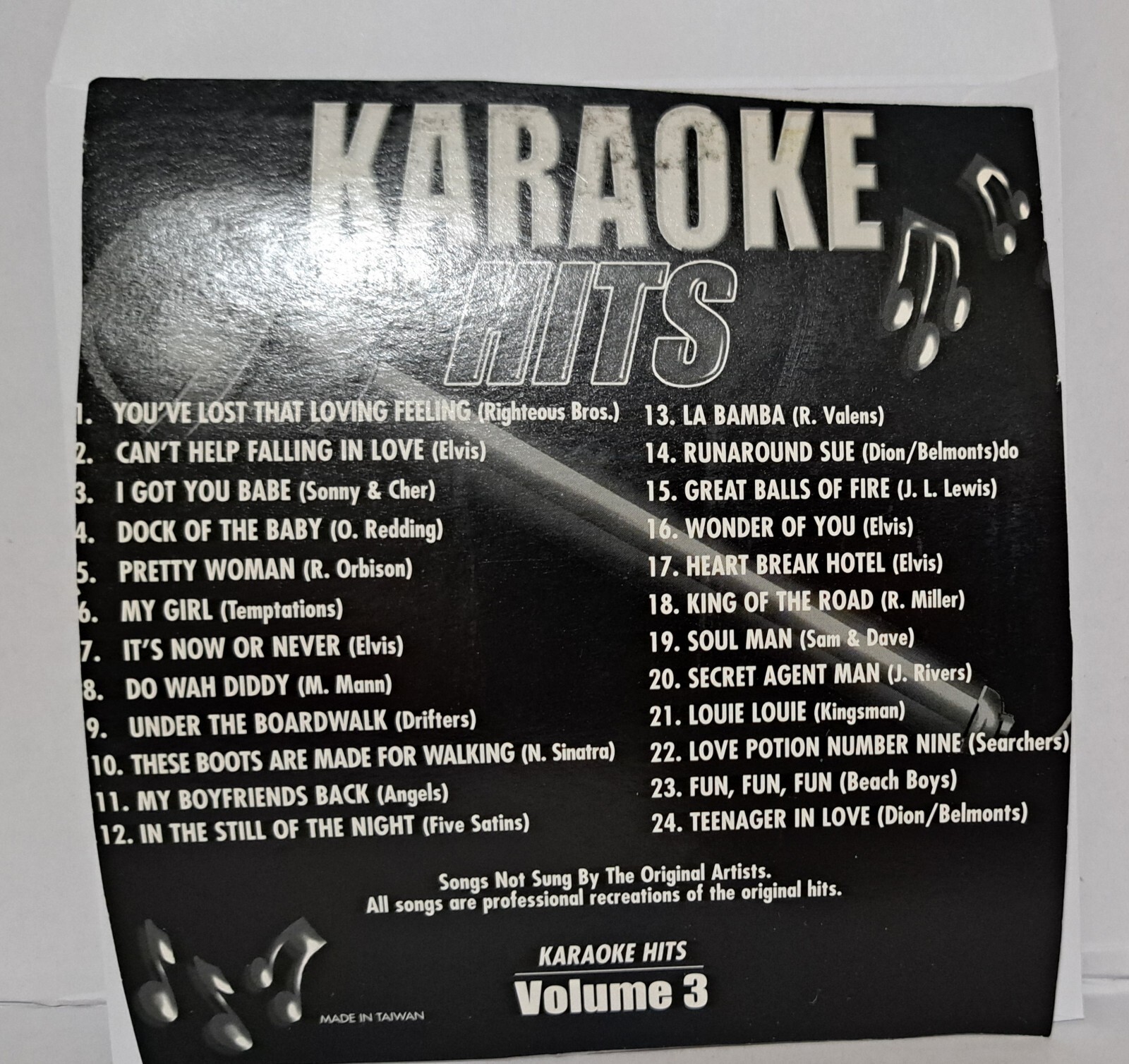
The Complete Guide to Finding, Organizing, and Performing Oldies Songs Karaoke
Singing oldies songs karaoke allows performers to connect with timeless melodies from the 1950s, 1960s, and 1970s, bridging generational gaps through classic rock, soul, pop, and motown hits. Whether you are hosting a private vintage-t...
Singing oldies songs karaoke allows performers to connect with timeless melodies from the 1950s, 1960s, and 1970s, bridging generational gaps through classic rock, soul, pop, and motown hits. Whether you are hosting a private vintage-themed party, performing at a local venue, or practicing your vocal range at home, successfully executing an oldies karaoke session requires navigating specific platforms, understanding licensing restrictions, and picking arrangements that match your vocal capabilities.
Contents
Understanding the Appeal of Classic Hits in Karaoke Settings
Oldies music holds a unique space in the entertainment landscape. Tracks from artists like Elvis Presley, The Beatles, Aretha Franklin, and Frank Sinatra evoke strong emotional resonance, making them instant crowd-pleasers. Unlike modern pop tracks that often rely heavily on pitch correction, electronic beats, and rapid-fire lyric delivery, classic tracks from the mid-20th century feature structured melodies, prominent vocal harmonies, and relatable lyrical themes of love, heartbreak, and rebellion.
When selecting classic tracks for performance, participants often find that these compositions are accessible yet musically rich. They allow performers to showcase vocal texture rather than just high notes or fast phrasing. This structural accessibility makes vintage music ideal for group singing, sing-alongs, and casual social gatherings where participants span multiple age groups.
Furthermore, retro and vintage themes remain a staple of themed events. Birthday parties celebrating milestone decades, wedding receptions featuring retro hours, and community center social nights frequently build their entertainment schedules around mid-century catalogs. Understanding how to source these tracks, manage audio equipment, and structure a setlist ensures a smooth and engaging event.
Sourcing High-Quality Backing Tracks and Instrumental Versions
Finding reliable backing tracks for classic hits requires navigating a mix of official streaming services, specialized digital storefronts, and hardware systems. The quality of a backing track can make or break a performance, as poor MIDI conversions or distorted audio files detract from the listening experience.
Digital Platforms and Applications
Modern vocalists rely heavily on software-as-a-service (SaaS) applications and dedicated mobile apps to access expansive catalogs of vintage tracks. Platforms such as KaraFun, Smule, and Stingray Qello offer structured libraries that categorize music by era, genre, and artist.
- Subscription-Based Apps: Services like KaraFun provide dedicated apps for smart TVs, tablets, and computers, allowing users to adjust key signatures and tempos—a vital feature for singers whose vocal range differs from the original artist.
- Dedicated Hardware Systems: Home karaoke machines often come with pre-loaded drives or USB inputs. While these built-in libraries frequently feature covers rather than original master recordings, they are legally licensed for home use and require no active internet connection.
- Video-Sharing Platforms: YouTube hosts millions of user-uploaded and publisher-managed instrumental versions with scrolling lyrics. While convenient and generally free, reliance on public platforms carries risks such as sudden video removal due to copyright claims, variable audio quality, and disruptive advertisements.
Licensing and Commercial Considerations
If you are organizing a public event, operating a hospitality venue, or broadcasting a performance online, copyright compliance is mandatory. Public performance rights organizations (such as ASCAP, BMI, and SESAC in the United States) collect licensing fees on behalf of songwriters and publishers.
Venue owners typically hold blanket public performance licenses that cover live music and recorded background music, but dedicated karaoke hosting companies often secure specialized commercial subscriptions that include synchronization and public display rights for synchronized lyric video files. Using personal consumer accounts for commercial business operations violates terms of service and can lead to financial penalties.
Selecting the Right Setlist for Your Audience
Building an engaging retro performance requires a balanced mix of tempo, energy, and recognizable hooks. A common mistake among amateur hosts is grouping too many slow ballads together, which can lower the energy in a room, or packing a setlist with overly complex vocal showcases that leave the audience intimidated.
| Era / Genre | Representative Artists | Typical Tempo & Vibe | Vocal Challenge Level |
|---|---|---|---|
| 1950s Doo-Wop & Rockabilly | The Platters, Elvis Presley, Ritchie Valens | Mid-tempo, romantic, danceable | Moderate (requires strong breath support) |
| 1960s British Invasion & Pop | The Beatles, The Rolling Stones, Dusty Springfield | Upbeat, catchy, energetic | Low to Moderate (accessible melodies) |
| 1960s Motown & Soul | Aretha Franklin, Marvin Gaye, The Supremes | High energy, rhythmic, soulful | High (demands vocal agility and power) |
| 1970s Classic Rock & Disco | Elton John, Bee Gees, Fleetwood Mac | Varied, anthemic, rhythmic | Moderate to High (wide pitch ranges) |
When curating a setlist, consider the following structural guidelines:
- Open with a Hook: Start with an internationally recognized anthem—such as "Twist and Shout" or "Sweet Caroline"—to draw participants into the performance space and set a welcoming tone.
- Build a Narrative Arc: Alternate between high-energy dance tracks and mid-tempo narrative songs. Save demanding vocal showcases for the middle of the session when singers have warmed up their vocal cords.
- Encourage Duets: Vintage catalogs are packed with iconic duets (e.g., Marvin Gaye and Tammi Terrell). Encouraging shared performances lowers the barrier to entry for hesitant singers.
- Close on a High Note: Finish the night with a massive communal sing-along that requires minimal technical precision but delivers maximum emotional impact.
Technical Setup, Sound Engineering, and Hardware Requirements
Achieving professional sound quality during a vintage-themed music session depends on proper hardware configuration, microphone selection, and acoustic management. Vintage tracks often possess distinct mixing characteristics—such as heavy mono instrumentation or prominent spring reverb—that require careful EQ adjustment on modern sound systems.
Essential Hardware Components
- Microphones: Dynamic microphones (such as the Shure SM58) are the industry standard for live vocal performance due to their durability and ability to handle high sound pressure levels without excessive feedback. Wireless systems offer mobility but require stable radio frequency (RF) management to avoid dropouts.
- Amplification and Mixing Consoles: A dedicated mixer allows you to blend microphone inputs with the backing track audio, apply equalization (EQ), and add subtle digital reverb or echo effects. Adding reverb helps amateur vocalists blend more naturally with polished studio backing tracks.
- Display Screens: Clear lyric visibility is essential. Position monitors or television screens at eye level so performers do not have to strain or turn away from the microphone to read scrolling text.
Common Technical Challenges and Troubleshooting
- Audio Latency: When running karaoke software through smart TVs or wireless casting devices, audio delay can occur, causing the vocal output to lag behind the backing track. Use hardwired HDMI cables or dedicated audio interfaces to minimize latency.
- Microphone Feedback: Occurs when the microphone picks up sound from the speakers and re-amplifies it. To prevent feedback, position speakers forward of the performance area, avoid pointing microphone grilles directly at speaker cones, and lower low-frequency (bass) EQ levels on the microphone channel.
- Track Key Mismatches: Original master tracks are fixed in specific keys. If a singer struggles to hit the notes, utilize software pitch-shifting tools to transpose the track down or up by a few semitones without altering the playback speed.
Frequently Asked Questions
What are the best classic songs for beginners to sing?
Beginner-friendly tracks feature limited vocal ranges, steady tempos, and repetitive choruses. Excellent choices include "Stand By Me" by Ben E. King, "Brown Eyed Girl" by Van Morrison, and "My Girl" by The Temptations. These tracks allow performers to focus on rhythm and delivery rather than hitting extreme high notes.
Can I change the key of a track to match my voice?
Yes. Most modern apps and professional software packages include pitch-shifting controls. You can typically adjust the key up or down in semitone increments. Keep in mind that extreme adjustments (more than three steps in either direction) can introduce digital audio artifacts or make the instrumentation sound unnatural.
How do I legally host a public event with retro backing tracks?
Public events require compliance with public performance rights. Ensure that the venue holds an active blanket license with performance rights organizations like ASCAP or BMI. Additionally, ensure that any digital software or hardware used for playback is licensed for commercial use rather than personal consumer subscriptions.
Where can I find original master instrumentals versus cover versions?
Official streaming and subscription services often offer a mix of both. Studios such as Ameritz or Zoom produce high-quality cover versions specifically tailored for performance, while specialized services license original master recordings. Always check the track details within your chosen platform to verify whether vocals are entirely absent or include faint backing harmonies.
How do I manage audio feedback during a live performance?
Feedback is typically caused by microphone placement relative to speakers or excessive gain levels. Lower the microphone volume, move performers further away from the main speakers, and use the mixing console's graphic equalizer to cut frequencies that trigger ringing or squealing sounds.
Conclusion
Organizing and performing oldies songs karaoke successfully combines musical appreciation, technical preparation, and audience awareness. By sourcing reliable tracks from reputable platforms, curating balanced setlists tailored to your crowd, and mastering basic audio setup procedures, you can create an engaging environment that celebrates mid-century musical history. Whether you are stepping up to the microphone for the first time or managing sound for a large gathering, focusing on preparation and quality execution ensures a memorable experience for all participants.
Image Gallery