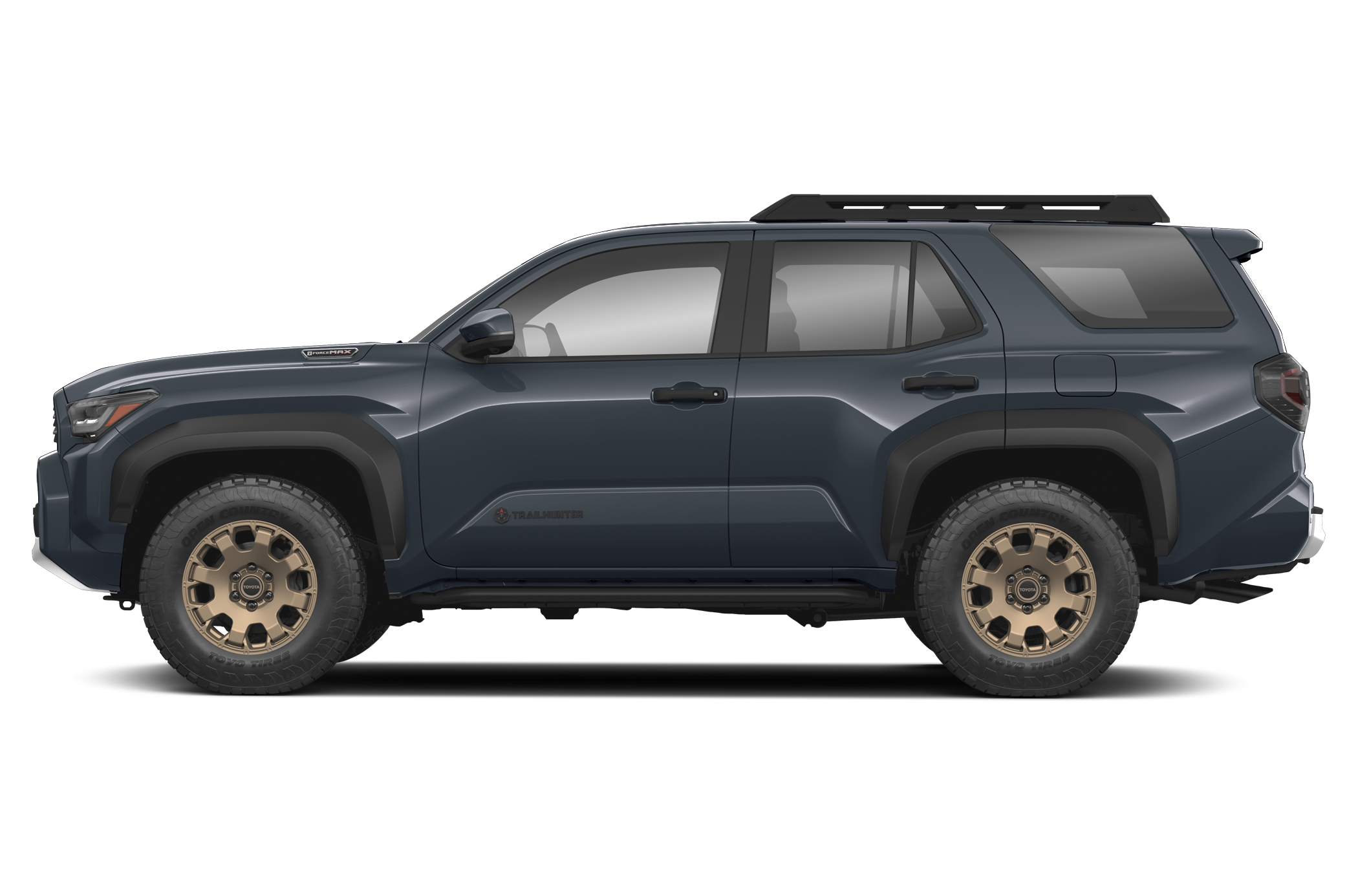
A Comprehensive Guide to Toyota 4Runner Generation Years and History
The Toyota 4Runner is categorized into six distinct generations spanning from 1984 to the present day, evolving from a compact, removable-top utility truck into a modern, highly capable midsize body-on-frame adventure SUV. Understandin...
The Toyota 4Runner is categorized into six distinct generations spanning from 1984 to the present day, evolving from a compact, removable-top utility truck into a modern, highly capable midsize body-on-frame adventure SUV. Understanding these generational blocks helps buyers, enthusiasts, and restorers identify technical specifications, powertrain options, and structural changes across decades of production.
Contents
Introduction to the Toyota 4Runner Evolution
Since its introduction in the mid-1980s, the Toyota 4Runner has maintained a loyal following due to its rugged body-on-frame construction, legendary reliability, and dedicated off-road capability. Unlike many modern crossovers that have transitioned to unibody car platforms, the 4Runner has stayed true to its truck-based roots, making it a staple in the automotive enthusiast community.
To properly navigate the history of this iconic vehicle, one must break down its production run into distinct generations. Each generation introduced major shifts in chassis design, engine options, suspension layouts, and interior technology. Whether you are looking to purchase a vintage classic, a reliable daily driver, or a specialized trail rig, mapping out the exact generation years ensures you know precisely what mechanical systems, common issues, and features to expect.
Summary Table of Toyota 4Runner Generations
| Generation | Production Years | Chassis Code | Primary Engines | Notable Characteristics |
|---|---|---|---|---|
| First Generation | 1984–1989 | N60 | 2.4L 4-cylinder (carbureted, fuel-injected, turbo), 3.0L V6 (late) | Removable fiberglass top, two-door configuration, solid front axle (early models). |
| Second Generation | 1990–1995 | N120 / N130 | 2.4L 4-cylinder, 3.0L V6 (3VZ-E) | Introduction of four-door body style, permanent station wagon roof design, coil-spring rear suspension. |
| Third Generation | 1996–2002 | N185 | 2.7L 4-cylinder (3RZ-FE), 3.4L V6 (5VZ-FE) | Completely redesigned chassis and body, rack-and-pinion steering, optional Multi-Mode 4WD. |
| Fourth Generation | 2003–2009 | N210 | 4.0L V6 (1GR-FE), 4.7L V8 (2UZ-FE) | Substantially larger footprint, introduction of V8 power, X-REAS sport enhancement suspension option. |
| Fifth Generation | 2010–2024 | N280 | 4.0L V6 (1GR-FE), 2.7L 4-cylinder (early base) | Aggressive styling, rugged body architecture, crawl control and KDSS on off-road trims. |
| Sixth Generation | 2025–Present | TNGA-F | 2.4L Turbo 4-cylinder, 2.4L Turbo Hybrid (i-FORCE MAX) | Built on the global TNGA-F truck platform, modern turbo and hybrid powertrains, advanced driver aids. |
First Generation (1984–1989): The Pioneer Days
The first-generation 4Runner essentially started as a Toyota pickup truck with a fiberglass shell bolted over the bed and rear seating installed inside. Built on the N60 chassis, these early trucks are defined by their utilitarian nature and undeniable vintage appeal.
Mechanical Layout and Removable Top
Early models featured a solid front axle paired with leaf springs, offering immense articulation and strength for off-road trails. In 1986, Toyota transitioned the four-wheel-drive models to an independent front suspension (IFS) setup utilizing torsion bars, which significantly improved ride quality and highway handling at the expense of pure rock-crawling articulation. The defining feature of this generation remains the removable fiberglass camper shell, allowing drivers to transform their enclosed SUV into an open-air utility vehicle.
Powertrain Evolution
Power plants during this era started with the carbureted 2.4-liter 22R four-cylinder engine. Toyota later introduced the fuel-injected 22R-E engine, followed briefly by a turbocharged variant (22R-TE) and, toward the very end of the run in 1988 and 1989, the 3.0-liter 3VZ-E V6 engine. Transmission choices included a five-speed manual and a four-speed automatic.
Second Generation (1990–1995): Transition to a Full Station Wagon
With the launch of the N120 and N130 chassis in 1990, Toyota permanently secured the fiberglass shell to the cabin, turning the 4Runner into a traditional four-door station wagon. This generation also offered a rare two-door variant in certain global markets, but the four-door model became the dominant configuration in North America.
Suspension and Chassis Changes
While the front end retained the independent suspension design with torsion bars, the rear suspension swapped out leaf springs for a modern coil-spring setup. This dramatically improved ride comfort, payload stability, and handling over rough terrain.
Engine Performance and Concerns
The base engine carried over as the 2.4-liter 22R-E four-cylinder, while the 3.0-liter 3VZ-E V6 became the primary engine choice for most buyers seeking highway power. However, the 3VZ-E engine developed a reputation for head gasket issues and relatively low fuel efficiency relative to its power output. Despite these thermal management quirks, the body styling and interior comfort modernized the 4Runner for family-oriented buyers.
Third Generation (1996–2002): The Modern Classic Era
The 1996 model year marked a complete clean-sheet redesign for the N185 chassis. The third-generation 4Runner is widely considered by enthusiasts to be one of the most balanced, reliable, and mechanically robust generations ever produced.
Engineering Upgrades
Toyota dropped the old torsion bar front suspension entirely, adopting a modern independent front suspension with coil-over shocks and double wishbones. Steering was upgraded from a traditional recirculating ball setup to precise rack-and-pinion steering. Rear suspension maintained a multi-link coil design, providing exceptional handling on pavement and compliance off-road.
Powertrains: 3RZ-FE and 5VZ-FE
Under the hood, two bulletproof engines defined this era:
- 2.7L 4-Cylinder (3RZ-FE): A durable, torquey four-cylinder engine available in early base and mid-tier trims.
- 3.4L V6 (5VZ-FE): A legendary V6 engine known for easily surpassing hundreds of thousands of miles with basic maintenance.
- Transmissions: Available with a five-speed manual or a four-speed automatic. High-end trims featured the sophisticated "Multi-Mode" 4WD system, allowing drivers to engage four-wheel drive on dry, paved roads at highway speeds.
Fourth Generation (2003–2009): Size, Power, and V8 Capability
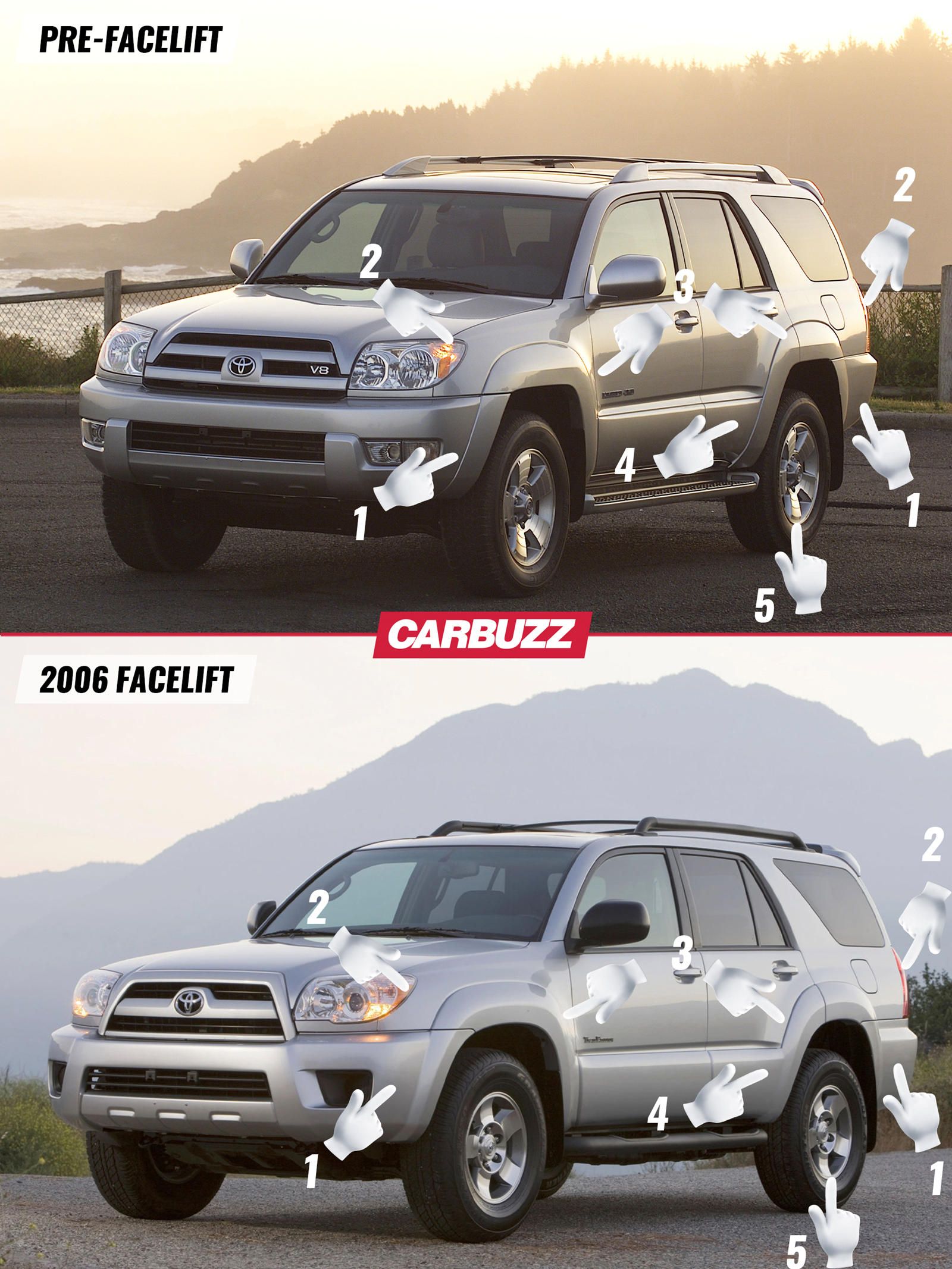
Growing significantly in physical dimensions, wheelbase, and weight, the fourth-generation N210 4Runner arrived for the 2003 model year with heavily rounded exterior styling and a much more spacious, premium interior.
Engine Lineup Expansion
For the first time in its history, the 4Runner offered a V8 engine option alongside an entirely new V6:
- 4.0L V6 (1GR-FE): A modern, all-aluminum engine producing 245 horsepower and 282 lb-ft of torque, mated to a five-speed automatic transmission.
- 4.7L V8 (2UZ-FE): Shared with the larger Land Cruiser and Tundra, this iron-block V8 produced smooth, effortless low-end torque, making it a favorite for towing heavy trailers.
Advanced Suspension and Traction Systems
Toyota equipped upper trims with advanced electronic aids, including Downhill Assist Control (DAC) and Hill Start Assist Control (HAC). Additionally, the Sport trim introduced X-REAS (Cross-Linked Relative Absorber System), a hydraulic cross-linked suspension system designed to limit body roll during hard cornering on asphalt.
Fifth Generation (2010–2024): The Long-Running Trail Legend
Spanning an impressive 15-year production run without a ground-up redesign, the fifth-generation N280 4Runner embraced a boxy, muscular aesthetic that appealed to traditional truck buyers.
Mechanical Continuity and Capability
The fifth generation simplified its core powertrain lineup by dropping the V8 option and focusing entirely on the 4.0-liter 1GR-FE V6 paired with a five-speed automatic transmission. While mechanical components remained intentionally simple and durable, Toyota packed the off-road oriented trims—such as the Trail, TRD Off-Road, and TRD Pro—with sophisticated electronic systems.
Specialized Off-Road Technology
- Crawl Control: An automated low-speed electronic throttle and braking system that lets drivers focus entirely on steering over severe obstacles.
- KDSS (Kinetic Dynamic Suspension System): Automatically disconnects and reconnects sway bars hydraulically to maximize wheel articulation off-road while maintaining high-speed highway stability.
- Multi-Terrain Select: Adjusts throttle response and traction control parameters based on specific surface conditions like mud, sand, or rocks.
Sixth Generation (2025–Present): The Modern Platform Shift
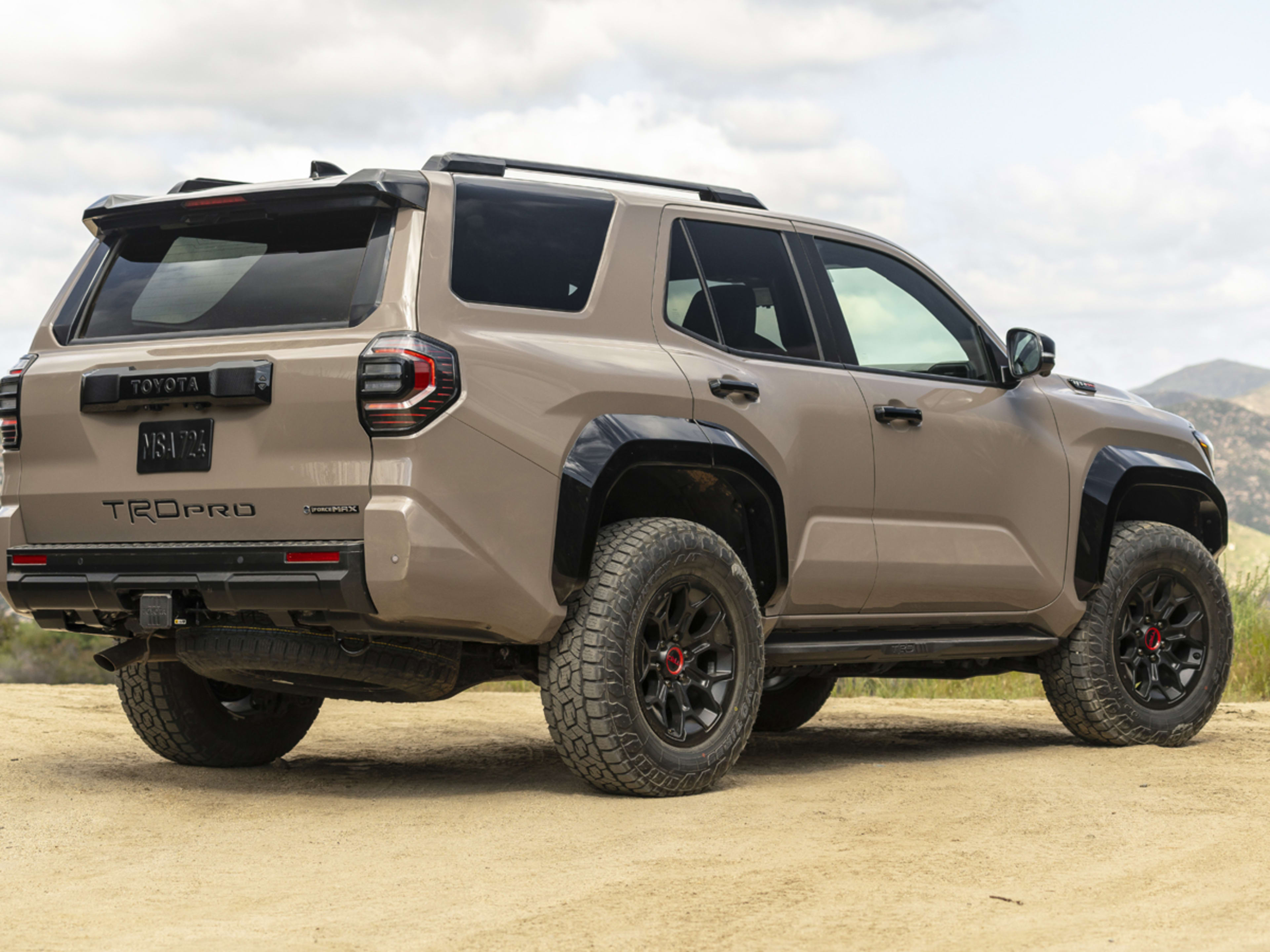
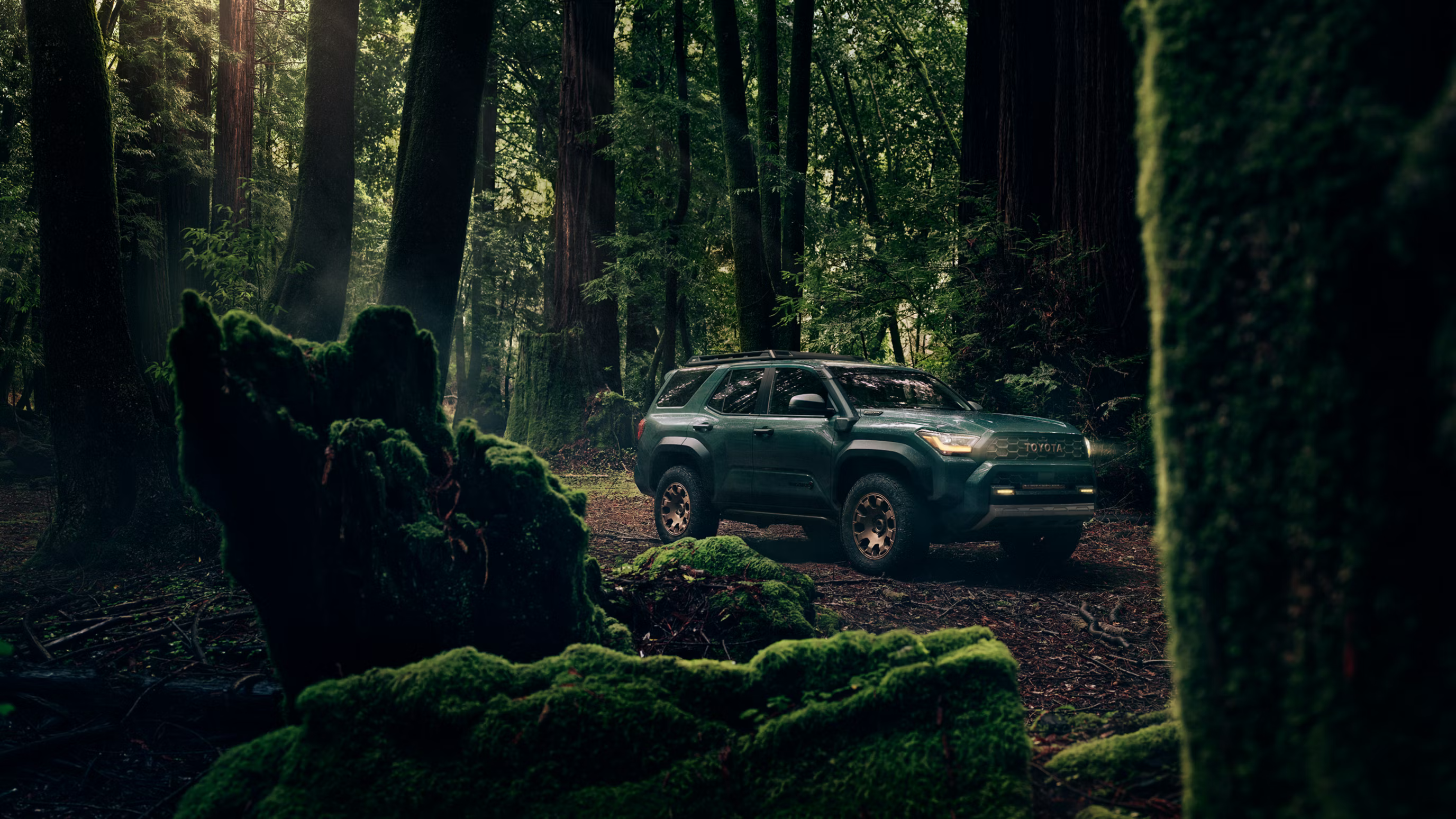
Entering production for the modern era, the sixth-generation 4Runner is built upon Toyota’s global TNGA-F truck platform, sharing its underlying architecture with the Tacoma, Tundra, Land Cruiser, and Lexus GX.
Next-Generation Powertrains
Moving away from the naturally aspirated V6, the sixth generation introduces modern forced-induction and electrified powertrains:
- 2.4L Turbo 4-Cylinder (i-FORCE): Produces strong low-end torque while improving fuel efficiency over previous generations.
- 2.4L Turbo Hybrid (i-FORCE MAX): Integrates an electric motor into the transmission housing to deliver enhanced torque output and optimized power delivery for towing and trail driving.
Interior and Technology Overhaul
The cabin sees a radical modernization, featuring large digital gauge clusters, high-definition touchscreen infotainment systems supporting wireless smartphone integration, and the comprehensive Toyota Safety Sense suite as standard equipment across all trim levels.
Frequently Asked Questions
What is the most reliable Toyota 4Runner generation?
While opinions vary among enthusiasts, the third generation (1996–2002) powered by the 3.4L V6 engine is frequently cited as the sweet spot for mechanical durability, ease of maintenance, and timeless proportions. The fifth generation (2010–2024) is also celebrated for its mechanical simplicity and long-term durability late in its lifecycle.
Which 4Runner generation featured a V8 engine?
The fourth generation (2003–2009) is the only generation of the 4Runner to offer a V8 engine. It utilized the 4.7-liter 2UZ-FE aluminum-head, cast-iron-block V8, which is renowned for its million-mile potential and smooth power delivery.
Do all 4Runner generations have four-wheel drive?
No. While four-wheel drive (4WD) is standard or optional on the vast majority of 4Runners sold, rear-wheel-drive (2WD) configurations have been available across multiple generations—particularly the fourth and fifth generations—for buyers living in mild climates who do not require off-road capability.
When did the 4Runner get a four-door body style?
The 4Runner transitioned from a two-door removable-top utility vehicle to a traditional four-door station wagon at the launch of the second generation in the 1990 model year.
How do I identify which 4Runner generation I am looking at?
You can quickly identify a 4Runner generation by looking at its body lines and roof configuration. First generations have a removable fiberglass cap over the rear bed; second generations have fixed four-door station wagon bodies with rounded rear hatches; third generations feature smoother, curved body panels with coil-spring rear suspension; fourth generations look visibly larger and more bulbous with a sloping front grille; fifth generations feature aggressive, flat-faced truck styling; and sixth generations adopt the sharp, chiseled lines of the modern TNGA-F truck family.
Conclusion and Next Actions
Reviewing Toyota 4Runner generation years highlights how the vehicle has evolved from a utility pickup with a camper shell into a sophisticated, highly capable adventure platform. When evaluating a potential purchase or restoration project, verify the exact production year, inspect the frame for rust (particularly on third and fourth generations), and match the engine and transmission options to your intended driving needs. For off-road enthusiasts, targeting models with factory locking differentials or electronic aids like KDSS will save time and aftermarket fabrication costs down the road.
Image Gallery