The Role of Information Systems in Management: Driving Decision-Making and Operational Efficiency
Information systems form the digital backbone of modern organizations, transforming raw data into actionable intelligence that guides executive decisions, optimizes workflows, and secures competitive advantages. By integrating hardware...
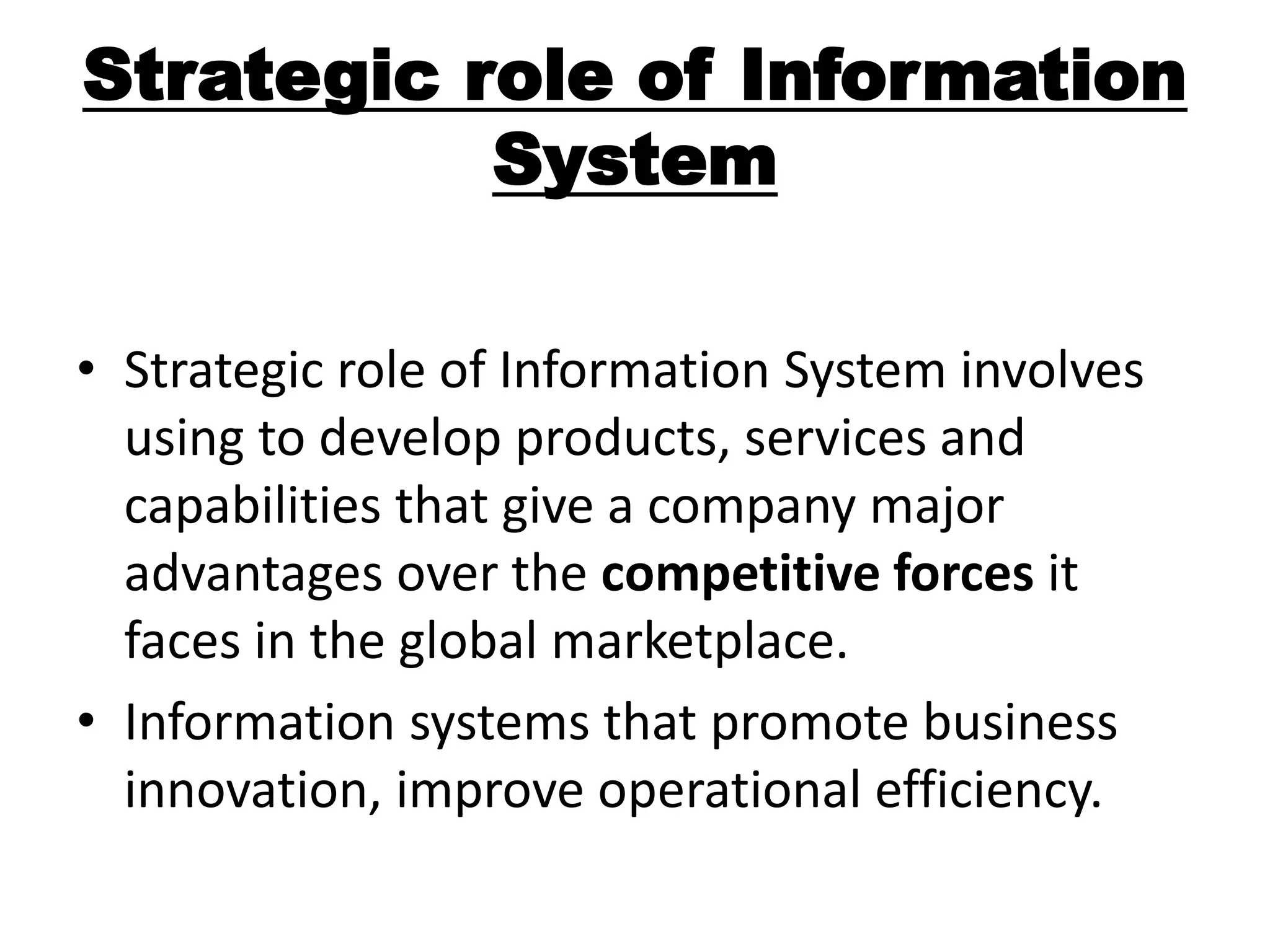
Information systems form the digital backbone of modern organizations, transforming raw data into actionable intelligence that guides executive decisions, optimizes workflows, and secures competitive advantages. By integrating hardware, software, databases, networks, and skilled professionals, these systems ensure that organizational leaders receive accurate, timely, and relevant information to address complex business challenges.
Contents
Understanding the Core Components of Management Information Systems
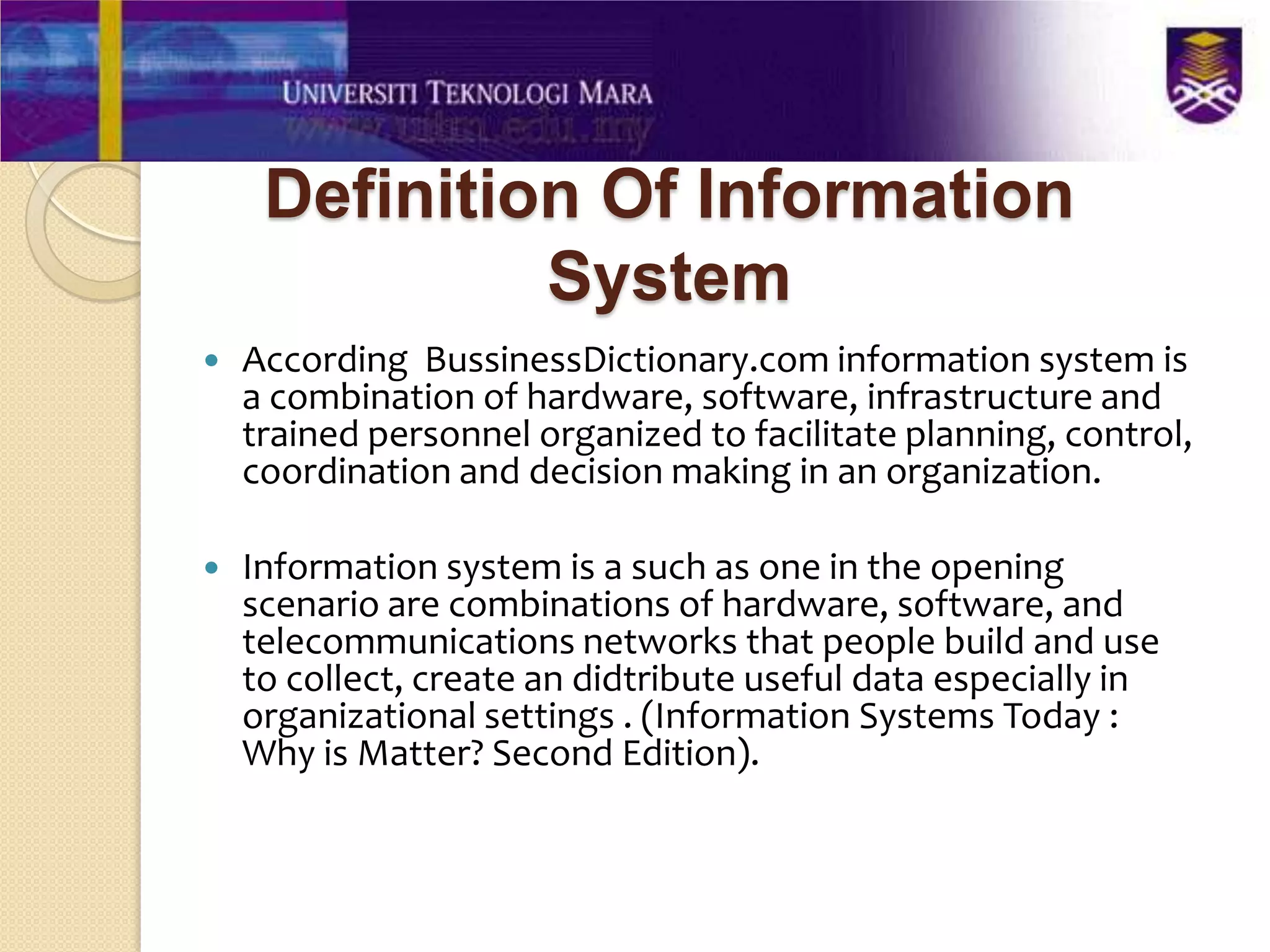
A management information system (MIS) is not a single piece of software; rather, it is a coordinated ecosystem designed to collect, process, store, and disseminate data. To comprehend the role of information systems in management, one must first break down the foundational elements that make these systems operational.
At the base level lies hardware and software infrastructure. Hardware encompasses the physical servers, client terminals, mobile devices, and networking equipment required to process computing tasks. Software includes operating systems, database management systems, and specialized enterprise applications that dictate how data is manipulated and displayed.
However, technology alone yields no value without databases and data management protocols. Databases act as centralized repositories where transactional records, customer metrics, financial logs, and inventory figures are structured for rapid retrieval. Protocols dictate data governance, ensuring privacy, regulatory compliance, and accuracy across all organizational touchpoints.
Finally, human resources and operational procedures complete the triad. The human element ranges from end-users entering daily sales figures to data scientists and chief information officers (CIOs) designing long-term technology strategies. Standard operating procedures (SOPs) govern how these individuals interact with the technology, establishing accountability and maintaining data integrity throughout the enterprise lifecycle.
How Information Systems Empower Strategic Decision-Making
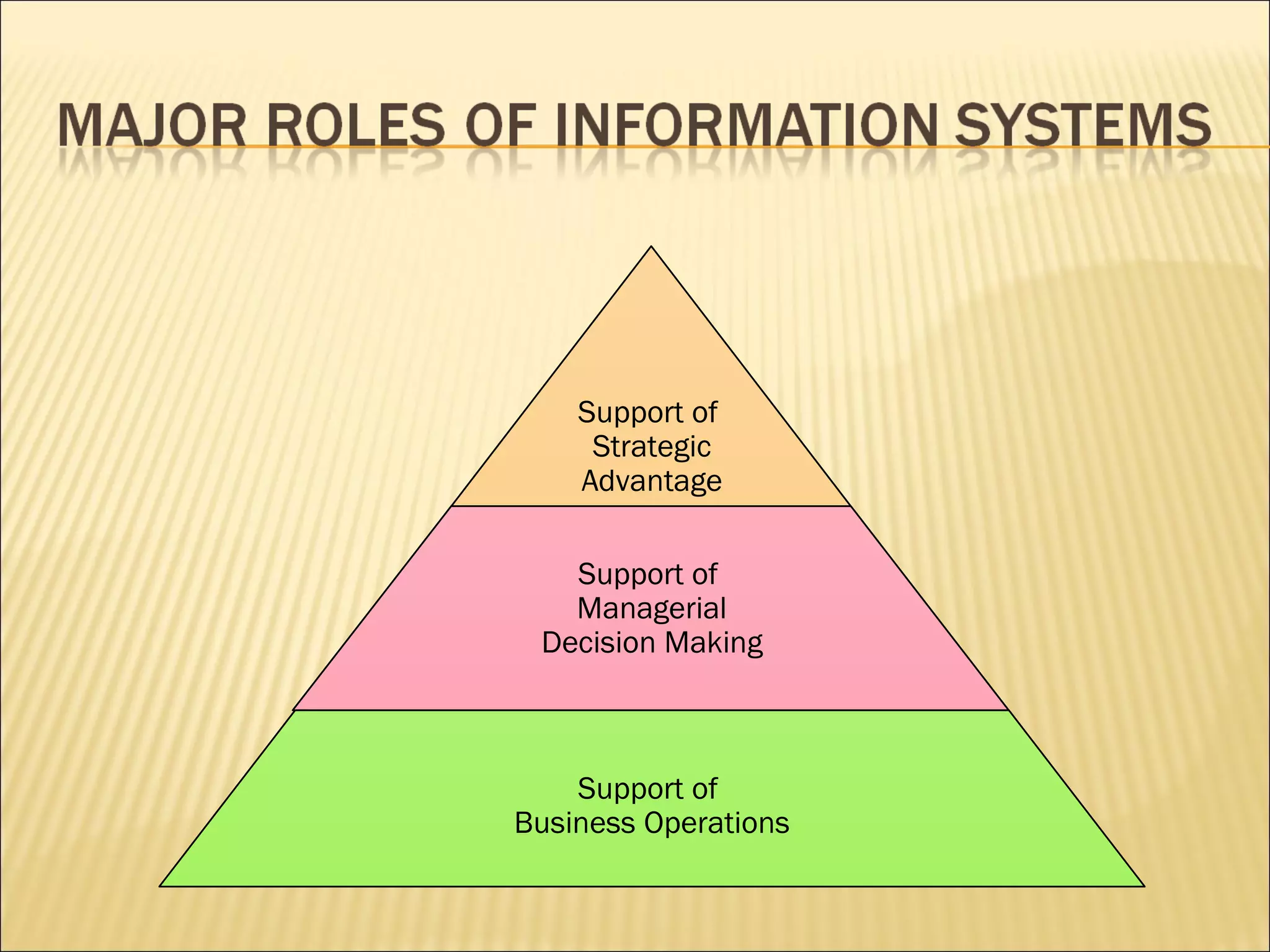
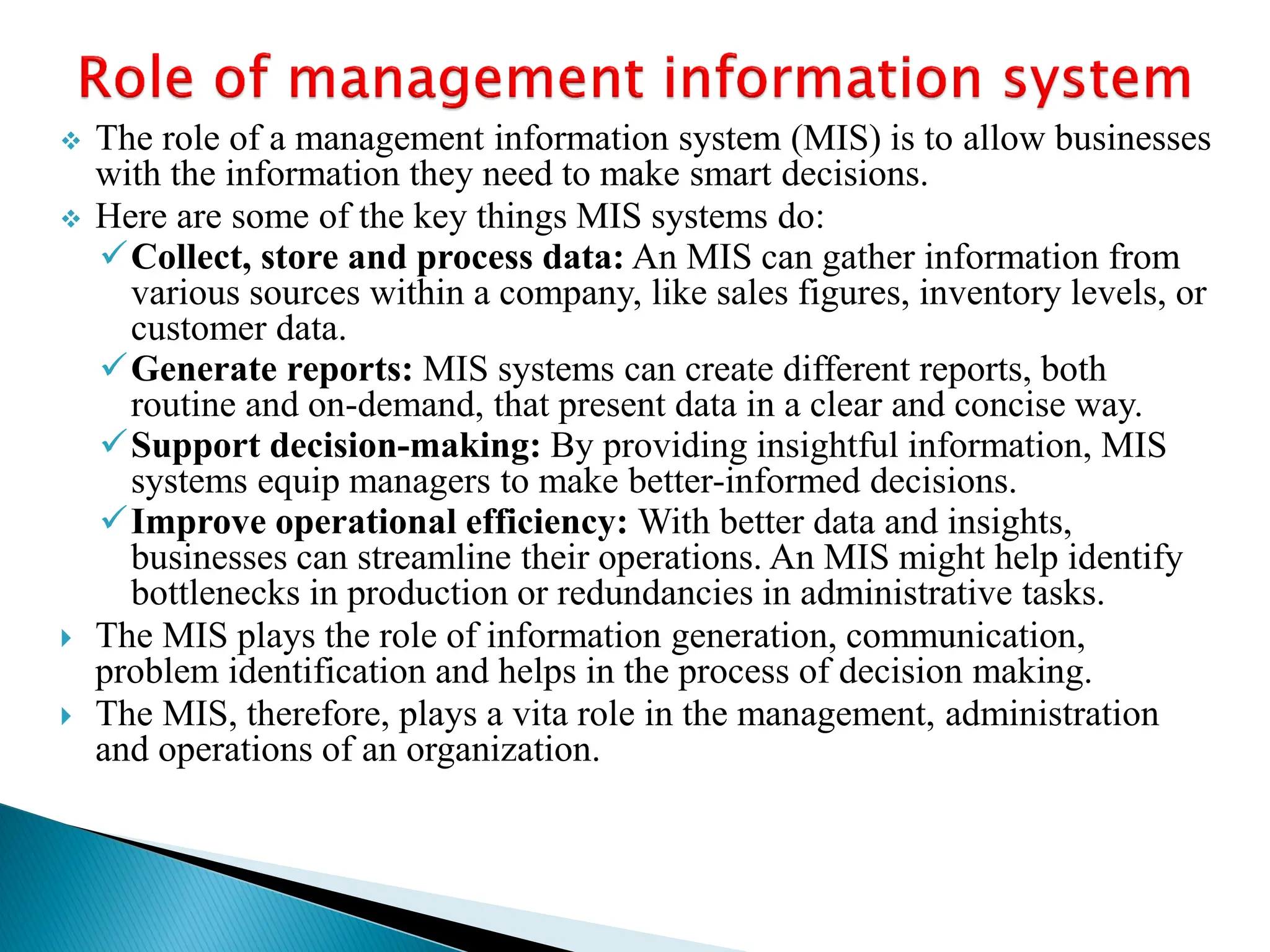
Management relies heavily on data-driven forecasting rather than intuition. Information systems alter the executive decision-making paradigm by shifting the focus from retrospective reporting to predictive modeling and real-time intervention.
From Operational Data to Strategic Intelligence
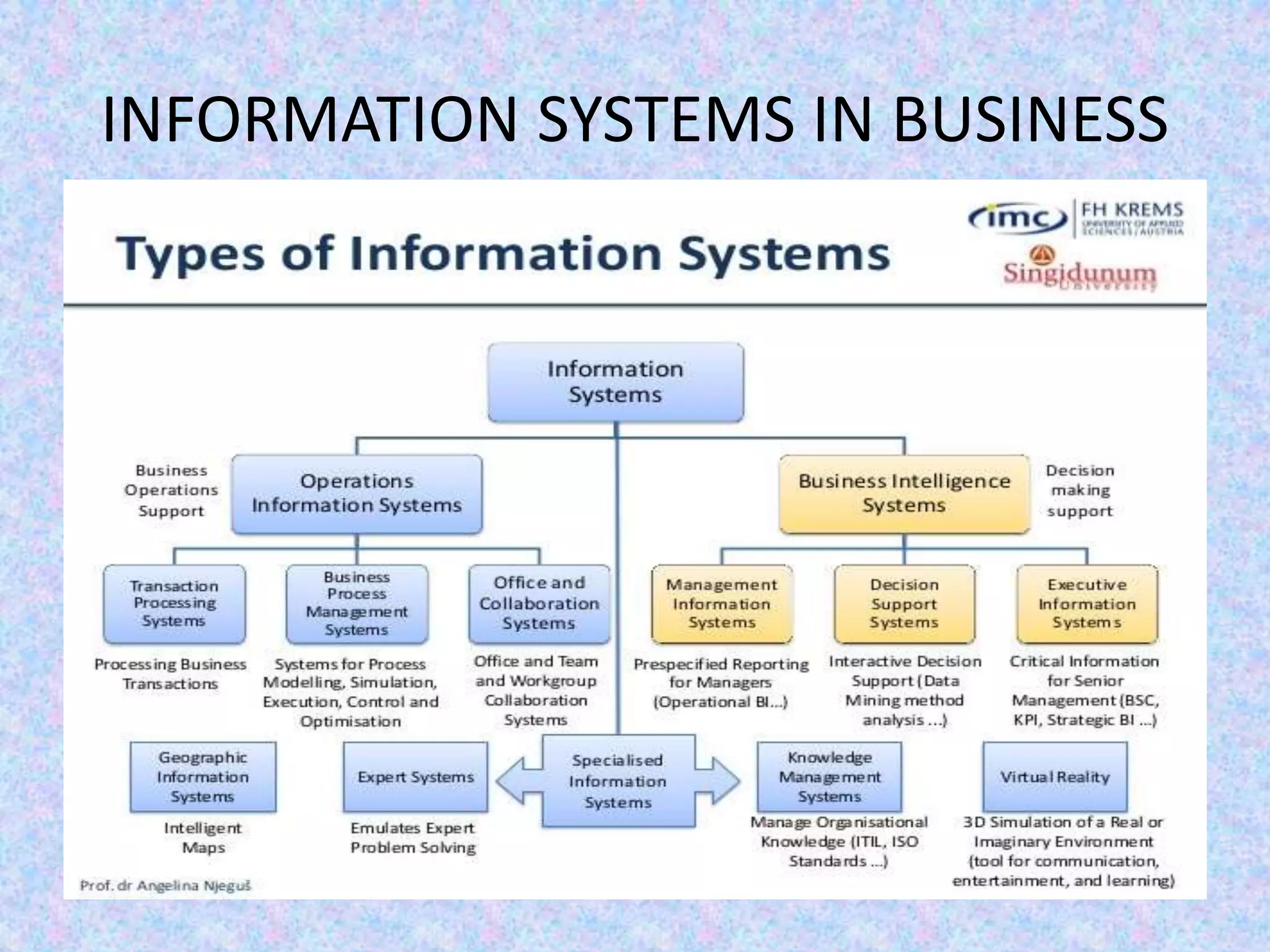
Operational systems—such as transaction processing systems (TPS)—capture the granular details of daily business activities, including point-of-sale entries, payroll disbursements, and shipping manifests. While essential for daily bookkeeping, this raw data is too voluminous for strategic oversight.
Information systems bridge this gap through data warehousing and business intelligence (BI) tools. These platforms aggregate data from disparate departments, cleansing and structuring it into executive dashboards. Leaders can visualize key performance indicators (KPIs) such as profit margins, customer acquisition costs, and supply chain bottlenecks within seconds of their occurrence.
Decision Support Systems (DSS) and Executive Support Systems (ESS)
Different management tiers require distinct analytical tools:
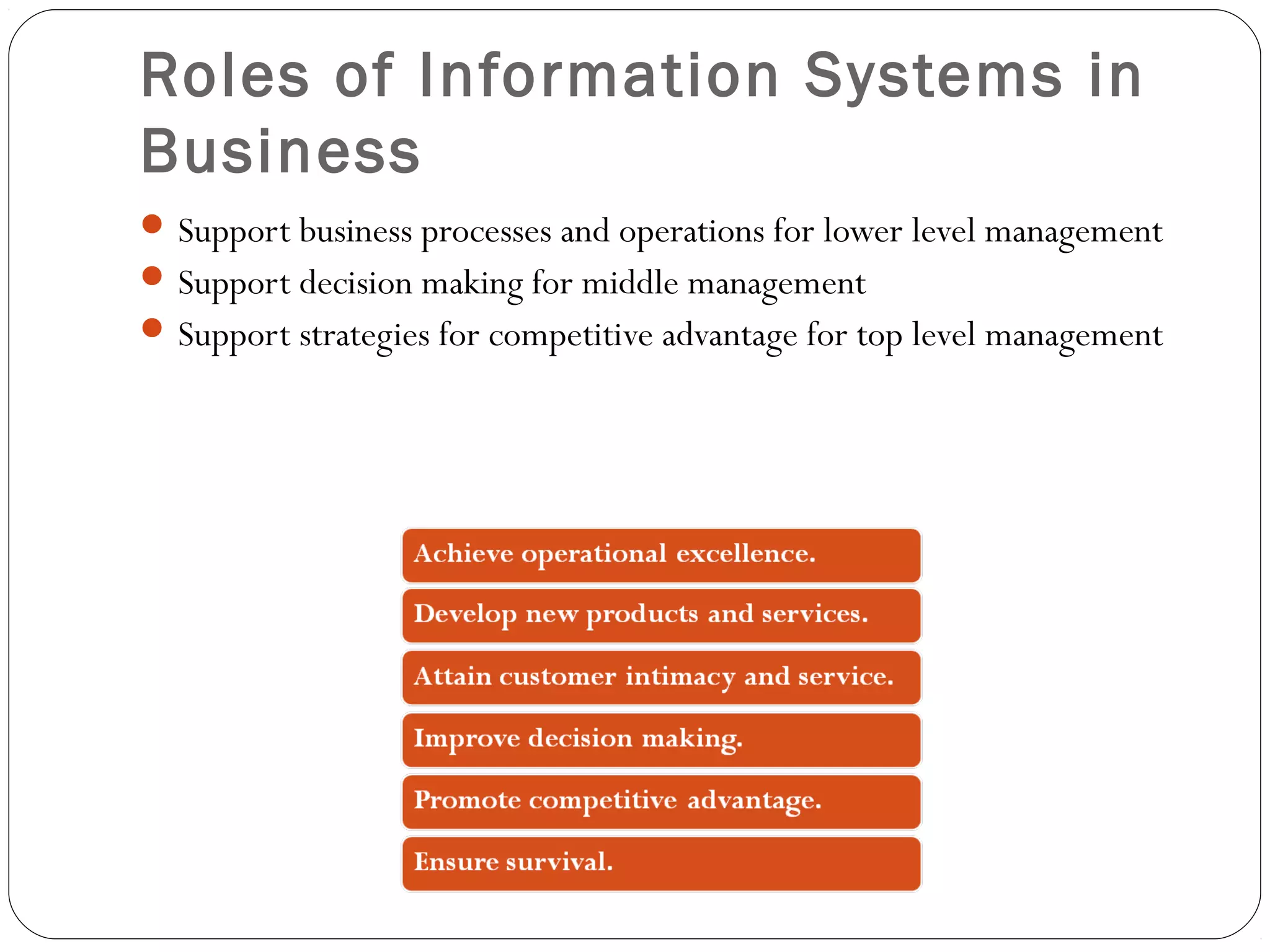
- Operational Management: Relies on TPS and enterprise resource planning (ERP) systems to monitor daily workflows and schedule routine tasks.
- Tactical Management: Utilizes Decision Support Systems (DSS) to model "what-if" scenarios, enabling middle managers to evaluate the financial feasibility of shifting suppliers or altering production schedules.
- Strategic Management: Depends on Executive Support Systems (ESS) to synthesize macro-environmental trends, competitor movements, and long-term financial forecasts, guiding multi-million-dollar capital investments and corporate restructuring initiatives.
Core Functions of Information Systems in Business Operations
Beyond high-level strategy, information systems execute vital day-to-day functions that keep organizations agile, compliant, and cost-effective.
| System Type | Primary Business Function | Typical User Base | Core Organizational Benefit |
|---|---|---|---|
| Transaction Processing System (TPS) | Recording daily routine transactions | Frontline staff, clerks | Automates repetitive clerical work; maintains accurate ledgers. |
| Enterprise Resource Planning (ERP) | Integrating core business processes end-to-end | Department heads, operations | Eliminates data silos; unifies finance, HR, and supply chain. |
| Customer Relationship Management (CRM) | Tracking customer interactions and sales pipelines | Sales, marketing, support teams | Improves customer retention; personalizes marketing campaigns. |
| Supply Chain Management (SCM) | Managing material flows, logistics, and procurement | Logistics coordinators, buyers | Reduces inventory holding costs; prevents supply chain disruptions. |
Streamlining Supply Chain and Logistics
In an era defined by globalized commerce, supply chain visibility is paramount. Information systems link manufacturers, suppliers, distributors, and retailers into a unified digital network. Radio-frequency identification (RFID) tags, internet of things (IoT) sensors, and cloud-based inventory databases allow managers to track goods in real time. If a disruption occurs—such as a port closure or raw material shortage—supply chain management (SCM) software immediately flags the anomaly and suggests alternative sourcing routes, minimizing costly operational downtime.
Enhancing Customer Relationship Management (CRM)
Modern enterprises cannot treat customers as faceless transactions. Customer Relationship Management (CRM) systems compile communication histories, purchasing behaviors, support tickets, and social media interactions into a single client profile. Managers utilize this repository to segment audiences, target marketing campaigns, and empower customer service representatives to resolve inquiries swiftly. By understanding customer preferences through data analytics, management can pivot product offerings to meet shifting market demands.
Managing Risks, Security, and Compliance in Information Systems
As organizations become increasingly digital, the responsibilities of management expand to include robust cybersecurity governance and regulatory compliance. Information systems introduce vulnerabilities that, if left unmanaged, can result in catastrophic financial loss and reputational damage.
Cybersecurity Governance
Data breaches, ransomware attacks, and insider threats pose constant dangers to corporate infrastructure. Management must implement multi-layered security protocols, including role-based access controls (RBAC), multi-factor authentication (MFA), and comprehensive end-to-end encryption for data both at rest and in transit. Regular vulnerability assessments and penetration testing help identify system weaknesses before malicious actors exploit them.
Regulatory Compliance and Data Privacy
Global regulations—such as the European Union's General Data Protection Regulation (GDPR) and industry-specific standards like the Health Insurance Portability and Accountability Act (HIPAA)—impose strict penalties for mishandling sensitive consumer and enterprise data. Information systems assist compliance officers by maintaining immutable audit trails, enforcing data retention policies, and automating data anonymization requests. Management must ensure that their information architectures align with jurisdictional legal frameworks to avoid severe regulatory sanctions.
Common Pitfalls in Implementing Management Information Systems
Despite their transformative potential, information system deployments frequently encounter severe friction or failure. Recognizing these common obstacles enables managers to steer projects toward successful outcomes.
- Unclear Business Objectives
- Inadequate Stakeholder Buy-in
- Poor Data Migration & Cleansing
- System Failure / Budget Overrun
- Failing to Align Technology with Business Strategy: Adopting software simply because it is trending leads to bloated budgets and unused features. Technology investments must directly support stated enterprise goals.
- Neglecting Change Management: Employees often resist new software interfaces and altered workflows. Without comprehensive training programs and transparent communication, user adoption plummets, rendering the new system ineffective.
- Underestimating Data Migration Challenges: Transferring legacy data into a modern database without rigorous data cleansing results in corrupted records, inaccurate analytics, and flawed executive decisions.
Frequently Asked Questions
What is the primary difference between a TPS and an MIS?
A Transaction Processing System (TPS) focuses on collecting and recording daily routine transactions, such as sales entries or payroll updates. A Management Information System (MIS) takes that transactional data, aggregates it, and processes it into structured reports, summaries, and dashboards that middle and upper management use to monitor performance and make tactical decisions.
How do information systems improve cross-departmental collaboration?
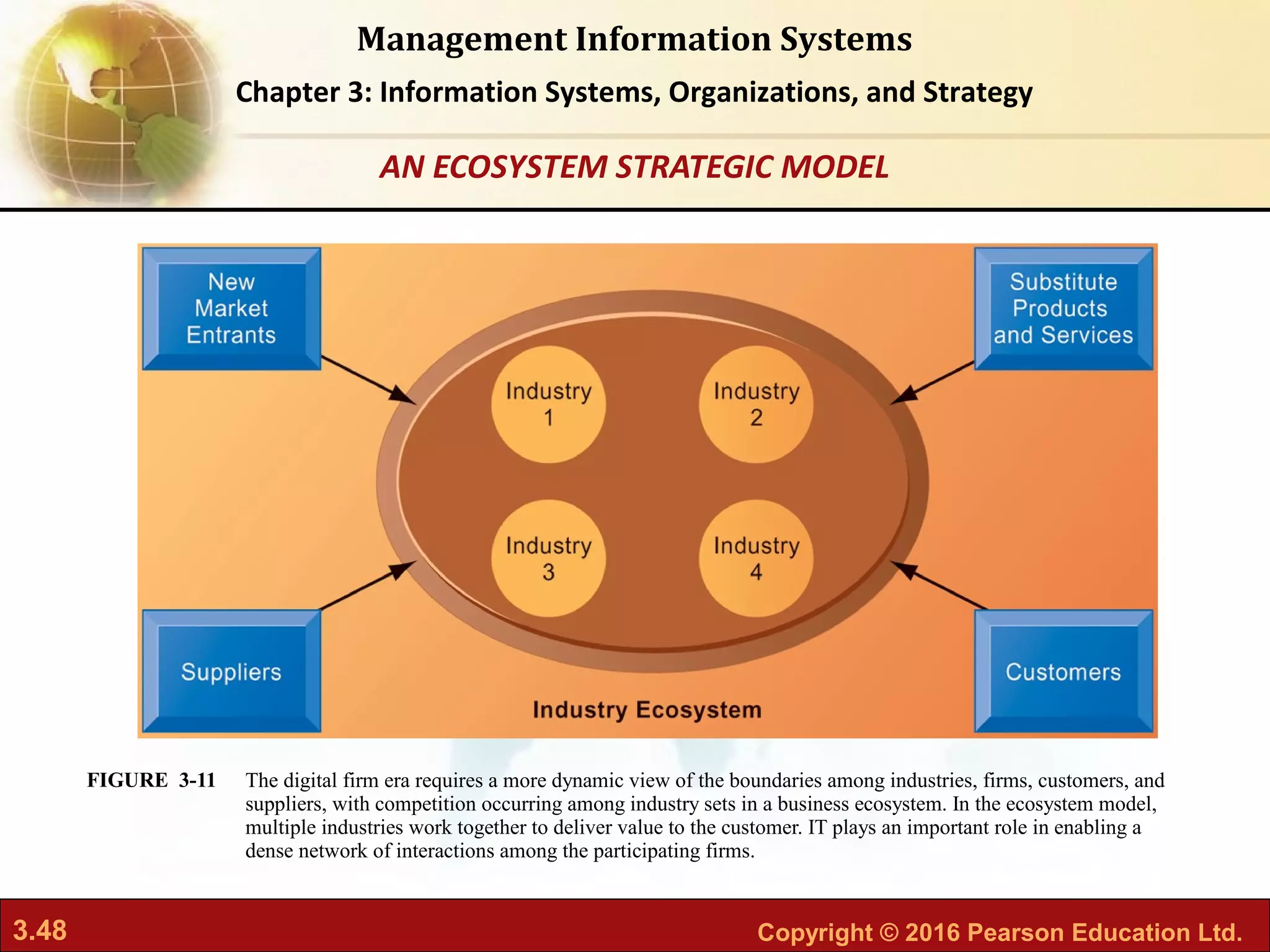
Information systems eliminate traditional data silos by establishing centralized databases accessible across departments. For example, an integrated Enterprise Resource Planning (ERP) system allows the sales team to view real-time inventory levels managed by the logistics department, ensuring that sales reps do not promise products that are out of stock.
What role does artificial intelligence play in modern management information systems?
Artificial intelligence (AI) and machine learning algorithms enhance MIS by automating complex data analysis and pattern recognition. Modern systems utilize AI for predictive maintenance in manufacturing, automated customer sentiment analysis in CRM platforms, and fraud detection in financial transaction logs, enabling managers to act proactively rather than reactively.
How can organizations measure the return on investment (ROI) of an information system?
Measuring MIS return on investment involves evaluating both quantitative metrics—such as reduced administrative overhead, faster invoice processing times, and lower inventory holding costs—and qualitative improvements, including enhanced employee productivity, higher customer satisfaction scores, and greater accuracy in strategic forecasting.
What are the key responsibilities of a Chief Information Officer (CIO) regarding enterprise information systems?
The CIO oversees the organization’s entire technology strategy, aligning IT investments with business objectives. Responsibilities include managing the IT budget, directing infrastructure upgrades, ensuring stringent cybersecurity protocols, maintaining regulatory compliance, and leading digital transformation initiatives across all business units.
Strategic Recommendations for Executives
To maximize the value of information systems, executive leadership must treat technology as an integrated strategic asset rather than an isolated back-office utility. Begin by conducting a thorough audit of existing workflows to identify critical data bottlenecks and decision-making delays. Invest in comprehensive change management protocols to ensure that staff at all levels embrace new digital tools. Finally, prioritize scalable, cloud-based architectures that can adapt to rapid market changes and evolving regulatory landscapes, securing long-term operational resilience.
Image Gallery