Geico Auto Insurance with a Canadian License Explained
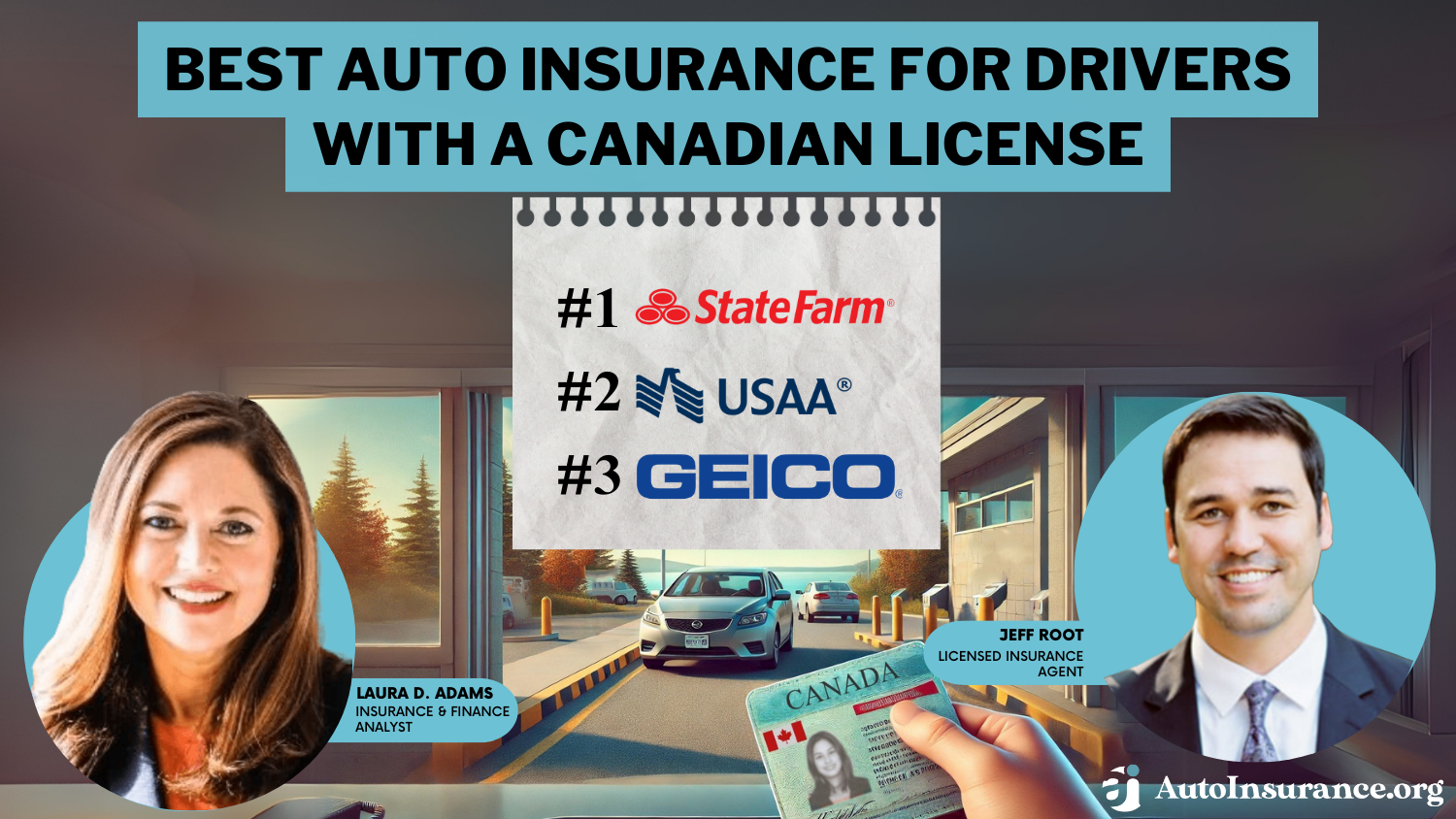
Navigating auto insurance in the United States while holding a Canadian driver’s license involves complex underwriting rules, varying state laws, and specific provider policies. Major carriers like GEICO evaluate foreign licenses diffe...
Navigating auto insurance in the United States while holding a Canadian driver’s license involves complex underwriting rules, varying state laws, and specific provider policies. Major carriers like GEICO evaluate foreign licenses differently depending on whether you are visiting temporarily, relocating permanently, or driving a borrowed vehicle.
Contents
Understanding GEICO's Policy on Foreign Driver's Licenses
When dealing with GEICO auto insurance with a Canadian license explained, the primary hurdle is that GEICO operates as a collection of individual insurance companies regulated at the state level rather than as a single national entity. Because insurance underwriting guidelines are dictated by state laws and internal risk assessment models, GEICO’s acceptance of a Canadian driver's license varies significantly depending on the state in which you reside or drive.
Generally, GEICO will allow drivers with a valid Canadian license to be added to an existing policy or, in certain circumstances, write a policy for them. However, this is heavily contingent upon your legal status in the United States. If you are a Canadian citizen visiting the U.S. temporarily as a tourist, standard U.S. domestic insurance policies are typically unavailable because standard auto insurance contracts require a permanent vehicle garaging address and a local vehicle registration. Conversely, if you are a Canadian expat, student, or temporary worker living in the U.S. with a legally registered vehicle, options expand considerably.
To understand how GEICO evaluates risk for foreign license holders, underwriters look closely at several core factors. These include the duration of your stay, whether your vehicle is registered in the U.S. or Canada, your driving history, and your plan for eventually converting your Canadian license to a U.S. state driver's license.
Key Requirements for Getting Insured with a Canadian License
Securing coverage when you hold a Canadian license requires meeting specific documentation and residency criteria. Insurance companies require verifiable data to assess your driving risk, which can be complicated when your driving record originates outside of the United States.
Documentation Needed for Underwriting
When you apply for or are added to a GEICO policy with a Canadian license, you must provide specific documentation to satisfy identity verification and risk assessment protocols. While requirements fluctuate by state, underwriters typically request:
- A Valid Canadian Driver's License: The license must be current, unexpired, and appropriate for the class of vehicle you intend to drive.
- A Canadian Motor Vehicle Record (MVR): Because U.S. insurance databases cannot automatically pull driving history from Canadian provincial registries, GEICO often requires an official, translated driving record from your province or territory covering the last three to five years.
- Proof of Legal Presence or Residency: If you are residing in the U.S., you must provide documentation such as a work visa (e.g., TN visa), student visa, or permanent residency paperwork.
- Vehicle Registration and Title: The vehicle must be registered in the United States if it is being garaged and driven primarily stateside, as U.S. insurers generally cannot insure vehicles permanently plated in Canada unless specific cross-border endorsements apply.
The Driving History Challenge
The single biggest operational hurdle for Canadian drivers seeking U.S. insurance is the absence of a unified cross-border driving record database. Insurance scores in the U.S. rely heavily on domestic credit history and domestic motor vehicle reports. Without a U.S. credit score or a U.S. driving history, insurance carriers may classify you as a "no-hit" or high-risk driver, which can substantially inflate your premium quotes. Providing a certified abstract of your driving history from your Canadian provincial licensing body (such as the Ontario Ministry of Transportation or ICBC in British Columbia) is essential to prove your clean record and qualify for safe-driver discounts.
Temporary Visitors vs. Long-Term Residents
Your legal status in the United States dictates how GEICO handles your Canadian license. Conflating a temporary vacation stay with a permanent relocation is a common error that leads to policy cancellations or claim denials.
Temporary Visitors and Snowbirds
If you are a Canadian citizen driving across the border for a brief vacation or spending the winter months in a southern state (commonly referred to as a "snowbird"), you generally do not purchase a U.S. auto insurance policy. Instead, your Canadian auto insurance policy—issued by a Canadian provider—provides coverage while driving in the U.S., typically governed by a Non-Resident Inter-Provincial Motor Vehicle Liability Card (commonly called a pink card).
GEICO does not typically write short-term, tourist-focused policies for vehicles registered in Canada and driven by visitors with Canadian licenses. If you are renting a car in the U.S. while visiting with a Canadian license, GEICO offers coverage options if you own a personal GEICO policy, but standard non-owner policies for visiting foreign nationals are restrictive.
Expats, Students, and Temporary Workers
For Canadians moving to the U.S. for work or education, the landscape is different. If you bring a vehicle with you, you are legally required to register that vehicle in your new U.S. state of residence within a specified window (which varies by state, usually ranging from 30 to 60 days). Once the vehicle is registered locally, you must secure U.S. auto insurance.
GEICO will insure drivers with a Canadian license who are transitioning to a U.S. residency, but underwriters will usually place a strict timeline on your policy. Most insurance providers require you to obtain a local state driver's license within a set period (typically 30 to 90 days after establishing residency). Failing to convert your Canadian license to a local state license within the mandated state window can result in policy non-renewal or the denial of coverage during a claim.
| Driver Status | Vehicle Registration | Insurance Source | License Requirement |
|---|---|---|---|
| Temporary Tourist | Canadian Plates | Canadian Insurer (Pink Card) | Valid Canadian License |
| Snowbird (Seasonal) | Canadian Plates | Canadian Insurer (Extended U.S. Coverage) | Valid Canadian License |
| Expat / Worker | U.S. State Plates | U.S. Insurer (e.g., GEICO) | Canadian License transitioning to U.S. State License |
| International Student | U.S. or Canadian | U.S. Insurer or Campus-specific programs | Valid Canadian License (Check state laws) |
Coverage Options and Policy Limitations
When GEICO issues a policy to a household containing a driver with a Canadian license, the coverages mirror standard U.S. auto insurance policies, including liability, collision, comprehensive, and personal injury protection (PIP), depending on state mandates. However, certain limitations apply.
Premium Surcharges and Rating Factors
Because underwriters cannot easily run a standard U.S. credit check or access historical U.S. driving data for new arrivals, your initial rates may be calculated using alternative metrics. Some insurers apply a surcharge for drivers without a domestic insurance history. To mitigate this, ask GEICO customer service about utilizing your Canadian insurance letter of experience—a document from your previous Canadian insurer detailing your claims-free history—to secure favorable tier placement.
Adding a Canadian Driver to an Existing U.S. Policy
If you are a U.S. resident and a family member or frequent visitor from Canada needs to drive your GEICO-insured vehicle, coverage depends on permissive user rules. If the Canadian driver is visiting temporarily and drives your car occasionally, they may be covered under your policy's permissive user clause. However, if the Canadian license holder is living in your household permanently or has regular access to your vehicle, GEICO requires them to be explicitly listed as a driver on the policy. Failing to disclose a regular household driver with a foreign license can violate the policy contract and jeopardize claim payouts.
Step-by-Step Guide to Securing Coverage
If you have determined that you need a U.S. auto insurance policy from GEICO while holding a Canadian license, following a structured process prevents administrative delays.
- Establish Vehicle Registration: Ensure your vehicle is legally registered in your current U.S. state of residence. U.S. insurers cannot write a standard policy for a vehicle bearing active Canadian license plates.
- Gather Documentation: Obtain an official, certified copy of your Canadian driving record (abstract) and a letter of experience from your previous Canadian insurance provider documenting your claims-free history.
- Contact GEICO Directly: Speak with a licensed GEICO insurance agent via phone or through their specialized department rather than relying solely on the automated online quoting tool. Online quote forms are typically optimized for U.S. license formats and Social Security Numbers, which can cause errors for foreign applicants.
- Disclose Licensing Timeline: Inform the agent of your exact legal status, visa type, and your timeline for acquiring a local state driver's license.
- Finalize Policy and Set Up Conversion Reminders: Purchase the policy, keeping in mind that you must follow up by updating your policy information as soon as your local state driver's license is issued.
Frequently Asked Questions
Can I get GEICO auto insurance with just a Canadian driver's license?
Yes, GEICO can write a policy or add you to an existing policy if you hold a valid Canadian license, provided you meet state residency requirements and your vehicle is registered in the United States. However, you will eventually be required to convert your Canadian license to a local state license to maintain continuous coverage.
How do I prove my driving history from Canada to GEICO?
You must request an official Motor Vehicle Record (MVR) or driving abstract from your Canadian provincial or territorial licensing ministry. Additionally, requesting a "letter of experience" from your past Canadian insurance company helps prove your history of continuous coverage and absence of at-fault accidents.
Does GEICO cover me if I am driving in Canada with a U.S. policy?
Most standard GEICO policies issued in U.S. border states extend coverage into Canada for temporary travel (such as a vacation or business trip). You should verify your specific policy declarations page and contact GEICO before crossing the border to ensure your liability limits and physical damage coverages apply in Canadian provinces.
What happens if I don't convert my Canadian license to a U.S. license?
While GEICO may issue an initial policy to a Canadian license holder, individual U.S. states legally require residents to obtain a local driver's license within 30 to 90 days of moving. Failing to do so can lead to state traffic penalties and give your insurance company grounds to deny claims or non-renew your policy for material misrepresentation of residency.
Will my Canadian insurance history lower my U.S. insurance rates?
Yes, providing a documented claims-free history from Canada helps underwriters evaluate your risk profile accurately. Without this documentation, insurers may treat you as an unrated driver, which often results in higher initial premium quotes.
Conclusion and Next Actions
Obtaining or managing GEICO auto insurance with a Canadian license requires careful adherence to state vehicle registration laws, transparent communication with underwriters, and proactive documentation of your driving history. If you are a temporary visitor, rely on your Canadian auto insurer and international pink card. If you are relocating to the United States, prioritize registering your vehicle locally, secure a certified copy of your Canadian driving abstract, and speak directly with a GEICO agent to establish a compliant policy while planning your transition to a U.S. state driver's license.
Image Gallery