Choosing the Point of Sale vs Point of Purchase: A Strategic Guide for Retailers
Choosing between a point of sale and a point of purchase strategy involves aligning your hardware and software investments with customer behavior. The point of sale focuses strictly on the checkout transaction and payment processing, w...
Choosing between a point of sale and a point of purchase strategy involves aligning your hardware and software investments with customer behavior. The point of sale focuses strictly on the checkout transaction and payment processing, while the point of purchase encompasses the broader environment where a buyer makes any purchasing decision. Selecting the right focus depends on whether your primary bottleneck is payment friction or merchandising visibility.
Contents
Understanding the Fundamental Differences
To build an effective retail or e-commerce strategy, you must first understand the distinct operational definitions of these two retail pillars. While they are frequently used interchangeably in casual conversation, they represent entirely different stages of the customer journey, technical requirements, and strategic outcomes.
The point of sale (POS) refers specifically to the exact time and place where a transaction is completed. It is the moment the customer hands over payment, the merchant scans the barcode, and the ledger updates. Conversely, the point of purchase (POP) is a broader marketing and merchandising concept. It represents any location where a consumer decides to buy a product—which may happen long before they reach the physical checkout counter.
Understanding this distinction alters how you allocate capital. Investing in a faster POS system solves checkout queues and inventory tracking problems. Investing in POP displays, digital signage, and strategic end-caps solves discoverability and impulse-buying problems.
| Metric / Feature | Point of Sale (POS) | Point of Purchase (POP) |
|---|---|---|
| Primary Focus | Transaction processing, payment, and inventory | Consumer decision-making, visual merchandising |
| Location in Store | Checkout counters, mobile registers | End-caps, aisles, digital banners, displays |
| Core Technology | Barcode scanners, payment terminals, POS SaaS | Interactive screens, physical signage, packaging |
| Primary Objective | Reduce checkout friction, record sales data | Stimulate impulse buys, increase basket size |
The Role and Evolution of the Point of Sale
The modern point of sale has evolved far beyond a mechanical cash register. Today, cloud-based POS software acts as the central nervous system of a retail business, integrating inventory management, employee scheduling, customer relationship management (CRM), and multi-channel sales reporting into a single platform.
When evaluating POS solutions, business owners look at hardware compatibility, processing fees, offline functionality, and API integrations. A robust POS ensures that when a product sells on your e-commerce site, your physical store inventory updates in real time, preventing stockouts and inaccurate auditing.
Key Components of a Modern POS Ecosystem
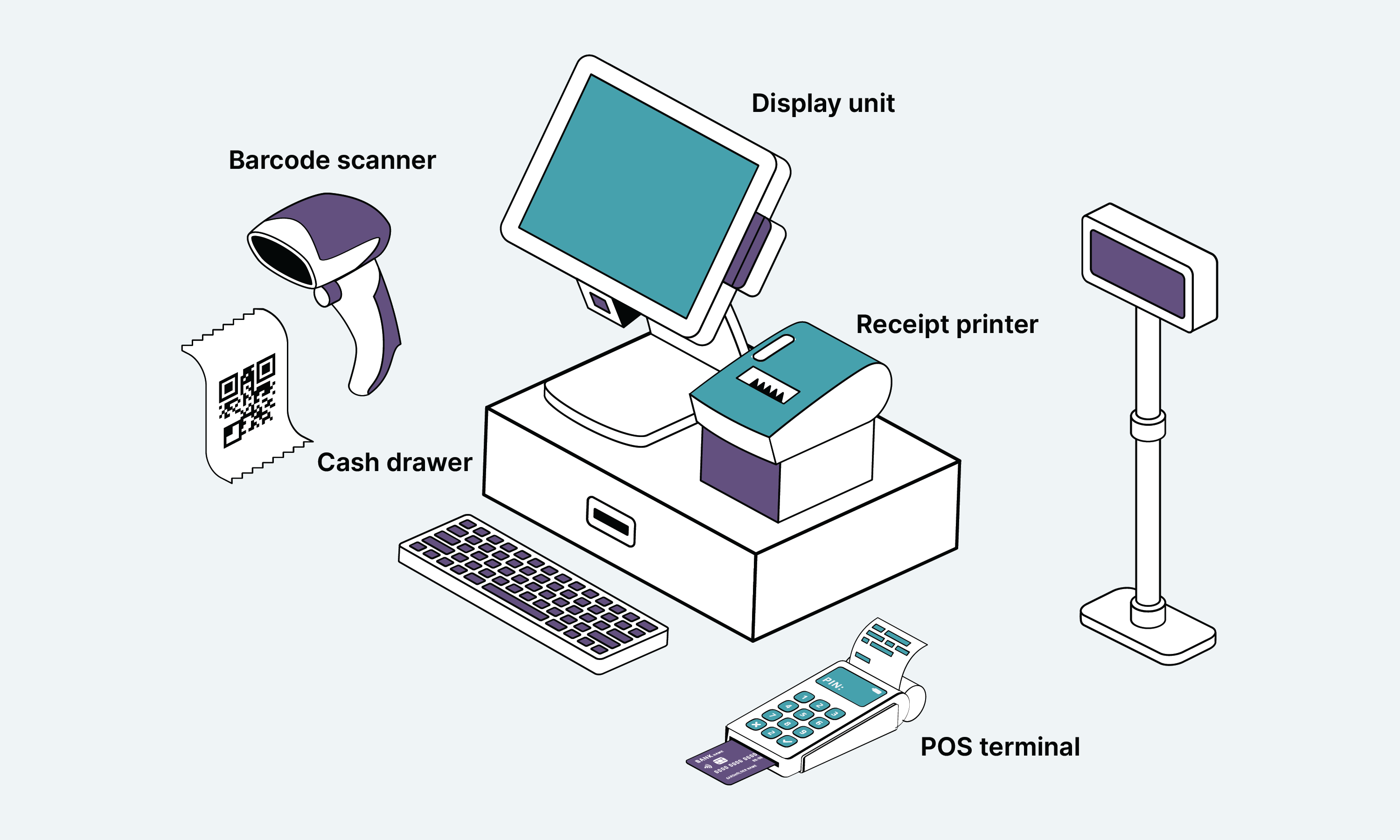
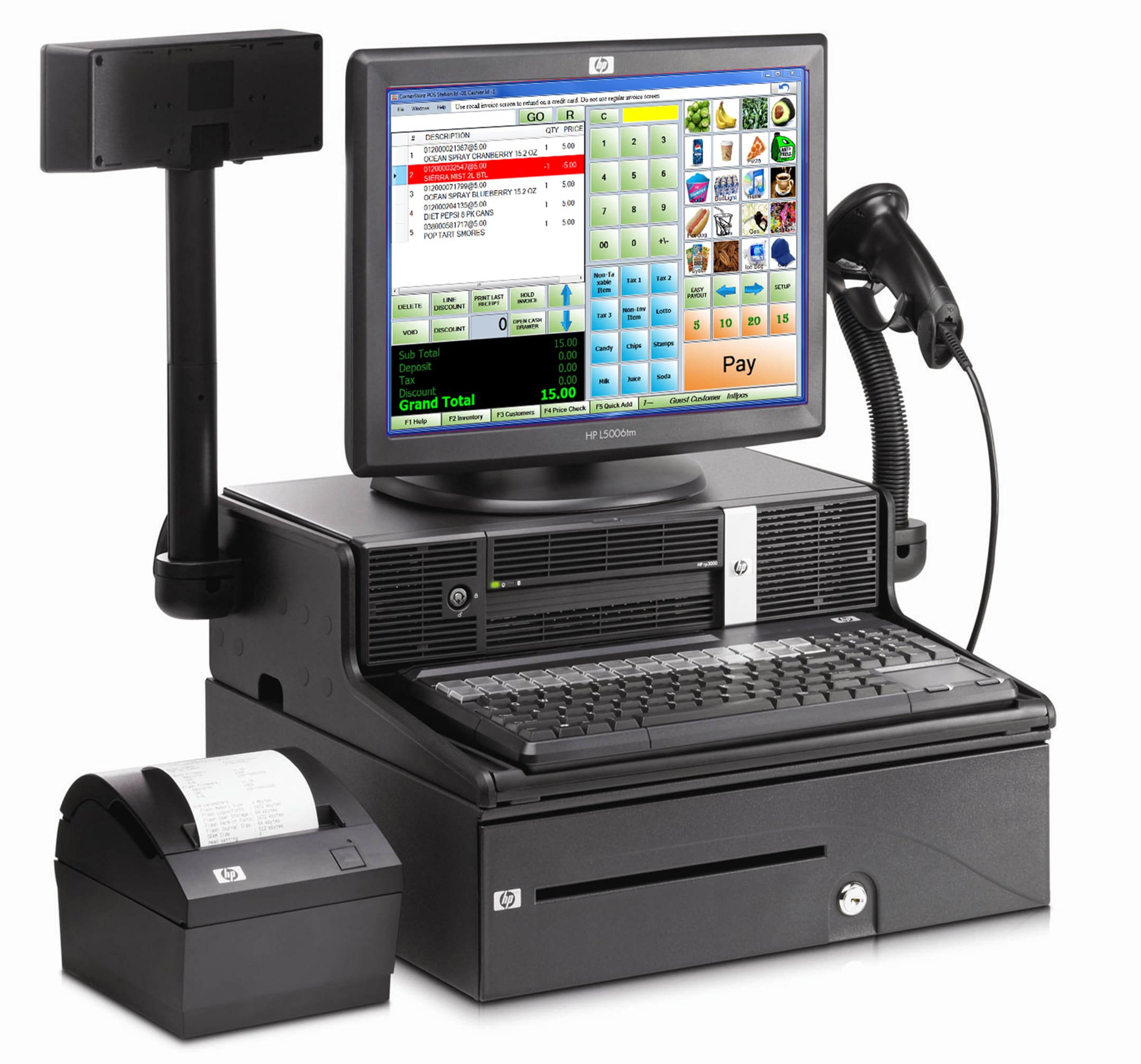
- Hardware Terminals: Touchscreens, receipt printers, cash drawers, and secure EMV chip, contactless, and mobile payment readers.
- Software Infrastructure: Cloud-hosted back-offices that track sales velocity, gross margins, and tax calculations.
- Employee Management: Role-based permissions, clock-in tracking, and individual sales performance metrics.
Choosing the right POS requires auditing your daily transaction volume, payment methods, and physical layout. High-volume environments require lightning-fast processing speeds and offline redundancy, ensuring sales continue even if the internet connection drops.
The Power of the Point of Purchase in Consumer Psychology
While the POS handles the backend mechanics of taking money, the point of purchase targets consumer psychology. POP marketing encompasses all the physical and digital cues designed to nudge a shopper toward a specific item at the exact moment they evaluate their options.
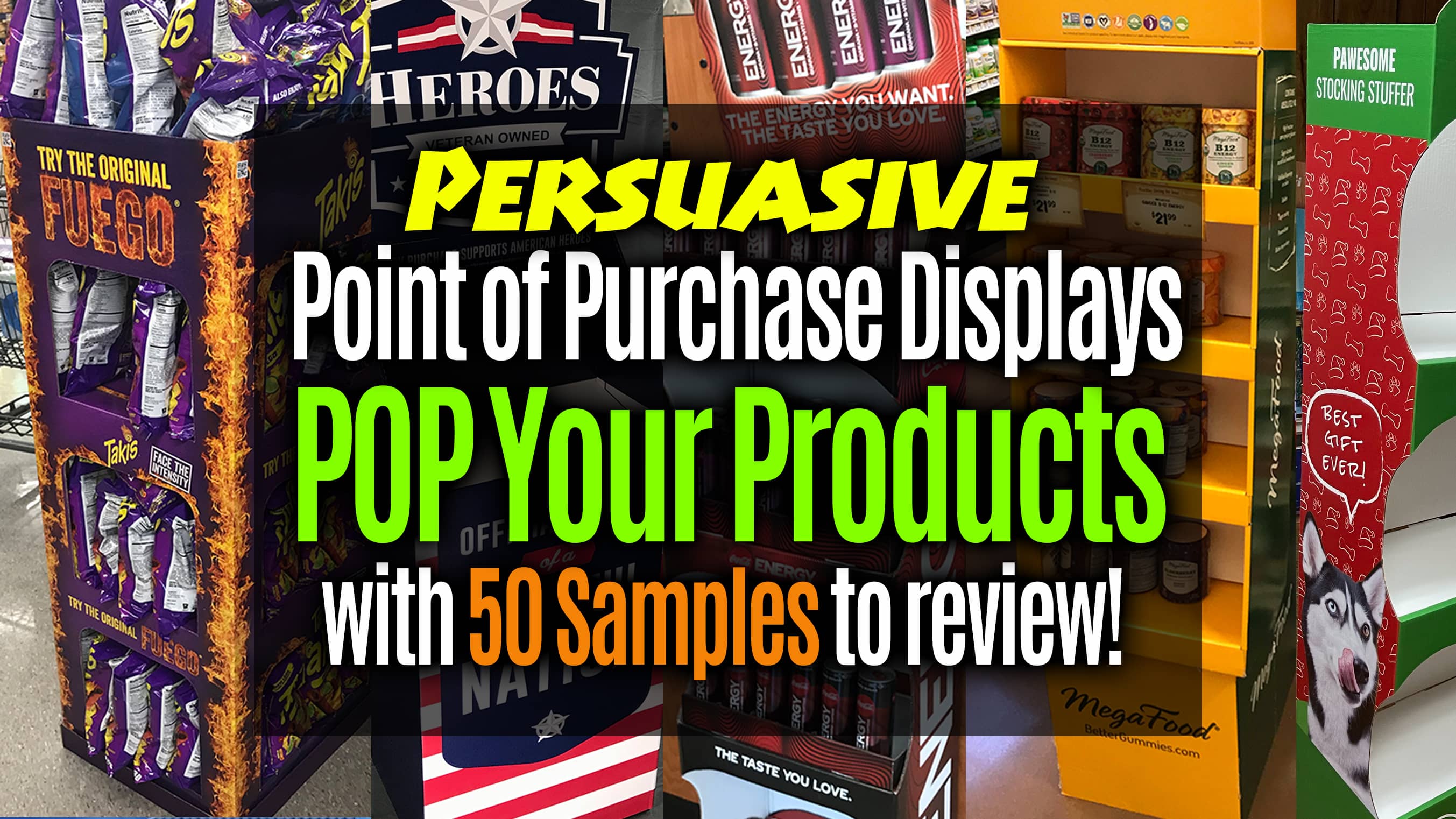
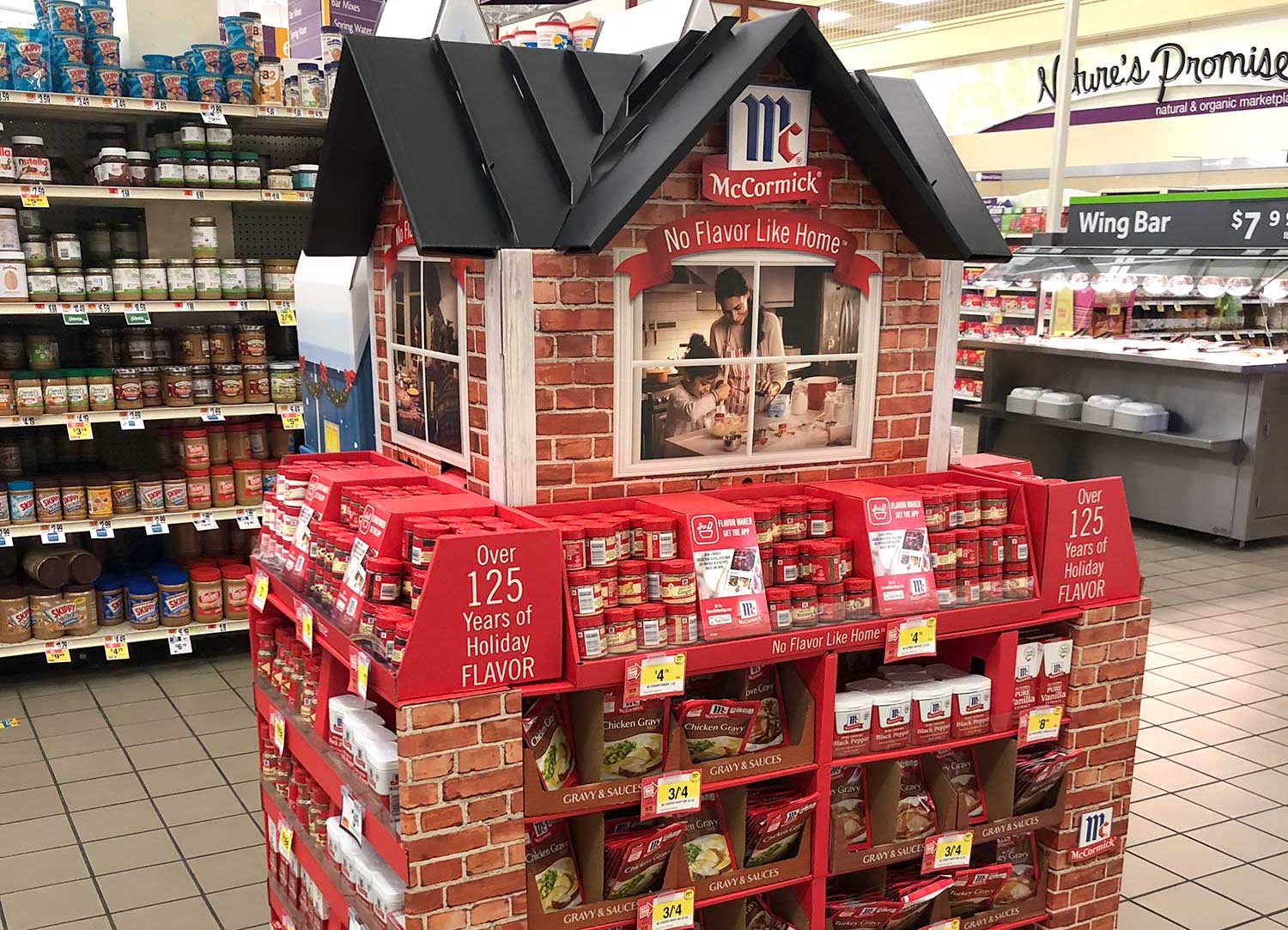
In brick-and-mortar retail, POP strategy relies heavily on visual merchandising. Floor displays, shelf talkers, promotional end-caps, and strategically placed dump bins capture attention in high-traffic zones. In e-commerce, the POP equivalent includes "You May Also Like" recommendations, cart-abandonment pop-ups, and limited-time bundle offers displayed on product pages.
Maximizing POP Effectiveness
- Strategic Placement: Positioning high-margin, impulse-buy items at eye level or directly adjacent to natural waiting areas.
- Clear Value Proposition: Using concise, benefit-driven signage that answers the consumer's immediate question: "Why buy this now?"
- Cross-Merchandising: Displaying complementary items together, such as batteries next to children's toys or specialty sauces next to grilling equipment.
A well-executed POP strategy increases average order value (AOV) by capturing demand that the customer did not initially enter the store to fulfill.
Evaluating Your Business Needs: POS vs. POP Priorities
Deciding where to invest your capital depends on your current operational bottlenecks. If your customers frequently abandon shopping carts due to long lines, slow software, or payment errors, your priority must be upgrading your point of sale infrastructure.
Conversely, if your foot traffic is steady but your basket sizes are small and inventory sits stagnant on shelves, your priority should shift toward optimizing your point of purchase displays and merchandising mix.
Operational Checklist for Decision-Making
- Audit Checkout Bottlenecks: Measure average transaction times and review customer feedback regarding payment experiences.
- Analyze Basket Size Metrics: Review your average items per transaction to determine if customers are adding impulse items before checkout.
- Examine Inventory Turnover: Identify slow-moving inventory that could benefit from aggressive POP placement or digital upselling prompts.
- Calculate Return on Investment (ROI): Compare the cost of a hardware and software POS upgrade against the projected revenue lift of a redesigned merchandising floor plan.
Frequently Asked Questions
Can a point of sale and a point of purchase be the same physical location?
Yes. In many retail environments, the checkout counter doubles as a point of purchase through the use of impulse-buy racks displaying candy, magazines, or travel-sized accessories. While the primary function of the counter is transaction processing (POS), its secondary function is capturing last-minute buying decisions (POP).
Which investment yields a faster return for a new retail store?
For a new store, a reliable point of sale is an absolute operational necessity to legally and accurately process transactions, track taxes, and manage inventory. However, a strong point of purchase strategy is often what drives profitability past the break-even point by maximizing the revenue generated from every customer who walks through the door.
How does e-commerce change the point of sale vs. point of purchase dynamic?
In e-commerce, the point of purchase often occurs on the product category or landing page where the consumer decides to add an item to their cart. The point of sale is compressed into a single digital checkout page. Digital retailers must optimize both: high-converting POP product imagery and descriptions followed by frictionless, one-click POS payment gateways.
What hardware is required for an advanced point of sale system?
A modern cloud POS typically requires a secure tablet or terminal, an encrypted card reader supporting NFC and chip cards, a receipt printer, a barcode scanner, and an automated cash drawer. Many systems also integrate with customer-facing display screens and mobile handheld scanners for inventory audits.
How do I measure the success of my point of purchase marketing?
You can measure POP success by tracking the sales velocity of products featured on specific end-caps or displays before, during, and after a campaign. In digital environments, tracking click-through rates on recommended product widgets and analyzing changes in average order value provide clear performance metrics.
Conclusion
Choosing between focusing on your point of sale or your point of purchase is not an either-or proposition, but rather a matter of sequencing your operational priorities. Secure a reliable, fast, and secure point of sale system first to ensure your baseline transactions run without error. Once your checkout is optimized, invest heavily in point of purchase merchandising and display strategies to increase customer engagement, boost average order values, and drive long-term retail profitability.
Image Gallery