How Long to Wait After a Life Insurance Denial
When facing a life insurance denial, applicants usually do not need to wait any specific mandated period before taking action, but the strategic timeline for reapplying typically ranges from six months to two years depending on the und...
When facing a life insurance denial, applicants usually do not need to wait any specific mandated period before taking action, but the strategic timeline for reapplying typically ranges from six months to two years depending on the underlying reason for rejection.
Contents
Receiving an adverse underwriting decision can feel overwhelming, particularly when financial security for surviving family members depends on securing a policy. However, a denial from one insurance carrier does not permanently close the door on coverage. Understanding the specific mechanisms behind the rejection, the legal and operational rights available to consumers, and the appropriate intervals for reapplying can transform a frustrating setback into a manageable financial puzzle. Navigating this process requires a careful examination of insurance company guidelines, underwriting rules, and medical or lifestyle adjustments that directly influence future insurability.
Understanding the Reasons Behind a Life Insurance Denial
Before determining how long to wait before seeking coverage again, applicants must uncover the exact rationale behind the initial rejection. Life insurance companies rely on complex underwriting manuals, actuarial tables, and risk assessment protocols to evaluate applicants. When an application is declined, the insurer is legally obligated under the Fair Credit Reporting Act (FCRA) to provide an adverse action notice detailing the primary factors that influenced the decision.
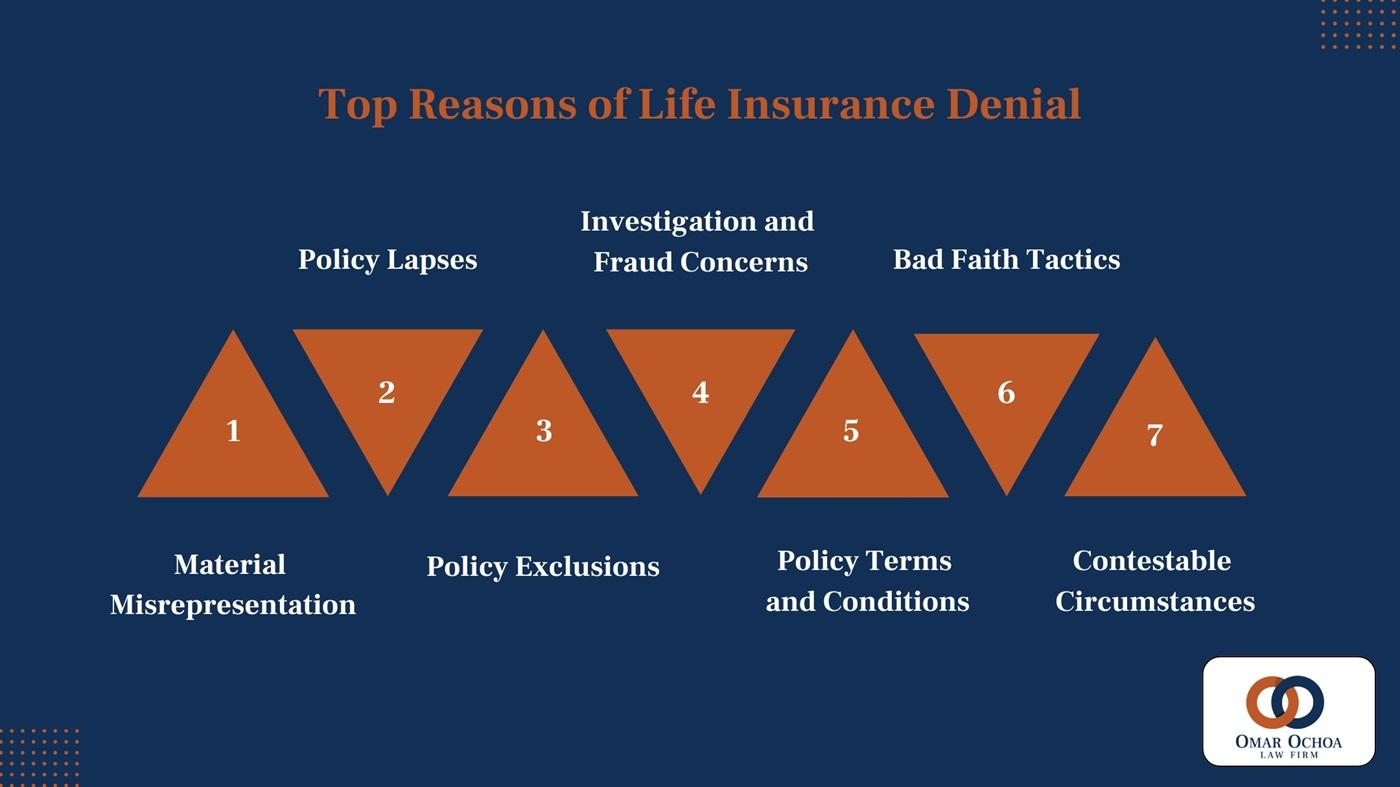
Common causes for life insurance denials generally fall into distinct categories, each requiring a different operational approach and timeframe for resolution:
- Medical History and Pre-existing Conditions: Severe cardiovascular issues, recent cancer diagnoses, poorly controlled diabetes, or chronic respiratory illnesses often trigger an immediate declination if the condition falls outside the carrier's risk appetite.
- Hazardous Occupations and Avocados: High-risk jobs—such as commercial fishing, logging, or structural steelwork—or dangerous hobbies like skydiving, rock climbing, and private aviation can cause a standard carrier to deny coverage.
- Lifestyle Factors: Regular tobacco use, excessive alcohol consumption, a history of substance abuse, or a poor driving record featuring multiple speeding tickets or driving under the influence (DUI) convictions heavily influence underwriting.
- Financial Underwriting Issues: Applying for a death benefit amount that disproportionately exceeds documented income or net worth (known as over-insurance) can result in a financial denial.
- Administrative Errors: Misinformation on the application, unverified medical records, or a failure to complete required paramedical exams and lab tests can lead to a technical denial.
Analyzing the adverse action notice allows applicants to distinguish between temporary obstacles that can be corrected immediately and permanent risk factors that require a structured waiting period or a specialized insurance product.
Immediate Steps: Reconsideration, Appeal, and Data Verification
Many applicants assume a denial is final and immediately start shopping for a new policy elsewhere. However, taking immediate steps to review the underwriting file can save months of wasted effort and prevent unnecessary financial expenditures.
Requesting and Reviewing the Medical Information Bureau (MIB) File
Insurers share coded health and lifestyle data through the Medical Information Bureau. If an underwriting denial was based on medical records, prescription history, or past application disclosures, errors within the MIB file or consumer reporting agencies could be the root cause. Applicants have the right to request a free copy of their MIB file annually. Disputing inaccuracies in this file is a crucial first step that must occur before submitting applications to new carriers.
Pursuing a Formal Reconsideration or Appeal
If the denial was triggered by a temporary misunderstanding—such as an uncorrected lab error, a misdiagnosed symptom, or a transient medical issue that has since resolved—the applicant can request a formal reconsideration. This does not require waiting; instead, it involves submitting new documentation, physician statements, or updated lab results directly to the original carrier. If the reconsideration fails, formal appeals governed by state insurance regulations can be initiated, though these rarely succeed unless tangible underwriting errors are proven.
Strategic Waiting Periods Based on the Cause of Denial
When a denial is justified based on accurate underwriting data, the waiting period before reapplying is dictated entirely by how long it takes to mitigate the underlying risk factor. Insurance carriers maintain strict internal underwriting guidelines regarding stability windows for various medical conditions and lifestyle changes.
| Cause of Denial | Typical Required Waiting Period / Stability Window | Recommended Strategic Action |
|---|---|---|
| Controlled Medical Issue (e.g., Cancer, Cardiac Event) | 2 to 5+ years post-treatment or stability | Gather clear oncology or cardiology clearance letters proving complete remission or stable management. |
| Substance Abuse History | 2 to 5+ years of documented sobriety | Complete accredited recovery programs and maintain clean random toxicology screenings. |
| DUI or Major Driving Violations | 3 to 5 years from the date of conviction | Maintain a clean driving record and secure standard auto insurance to show behavioral modification. |
| Tobacco Use | 1 to 3 years from the last recorded nicotine use | Undergo cotinine testing to prove complete cessation before applying with a non-smoker carrier. |
| Temporary Financial Over-Insurance | Immediate (upon income verification) | Adjust the requested death benefit downward to align strictly with current income multiples and estate liabilities. |
For medical conditions, underwriters look for "stability." For instance, if an applicant suffered a mild heart attack, most standard carriers require a waiting period of at least two years, accompanied by favorable stress tests and active cardiologist supervision, before considering a new application at standard or sub-standard rates.
Alternative Insurance Options During the Waiting Period
Waiting months or years for a traditional term or whole life insurance policy to become accessible can leave dependents financially exposed. Fortunately, alternative products exist that bypass traditional underwriting barriers, allowing individuals to secure protection while they wait out their mandatory stability windows.
Guaranteed Issue Life Insurance
Guaranteed issue or guaranteed acceptance policies do not require medical exams, health questions, or MIB reviews. Anyone falling within the eligible age bracket—typically between 45 and 85 depending on the provider—is approved automatically. However, these policies come with significant trade-offs:
- Lower Death Benefits: Coverage limits are usually capped between $10,000 and $25,000, designed primarily to cover final expenses and burial costs.
- Graded Death Benefits: Most guaranteed issue products feature a graded clause, meaning if the insured dies from natural causes within the first two or three years of the policy, beneficiaries receive only a refund of premiums plus interest, rather than the full face value.
- Higher Premiums: Because the insurer assumes high morbidity risk without medical vetting, the cost per thousand dollars of coverage is substantially higher than standard term life insurance.
Group Life Insurance via Employers
Many employers offer group term life insurance as part of an employee benefits package, often providing coverage equal to one or two times an employee's annual salary without requiring medical underwriting up to a certain guaranteed issue threshold. Utilizing workplace benefits is one of the most effective ways to secure immediate, cost-effective coverage while navigating a personal life insurance denial.
How to Prepare for Reapplication When the Wait is Over
Once the appropriate waiting period has elapsed and the risk factor has been successfully addressed, reapplying requires a methodical approach to avoid a second denial, which can make securing coverage even more difficult as multiple declinations are recorded in industry databases.
- Consult an Independent Broker: Working with an independent insurance broker who has access to multiple carriers is essential. Independent agents understand which insurance companies maintain more lenient underwriting guidelines for specific conditions, such as high blood pressure, mental health management, or niche occupations.
- Perform Pre-Underwriting (Anonymous Inquiry): Before submitting a formal application that leaves a permanent inquiry trail, ask your broker to run an anonymous pre-underwriting inquiry (often called a tentative or informal application) past several underwriters. This allows carriers to evaluate medical histories without triggering an official adverse action record if they intend to decline.
- Gather Comprehensive Documentation: Compile recent medical records, physician clearance letters, lab results, and proof of lifestyle changes before the formal application is submitted. Providing proactive documentation demonstrates transparency and eliminates underwriting delays.
Frequently Asked Questions
Can I apply to a different insurance company immediately after a denial?
Yes, you can apply elsewhere immediately. Insurance companies do not share unified approval pools, and underwriting guidelines vary significantly across the industry. However, if the denial was based on verifiable medical records or MIB data, other carriers will uncover that information during their standard background checks, making it vital to address the core issue rather than simply shopping blindly.
Does a life insurance denial permanently hurt my chances of getting coverage?
No, a denial is not permanent. Most adverse underwriting decisions are tied to temporary health statuses, lifestyle behaviors, or risk exposures. Once sufficient time has passed—ranging from six months for minor lifestyle adjustments to several years for major medical events—you can successfully qualify for coverage.
Will a life insurance denial show up on my credit report?
No. Life insurance underwriting decisions do not impact your credit score or appear on traditional financial credit reports. However, medical denials are logged within specialty consumer reporting databases like the Medical Information Bureau, which other life and health insurance carriers can access during the application review process.
What should I do if my health condition is permanent and will never improve?
If your medical condition prevents you from ever qualifying for traditional fully-underwritten life insurance, look into simplified issue whole life policies, guaranteed acceptance insurance, or final expense plans. These products rely on minimal or zero health screening, ensuring you can still obtain basic coverage for end-of-life expenses.
Is it legal for an insurance company to deny coverage without explanation?
No. Under the Fair Credit Reporting Act, if an insurer takes adverse action against you—such as denying coverage or charging a higher premium based on a consumer report or medical database—they must provide written notice detailing the specific reasons for the decision and identifying the reporting agency used.
Conclusion and Next Actions
Facing a life insurance denial is a discouraging hurdle, but it should be viewed as a temporary roadblock rather than a permanent disqualification. By carefully analyzing the adverse action notice, verifying the accuracy of your MIB file, respecting the necessary waiting periods for medical or lifestyle stabilization, and exploring alternative coverage options like group or guaranteed issue plans, you can protect your family's financial future.
Your immediate next step is to pull your Medical Information Bureau file, review the exact reasons for the denial with professional guidance, and map out a realistic timeline for reapplying with the assistance of an experienced independent insurance broker.
Image Gallery