Why Amazon Uses USPS: The Logistics Strategy Behind the Partnership
Amazon relies heavily on the United States Postal Service (USPS) to maintain its vast e-commerce delivery network, leveraging the postal service's universal delivery mandate to reach remote rural addresses efficiently where maintaining...
Amazon relies heavily on the United States Postal Service (USPS) to maintain its vast e-commerce delivery network, leveraging the postal service's universal delivery mandate to reach remote rural addresses efficiently where maintaining private fleet routes would be cost-prohibitive. This symbiotic institutional relationship combines Amazon's proprietary fulfillment infrastructure with the Postal Service's mandatory "last mile" coverage across every residential address in the country.
Contents
Understanding the mechanics of modern supply chain management requires examining why the world's largest online retailer continues to partner with a century-old public institution. While Amazon has built an enormous proprietary logistics network featuring regional sortation facilities, dedicated linehaul trucks, and a massive fleet of delivery vans, strategic partnerships remain essential for overall cost containment, network resilience, and geographic coverage. The operational intersection of a private multinational corporation and a government-backed postal service shapes how millions of packages arrive at front doors every day.
The Evolution of Amazon Logistics and Carrier Integration
In its formative years, Amazon relied almost entirely on traditional carriers like the United States Postal Service, United Parcel Service (UPS), and FedEx to transport goods from third-party sellers and its own warehouses to customer doorsteps. As order volumes scaled exponentially, the company recognized that sole reliance on external carriers exposed its retail operations to capacity constraints, seasonal delivery bottlenecks, and fluctuating shipping rates. This realization catalyzed the development of Amazon Logistics (AMZL), an internal delivery network designed to handle a substantial and growing share of the company's package volume.
Building a proprietary delivery network from scratch presented immense capital expenditures and operational hurdles. While Amazon successfully established dense urban and suburban delivery routes utilizing contract drivers and leased vehicles, covering every single geographic coordinate in the United States proved economically impractical. Delivering a package to a remote ranch in rural Montana or a high-altitude mountain community in Colorado requires significant logistical overhead per stop. Rather than deploying dedicated private vans to service low-density regions, Amazon integrated its network with the existing infrastructure of the United States Postal Service.
This integration evolved through formalized contractual agreements, including long-term parcel delivery arrangements and hybrid shipping products. Instead of viewing legacy carriers strictly as competitors, Amazon adopted a hybrid strategy. The company handles its own linehaul transportation and initial sorting, moving packages through its fulfillment centers to destination-level delivery units, where the Postal Service takes custody for the final delivery leg.
Last-Mile Economics and Rural Coverage Mandates
The economic concept of the "last mile" represents the most expensive and complex phase of the supply chain. Transporting freight in bulk across long distances via semi-trucks or cargo planes is relatively inexpensive on a per-unit basis. However, breaking down that bulk freight into individual packages and routing them to distinct residential addresses requires high labor, fuel, and vehicle maintenance expenditures.
The United States Postal Service operates under a universal service obligation (USO) established by federal law. This mandate requires the agency to deliver mail and packages to every residential and business address in the United States, regardless of how remote, isolated, or economically disadvantageous the route may be.
| Delivery Metric | Private Carriers (Amazon Logistics, UPS, FedEx) | United States Postal Service (USPS) |
|---|---|---|
| Geographic Coverage | Optimized for urban, suburban, and high-density corridors | Universal mandate covering 100% of U.S. addresses |
| Saturday/Sunday Delivery | Standardized across most networks | Expanded operations, but historically structured around six-day standard delivery |
| Mailbox Access | Prohibited by federal law from placing parcels inside residential mailboxes | Exclusive federal right to deposit items into standard residential mailboxes |
| Infrastructure Focus | Proprietary fulfillment, sortation hubs, and dedicated fleets | Post offices, rural route carriers, and national postal infrastructure |
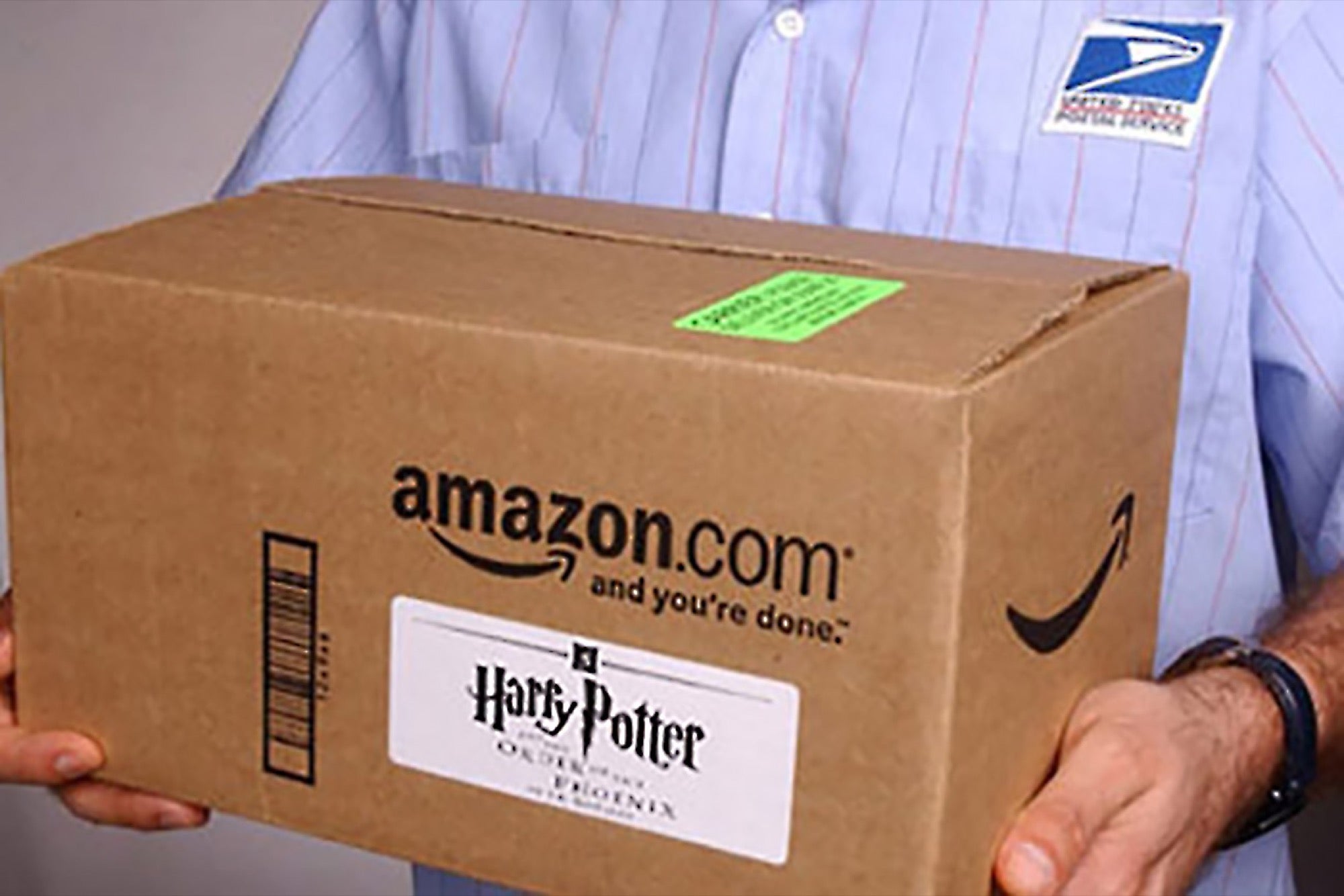
For Amazon, attempting to replicate this universal coverage through its own independent contractor model in low-density rural areas would introduce severe inefficiencies. When a delivery driver must travel miles between single-digit numbers of stops, the cost per delivery skyrockets. By handing these packages over to local post offices via hybrid products like Amazon Parcel Select, Amazon leverages the established routes of rural postal carriers who are already visiting those properties to deliver standard letters, bills, and periodicals.
Regulatory Advantages and Mailbox Access Rights
Beyond geographic coverage, federal regulations grant the United States Postal Service distinct legal privileges that private logistics companies cannot legally utilize. Under federal law, access to standard residential mailboxes—those metal or plastic boxes mounted on curbs or attached to houses—is strictly restricted to authorized postal employees delivering mail and items bearing official postage.
Private delivery drivers, including Amazon delivery associates, FedEx couriers, and UPS drivers, are legally prohibited from placing packages inside residential mailboxes. Instead, private carriers must leave packages on porches, steps, or designated drop-off locations, which can expose items to weather elements or package theft (commonly referred to as porch piracy).
When Amazon utilizes postal services for the final delivery segment, postal carriers possess the legal clearance to place smaller parcels directly inside secure residential mailboxes. This operational capability provides enhanced protection for customer shipments, reduces the incidence of theft, and streamlines the delivery process in neighborhoods where mailboxes are centrally located or integrated into home structures. While this regulatory advantage represents only one facet of the broader partnership, it provides a distinct operational convenience for specific package dimensions and delivery environments.
Capacity Management and Peak Season Resilience
Retail demand fluctuates dramatically throughout the calendar year, peaking during the fourth-quarter holiday shopping season, major promotional events like Amazon Prime Day, and localized retail surges. Building a private delivery fleet sized to handle maximum peak capacity year-round would result in massive financial waste, as thousands of vehicles and drivers would sit idle during slower spring and summer months.
To manage these capacity constraints dynamically, Amazon utilizes the expansive network of the Postal Service as an elastic capacity buffer. During high-volume windows, the postal network absorbs millions of additional parcels, helping prevent the delivery gridlocks that can damage customer satisfaction and retail metrics.
This cooperative relationship provides mutual financial benefits. For the United States Postal Service, package delivery revenue represents a critical financial counterbalance to declining first-class letter mail volumes. As traditional letter writing and paper bill payments have migrated to digital platforms, parcel delivery has transformed into a primary revenue driver for the postal agency, helping offset fixed operational overhead costs.
| Operational Dimension | Amazon Logistics Impact | USPS Partnership Benefit |
|---|---|---|
| Volume Scaling | Absorbs baseline urban and suburban demand | Provides surge capacity during peak holiday seasons |
| Cost Control | Avoids over-investing in low-density fleet expansion | Generates vital parcel revenue for postal operations |
| Sunday Operations | Pioneered widespread weekend consumer fulfillment | Expanded Sunday parcel delivery capabilities via commercial contracts |
Financial Dynamics and Negotiated Service Agreements
The financial framework governing the relationship between Amazon and the Postal Service is established through Negotiated Service Agreements (NSAs). These are customized, confidential pricing contracts reviewed and authorized by the Postal Regulatory Commission (PRC) to ensure that rates cover the attributable costs of handling the mail and contribute appropriately to the postal system's institutional costs.
Public discourse surrounding these financial arrangements frequently centers on whether shipping contracts adequately reflect the true operational costs borne by the postal agency. Independent postal regulators and competitors have periodically scrutinized these pricing structures to ensure compliance with federal postal laws, which prohibit cross-subsidizing competitive products with monopoly postal revenues.
Despite periodic regulatory reviews and legislative debates regarding postal finances, the economic logic of the partnership remains compelling for both entities. Amazon secures predictable, high-volume shipping rates that support its Prime delivery promises, while the Postal Service secures large-scale volume that maximizes the utilization of its sorting and delivery infrastructure.
Operational Synergies and Future Outlook
The logistics strategy linking Amazon and the United States Postal Service demonstrates how private enterprise and public infrastructure can intersect to solve complex distribution challenges. While Amazon continues to expand its own delivery footprint, investing heavily in electric delivery vehicles, regional sortation hubs, and middle-mile trucking, complete independence from external carriers remains neither practical nor economically advantageous.
As e-commerce volume continues to evolve, the balance between proprietary delivery and outsourced postal routing will likely adapt to shifting consumer demands, labor markets, and regulatory environments. For the foreseeable future, the combination of Amazon's advanced routing algorithms and the Postal Service's universal delivery footprint will remain a foundational pillar of modern retail logistics.
Frequently Asked Questions
Does Amazon own the United States Postal Service?
No, Amazon does not own the United States Postal Service. The USPS is an independent establishment of the executive branch of the United States federal government, created by an act of Congress. Amazon is simply a major commercial shipping customer that contracts with the Postal Service for package delivery services.
Why do some Amazon packages arrive in USPS trucks while others arrive in Amazon vans?
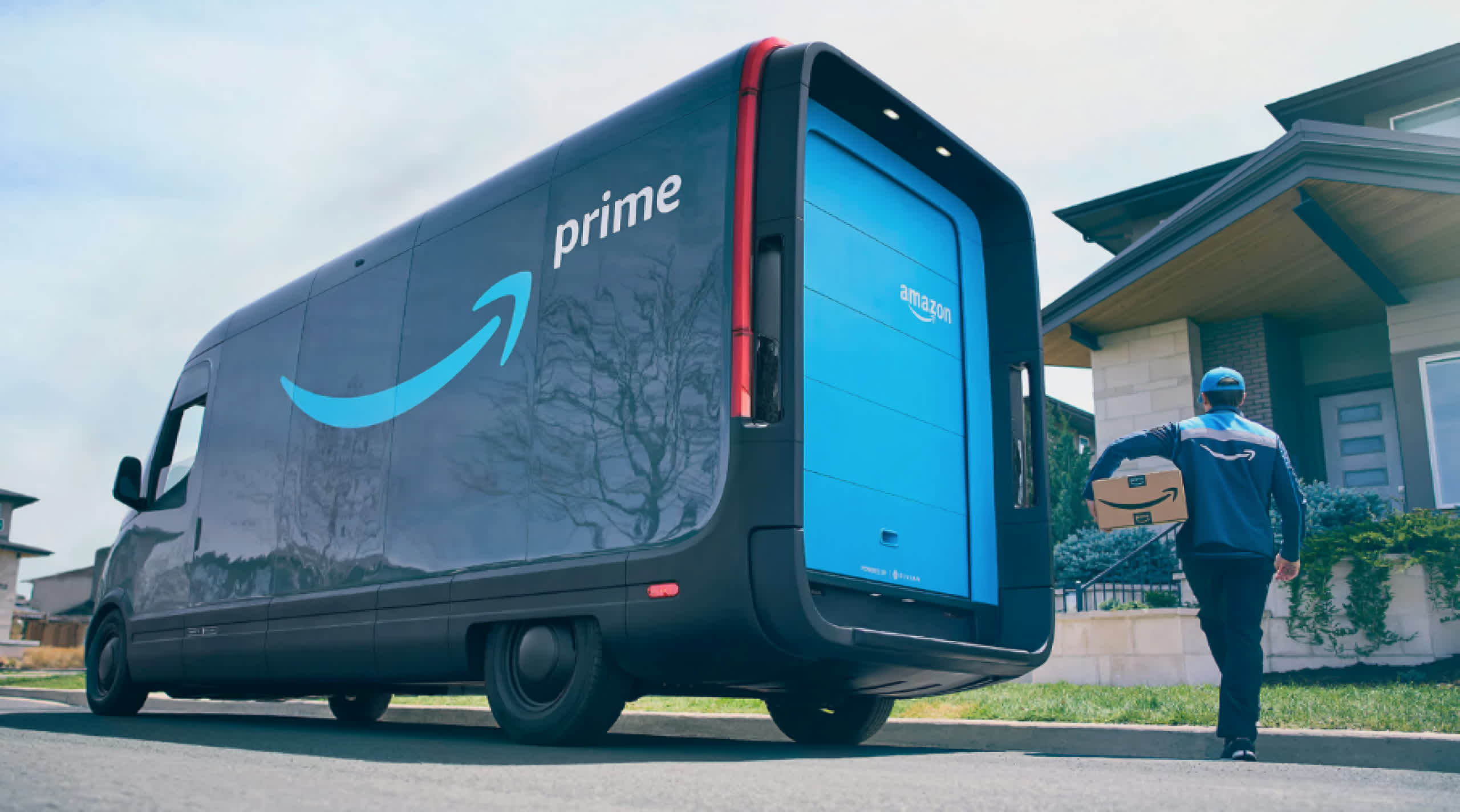
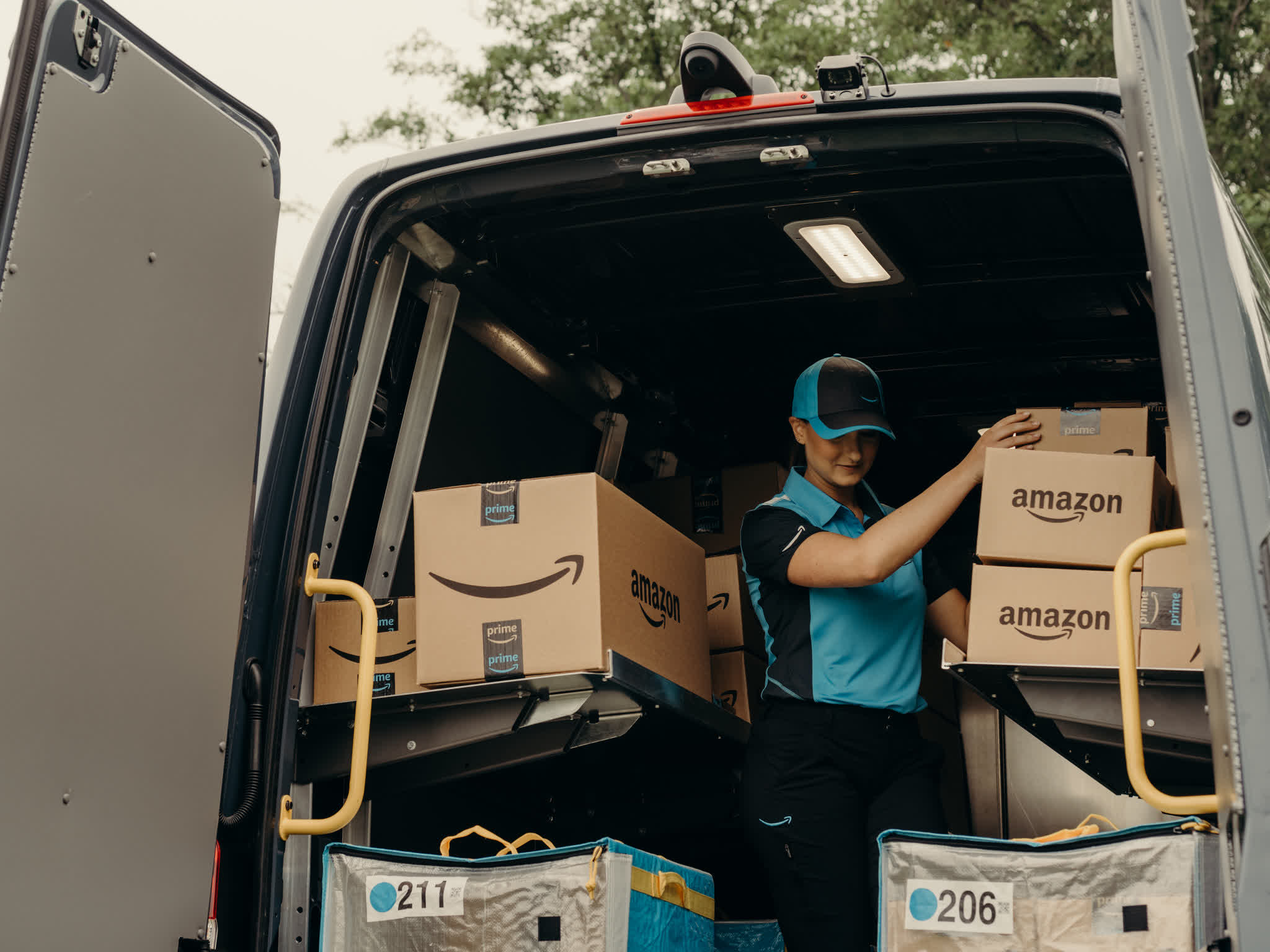
Amazon utilizes a hybrid delivery model based on geographic density and operational efficiency. In dense urban and suburban areas, Amazon typically utilizes its own branded delivery vans and local contract drivers through Amazon Logistics. In rural or remote areas where maintaining a private fleet is cost-inefficient, Amazon hands packages over to the Postal Service for final-mile delivery.
Can Amazon drivers put packages in my mailbox?
No. Under federal law, access to residential mailboxes is strictly restricted to authorized employees of the United States Postal Service. Private delivery drivers, including Amazon, UPS, and FedEx personnel, are legally prohibited from placing parcels inside mailboxes and must leave them on porches or secure delivery locations.
Does the Postal Service lose money delivering Amazon packages?
The financial impact of Amazon shipments on the Postal Service is a subject of ongoing regulatory review. Under federal law, Negotiated Service Agreements must cover the direct and indirect costs associated with handling the mail and contribute to the postal system's overhead. While critics argue over pricing fairness, postal leadership generally views parcel delivery as essential revenue for offsetting declines in traditional first-class letter mail.
Will Amazon eventually stop using the Postal Service entirely?
It is highly unlikely that Amazon will completely phase out its partnership with the Postal Service. Maintaining a proprietary delivery fleet capable of reaching 100% of remote and rural U.S. addresses with the same frequency as the Postal Service would be economically prohibitive. The hybrid model allows Amazon to scale efficiently without over-investing in low-density infrastructure.
Image Gallery