Marines Killed in Helicopter Crash Highlight Operational Risks
The tragic loss of United States Marines in military aviation accidents underscores the persistent operational risks, mechanical complexities, and harsh environmental factors inherent in modern rotorcraft deployment. These incidents pr...
The tragic loss of United States Marines in military aviation accidents underscores the persistent operational risks, mechanical complexities, and harsh environmental factors inherent in modern rotorcraft deployment. These incidents prompt intense investigations by defense authorities to determine whether mechanical failure, pilot error, or environmental conditions contributed to the fatal crashes, driving ongoing debates over military readiness, fleet modernization, and safety protocols.
Contents
Understanding the Nature of Military Aviation Risks
Military aviation is inherently hazardous. Unlike commercial airliners that operate along well-defined corridors under strict civilian air traffic control, military helicopters operate in dynamic, high-stress environments. These aircraft routinely perform low-altitude tactical flights, land in unimproved landing zones during adverse weather, and operate under blackout conditions using night-vision equipment.
The convergence of these operational pressures creates a high-risk matrix. Pilots and aircrews must manage complex, highly integrated mechanical systems while reacting instantaneously to tactical threats or sudden weather anomalies. When a fatal mishap occurs, military investigators analyze these variables to isolate the root cause, distinguishing between material failure, human factors, organizational influences, and environmental conditions.
The Role of Complex Machinery and Maintenance Cycles
Modern military transport and attack helicopters are marvels of aerospace engineering, yet their intricate design requires intensive, uncompromising maintenance. Systems such as the Bell-Boeing V-22 Osprey tiltrotor, the Sikorsky CH-53K King Stallion, and the UH-1Y Venom rely on thousands of moving parts operating under immense physical stress.
- Mechanical Fatigue: High-stress components like rotor hubs, transmission gearboxes, and drive shafts experience severe metal fatigue over time, necessitating rigorous non-destructive testing and timely replacements.
- Supply Chain Constraints: Sourcing specialized aerospace components for aging or advanced fleets often creates maintenance backlogs, pushing airframes to their operational limits before scheduled overhauls.
- Depot-Level Maintenance: Routine inspections must balance training requirements against safety mandates. When fleet availability goals outpace maintenance capacity, the risk of overlooked component wear increases.
Historical Context and Fleet-Wide Safety Stand-Downs
Tragedies involving military aircrews frequently lead to decisive command interventions, most notably fleet-wide safety stand-downs. During a safety stand-down, operational flying—except for essential missions—is temporarily halted to review safety procedures, inspect critical components, and retrain aircrews on emergency protocols.
Historically, high-profile crashes involving Marine Corps aviation have catalyzed comprehensive reviews by the Department of Defense and congressional oversight committees. These investigations often reveal systemic issues that extend beyond a single squadron or airframe type, influencing procurement strategies and training curricula across all branches of the armed forces.
Comparative Overview of Military Rotorcraft Risk Factors
Different military helicopter platforms present unique operational profiles and maintenance demands. Understanding these differences helps contextualize why certain airframes face distinct safety challenges.
| Airframe Type | Primary Mission Profile | Key Mechanical Systems | Primary Operational Risk Factors |
|---|---|---|---|
| Tiltrotor (e.g., MV-22) | Troop transport, assault support | Tiltrotor nacelles, synchronized drive shafts | Complex transition phase between helicopter and airplane modes |
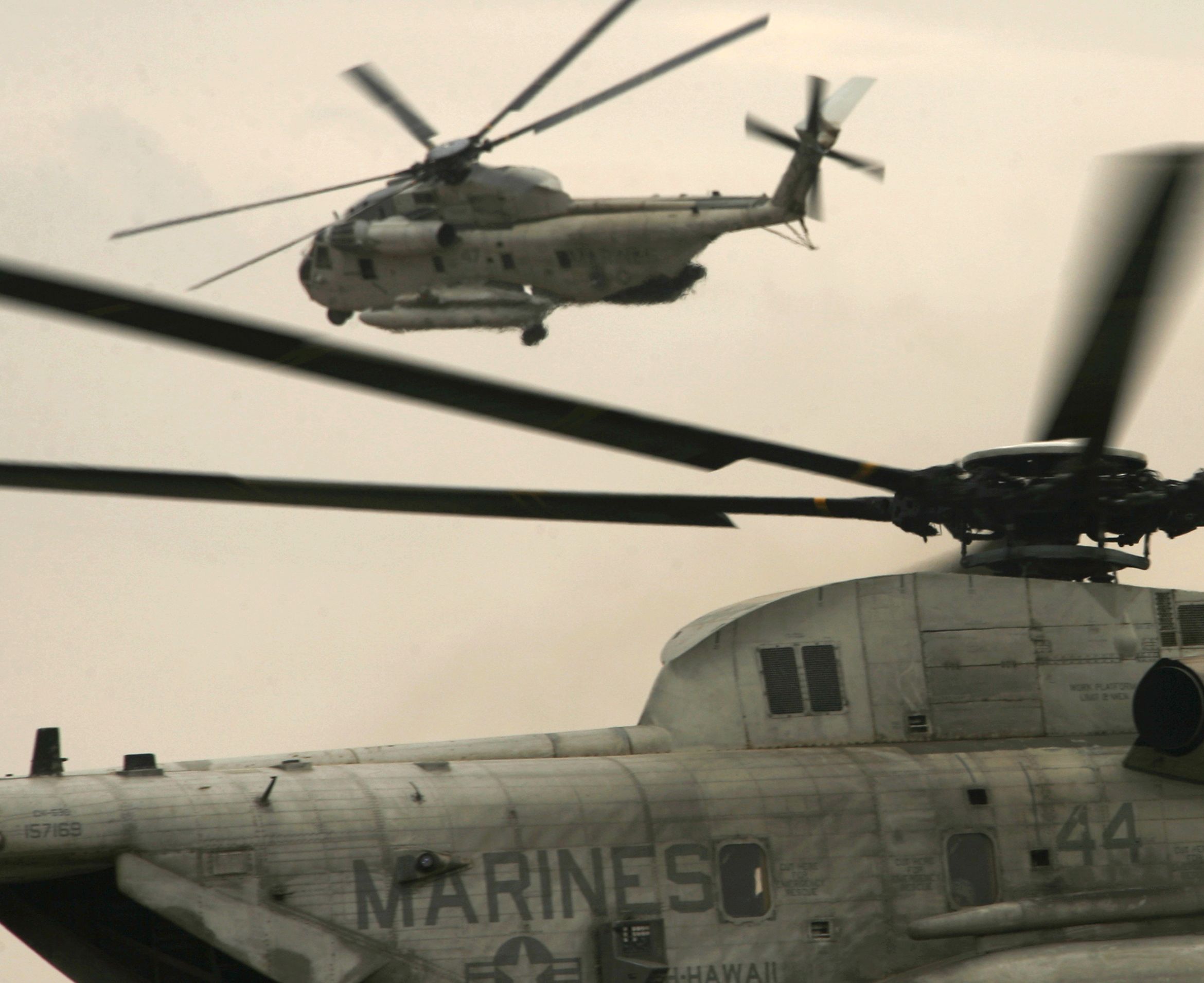
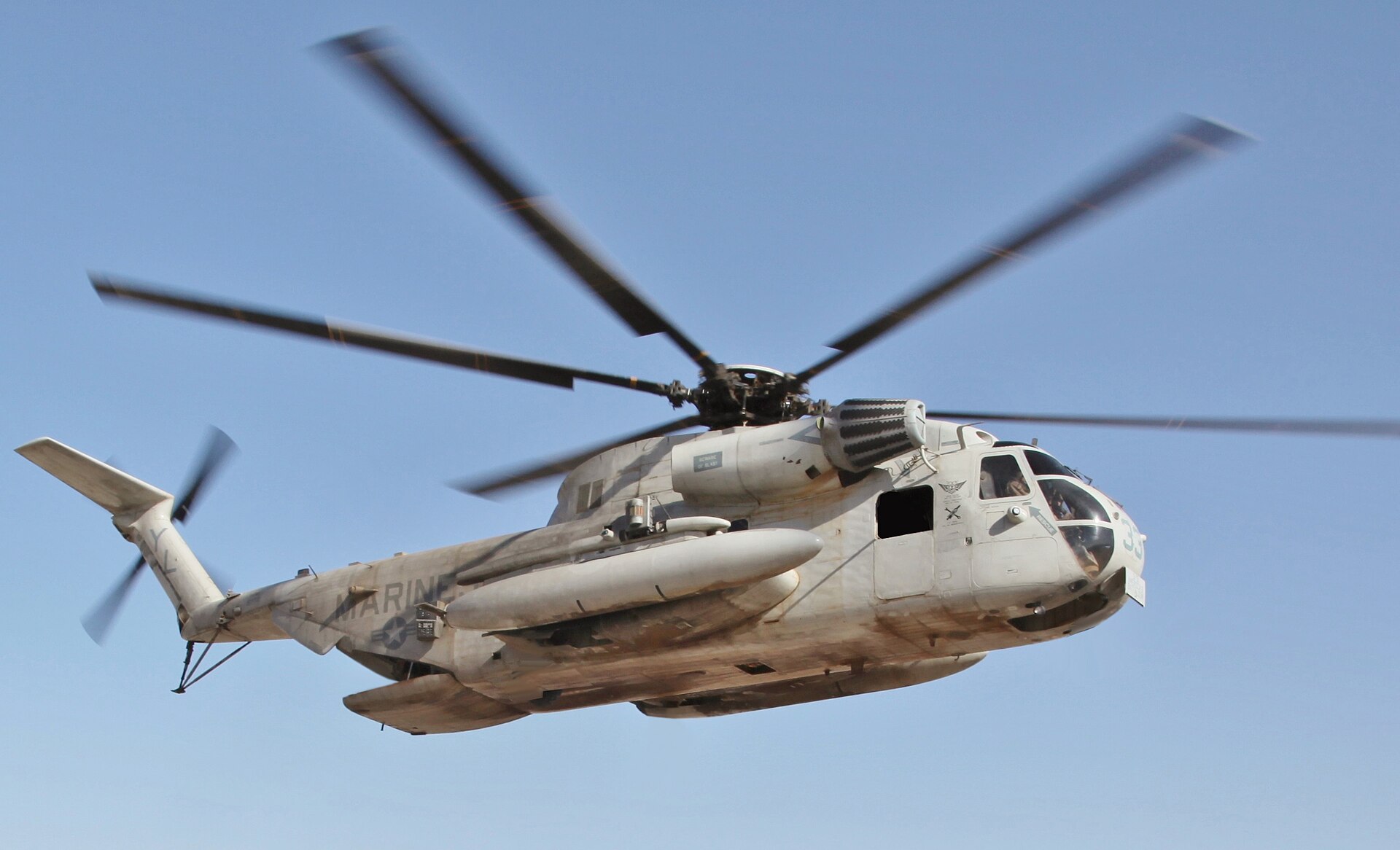
| Heavy-Lift (e.g., CH-53E/K) | Equipment transport, heavy recovery | Multi-engine drivetrains, massive rotor blades | Weight management, severe stress on transmission components |
| Utility/Attack (e.g., UH-1Y, AH-1Z) | Close air support, reconnaissance | Tail rotor assemblies, advanced targeting optics | Low-altitude tactical maneuvering, wire strikes |
Investigative Processes and Accident Boards
When a fatal helicopter crash occurs, the United States military initiates rigorous investigative procedures to ensure accountability and prevent future tragedies. These inquiries are typically divided into two distinct categories: safety investigations and command-directed or Judge Advocate General (JAG) manual investigations.
Safety Investigation Boards (SIBs)
The primary goal of a Safety Investigation Board is accident prevention rather than fault-finding. SIB members have privileged access to witness testimony and technical data under promises of confidentiality. This immunity encourages pilots, mechanics, and commanders to speak candidly about systemic vulnerabilities, maintenance shortcuts, or training deficiencies without fear of disciplinary reprisal.
Command Investigations
Conversely, a command or JAG investigation is designed to determine legal responsibility, administrative accountability, and potential negligence. These findings are public and can result in disciplinary action, relief of command, or policy changes. Together, these dual investigative tracks provide a thorough, multi-faceted analysis of the operational risks that contributed to the mishap.
Modernization, Technological Mitigation, and Future Outlook
Mitigating the operational risks highlighted by fatal aviation accidents requires continuous technological investment and cultural evolution within the armed forces. Defense agencies increasingly rely on advanced data analytics, health and usage monitoring systems (HUMS), and simulation-based training to enhance safety margins.
- Predictive Maintenance: Modern airframes are outfitted with thousands of sensors that monitor vibration, temperature, and fluid pressure in real time, allowing engineers to predict mechanical failures before they occur in flight.
- Enhanced Flight Simulators: High-fidelity simulation training allows crews to practice emergency procedures—such as engine failure, hydraulic loss, and brownout landings—in a risk-free environment.
- Fly-by-Wire Control Augmentation: Advanced flight control computers reduce pilot workload during critical phases of flight, smoothing out control inputs and preventing the aircraft from entering dangerous flight regimes.
Despite these technological advancements, the fundamental hazards of military aviation remain. Balancing the imperative of national defense readiness with the safety of service members requires constant vigilance, transparent reporting, and unwavering commitment to maintenance and training standards.
Frequently Asked Questions
What causes most military helicopter accidents?
Military aviation accidents are rarely caused by a single factor. They typically result from a complex chain of events involving mechanical failure, environmental challenges (such as low visibility or severe weather), human factors, and operational pressures. Comprehensive investigations seek to identify and break links in this chain to prevent future occurrences.
What is a safety stand-down?
A safety stand-down is a temporary suspension of non-essential flight operations ordered by military leadership. During this period, units review safety procedures, conduct maintenance checks on all aircraft, and retrain personnel on emergency protocols and risk management strategies.
How do military investigators determine the cause of a crash?
Investigators use flight data recorders ("black boxes"), cockpit voice recordings, wreckage analysis, weather reports, and eyewitness testimonies. They also employ two separate boards: one focused purely on future safety prevention and another focused on legal and administrative accountability.
Are certain military aircraft more dangerous than others?
All military rotorcraft operate in high-risk environments and carry inherent hazards due to their complex mechanical nature. While specific airframes have experienced high-profile incidents, statistical risk varies based on mission type, flight hours, operational tempo, and environmental theater rather than the aircraft platform alone.
What role does maintenance play in aviation safety?
Maintenance is a critical pillar of military aviation safety. Because military helicopters operate under extreme physical stress, rigorous adherence to technical manuals, scheduled component replacements, and thorough inspections are vital to preventing mechanical failures in flight.
How does the military balance training risks with operational readiness?
Military commanders utilize structured risk management (SRM) frameworks to weigh the tactical benefits of training missions against known hazards. While training must replicate realistic combat conditions to ensure readiness, safety mitigations—such as minimum weather thresholds and mandatory crew rest periods—are implemented to protect personnel.
Conclusion and Next Actions
The loss of Marines in aviation accidents serves as a solemn reminder of the sacrifices made in peacetime training and operational deployments. For defense analysts, policymakers, and military leaders, the immediate priority remains translating investigative findings into actionable safety enhancements, refined maintenance protocols, and advanced training methodologies. Stakeholders should monitor official Department of Defense announcements, safety bulletins, and congressional testimony for ongoing updates regarding fleet modernization and policy reforms.
Image Gallery