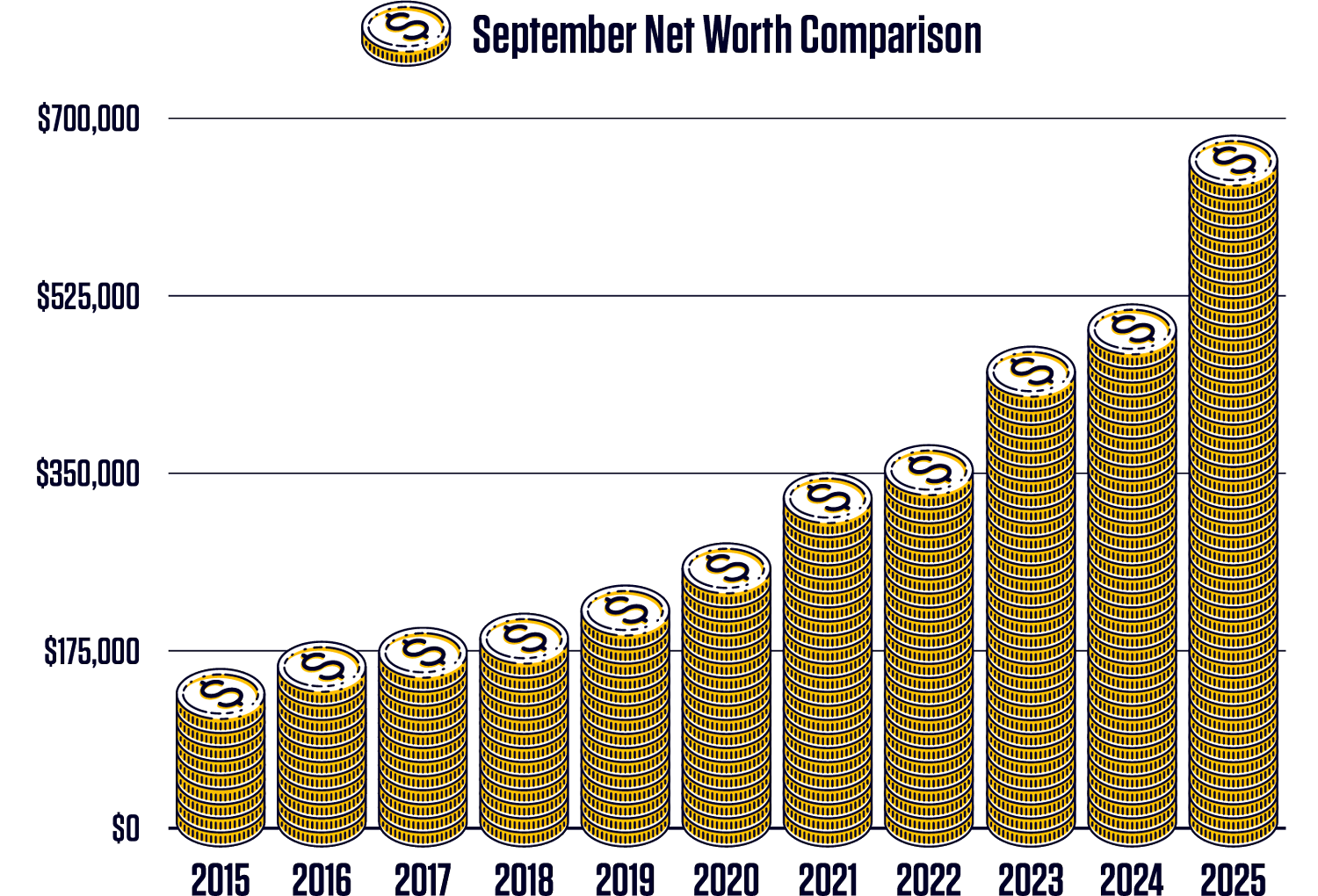
Ed Osoliniec and the Net Worth Picture: Financial Reality vs. Online Speculation
Public fascination with the private wealth and financial portfolios of lesser-known public figures, business executives, and local leaders frequently generates substantial online speculation, yet verifiable data regarding Ed Osoliniec...
Public fascination with the private wealth and financial portfolios of lesser-known public figures, business executives, and local leaders frequently generates substantial online speculation, yet verifiable data regarding Ed Osoliniec and the net worth picture remains scarce due to the absence of public financial disclosures. When individuals search for figures outside the traditional celebrity or Fortune 500 billionaire status, they often encounter automated celebrity net worth aggregation websites that publish estimates without empirical backing, primary source documents, or verified regulatory filings. Understanding how to evaluate these speculative claims requires a critical examination of public records, corporate registries, and the standard mechanics of private wealth estimation.
Contents
Evaluating the financial standing of private individuals or regional executives involves separating verifiable corporate assets from unsupported internet estimates. This guide explores the limitations of public data regarding Ed Osoliniec, examines the common methodologies used by wealth estimation algorithms, analyzes the impact of private corporate ownership on net worth visibility, and outlines how to critically assess financial claims found across unstructured web sources.
Understanding Private Wealth and Public Visibility
The modern internet hosts hundreds of websites dedicated to estimating the net worth of public figures, business owners, and regional leaders. However, a significant disconnect exists between the financial reality of private individuals and the speculative figures published on these sites. For an executive or entrepreneur who operates primarily within privately held corporations, partnerships, or localized business ventures, financial information is legally protected and rarely disclosed to the public.
Publicly traded companies are legally required by regulatory bodies such as the Securities and Exchange Commission (SEC) to disclose executive compensation, insider stock holdings, and major financial transactions. In contrast, privately held enterprises maintain strict confidentiality regarding revenue, profit margins, and ownership distributions. Consequently, any specific monetary figure attached to Ed Osoliniec and the net worth picture on third-party aggregation blogs lacks the empirical foundation required for financial accuracy.
| Data Source Type | Public Visibility Level | Reliability for Net Worth Estimation | Regulatory Oversight |
|---|---|---|---|
| SEC Filings (Public Companies) | High | High (Audited and legally binding) | Strict federal enforcement |
| Corporate Registry Filings | Moderate (Structural only) | Low (Shows entity ownership, not valuation) | State or national corporate registries |
| Real Estate Property Records | Moderate (Publicly accessible) | Moderate (Indicates tangible assets, not total equity) | County or municipal tax assessors |
| Celebrity Net Worth Aggregators | Variable / High Speculation | None (Frequently algorithmic guesses or fabricated) | None |
The Mechanics of Speculative Net Worth Estimation
To understand why online profiles regarding private individuals often feature conflicting or exaggerated numbers, it is essential to examine how content aggregators operate. Many websites use automated web scraping, algorithmic estimations based on industry averages, and search volume metrics to generate speculative articles. These platforms rely on templates that associate professional titles, geographic locations, and corporate affiliations with estimated income ranges.
Without access to private tax returns, investment portfolios, debt obligations, and liquid cash accounts, any calculation of net worth is speculative. Wealth is not merely a reflection of gross revenue generated by a business enterprise; true net worth represents total assets minus total liabilities. A business owner may manage a company with multi-million-dollar gross revenues while holding substantial corporate debt, equipment financing, and operational liabilities that significantly reduce individual equity.
Key Variables Missing in Online Estimates
- Liabilities and Debt Obligations: Mortgages, commercial loans, lines of credit, and operational debt are almost never visible through public search tools.
- Partnership Structures: Equity in private companies is frequently split among multiple stakeholders, limiting an individual’s claim to total corporate value.
- Taxes and Operational Costs: Gross earnings do not equate to personal take-home wealth due to corporate tax burdens, reinvestment requirements, and overhead costs.
- Liquid vs. Illiquid Assets: Real estate holdings and private equity shares cannot be instantly converted to cash without valuation discounts or transaction friction.
Corporate Affiliations and Public Record Verification
When researching professionals, business leaders, or executives, investigators and analysts look to verifiable public registries rather than unverified blog posts. Corporate filings with state secretaries of state or business registration agencies provide factual data regarding active or historical business entities, registered agent details, and corporate officer appointments.
However, holding a leadership role or founding a business enterprise confirms professional activity rather than a specific personal net worth. While corporate leadership indicates a level of professional success and economic engagement, it does not provide a mathematical formula for personal wealth. Financial analysts emphasize that asset accumulation depends heavily on individual risk tolerance, investment strategies, debt leverage, and market conditions over decades.
Evaluating Financial Claims Responsibly
Navigating financial information in the digital era requires skepticism toward unverified claims. Readers searching for data on regional business figures should apply rigorous verification standards. If a financial claim cannot be cross-referenced with primary legal documents, regulatory filings, or authorized autobiographical disclosures, it should be treated as unverified speculation.
- Check Primary Sources: Look for court documents, regulatory filings, or official corporate press releases rather than secondary summary articles.
- Identify Algorithmic Patterns: Recognize that many low-quality websites republish identical text templates across thousands of names to capture search traffic.
- Understand Asset Liquidity: Remember that tying wealth to business ventures means capital is often locked in inventory, real estate, or equipment rather than sitting in liquid bank accounts.
Frequently Asked Questions
What is the source of Ed Osoliniec net worth figures online?
Online figures regarding Ed Osoliniec and the net worth picture typically originate from automated content aggregation websites that use algorithmic guesses and search volume data rather than verified financial disclosures or private tax documents.
Are private business owners required to make their net worth public?
No. Privately held companies and individuals operating outside public stock exchanges are not required by law to disclose personal financial statements, bank balances, or private investment portfolios to the general public.
How do real estate holdings affect personal net worth?
Real estate contributes to tangible net worth through equity (market value minus remaining mortgage debt). However, property values alone do not determine total liquid wealth, as real estate is an illiquid asset that requires time and capital to sell.
Why do third-party biography sites publish different wealth numbers?
Aggregation sites often rely on automated scripts that generate estimates based on industry trends, professional titles, and random variables to drive web traffic, resulting in wide discrepancies between different platforms.
Can public corporate registries determine an executive's wealth?
Corporate registries confirm active business involvement, officer titles, and entity formations, but they do not disclose personal compensation, profit distributions, or individual equity valuations.
Conclusion and Next Actions
Assessing the financial reality of private individuals requires distinguishing between verified public records and automated internet speculation. Because primary financial documents for private executives remain confidential, any specific net worth figure published online lacks empirical validity. When conducting research on business professionals, prioritize verified corporate filings and official documentation over speculative aggregation blogs.
Image Gallery