Comprehensive MRSA Infection Overview: Types, Transmission, Symptoms, and Management
Methicillin-resistant Staphylococcus aureus (MRSA) is a strain of bacteria that has developed resistance to many commonly used antibiotics, including beta-lactams like methicillin, oxacillin, penicillin, and amoxicillin. This overview...
Methicillin-resistant Staphylococcus aureus (MRSA) is a strain of bacteria that has developed resistance to many commonly used antibiotics, including beta-lactams like methicillin, oxacillin, penicillin, and amoxicillin. This overview explores how the infection is transmitted, the distinction between healthcare-associated and community-associated strains, recognizing symptoms, diagnostic approaches, treatment protocols, and evidence-based prevention strategies.
Contents
Understanding Methicillin-Resistant Staphylococcus aureus
Staphylococcus aureus is a common bacterium frequently found on the skin and in the noses of up to thirty percent of healthy individuals without causing illness. However, when these bacteria enter the body through a cut, scrape, surgical incision, or medical device, they can cause a wide spectrum of clinical manifestations ranging from minor skin blemishes to severe, life-threatening systemic illness.
The defining characteristic of MRSA is its genetic adaptation, primarily mediated through the mecA gene, which alters the penicillin-binding protein (PBP2a) within the bacterial cell wall. Because conventional beta-lactam antibiotics cannot bind effectively to this modified protein, they fail to disrupt bacterial cell wall synthesis. Consequently, standard empirical antibiotic therapy often proves ineffective, necessitating targeted pharmacotherapy guided by susceptibility testing.
To navigate the complexity of clinical presentations, medical professionals categorize MRSA into two distinct epidemiological strains: Healthcare-Associated MRSA (HA-MRSA) and Community-Associated MRSA (CA-MRSA). Each exhibits unique transmission dynamics, patient risk profiles, and antibiotic susceptibility patterns.
Healthcare-Associated versus Community-Associated MRSA
Differentiating between HA-MRSA and CA-MRSA is critical for determining appropriate empirical therapy and implementing effective infection control measures. While both strains share genetic resistance markers, their epidemiology and clinical behavior differ significantly.
| Feature | Healthcare-Associated (HA-MRSA) | Community-Associated (CA-MRSA) |
|---|---|---|
| Primary Setting | Hospitals, nursing homes, dialysis centers, surgical units. | Gyms, schools, households, locker rooms, athletic teams. |
| Typical Patient Profile | Elderly, immunocompromised, recent surgery, indwelling lines. | Otherwise healthy individuals, athletes, military recruits. |
| Clinical Manifestations | Bloodstream infections, surgical site infections, pneumonia. | Skin and soft tissue infections, necrotizing fasciitis, cellulitis. |
| Antibiotic Resistance | Resistant to multiple classes of non-beta-lactam drugs. | Generally susceptible to non-beta-lactam oral antibiotics. |
Healthcare-Associated MRSA (HA-MRSA)
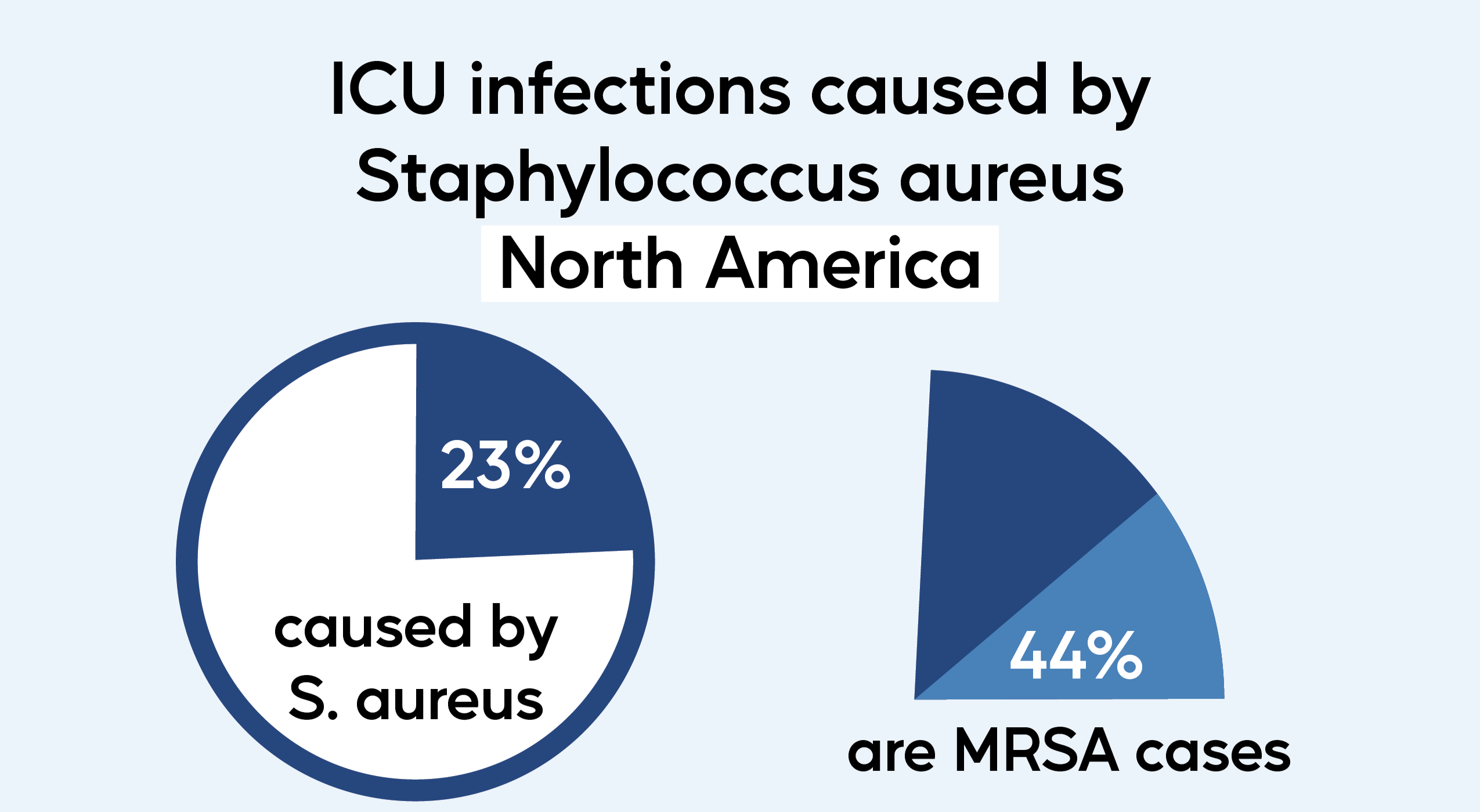
HA-MRSA primarily affects individuals who are undergoing medical procedures or residing in healthcare facilities. Risk factors include advanced age, prolonged hospitalization, intensive care unit admission, recent surgery, invasive medical devices (such as central venous catheters or urinary catheters), and chronic underlying health conditions. Infections in this category frequently manifest as bacteremia, pneumonia, or surgical site infections, and they often display resistance to multiple non-beta-lactam antibiotic classes, severely limiting treatment options.
Community-Associated MRSA (CA-MRSA)
CA-MRSA occurs in healthy individuals who have not been hospitalized or undergone medical procedures within the preceding year. This strain often spreads in environments characterized by close physical contact, skin-to-skin abrasion, crowded living conditions, and shared equipment or towels. Outbreaks have been documented among competitive athletes, correctional facility inmates, military personnel, and daycare attendees. Unlike HA-MRSA, CA-MRSA frequently causes skin and soft tissue infections and is typically susceptible to a broader array of non-beta-lactam oral antibiotics, such as trimethoprim-sulfamethoxazole and doxycycline.
Transmission Dynamics and Risk Factors
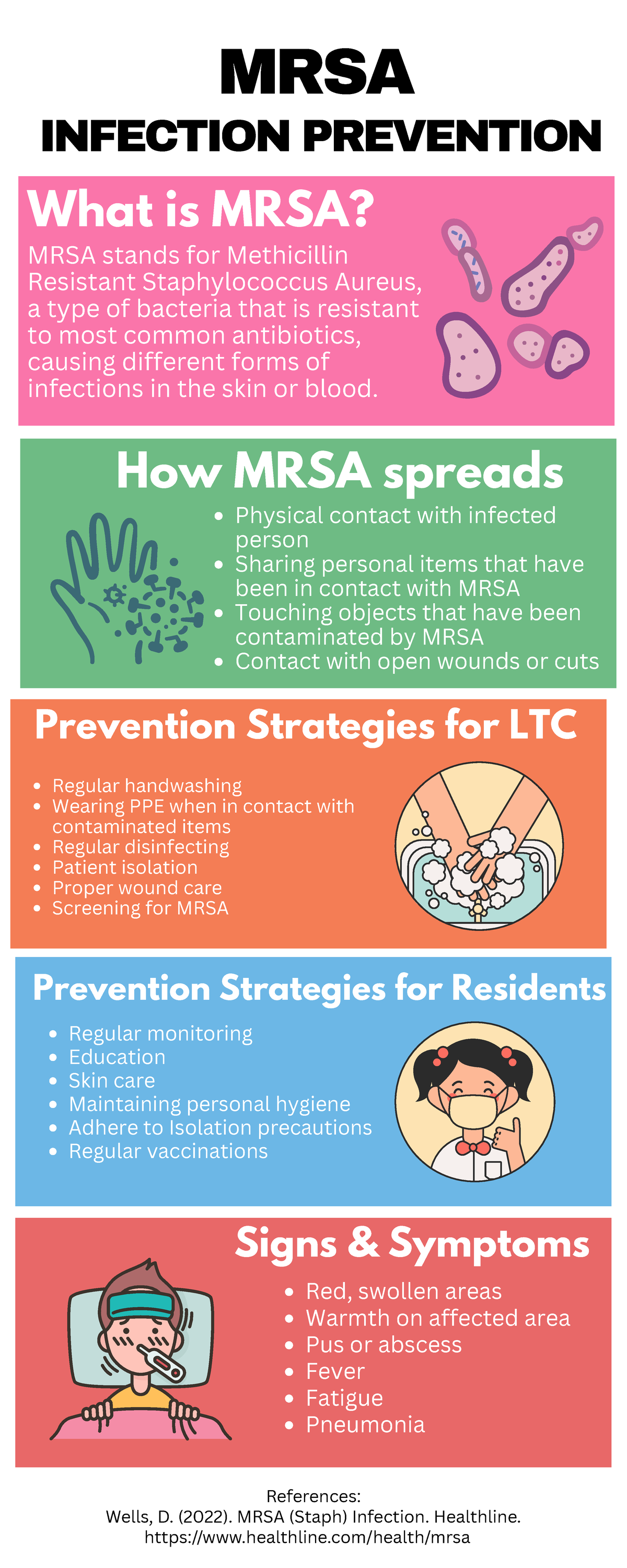
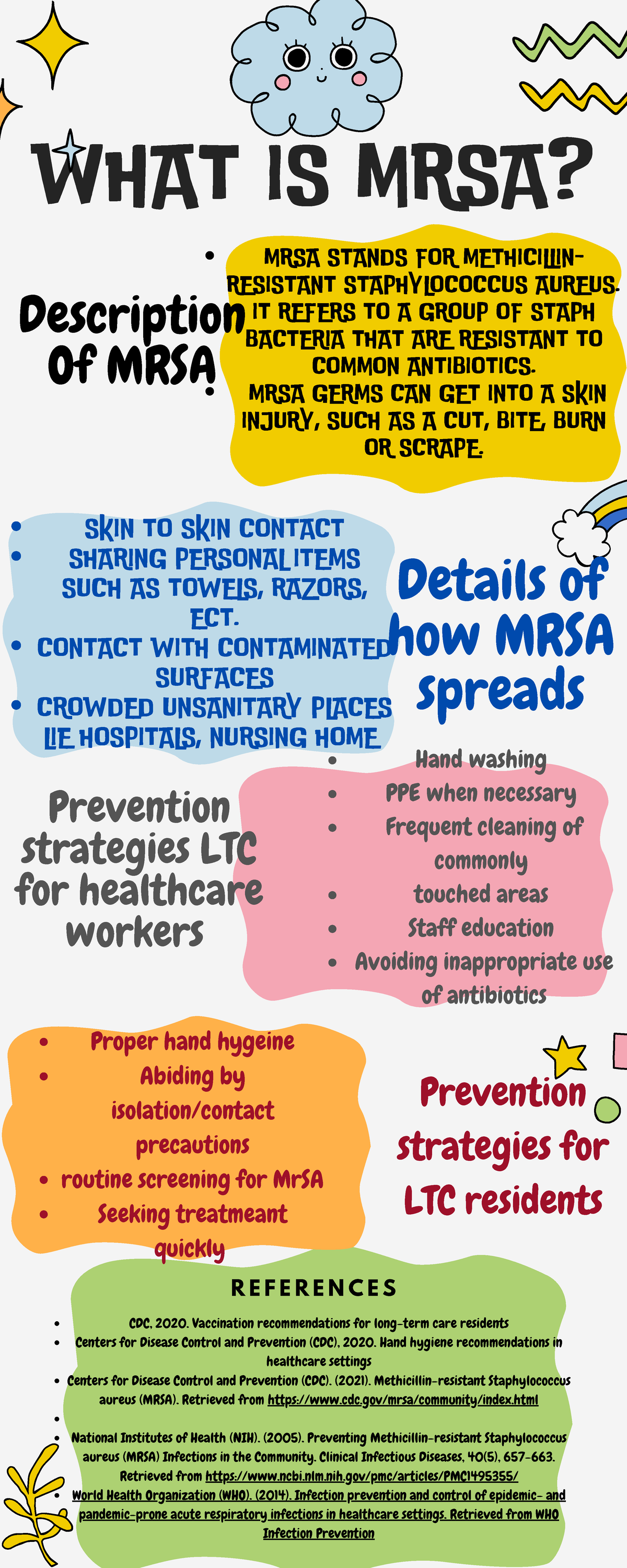
MRSA spreads primarily through direct physical contact with an infected wound or colonization site, or indirectly through contact with contaminated objects, medical instruments, or environmental surfaces. The bacteria can survive on surfaces such as athletic equipment, towels, razors, and door handles for hours or even days.
- Direct Contact: Skin-to-skin contact, particularly when abrasions, cuts, or rashes are present, facilitates bacterial transfer.
- Fomite Transmission: Touching contaminated surfaces or shared personal items allows the pathogen to travel to new hosts, where it may colonize mucosal surfaces before breaching the cutaneous barrier.
- Compromised Immunity: Patients with suppressed immune systems, uncontrolled diabetes, end-stage renal disease, or dermatological disorders (such as severe eczema) face elevated susceptibility to invasive disease.
- Antimicrobial Misuse: The unnecessary use of broad-spectrum antibiotics for viral infections or inappropriate medication regimens exerts selective pressure, promoting the proliferation of resistant bacterial strains within populations.
Clinical Symptoms and Recognition
Recognizing the early signs of an infection is vital for preventing local progression into severe systemic disease. Clinical presentations vary depending on whether the infection is superficial or invasive.
Skin and Soft Tissue Infections (SSTIs)
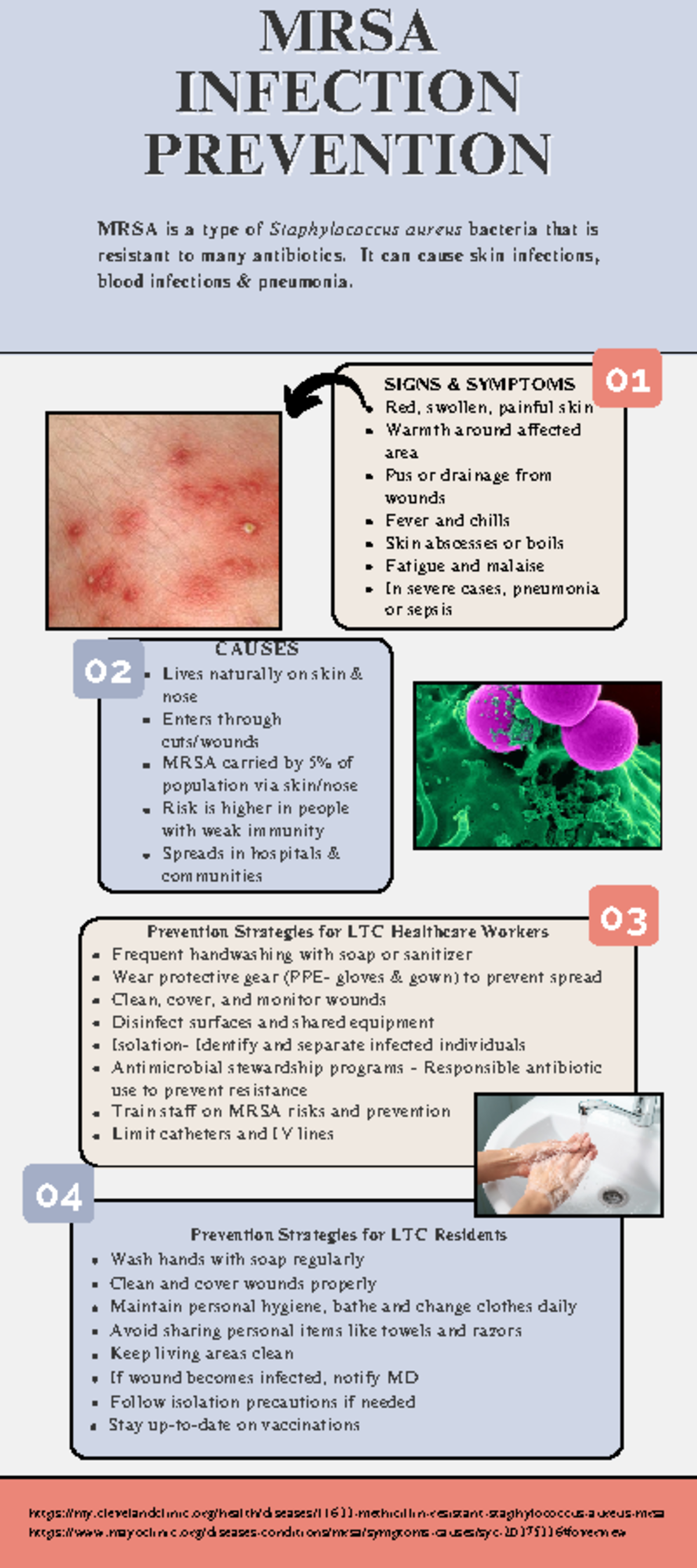
The most common manifestation of MRSA is a localized skin infection that patients frequently mistake for a spider bite or an ordinary bug bite. Initial symptoms include:
- Erythema: A localized area of redness, warmth, and tenderness surrounding the affected skin.
- Induration and Swelling: Firm, painful nodules that enlarge as inflammation increases.
- Purulence: The accumulation of pus beneath the skin, often presenting as a distinct abscess, boil, or furuncle requiring clinical drainage.
- Cellulitis: Diffuse spreading inflammation of the deeper layers of the skin, characterized by rapidly expanding redness and systemic symptoms.
Invasive and Systemic Manifestations
If MRSA breaches the localized skin barrier or enters the bloodstream, it can cause severe, life-threatening complications requiring emergency medical intervention:
- Bacteremia and Sepsis: Bacteria circulating in the bloodstream can trigger a systemic inflammatory response syndrome, leading to septic shock, multi-organ failure, and dangerously low blood pressure.
- Infective Endocarditis: Colonization of the heart valves, resulting in structural damage, vegetation formation, and embolic phenomena.
- Necrotizing Pneumonia: Rapidly progressive, destructive pulmonary infection characterized by hemoptysis, respiratory failure, and high mortality rates.
- Osteomyelitis and Septic Arthritis: Bacterial invasion of bones and joint spaces, causing severe localized pain, joint effusion, and permanent structural damage if inadequately managed.
Diagnostic Procedures and Laboratory Verification
Accurate diagnosis requires clinical evaluation combined with laboratory microbiology testing. Because physical examination alone cannot distinguish MRSA from other bacterial pathogens like Streptococcus pyogenes or methicillin-susceptible Staphylococcus aureus (MSSA), definitive laboratory confirmation is mandatory.
- Specimen Collection: Clinicians obtain wound cultures using sterile swabs to collect purulent drainage from open lesions or aspirate fluid from unopened abscesses. For suspected systemic infections, blood cultures are drawn from multiple anatomical sites.
- Gram Stain and Culture: Specimens are inoculated onto selective growth media to isolate bacterial colonies. A Gram stain reveals Gram-positive cocci arranged in clusters.
- Susceptibility Testing: Isolated colonies undergo antimicrobial susceptibility testing (AST) using disk diffusion, broth microdilution, or automated systems to determine which specific pharmaceutical agents remain effective against the isolate.
- Molecular Diagnostics: Polymerase chain reaction (PCR) assays are increasingly utilized for rapid detection of the mecA gene or specific genetic markers, providing actionable results within hours rather than days. Nasal screening swabs are also used in infection control programs to identify nasal carriers upon hospital admission.
Management, Treatment, and Antimicrobial Stewardship
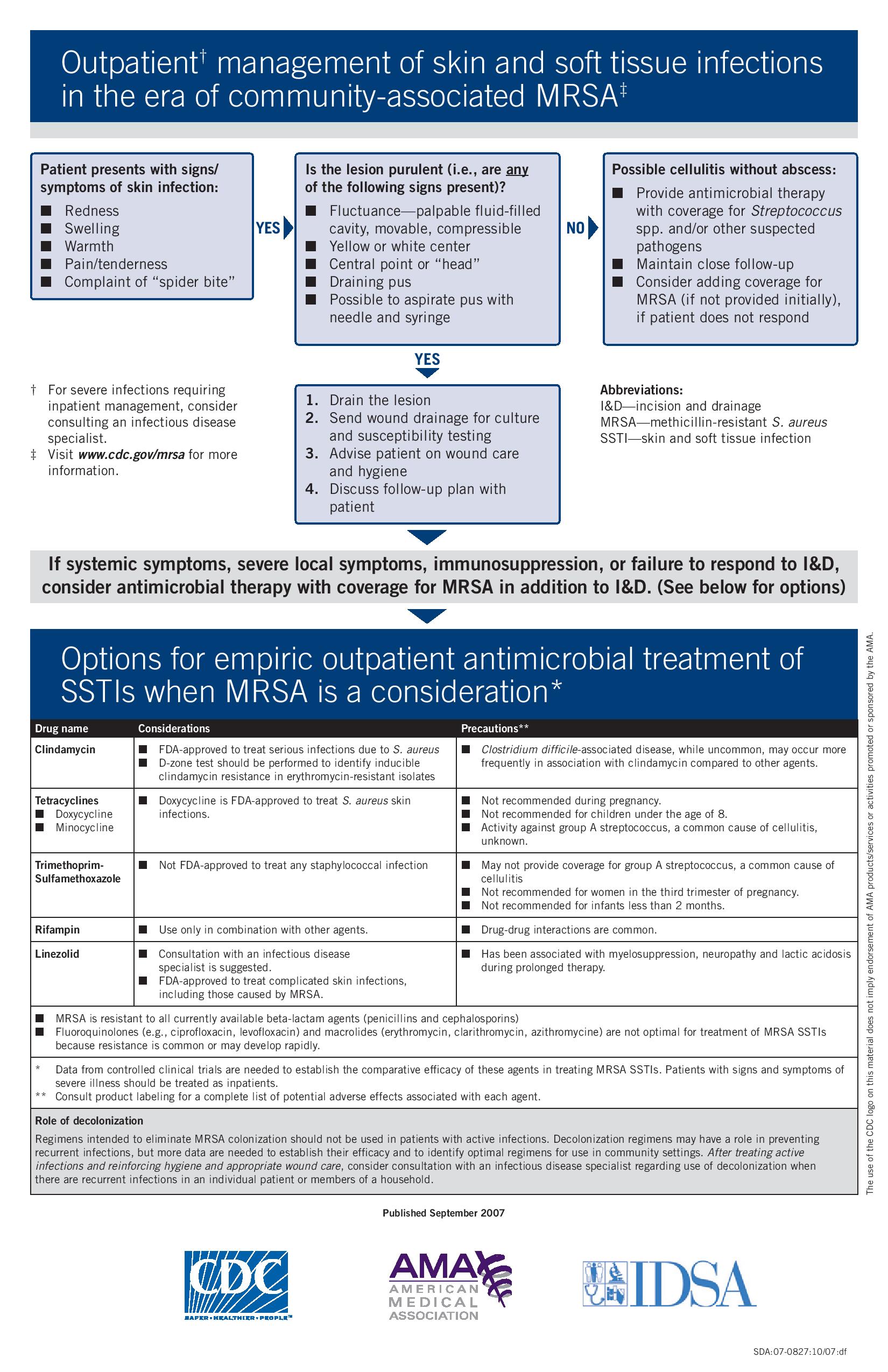
Management strategies for MRSA infections depend heavily on the severity and anatomical location of the disease. A cornerstone of treating localized cutaneous abscesses is surgical intervention, supported by targeted pharmacotherapy when appropriate.
- Incision and Drainage (I&D): The primary treatment for cutaneous abscesses is physical incision and mechanical drainage of purulent material. In many cases of uncomplicated CA-MRSA skin abscesses, prompt I&D alone is curative without the immediate need for systemic antibiotics.
- Oral Antimicrobial Therapy: When antibiotics are indicated for outpatient management of non-severe infections, oral agents such as trimethoprim-sulfamethoxazole (TMP-SMX), doxycycline, minocycline, or clindamycin (guided by susceptibility profiles) are commonly prescribed.
- Intravenous Pharmacotherapy: Severe, invasive, or healthcare-associated infections require hospitalization and intravenous antibiotic administration. Vancomycin has historically served as the benchmark therapy for severe MRSA infections. Alternative intravenous options include linezolid, daptomycin, ceftaroline, and telavancin, chosen based on renal function, site of infection, and minimum inhibitory concentration (MIC) trends.
- Antimicrobial Stewardship: Healthcare institutions enforce rigorous stewardship protocols to prevent the overuse of broad-spectrum agents, ensuring that therapy is de-escalated or discontinued as soon as culture and susceptibility results become available.
Note: Medical conditions involving suspected bacterial infections require formal evaluation by qualified healthcare professionals. Self-diagnosis or improper use of leftover antibiotics can worsen resistance patterns and lead to treatment failure.
Prevention, Hygiene, and Infection Control
Preventing the spread of MRSA requires a combination of personal hygiene practices, environmental disinfection, and institutional infection control protocols.
- Hand Hygiene: Frequent handwashing with soap and water for at least twenty seconds, or using an alcohol-based hand sanitizer containing at least 60% alcohol, is the single most effective method to interrupt transmission.
- Wound Care: Keeping cuts, scrapes, and surgical incisions clean and covered with dry, sterile bandages until completely healed prevents bacterial entry and minimizes environmental exposure.
- Avoid Sharing Personal Items: Refraining from sharing towels, razors, athletic gear, hairbrushes, and clothing reduces the risk of fomite-mediated transmission in households, schools, and athletic facilities.
- Institutional Precautions: Hospitals and long-term care facilities implement Contact Precautions for colonized or infected patients. This includes placing patients in single rooms, wearing disposable gowns and gloves upon entry, and utilizing dedicated or single-use medical equipment accompanied by rigorous environmental disinfection using EPA-registered hospital disinfectants.
Frequently Asked Questions
Can MRSA be completely cured and eliminated from the body?
Yes, acute localized MRSA infections can be successfully cured with proper drainage and appropriate antimicrobial therapy. However, eradication of chronic colonization—where bacteria live harmlessly in the nose or on the skin without causing disease—is difficult and generally not recommended unless the individual is at high risk for recurrent infection or transmitting it in a healthcare setting.
How do I know if a skin sore is MRSA or a normal spider bite?
Most purported spider bites are actually bacterial skin infections, as spiders rarely bite humans repeatedly or spontaneously without provocation. A lesion that worsens over several days, develops a central pus-filled head, increases in warmth, and is accompanied by surrounding spreading redness should be evaluated by a healthcare provider for bacterial culture.
Is MRSA contagious through casual social contact?
Casual contact such as touching, hugging, or sitting next to an infected person who has their wounds securely covered does not typically transmit MRSA. Transmission requires direct physical contact with broken skin or indirect contact with unwashed hands and contaminated surfaces that harbor the pathogen.
What should I do if I live with someone who has MRSA?
Household members should practice rigorous hand hygiene, wash linens, towels, and clothing in hot water with laundry detergent, and dry them on a hot setting. Surfaces frequently touched by hands, such as doorknobs, faucets, and countertops, should be cleaned regularly with household disinfectants.
Can pets carry or transmit MRSA?
Yes, dogs, cats, and horses can become colonized or infected with MRSA, often acquiring the bacteria from human household members. If a pet develops unexplained skin lesions, veterinarians can perform cultures and advise on safe handling practices to prevent cross-contamination between humans and animals.
Conclusion and Next Actions
Methicillin-resistant Staphylococcus aureus remains a significant public health challenge, requiring vigilance from both healthcare providers and the general public. Understanding how the infection spreads, recognizing early warning signs such as localized skin abscesses, seeking prompt medical evaluation for persistent wounds, and adhering strictly to prescribed treatment regimens are essential steps in mitigating clinical complications. If you suspect an active infection or observe rapidly spreading skin inflammation, consult a licensed healthcare professional immediately for diagnostic testing and personalized treatment planning.
Image Gallery