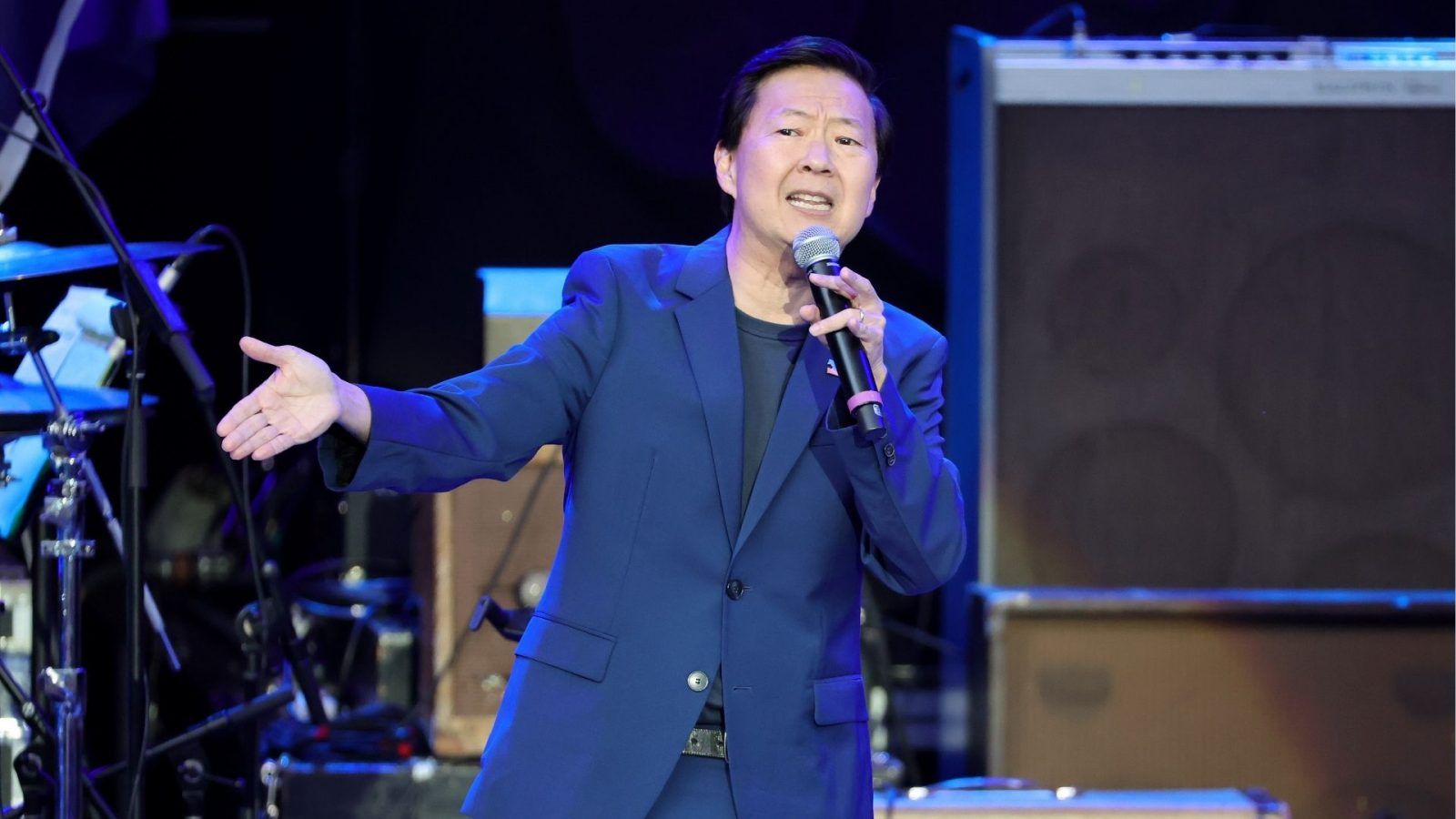
Ken Jeong Ethnicity Explained in the Context of American Media
Ken Jeong is a Korean-American physician and comedian whose career trajectory reflects the evolving landscape of Asian representation in American media. Born to South Korean immigrant parents, Jeong has navigated the complexities of cu...
Ken Jeong is a Korean-American physician and comedian whose career trajectory reflects the evolving landscape of Asian representation in American media. Born to South Korean immigrant parents, Jeong has navigated the complexities of cultural stereotypes, professional identity, and the shift from "outsider" roles to mainstream lead status in the United States entertainment industry.
Contents
The discussion surrounding Ken Jeong’s ethnicity within American media centers on his dual identity as a licensed medical professional and a prominent performer. Throughout his career, Jeong has often been cast in roles that lean into specific comedic tropes, leading to nuanced academic and public discourse regarding how Asian-American performers are utilized in Hollywood. His transition from performing as a "side character" or exaggerated caricature to becoming a lead actor and panelist highlights a broader structural change in how American networks and studios approach diversity, casting, and the deconstruction of racial archetypes in prime-time comedy.
The Cultural Background of Ken Jeong
Kendrick Kang-Joh Jeong was born on July 13, 1969, in Detroit, Michigan. His parents were South Korean immigrants who moved to the United States seeking professional and educational opportunities. This migration story is central to his public persona, as he often emphasizes the high expectations placed upon him to succeed in traditional, high-status fields like medicine.
Jeong earned his medical degree from the University of North Carolina at Chapel Hill and completed his internal medicine residency in New Orleans. This background is not merely incidental; it frames his presence in media as a departure from the "model minority" archetype often associated with Asian-American professionals. When he entered comedy, he did so while maintaining his medical practice, a unique trajectory that served as the basis for much of his early stand-up material and his sitcom Dr. Ken, which premiered on ABC in 2015.
Representation in Media: From Stereotype to Subject
The analysis of Ken Jeong’s career often involves a critical look at his breakout role as Mr. Chow in the The Hangover franchise. While the character provided him with massive mainstream exposure, it also sparked significant debate within the Asian-American community and media studies circles. Critics argued that the character relied on dated, offensive stereotypes regarding Asian masculinity and behavior.
Conversely, supporters of his work point to his ability to subvert these expectations through sheer comedic talent. By taking roles that were potentially one-dimensional and imbuing them with undeniable energy and agency, Jeong transitioned from a performer hired to fit a stereotype to a comedic force capable of holding the screen independently. This progression is symptomatic of an era in American television where performers of color began gaining more influence over their characters' narratives, moving from the periphery of the story to the center of the production.
Structural Changes in Casting and Character Development
The American media environment of the 2020s shows a marked difference from the environment in which Jeong started his stand-up career in the 1990s. The industry has moved toward more intentional representation, fueled by audience demand and the rise of digital platforms that bypass traditional "gatekeepers."
For a performer like Jeong, this shift has meant a move away from hyper-specific ethnic characterizations toward more versatile roles. His work as a panelist on The Masked Singer or his voice work in animated features illustrates a "post-ethnic" casting philosophy where his identity informs his personality, but does not dictate the limitations of his character.
Comparison of Career Phases in Media Representation
| Phase | Media Context | Character Archetype | Media Industry Status |
|---|---|---|---|
| Early Career | 1990s/2000s | The "Outsider" / Specialist | Marginalized representation |
| Breakthrough | 2009–2012 | High-energy caricature | Growth in comedic visibility |
| Established | 2015–Present | Leading Man / Personality | Cultural influence & creative control |
The Role of "Dr. Ken" as a Media Case Study
Dr. Ken stands as a pivotal moment in the discussion of Jeong’s place in media. As a show centered on a Korean-American family, it forced a mainstream audience to engage with specific cultural domesticity—the pressures of parenting, professional ambition, and the intersection of traditional Korean values with modern American life.
Unlike earlier sitcoms that utilized Asian-American characters purely for "fish out of water" humor, Dr. Ken allowed the protagonist to be flawed, successful, and domestic simultaneously. This shifted the focus from the character's ethnicity being the punchline to the character's personality driving the narrative. Analyzing this show is essential for understanding how media creators use specific cultural contexts to humanize and normalize characters who might have been relegated to secondary roles in previous decades.
Navigating the "Model Minority" Myth
A significant portion of the sociological analysis regarding Ken Jeong involves the "model minority" myth. This myth suggests that Asian-Americans are inherently more successful or compliant than other minority groups. By leaving a high-stakes, prestigious medical career to pursue the precarious and often stereotyped path of a stand-up comedian and actor, Jeong physically and symbolically defied this narrative.
In the context of American media, this act of rebellion was interpreted by many as an assertion of artistic autonomy. Media scholars often cite his career choice as a breakdown of the barrier between "respectable" professional life and the "frivolous" world of entertainment, providing a template for how Asian-American performers can reclaim their narratives from the rigid expectations of family and society.
Frequently Asked Questions
How did Ken Jeong’s medical background influence his media career?
His background provided him with a unique "outsider" perspective that fueled his early comedy. By transitioning from medicine to entertainment, he bypassed the typical struggles of young actors, allowing him to approach his roles with a professional discipline and a level of financial stability that is rare in the early stages of a comedic career.
What is the primary criticism regarding Ken Jeong’s early roles?
The primary criticism centers on his role as Leslie Chow in The Hangover and similar portrayals that leaned into Asian stereotypes. Critics argued these roles perpetuated narrow views of Asian-American identity for the sake of mainstream comedic appeal.
How has Ken Jeong’s influence changed in the 2020s?
Today, Jeong acts less as a performer fulfilling a role and more as a producer and cultural personality. His work on major competition shows and podcasts gives him the agency to shape the narrative and support other diverse voices in the industry, marking a transition from being "the comic relief" to being an industry veteran.
Why is Ken Jeong’s ethnicity often discussed in media analysis?
His ethnicity is discussed because his career spans a period of radical change in how American media handles race. As an Asian-American performer who transitioned from being typecast to being a mainstream host and lead, he serves as a microcosm for the progress, failures, and ongoing debates surrounding diversity in Hollywood.
Is the "Model Minority" myth relevant to Ken Jeong’s media presence?
Yes, it is highly relevant. His rejection of the medical profession to pursue comedy challenged the social expectation that Asian-Americans should prioritize stable, high-status careers, thereby creating a new media archetype: the successful, professional-turned-artist who defines success on his own terms.
Recommendation for Further Exploration
For those interested in the evolution of minority representation, it is recommended to contrast Ken Jeong’s early film roles with his current work as a television personality. By observing the shift in how his ethnic identity is handled by producers and writers, one can track the tangible progress made in how American media portrays, categorizes, and celebrates diverse cultural backgrounds. Tracking the development of his production credits through 2026 will likely reveal even greater influence over the specific stories told by major American studios.
Image Gallery