Selecting the Best Cream Contour Stick for Your Skin Type and Technique
Finding the ideal cream contour stick requires balancing formula consistency, blendability, and skin-tone compatibility. The best options offer a buildable, natural finish that mimics shadow rather than adding muddy color, while provid...
Finding the ideal cream contour stick requires balancing formula consistency, blendability, and skin-tone compatibility. The best options offer a buildable, natural finish that mimics shadow rather than adding muddy color, while providing enough "play time" to blend out edges before setting. Choosing the right product depends on your skin's unique texture and your personal proficiency with makeup application.
Contents
Understanding the Role of Cream Contour in Makeup
Cream contour is designed to replicate the natural shadows of the face, adding depth and dimension. Unlike powder contour, which can sometimes appear flat or cakey, cream-based products offer a more realistic, skin-like finish because they melt into the complexion rather than sitting on top of the skin’s surface.
The "stick" format is preferred by professionals and beginners alike for its precision. Because the product is housed in a retractable tube, you have direct control over placement—whether you are defining the cheekbones, slimming the jawline, or narrowing the bridge of the nose. By applying pigment directly where the shadow should naturally fall, you minimize the risk of over-application and reduce the time spent blending.
Prerequisites for Selecting Your Formula
Before selecting a product, you must account for your skin type. Cream contour sticks generally fall into two primary chemical categories: wax-based and oil-based.
- Wax-Based Sticks: These tend to have a firmer texture and a demi-matte finish. They are generally more long-wearing and perform exceptionally well on oily or combination skin because they do not slide around throughout the day.
- Oil-Based or Emollient Sticks: These are richer and more hydrating. They are the superior choice for dry or mature skin, as they prevent the product from settling into fine lines or accentuating texture.
Additionally, consider the undertone. A true contour is intended to look like a shadow, which typically carries cool, greyish, or taupe undertones. Avoid products that lean too orange or red, as these function more like bronzers and will not effectively create the illusion of bone structure.
Practical Application and Performance Expectations
Regardless of the brand you choose, the effectiveness of a cream contour stick is highly dependent on your application technique. Proper preparation is essential to prevent the product from looking patchy.
- Preparation: Apply your base foundation first. If you are using a liquid foundation, you can apply your cream contour directly over it. If you prefer a full-coverage powder foundation, apply your cream contour before the powder to avoid a muddy, clumpy finish.
- Strategic Placement: Draw a line starting from the top of the ear toward the corner of the mouth, stopping at the mid-cheek. For the jawline, apply the product just beneath the bone, blending downward toward the neck to ensure no harsh lines remain.
- Blending Tools: A dense, synthetic-bristle brush is usually the best tool for cream sticks. Buff the product in upward motions to lift the features. If you prefer a softer, more diffused look, use a damp makeup sponge to press the pigment into the skin.
Comparative Overview of Common Stick Formats
When evaluating cream contour sticks in 2026, focus on the ratio of pigment to emollients. The following table highlights common performance variations among top-tier products currently available.
| Feature | Firm Wax-Based Sticks | Emollient-Rich Sticks | Sheer/Gel-Based Sticks |
|---|---|---|---|
| Best Skin Type | Oily, Combination | Dry, Mature | All Skin Types |
| Finish | Matte/Demi-Matte | Natural/Dewy | Transparent/Stained |
| Blending Speed | Fast (sets quickly) | Slow (ample time) | Instant |
| Longevity | High | Moderate | Low to Moderate |
| Primary Goal | High-definition structure | Hydrated dimension | Subtle, "no-makeup" look |
Troubleshooting Common Issues
Even with the best products, users often encounter common pitfalls. If you find your contour looks muddy, you are likely using too much product or your shade is too dark. Always start with a light application; you can easily layer more pigment, but removing excess cream often requires wiping off your foundation and starting over.
If the product skips or pulls on your skin, your base might be too dry or the stick has lost moisture due to being left uncapped. To fix this, warm the tip of the stick on the back of your hand for a few seconds to soften the waxes before applying it to your face. If the contour disappears by midday, ensure you are setting the area with a translucent setting powder or a matching matte contour powder.
Frequently Asked Questions
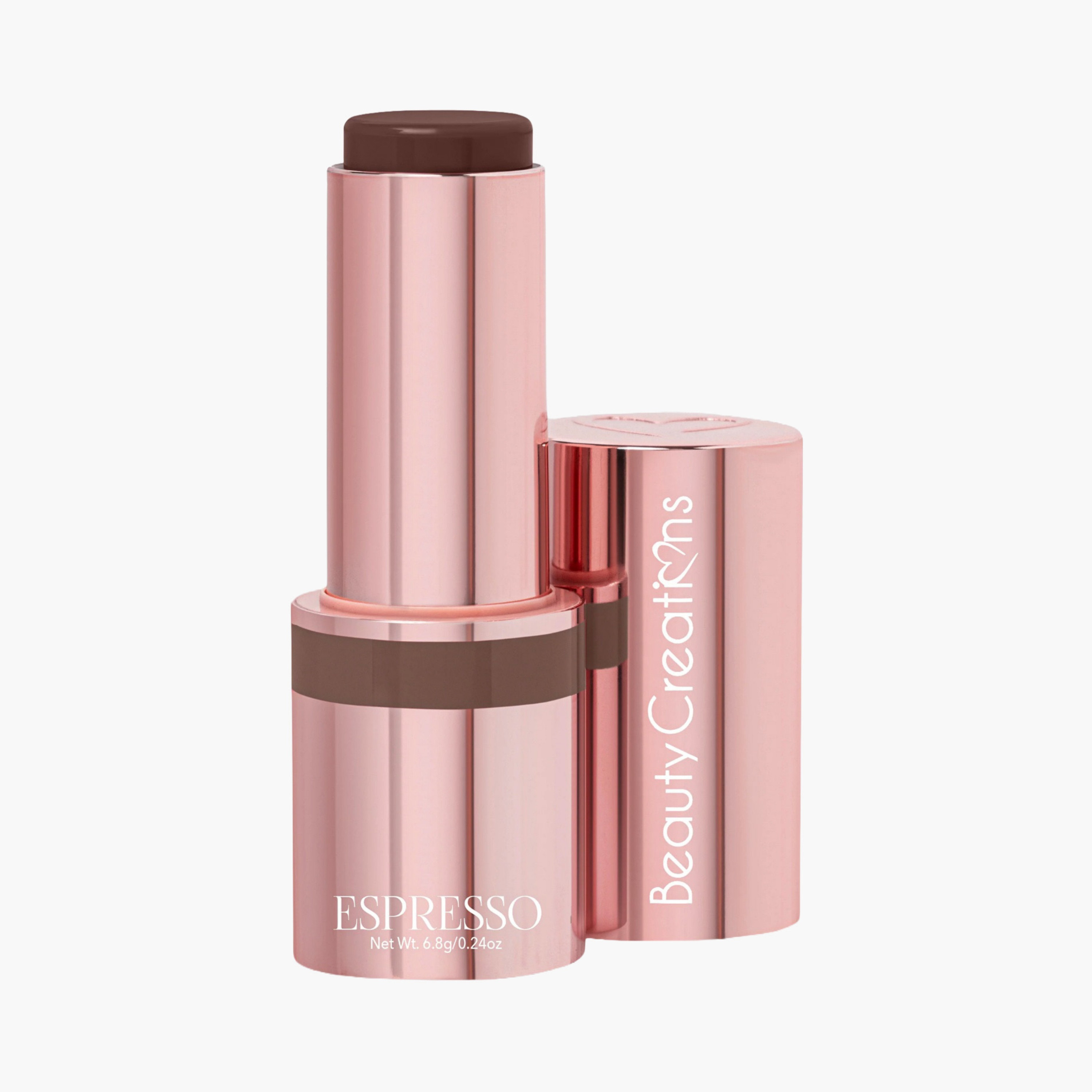
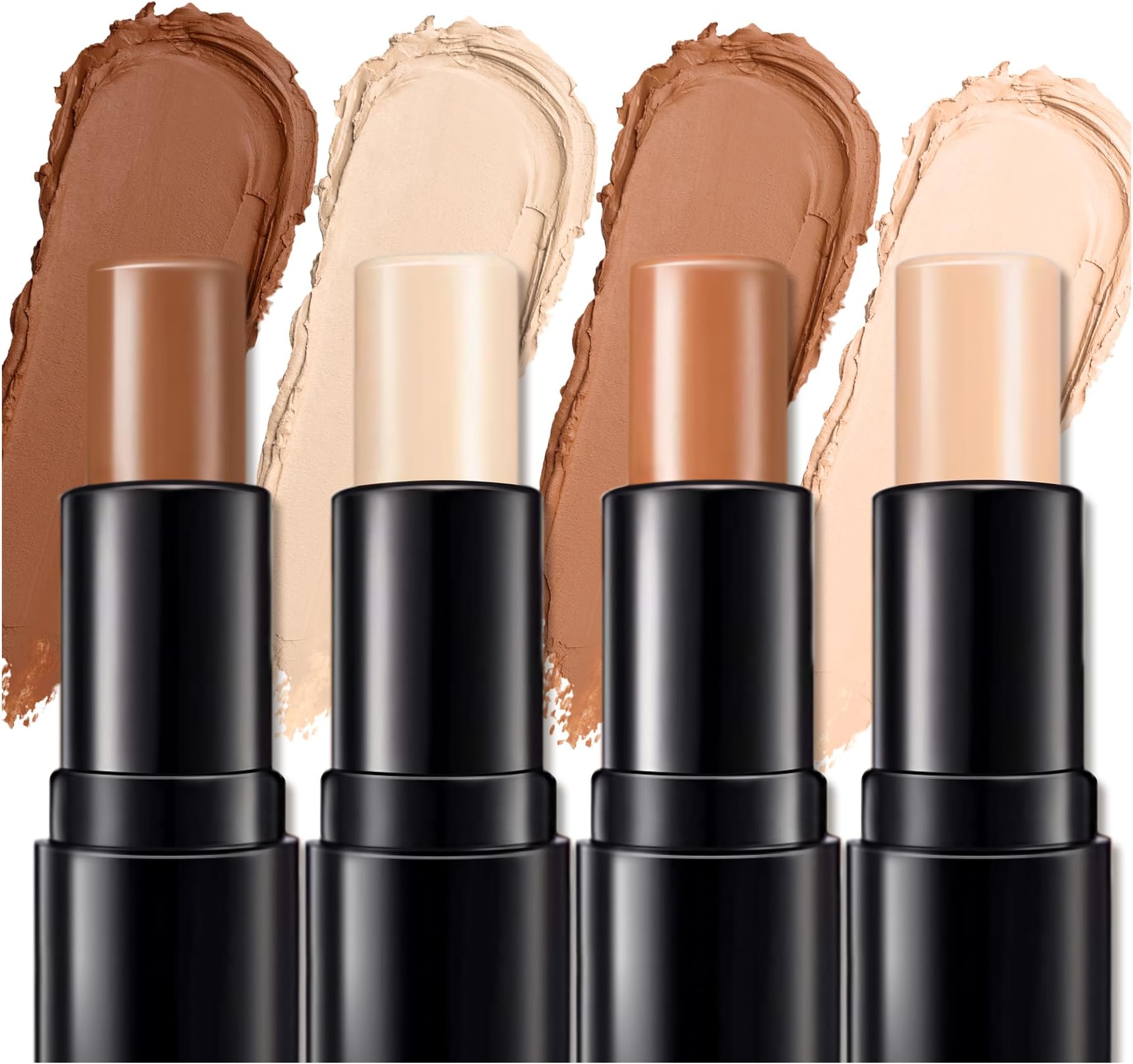
How do I choose the right contour shade for my complexion? The best contour shade is typically two shades darker than your skin tone with cool, ash-based undertones. If you have fair skin, look for light taupe shades; if you have deep skin, look for cool-toned espresso or dark mahogany shades that do not have reddish undertones.
Can I use a cream contour stick as a bronzer? While they look similar, they serve different purposes. A contour is cool-toned to mimic a shadow, while a bronzer is warm-toned to mimic a sun-kissed glow. Using a cool contour as a bronzer can make your face look ashy, and using a warm bronzer as a contour can make your face look overly orange.
Should I apply cream contour before or after powder? Always apply cream products before powder products. Applying a cream over a powder will cause the makeup to pill and create a blotchy, uneven texture that is difficult to fix without washing your face.
How do I prevent my cream contour from moving during the day? If you have oily skin, set the contour with a small amount of translucent setting powder using a fluffy brush. This "locks" the cream into place without disturbing the blended edges, ensuring the definition lasts through the evening.
What is the best way to clean my contour stick? If the stick surface becomes dusty or develops a film, take a clean tissue and gently wipe the top layer of the product away. This removes any bacteria or residual foundation that may have transferred to the stick during application.
Recommended Next Actions
To achieve the best results, audit your current foundation base first. If you are struggling with patchy contour, verify that your base foundation is compatible with the contour stick's formula—water-based foundations often play best with lighter, emollient-based sticks, while silicone-based foundations pair well with wax-based, long-wearing sticks. Start by purchasing a travel-sized version of a highly-rated professional contour stick to test the texture and undertone in natural daylight before committing to a full-sized product.
Image Gallery