Understanding the Beth Voice in Rick and Morty: Performance and Production
The Beth Smith character in Rick and Morty is voiced by Sarah Chalke, an accomplished actress known for her distinct delivery and comedic timing. Chalke provides the voice for both the primary Beth Smith and her interdimensional counte...
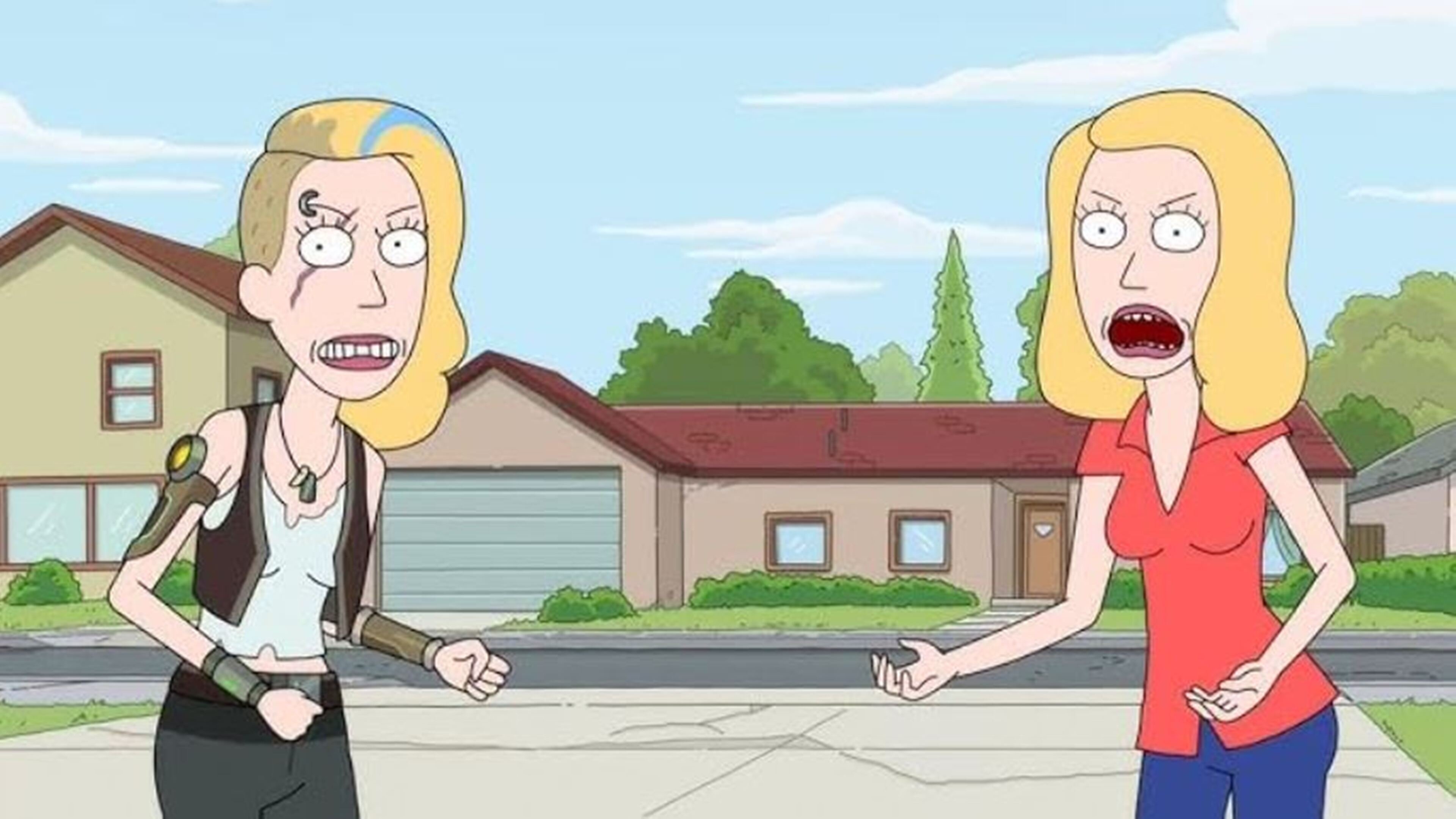
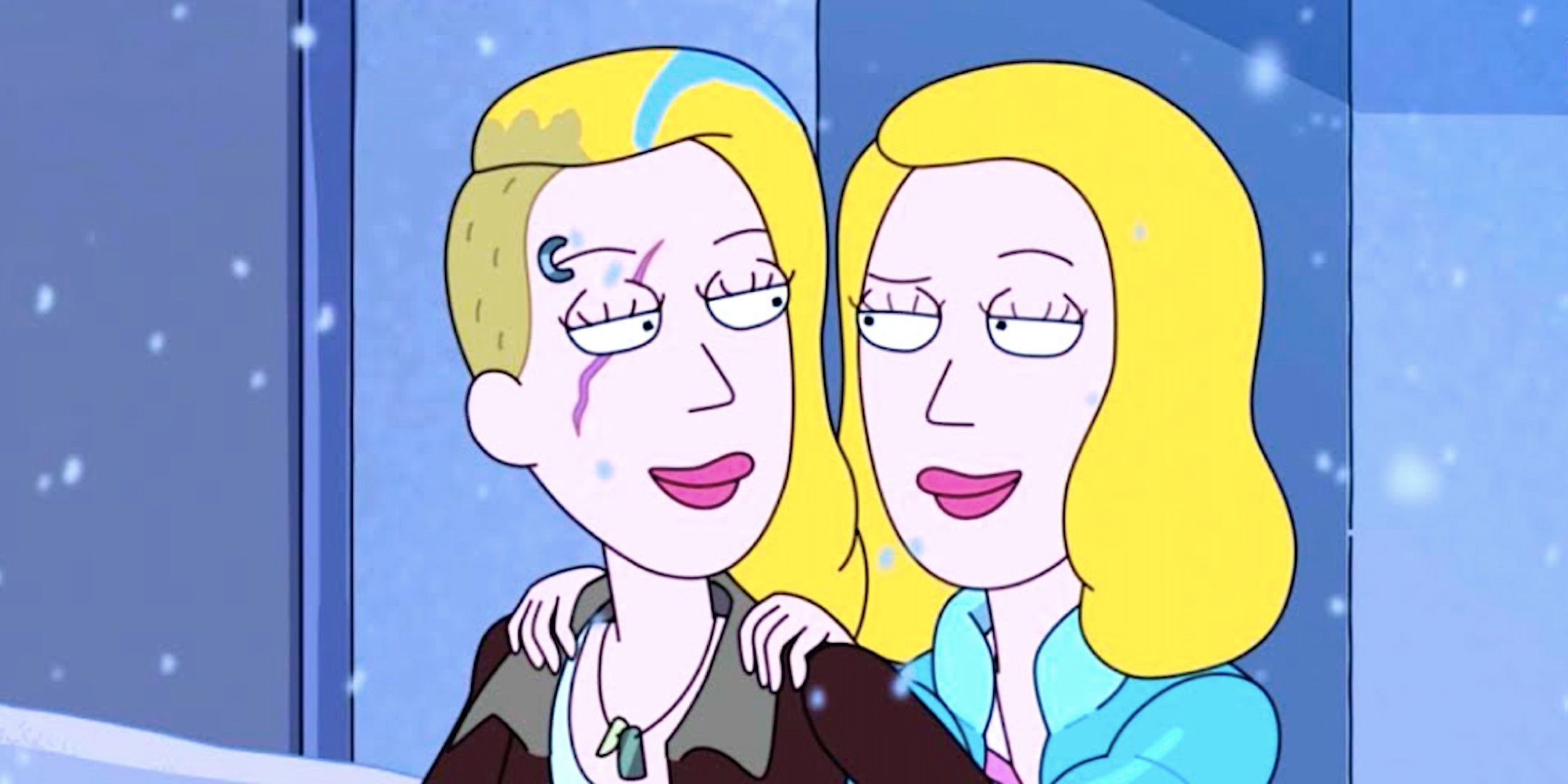
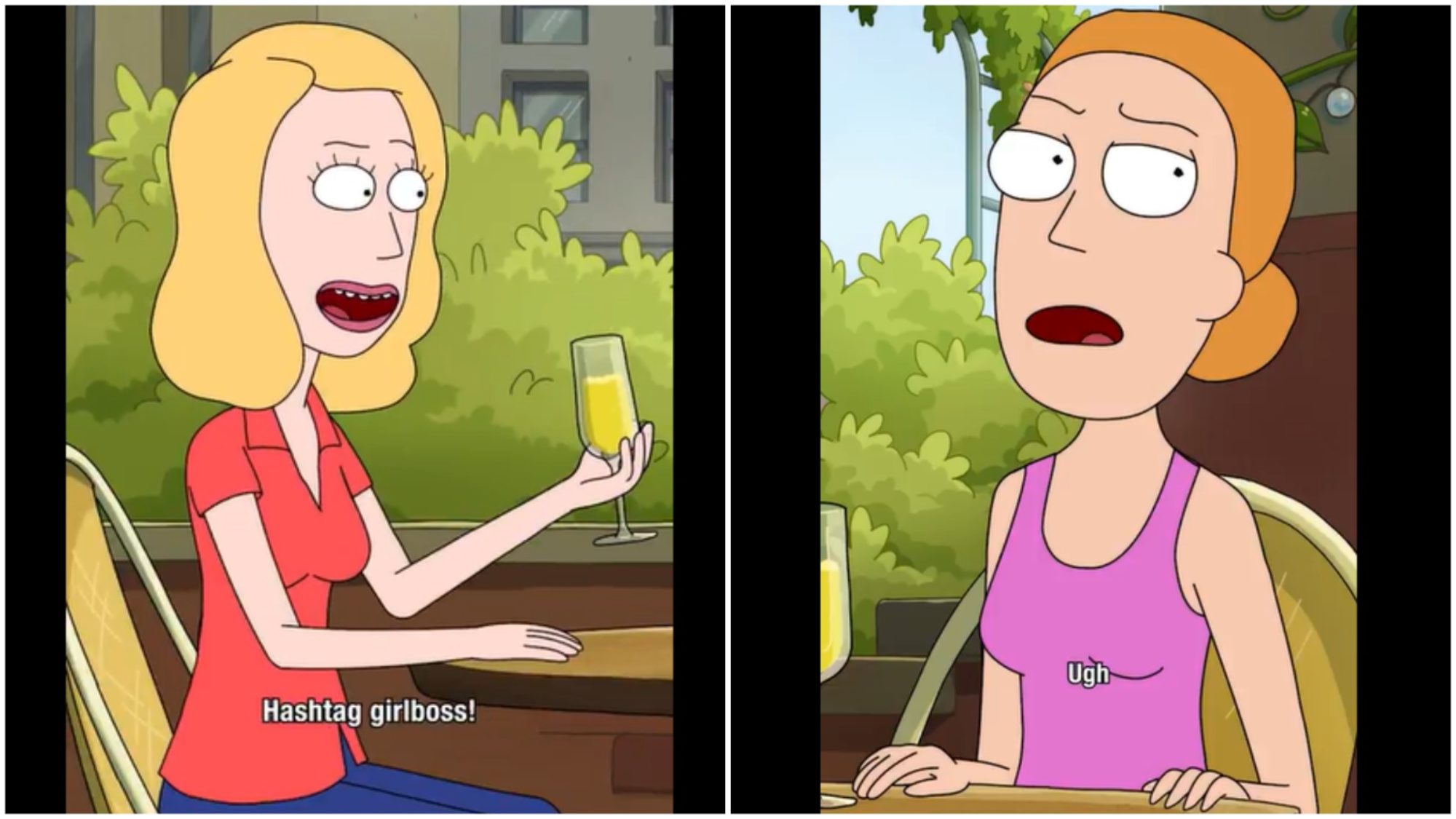
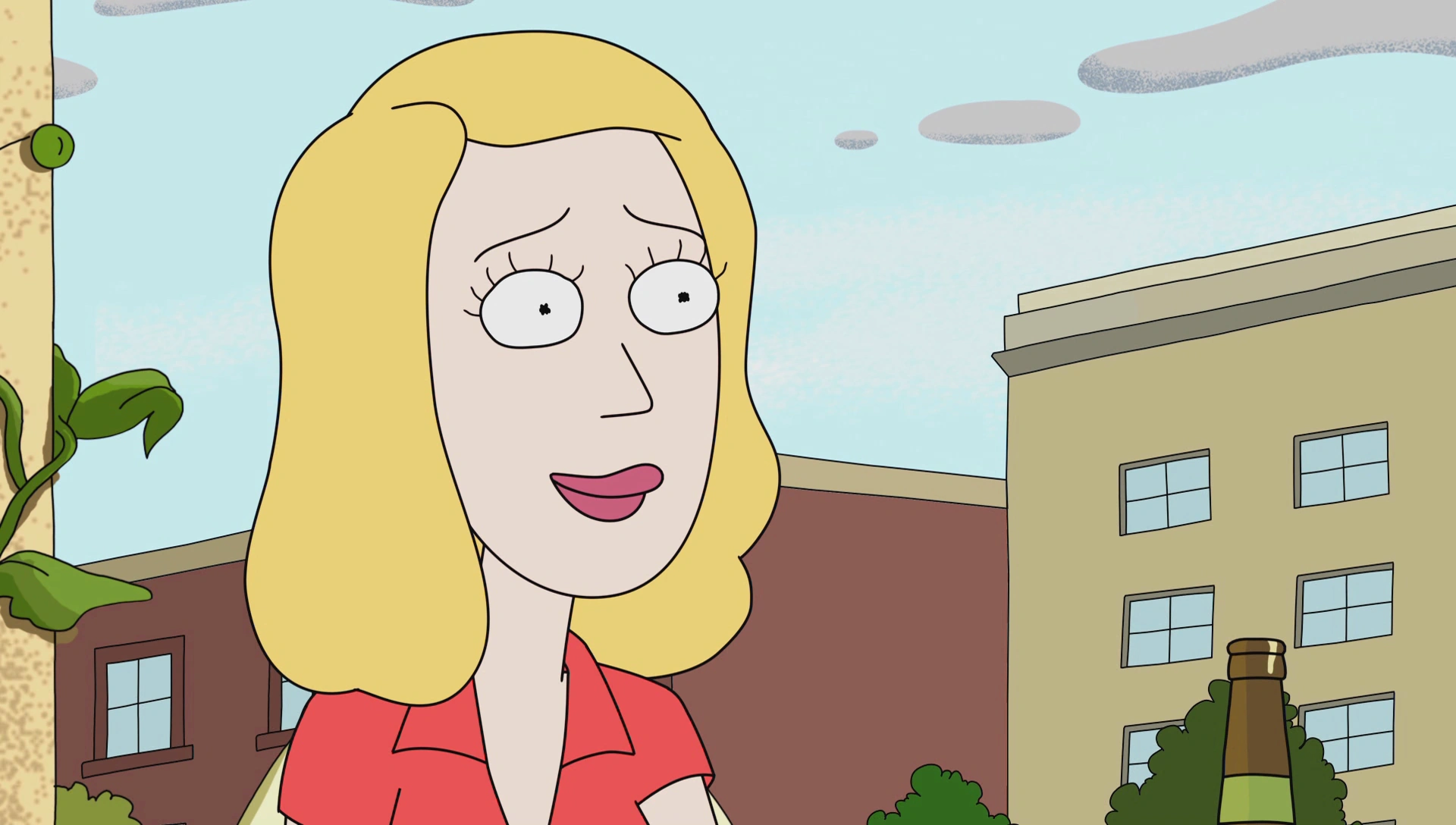
The Beth Smith character in Rick and Morty is voiced by Sarah Chalke, an accomplished actress known for her distinct delivery and comedic timing. Chalke provides the voice for both the primary Beth Smith and her interdimensional counterpart, Space Beth, utilizing a consistent vocal range to distinguish the grounded domesticity of the suburban veterinarian from the hardened, rebellious persona of the space-faring warrior.
Contents
The Origins and Evolution of Sarah Chalke’s Portrayal
Sarah Chalke joined the Rick and Morty cast when the show debuted in 2013, bringing a background of successful television work to the role. Best known for her tenure as Dr. Elliot Reid on the medical comedy Scrubs, Chalke was tasked with anchoring the Smith family’s emotional life against the chaotic backdrop of the show’s sci-fi premise.
The character of Beth is complex; she serves as the link between the brilliant, sociopathic Rick Sanchez and the mundane world represented by her husband, Jerry. Chalke’s performance requires a balance of intelligence, repressed resentment, and sudden flashes of her father's inherent coldness. This vocal consistency is critical because it keeps the viewer grounded even when the plot involves multiversal travel or surreal encounters.
Vocal Technique and Character Distinction
To differentiate Beth from Space Beth, Chalke relies on subtle shifts in pitch and delivery rather than radical alterations in vocal texture. The "Earth Beth" is often characterized by a weary, cautious tone, reflecting her responsibilities as a horse surgeon and a mother navigating a strained marriage. In contrast, "Space Beth"—the clone that spent years traveling the galaxy—utilizes a more assertive, rapid-fire, and occasionally aggressive cadence.
The technical challenge for Chalke lies in maintaining this duality within the same production cycle. In episodes where both versions of the character appear, she must switch between the two personas, often during dialogue exchanges with herself. This requires a high degree of control over breath support, articulation speed, and emotional projection, ensuring that the audience can identify which version of the character is speaking without relying on visual cues.
Comparison of Character Archetypes in Rick and Morty
The vocal performances in Rick and Morty contribute significantly to the show's world-building. Because the series explores infinite timelines, many characters—including Beth—have multiple variations.
| Character Variation | Vocal Tone | Primary Motivation | Narrative Role |
|---|---|---|---|
| Earth Beth | Restrained, Pragmatic | Family stability, recognition | The grounded anchor |
| Space Beth | Sharp, Confident | Freedom, autonomy | The subversion of motherhood |
| Beth Prime (Flashbacks) | Younger, Idealistic | Approval, exploration | The tragic origin point |
The Production Process: Recording the Beth Voice
Recording voiceovers for an animated series like Rick and Morty involves a collaborative relationship between the actor and the directors. Sarah Chalke records her lines in professional studio environments, often alongside other cast members or in solo sessions depending on the scheduling demands of the production team.
In animation, the voice actor often records their lines before the final animation is fully rendered. This "pre-lay" process means Chalke must rely on script context and directorial input to determine the emotional stakes of a scene. Since Beth’s dialogue often involves high-stress situations or technical jargon related to her life as a surgeon, clarity of diction is paramount to maintaining the pacing of Dan Harmon and Justin Roiland’s signature rapid-fire dialogue style.
Directorial Influence and Script Interpretation
The voice of Beth is not solely a product of the actor; it is heavily influenced by the show’s writers, who provide the scripts that dictate the character's emotional trajectory. Because Beth's character arc often revolves around her complicated feelings toward Rick Sanchez, her voice often fluctuates between longing for his approval and outright hostility. Chalke executes these shifts by modulating the "edge" in her voice—a slight tightening of the throat or a lower, more deliberate pace—to convey when Beth is feeling threatened or challenged.
Common Questions Regarding the Beth Voice
Is Sarah Chalke the only person who voices Beth Smith?
Yes, Sarah Chalke has provided the voice for Beth Smith since the show's inception in 2013. While other voice actors may occasionally provide supplementary sounds or background character voices, the primary performance for both Earth Beth and Space Beth is credited to Chalke.
Why does Space Beth sound different from Earth Beth?
While Chalke uses a similar vocal base for both, the difference in "sound" is a result of performance choices. Earth Beth is played with an emphasis on maternal duty and domestic fatigue, whereas Space Beth is portrayed with the confidence and combat-hardened cynical attitude of a galactic rebel.
Does the show use digital pitch-shifting for Beth's voice?
The Rick and Morty production team relies primarily on the vocal performance of the actor to convey character differences. While standard post-production audio processing (such as equalization and compression) is used to ensure the audio fits the mix of the final episode, the distinct personalities are achieved through Chalke’s acting technique rather than digital manipulation.
How does Chalke handle speaking to herself in episodes with both Beths?
When scenes require the two versions of the character to interact, the production typically records the lines in sequence. Chalke performs both parts, often with a director providing the lines of the other character to ensure the timing of the back-and-forth interaction remains natural and reactive.
Practical Considerations for Fans and Aspiring Voice Actors
For those interested in the craft of voice acting as exemplified by Chalke, the key takeaway is the importance of "character acting" rather than mere mimicry. The Beth voice is not an extreme caricature or a heavy accent; it is a grounded, naturalistic performance that hinges on subtle emotional markers.
To emulate or understand the complexity of the Beth voice, practitioners should focus on:
- Subtext Analysis: Understanding why the character is saying a line, not just how it sounds.
- Breath Control: Maintaining consistent volume and tone throughout long, dense dialogue sequences.
- Pacing: Learning to land comedic beats while moving quickly through complex, science-heavy exposition.
Aspiring actors should look toward the broader Rick and Morty production model, which prioritizes the actor’s ability to improvise and adapt to the show’s shifting narrative tone. While access to professional studio equipment is necessary for high-end production, the fundamental skill remains the actor's ability to inhabit a role consistently across multiple episodes and seasons.
Final Recommendation
For viewers who wish to further analyze Sarah Chalke's performance, the most illustrative episodes are those that focus on the family dynamic. Specifically, episodes like "The ABCs of Beth" or the various season finales provide the best examples of Chalke navigating emotional complexity. By paying close attention to how her tone shifts during confrontations with Rick versus moments of intimacy with Jerry, one can gain a deeper appreciation for the technical skill required to voice such a multidimensional character.
Image Gallery