The Most Expensive Watches in the World for Men: A Guide to Horological Masterpieces
The most expensive watches in the world for men are defined not merely by their utility as timekeepers, but by their status as singular feats of engineering, rare material scarcity, and historical provenance. These horological icons of...
The most expensive watches in the world for men are defined not merely by their utility as timekeepers, but by their status as singular feats of engineering, rare material scarcity, and historical provenance. These horological icons often command prices ranging from millions to tens of millions of dollars at elite auction houses or through exclusive private treaty sales, representing the absolute zenith of mechanical watchmaking.
Contents
The Criteria of Extreme Valuation
When analyzing the high-end watch market, it is vital to distinguish between luxury consumer goods and investment-grade horological assets. The pieces that occupy the top of the price hierarchy typically meet several stringent criteria.
First is mechanical complexity. High-complication watches—those featuring perpetual calendars, minute repeaters, tourbillons, or split-seconds chronographs—require thousands of hours of manual labor to assemble. The sheer difficulty of engineering these movements, often involving hundreds of microscopic parts operating in perfect synchronization, drives the baseline value significantly higher than standard luxury watches.
Second is provenance and history. A watch previously owned by a historic figure—such as a political leader, a legendary actor, or an influential artist—carries a premium that far exceeds the intrinsic value of its gold or platinum casing. For example, watches that were gifted, worn during landmark historical events, or associated with specific cinematic milestones are highly sought after by museums and ultra-high-net-worth collectors.
Finally, scarcity and uniqueness play a decisive role. Many of the most expensive timepieces are "unique pieces," meaning only one was ever produced. When a watch is a one-of-a-kind prototype or a bespoke commission, it lacks a direct market comparable, allowing its value to be determined entirely by competitive bidding at auction.
Defining the Market Leaders
The landscape of high-value horology is dominated by a select group of Swiss manufacturers, with Patek Philippe and Rolex serving as the primary pillars. While other houses like Breguet or Vacheron Constantin have historically high-value items, the public auction record has been consistently rewritten by these two brands.
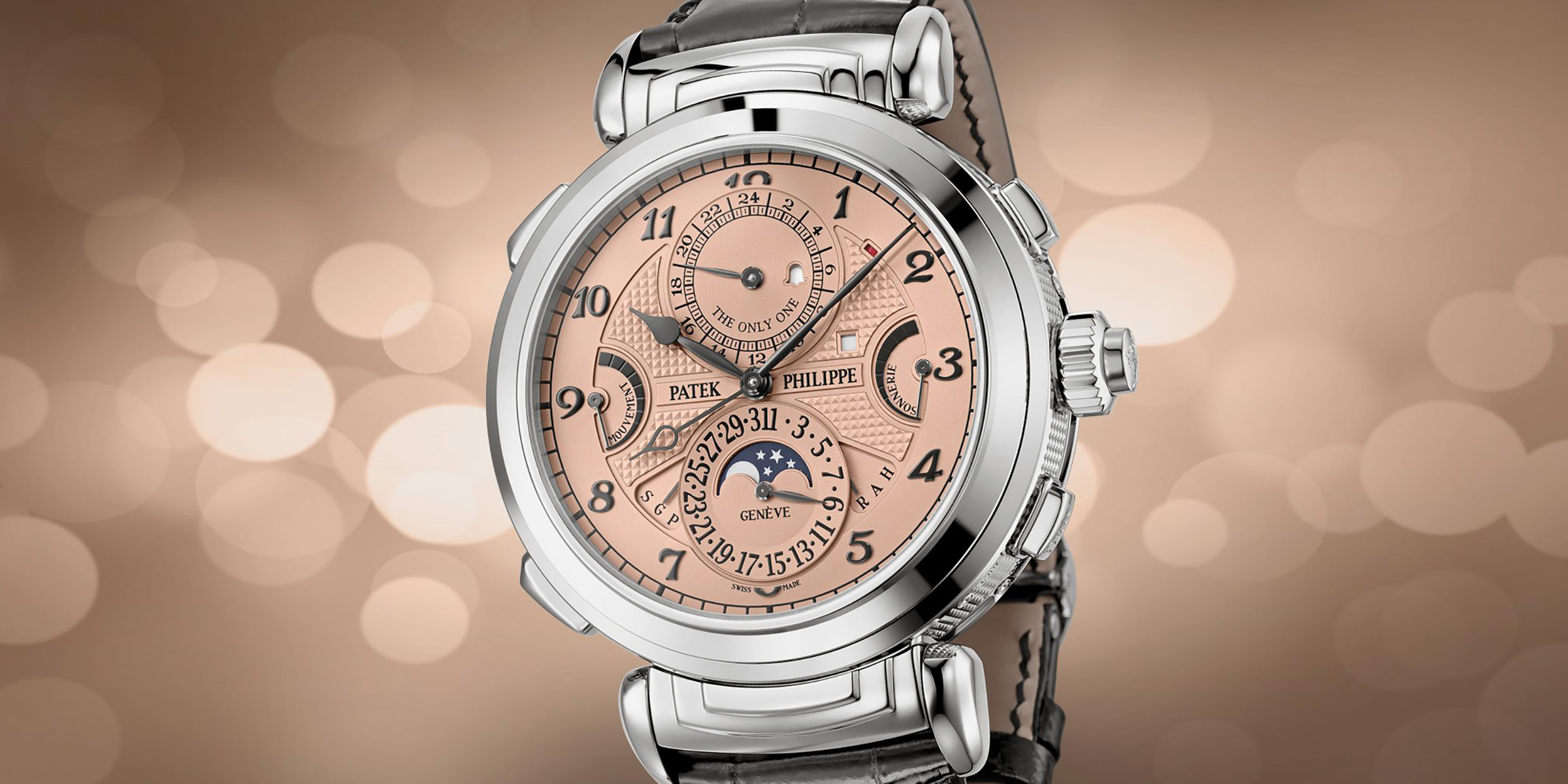
The Patek Philippe Grandmaster Chime Ref. 6300A-010
Often cited as the most complex wristwatch ever produced by the Geneva-based manufacturer, this piece is a testament to technical mastery. Notably, it is the only steel version ever made, which contributed to its record-breaking performance at the Only Watch auction in 2019, where it realized a price of $31 million. It features twenty complications, including an acoustic alarm and a date repeater, encased in a double-faced design.
The Rolex Daytona Ref. 6239 (Paul Newman’s Daytona)
This timepiece changed the market’s understanding of vintage watch collecting. Owned by the actor Paul Newman and gifted to him by his wife, Joanne Woodward, this specific reference is the "holy grail" for Rolex enthusiasts. It sold for $17.8 million in 2017. Its value is not derived from materials—it is a stainless steel watch—but from the emotional weight of its history and its role in sparking the modern vintage collecting boom.
The Patek Philippe Henry Graves Supercomplication
While a pocket watch rather than a wristwatch, the Henry Graves Supercomplication remains a cornerstone of horological valuation. Commissioned by the banker Henry Graves Jr. in 1933, it took eight years to design and build. It was the most complicated watch in the world for over 50 years, featuring 24 complications. Its sale at auction for $24 million underscores the enduring interest in "grand complication" pieces.
Comparison of Top-Tier Horological Assets
The following table provides a comparison of key metrics that influence the valuation of these rare timepieces.
| Watch Model | Type | Primary Value Driver | Auction Context |
|---|---|---|---|
| Patek Philippe 6300A | Wristwatch | Technical Complexity | Modern Rarity |
| Rolex Daytona 6239 | Wristwatch | Provenance/Cultural Icon | Vintage Sentiment |
| Patek Philippe Graves | Pocket Watch | Historical Complexity | Antique Significance |
| Breguet Marie Antoinette | Pocket Watch | Myth/Historical Legend | Institutional Value |
Investment Considerations and Risks
Acquiring a watch in this price tier requires a departure from traditional retail purchasing. Potential buyers must understand that these items are illiquid assets. Unlike standard luxury goods, the market for multi-million dollar timepieces is limited to a small pool of global collectors, auction houses, and private dealers.
Verification and Authentication are the most critical steps in the acquisition process. Due to the high value, there is a significant incentive for the production of sophisticated forgeries. Authenticity must be verified through the "Extract from the Archives" provided by the manufacturer or through professional examination by independent experts who specialize in the specific reference number.
Condition and Restoration are equally important. In the world of vintage collecting, an "untouched" dial—even one showing signs of patina or aging—is often significantly more valuable than a dial that has been professionally restored or replaced. Buyers must prioritize originality over cosmetic perfection when evaluating older pieces.
Common Questions Regarding Ultra-Luxury Watches
Why are stainless steel watches sometimes more expensive than gold ones? In the world of high-end horology, scarcity often trumps precious metal value. While gold is inherently more expensive than steel, a "unique" stainless steel prototype or a historically significant steel watch is rarer, thus driving higher market demand and price.
Do these watches continue to appreciate over time? While many iconic pieces have appreciated, the market for ultra-luxury watches is cyclical. Factors such as economic shifts, interest rates, and changes in collector taste can influence prices. They should be treated as long-term assets rather than short-term speculative tools.
How do I verify the authenticity of a high-value watch? Always consult the original manufacturer’s archives and secure a provenance report. Furthermore, utilize third-party appraisal services that have experience with the specific era and model of the timepiece you are considering.
Are these watches meant to be worn or stored? Most collectors in this tier store these items in climate-controlled environments for preservation. While they are mechanical instruments designed to run, the act of wearing them introduces risks of damage, magnetic interference, and environmental wear that could diminish their value.
What is the impact of a service history on the value of a watch? For modern pieces, a complete service record from the original manufacturer is essential for maintaining function and value. For vintage pieces, overly invasive service—such as polishing the case or replacing original movement parts—can actually decrease the market value.
Next Steps for the Serious Collector
If you are considering the acquisition of a timepiece at this level, start by building a relationship with major auction houses such as Christie’s, Sotheby’s, or Phillips. These institutions provide pre-sale catalogues with detailed condition reports and historical backgrounds that serve as the gold standard for research.
Before committing to any purchase, secure independent legal and horological consultation. Because these assets can carry significant import/export tax implications and require specialized insurance, a multi-disciplinary approach involving your financial advisor and a qualified watch expert is highly recommended. Focus on building a collection based on a specific theme—such as chronographs, perpetual calendars, or historically significant pieces—rather than acquiring items in isolation, as focused collections generally maintain better long-term market interest.
Image Gallery