Understanding the Heat Shift in Detroit Neighborhoods
The urban heat shift in Detroit neighborhoods refers to how rising temperatures and localized microclimates disproportionately impact different parts of the city, largely driven by historical land-use patterns, varying tree canopy cove...
The urban heat shift in Detroit neighborhoods refers to how rising temperatures and localized microclimates disproportionately impact different parts of the city, largely driven by historical land-use patterns, varying tree canopy coverage, and the density of heat-absorbing built infrastructure.
Contents
Urban environments are dynamic ecosystems shaped by decades of policy, industrial development, and demographic shifts. In Detroit, one of the most pressing environmental and public health challenges is the uneven distribution of extreme heat. Often referred to in urban planning and climatology as the urban heat island effect, this phenomenon causes densely built neighborhoods to experience significantly higher temperatures than surrounding green spaces or less developed suburban fringes. Understanding the heat shift in Detroit neighborhoods requires examining the intersection of geography, municipal infrastructure, historical socioeconomic policies, and contemporary climate adaptation strategies.
Historical Context and Structural Foundations of Detroit Microclimates
The physical layout of Detroit today is a direct descendant of its industrial zenith and subsequent economic transitions. Early twentieth-century zoning laws and industrial planning placed manufacturing facilities, rail corridors, and dense multi-family housing in close proximity, often without centralized green spaces or buffer zones.
As the city evolved, heavy industrial zones absorbed solar radiation throughout the day and released it slowly at night. This created localized thermal pockets that persist decades after industrial downsizing or site clearance. Neighborhoods like Southwest Detroit or sections near the industrial corridors along the Rouge River feature high concentrations of impervious surfaces—asphalt, concrete, and dark roofing materials—which replace natural vegetation and soil moisture. Without trees and permeable ground to facilitate natural cooling through evapotranspiration, these areas retain thermal energy long after sunset, elevating baseline nighttime temperatures for residents.
The Role of the Urban Tree Canopy in Neighborhood Thermal Regulation
One of the most critical variables differentiating a hot Detroit neighborhood from a cooler one is the presence and health of the urban tree canopy. Trees provide shade that blocks direct solar radiation from hitting pavement and buildings, while simultaneously cooling the surrounding air through transpiration.
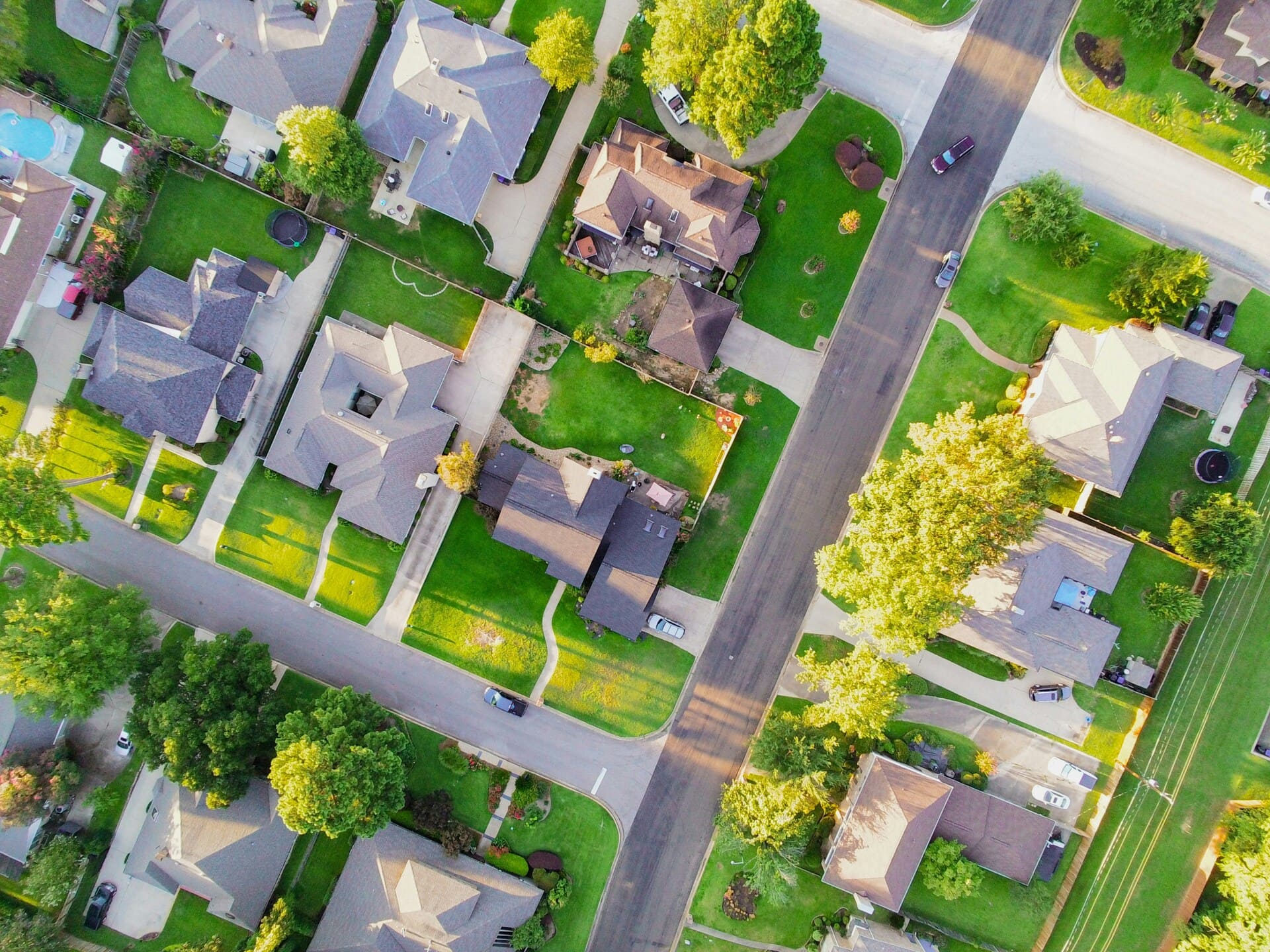
However, tree distribution across Detroit is starkly uneven. Decades of municipal budget constraints, Dutch elm disease, the emerald ash borer infestation, and property abandonment have decimated tree populations in specific zip codes. Wealthier or more stable historical districts often boast mature, dense canopies planted a century ago, whereas lower-income neighborhoods frequently feature sparse street trees and vast expanses of vacant, unmanaged lots or concrete parking structures.
Municipal and non-profit initiatives—such as those coordinated by the Greening of Detroit—have worked aggressively to plant thousands of trees annually. Even so, young saplings require years of watering, maintenance, and structural protection to reach a maturity level capable of providing meaningful microclimate mitigation. Consequently, the canopy deficit remains a primary driver of the neighborhood heat shift.
Architectural Typologies and Housing Infrastructure Vulnerabilities
Beyond the outdoor microclimate, the physical integrity and architectural design of Detroit's housing stock play a decisive role in how residents experience thermal shifts. Much of Detroit's residential architecture consists of early-to-mid-20th-century single-family homes, duplexes, and multi-story apartment buildings.
Many of these structures were built before modern energy efficiency standards, high-performance insulation materials, and central air conditioning became standard. Older homes with poor insulation, single-pane windows, and dark-colored asphalt shingle roofs act as solar ovens during prolonged heat waves. When outdoor temperatures soar, heat penetrates the building envelope and becomes trapped inside, creating indoor temperatures that often exceed outdoor levels.
| Housing Factor | High-Vulnerability Neighborhoods | Low-Vulnerability Neighborhoods |
|---|---|---|
| Average Tree Canopy | Low (under 15% coverage) | High (35% to 50%+ coverage) |
| Impervious Surface Ratio | High (extensive concrete, asphalt) | Moderate (generous lawns, setbacks) |
| Roofing Materials | Predominantly dark, heat-absorbing asphalt | Mixed, often treated or reflective |
| HVAC Infrastructure | High reliance on aging window units or none | Integrated central air conditioning systems |
Furthermore, access to reliable cooling technology is unevenly distributed. Low-income households face severe cost burdens related to electricity, making the continuous operation of air conditioning units financially prohibitive. The reliance on older, inefficient window air conditioning units—or the total lack of mechanical cooling—turns residential interiors into health hazards during multi-day heat advisories.
Socioeconomic Disparities and Public Health Impacts
The heat shift in Detroit is not merely an environmental science topic; it is an acute public health issue. Environmental justice frameworks highlight how marginalized communities bear the brunt of localized climate anomalies.
Extreme heat exacerbates chronic medical conditions prevalent in urban populations, including cardiovascular disease, asthma, diabetes, and renal disorders. High nighttime temperatures prevent the human body from undergoing its necessary physiological cooling and recovery cycle, placing continuous stress on the heart and respiratory systems.
Vulnerable populations—particularly elderly residents living alone, low-income families, and individuals with preexisting mobility or cognitive limitations—face heightened risks of heat exhaustion and heatstroke. Neighborhoods lacking robust community infrastructure, active block clubs, or accessible public cooling centers experience higher rates of heat-related emergency medical services (EMS) calls during peak summer months.
Comparative Overview of Detroit Thermal Mitigation Approaches
Addressing the urban heat shift requires multifaceted intervention strategies deployed at municipal, community, and structural levels. Urban planners and public health officials utilize several primary methodologies to combat localized temperature spikes.
- Municipal Policy & Zoning
- Infrastructure Retrofits (Cool/Green Roofs)
- Urban Forestry Expansion (Targeted Tree Planting)
- Community Resilience (Cooling Centers & Emergency Response)
- Targeted Urban Forestry: Prioritizing tree planting campaigns in heat-vulnerable, low-canopy zip codes rather than distributing trees evenly across all districts.
- Cool Roof and Pavement Initiatives: Retrofitting municipal and commercial buildings with reflective white roofing materials or vegetative green roofs to reduce solar heat absorption.
- Green Infrastructure and Stormwater Management: Transforming vacant lots into bioswales, rain gardens, and pocket parks that replace heat-trapping concrete with living vegetation and moisture-retaining soil.
- Energy Assistance Programs: Expanding utility relief programs and weatherization grants to help low-income homeowners insulate their properties and afford high-efficiency cooling appliances.
Practical Steps and Community Resilience Actions
For residents, community organizers, and local policymakers navigating the thermal realities of Detroit neighborhoods, actionable steps can significantly reduce vulnerability to extreme heat events.
- Map Local Microclimates: Utilize urban heat island mapping data provided by academic institutions and environmental agencies to identify specific block-level hot spots within your neighborhood.
- Audit Home Efficiency: Check window seals, add attic insulation, and apply solar window films to block direct radiant heat from entering living spaces.
- Identify Cooling Centers: Familiarize yourself with the nearest municipal cooling centers, public libraries, and community spaces equipped with climate control during extreme weather emergencies.
- Participate in Neighborhood Greening: Engage with local block clubs and urban agriculture initiatives to advocate for street tree planting and convert paved or vacant lots into green spaces.
- Check on Vulnerable Neighbors: Establish a buddy system during heat waves to check on elderly or medically fragile neighbors who may lack air conditioning or awareness of local heat advisories.
Frequently Asked Questions
What causes the urban heat shift to vary so much between different Detroit neighborhoods?
The variation is primarily caused by differences in land cover, the concentration of impervious surfaces like asphalt and concrete, historical industrial zoning, and the density of the urban tree canopy. Neighborhoods with more trees and green spaces experience natural evaporative cooling, while densely built areas trap and re-radiate solar heat.
Are certain Detroit zip codes officially designated as heat islands?
Yes, environmental studies and satellite thermal imaging conducted by academic researchers and municipal agencies have identified specific zip codes—particularly in industrial and densely populated areas—that consistently register surface and air temperatures several degrees higher than surrounding regions.
How does the lack of tree canopy affect residential energy costs?
Houses lacking shade from mature trees receive direct solar radiation on their exterior walls and roofs throughout the day. This significantly increases indoor temperatures, forcing air conditioning systems to work harder and run longer, which results in substantially higher monthly utility bills for residents.
What are cool roofs and how do they help mitigate neighborhood heat?
Cool roofs are constructed from highly reflective and emissive materials—such as specialized white coatings, single-ply reflective membranes, or ballast tiles—that reflect solar radiation rather than absorbing it. Widespread adoption of cool roofs lowers the overall ambient temperature of the surrounding urban microclimate.
Where can Detroit residents find relief during extreme heat advisories?
During declared heat emergencies, the City of Detroit typically opens designated cooling centers, including select public libraries, recreation centers, and senior facilities. Residents can check the official City of Detroit website or call local information hotlines for real-time locations and operating hours.
Conclusion and Next Actions
Understanding the heat shift in Detroit neighborhoods requires recognizing that environmental temperatures are deeply tied to historical land use, infrastructure design, and socioeconomic equity. Mitigating these thermal disparities demands targeted investments in urban forestry, green infrastructure, and home energy retrofits in the city's most vulnerable areas. Residents and community leaders can take immediate action by participating in local greening initiatives, optimizing home insulation, and establishing community support networks to protect vulnerable populations during extreme heat events.
Image Gallery