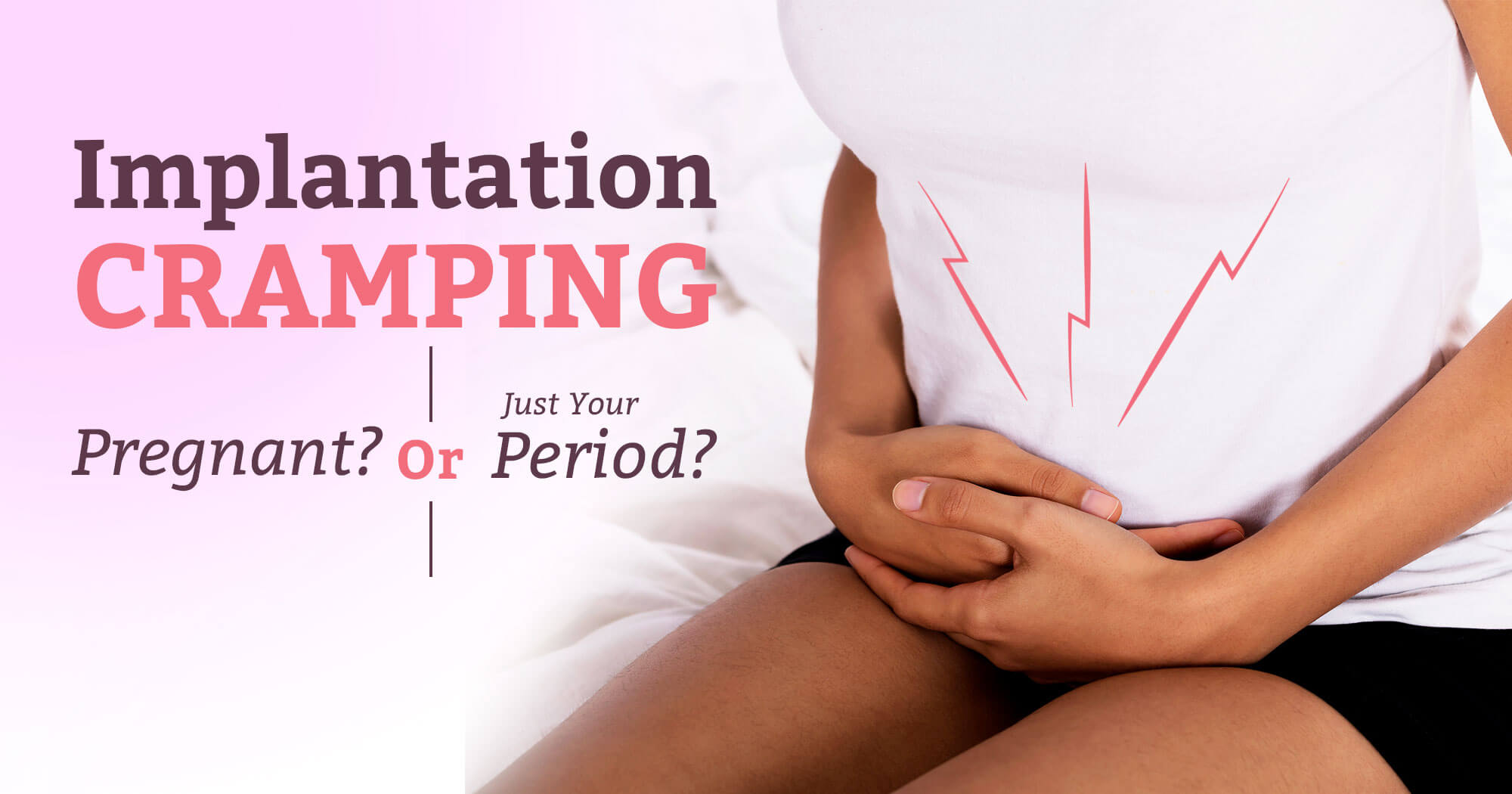
Understanding Cramps at 31 Weeks Pregnant in the Third Trimester: Causes and When to Seek Help
Cramping at 31 weeks pregnant is frequently a normal physiological response as your body prepares for birth, often manifesting as Braxton Hicks contractions, round ligament stretching, or digestive discomfort. However, because 31 weeks...
Cramping at 31 weeks pregnant is frequently a normal physiological response as your body prepares for birth, often manifesting as Braxton Hicks contractions, round ligament stretching, or digestive discomfort. However, because 31 weeks is well before full term, it is essential to distinguish these benign sensations from signs of preterm labor, urinary tract infections, or placental issues.
Contents
The Reality of Cramping in the Early Third Trimester
At 31 weeks, your baby is roughly the size of a coconut, weighing about 3 to 4 pounds and measuring nearly 16 inches. As the third trimester progresses in 2026, the physical strain on your musculoskeletal and reproductive systems intensifies. Cramping during this period is a common complaint, but its meaning depends entirely on the location, intensity, and accompanying symptoms.
While many women experience mild, intermittent "period-like" sensations, these are often the result of the uterus expanding or the body reacting to increased physical activity. However, any persistent or rhythmic cramping requires a closer look. Because the lungs and brain are still in a critical stage of development at 31 weeks, preventing preterm delivery is a primary clinical goal.
Medical Disclaimer
This article provides general information for educational purposes and is not a substitute for professional medical advice, diagnosis, or treatment. Always seek the advice of your OB-GYN, midwife, or other qualified health provider with any questions regarding a medical condition or symptoms.
Common Causes of Benign Cramping at 31 Weeks
Most cramping at this stage is considered "non-productive," meaning it does not lead to changes in the cervix. Understanding these causes can help alleviate unnecessary anxiety.
Braxton Hicks Contractions
Often referred to as "practice contractions," Braxton Hicks are the uterus's way of toning itself for the labor ahead. By 31 weeks, they become more frequent. Unlike true labor, these contractions are typically:
- Irregular: They do not follow a predictable pattern or get closer together.
- Variable in Intensity: They may feel like a mild tightening of the abdomen rather than a sharp pain.
- Positional: They often stop if you change positions, walk, or rest.
- Short-lived: They usually last less than 30 to 60 seconds and do not increase in duration.
Round Ligament Pain
The round ligaments support your uterus by connecting the front of the womb to the groin. As the uterus grows rapidly in the third trimester, these ligaments are stretched thin, similar to a rubber band. Sudden movements—such as coughing, sneezing, or rolling over in bed—can cause a sharp, jabbing cramp in the lower abdomen or hip area. While intense, this pain usually subsides within a few seconds once the movement stops.
Digestive Changes and Pressure
The hormone progesterone remains high during the third trimester, which slows down the smooth muscles of the digestive tract. This often leads to constipation and trapped gas, both of which can cause significant abdominal cramping. Furthermore, the physical size of the 31-week uterus exerts pressure on the bowels, making digestion less efficient. Distinguishing gas pain from uterine cramping can be difficult, but gas pain is often sharper and moves throughout the abdomen.
Pelvic Floor Strain and "Lightning Pain"
At 31 weeks, the baby may begin to shift lower into the pelvis. This pressure on the pelvic floor muscles and nerves can cause sharp, cramp-like sensations or "lightning pain"—a sudden, electric-like zing in the vaginal or pelvic region. This is generally a sign of the baby’s head pressing on nerves and is not typically a cause for medical concern unless accompanied by other symptoms.
When Cramping Signals a Potential Complication
While many cramps are harmless, certain patterns and symptoms serve as red flags that require immediate contact with a healthcare provider or a visit to Labor and Delivery.
Preterm Labor
The most significant risk of cramping at 31 weeks is preterm labor. If you experience more than four to six contractions in an hour, regardless of whether they are painful, you should be evaluated. Signs that cramps may actually be preterm labor include:
- Rhythmicity: Cramps that occur at regular intervals and become increasingly intense.
- Lower Back Pain: A dull, constant ache in the lower back that may feel different from your usual pregnancy backache.
- Pelvic Pressure: A feeling that the baby is pushing down or a heavy sensation in the pelvis.
- Fluid Changes: Any leaking of clear fluid (potential rupture of membranes) or an increase in vaginal discharge.
Urinary Tract Infections (UTIs)
UTIs are remarkably common in pregnancy because the growing uterus prevents the bladder from emptying completely. While a UTI usually causes burning during urination, in the third trimester, it can manifest primarily as lower abdominal cramping or uterine irritability. If left untreated, a UTI can trigger contractions and lead to a kidney infection or preterm labor.
Placental Abruption
Though rare, placental abruption—where the placenta partially or completely detaches from the uterine wall—is a medical emergency. This usually presents as a sudden, very painful, and "hard" cramp that does not go away. The abdomen may feel rigid or tender to the touch, and vaginal bleeding is often (but not always) present.
Preeclampsia
While preeclampsia is primarily characterized by high blood pressure, severe cramping in the upper right quadrant of the abdomen (under the ribs) can indicate liver involvement. This is often accompanied by headaches, vision changes, or sudden swelling in the face and hands.
Differentiating Cramp Types: A Quick Reference
The following table summarizes how to distinguish between common causes of cramping at 31 weeks.
| Type of Cramp | Primary Location | Sensation Description | Duration/Pattern | Action Recommended |
|---|---|---|---|---|
| Braxton Hicks | Entire Abdomen | Tightening, "balling up" | Irregular, disappears with rest | Hydrate and change positions |
| Round Ligament | Lower Sides/Groin | Sharp, stabbing jab | Sudden, lasts only seconds | Move slowly, use a support belt |
| Preterm Labor | Lower Belly/Back | Rhythmic, period-like | Regular intervals, increasing | Call OB-GYN immediately |
| Gas/Constipation | Variable/Intestine | Sharp, colicky, bloated | Intermittent, moves around | Increase fiber and water intake |
| UTI | Low Pelvis/Bladder | Dull ache or pressure | Constant, often with urgency | Get a urine culture at the clinic |
Managing Leg Cramps at 31 Weeks
In addition to abdominal cramping, many women at 31 weeks suffer from "charley horses" or nocturnal leg cramps. These are believed to be caused by the extra weight the legs must carry, the pressure of the uterus on the veins returning blood from the legs (inferior vena cava), and potential imbalances in minerals like calcium and magnesium.
To manage leg cramps:
- Flex Your Feet: When a cramp hits, flex your foot upward toward your shin to stretch the calf muscle.
- Stay Active: Regular walking improves circulation.
- Mineral Balance: Discuss magnesium or calcium supplements with your doctor. Some studies, such as those cataloged by the National Institutes of Health (NIH), suggest magnesium may reduce the frequency of pregnancy-related leg cramps for some individuals.
- Compression: Wear support hose if you are standing for long periods to prevent blood pooling.
Professional Guidance and Diagnostic Steps
If you contact your healthcare provider regarding cramps at 31 weeks, they will likely perform several checks to ensure your safety and that of the baby. You should be prepared for the following:
- Fetal Monitoring: A non-stress test (NST) uses sensors to track the baby's heart rate and the frequency of uterine contractions.
- Cervical Exam: A manual check or a transvaginal ultrasound may be used to see if the cervix is shortening or dilating (effacement).
- Fetal Fibronectin (fFN) Test: This test checks for a specific protein that acts like "glue" between the fetal sac and the uterine lining. A negative result is a strong indicator that you are unlikely to give birth in the next 7 to 14 days.
- Urinalysis: To rule out infections that could be irritating the uterus.
Practical Strategies for Relief
If your doctor has confirmed that your cramps are benign, you can use these strategies to manage discomfort at home:
- Hydration is Mandatory: Dehydration is a leading trigger for Braxton Hicks. When the body is dehydrated, blood volume decreases, and the concentration of oxytocin-like hormones can increase, causing the uterus to contract. Aim for 80–100 ounces of water daily.
- The "Warm Bath" Test: A warm (not hot) bath can help relax the uterine muscles. If the cramps stop while you are relaxing in the water, they are likely Braxton Hicks. If they continue or get stronger, it may be real labor.
- Pelvic Tilts: Practicing gentle pelvic tilts on an exercise ball can help shift the baby's weight and relieve pressure on the round ligaments and lower back.
- Supportive Gear: A pregnancy support belt can help lift the uterus and take the strain off the ligaments and pelvic floor.
- Side-Lying Rest: Lying on your left side improves blood flow to the placenta and can help calm an irritable uterus.
Frequently Asked Questions
Are period-like cramps normal at 31 weeks?
Mild, dull, period-like cramps can be normal as the uterus grows and the body prepares for labor. However, if these cramps are accompanied by back pain, pelvic pressure, or occur more than four times in an hour, you must contact your doctor to rule out preterm labor.
How do I know if my cramps are the baby moving?
At 31 weeks, the baby's movements are more like rolls, kicks, and stretches. These can sometimes cause the uterus to tighten or feel cramped momentarily. If the "cramp" follows a specific kick or shift in the baby's position and then disappears, it is likely just a reaction to fetal activity.
Can dehydration cause cramping at 31 weeks?
Yes, dehydration is one of the most common causes of uterine irritability. Without enough fluids, the uterus can become sensitive and begin to contract. Drinking a large glass of water and resting on your side often resolves this type of cramping.
Should I be worried about cramps if there is no bleeding?
While bleeding is a major warning sign, you can still have serious complications (like preterm labor or "silent" abruption) without it. You should always report rhythmic, persistent, or severe cramping to your healthcare provider, even in the absence of blood.
Does stress cause cramping in the third trimester?
High levels of physical or emotional stress can trigger Braxton Hicks contractions. Stress causes the release of cortisol and adrenaline, which can lead to muscle tension throughout the body, including the uterus. Practicing relaxation techniques and ensuring adequate sleep are vital at 31 weeks.
Summary and Next Actions
Cramping at 31 weeks is often a sign of your body’s adaptation to the significant demands of the third trimester. While most cases are attributed to stretching ligaments, Braxton Hicks, or minor digestive issues, the risk of preterm labor cannot be ignored.
Your next steps should include:
- Monitoring frequency: Use a timer to track how often the cramps occur.
- Assessing intensity: Note if the pain is increasing or if it changes when you move.
- Checking for "leaks": Ensure you are not losing amniotic fluid or seeing any spotting.
- Contacting your provider: When in doubt, a quick call to your clinic can provide peace of mind or timely intervention that protects your pregnancy.
Image Gallery