Best Air Conditioning Alternatives: Practical Choices for Every Home
Homeowners can effectively cool their living spaces without traditional central air conditioning by utilizing a combination of high-efficiency heat pumps, whole-house fans, and evaporative coolers. These alternatives range from low-cos...
Homeowners can effectively cool their living spaces without traditional central air conditioning by utilizing a combination of high-efficiency heat pumps, whole-house fans, and evaporative coolers. These alternatives range from low-cost passive strategies like thermal mass management to advanced mechanical systems that offer superior energy efficiency and lower long-term operational costs compared to standard HVAC units.
Contents
As we move through 2026, the shift toward sustainable home cooling has transitioned from a niche trend to a financial necessity. With rising electricity costs and more stringent environmental regulations regarding refrigerants, traditional central air conditioning is no longer the default choice for every household. Fortunately, the market for cooling alternatives has matured, providing diverse solutions that cater to different climates, architectural styles, and budgets. Finding the right alternative requires understanding how heat enters your home and which mechanical or passive systems are best equipped to remove it or prevent its accumulation.
The Science of Staying Cool: Why Alternatives Work
Before selecting a system, it is vital to understand that cooling is not the "addition of cold" but the "removal of heat." Standard air conditioners use a vapor-compression cycle to move heat from inside to outside. Alternatives to this energy-intensive process typically rely on one of three principles: convection (moving air), evaporation (using water to absorb heat), or heat exchange (moving heat into the ground or outside air more efficiently).
For many homes in 2026, the most effective strategy is a "layered" approach. This involves using passive methods to reduce the initial heat load, followed by mechanical alternatives to manage the remaining temperature. By reducing the demand on mechanical systems, homeowners can often downsize their equipment, leading to significant savings on both installation and monthly utility bills.
High-Efficiency Heat Pumps: The Modern Gold Standard
In 2026, the air-source heat pump has largely superseded the traditional air conditioner in new constructions and major renovations. While they operate on a similar principle to AC, heat pumps are designed to be reversible, providing both heating and cooling. Modern units feature Inverter Technology, which allows the compressor to scale its power usage up or down precisely, rather than simply turning on and off.
Ductless Mini-Split Systems
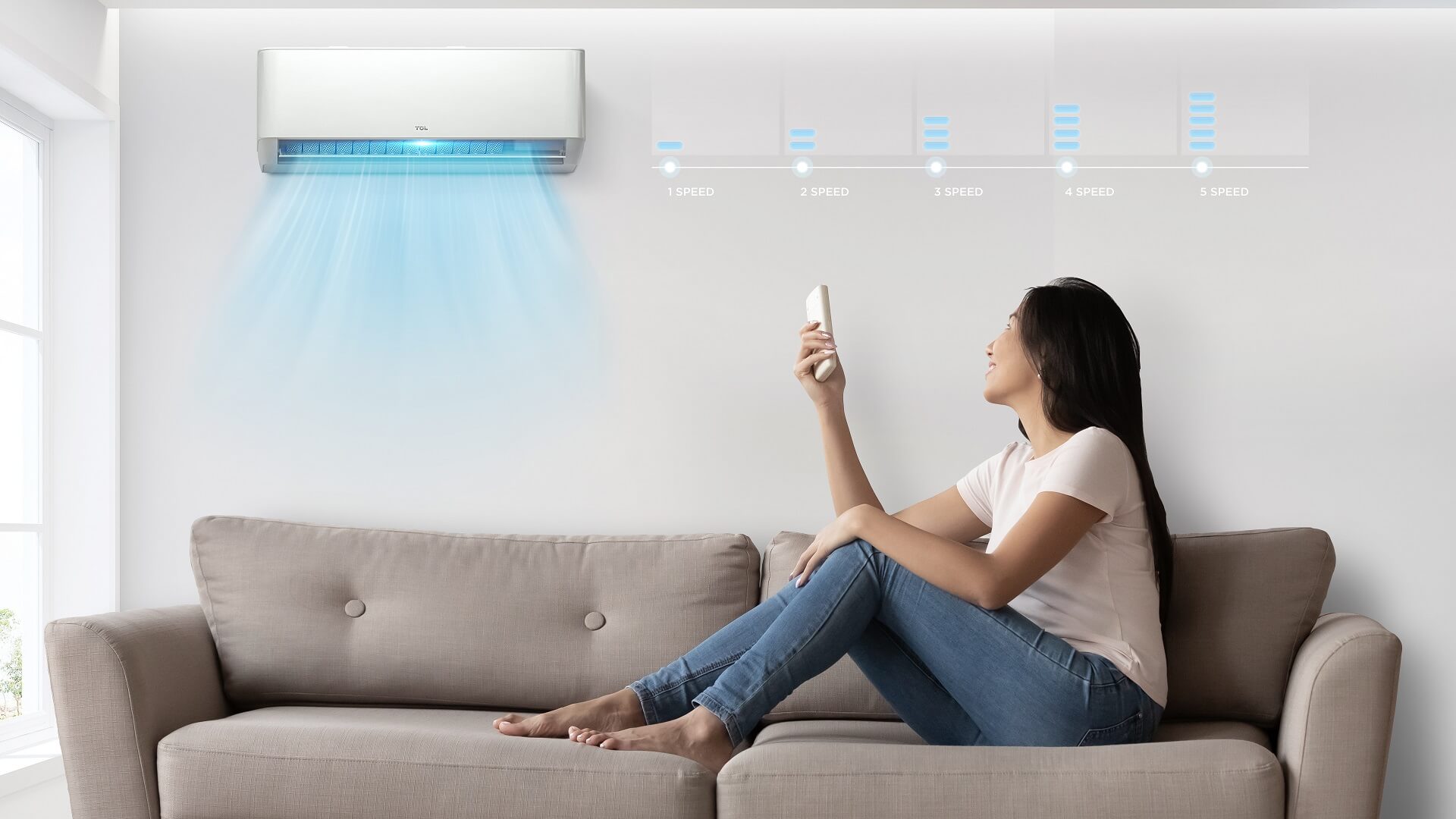
For homes without existing ductwork, or for those looking to cool specific zones, ductless mini-splits are the premier choice. These systems consist of an outdoor condenser linked to one or more indoor air handlers.
- Efficiency: Many mini-splits now boast SEER2 (Seasonal Energy Efficiency Ratio) ratings of 30 or higher.
- Zonal Control: You can cool only the rooms you are using, preventing the waste associated with cooling an entire house.
- Installation: They require only a small three-inch hole in the wall for conduit, making them ideal for older or historic homes where duct installation is prohibited by cost or structure.
Geothermal (Ground-Source) Heat Pumps
While the upfront cost remains high, geothermal systems represent the pinnacle of AC alternatives for long-term homeowners. By exchanging heat with the stable temperatures underground (typically 50–55°F) rather than the fluctuating outside air, geothermal systems operate with staggering efficiency. In 2026, federal and local tax incentives continue to offset a portion of the installation costs, making the return on investment (ROI) more attractive for those planning to stay in their homes for a decade or more.
Mechanical Ventilation: Moving Air to Manage Heat
If you live in a climate where the temperature drops significantly at night, mechanical ventilation is often a more practical and affordable alternative to air conditioning.
Whole-House Fans
A whole-house fan is installed in the ceiling of the topmost floor, venting into the attic. When the outside air is cooler than the inside air (usually in the evening or early morning), the fan is turned on with the windows open. It pulls massive volumes of cool air into the home while pushing hot, stagnant air out through attic vents.
- Operation: A whole-house fan can replace the entire volume of air in a home every 3 to 4 minutes.
- Cost: The operational cost is roughly 1/10th that of central air conditioning.
- Prerequisites: You must have adequate attic venting (typically 1 square foot of net free vent area for every 750 CFM of fan capacity) to prevent back-drafting or moisture issues.
Attic Fans and Solar-Powered Vents
While a whole-house fan cools the living space, an attic fan specifically targets the "heat reservoir" above your head. On a 90°F day, attic temperatures can soar to 150°F. This heat eventually radiates through the ceiling into your living areas. Solar-powered attic fans are particularly effective in 2026 because they operate at peak capacity exactly when the sun is strongest, requiring no additional electricity from the grid.
Evaporative Cooling: The "Swamp Cooler" Evolution
Evaporative coolers, or swamp coolers, are highly effective in arid, low-humidity environments (such as the Southwestern United States). They work by pulling hot, dry air through water-saturated pads. As the water evaporates, it absorbs heat, dropping the air temperature by 15 to 40 degrees.
Why Choose Evaporative Cooling?
- Low Energy Consumption: These systems only use electricity to power a fan and a small water pump, using up to 75% less energy than a traditional AC.
- Fresh Air Circulation: Unlike AC, which recirculates the same indoor air, evaporative coolers require a constant flow of fresh air, meaning you keep windows cracked open to let the air exhaust.
- Added Humidity: In desert climates, the added moisture can improve skin health and respiratory comfort.
Critical Limitation: Evaporative coolers lose effectiveness once the ambient relative humidity exceeds 50%. In humid climates like the Southeast, they can actually make a home feel more uncomfortable by increasing the "stickiness" of the air.
Passive Cooling: The Infrastructure of Comfort
Sometimes the best alternative to air conditioning is not a machine, but a change in the home's "shell." Passive cooling strategies focus on preventing heat from entering the home in the first place.
Advanced Window Treatments
In 2026, smart-glass and high-performance window films have become standard. Low-E (Low-Emissivity) films can be applied to existing windows to reflect infrared light while letting in visible light. Additionally, cellular shades (also known as honeycomb shades) provide an insulating air pocket that prevents heat transfer through the glass.
Thermal Mass and Night Flushing
If your home is built with materials like brick, stone, or concrete, you can utilize "thermal mass." These materials absorb heat during the day and release it slowly. By "flushing" the home with cool air at night (using fans or open windows) and sealing it tight during the hottest part of the day, the thermal mass stays cool and acts as a heat sink, drawing warmth away from the occupants.
Comparison of AC Alternatives
The following table compares the most common alternatives based on current 2026 performance data and typical residential requirements.
| System Type | Best Climate | Est. Installation Cost | Monthly Energy Impact | Primary Advantage |
|---|---|---|---|---|
| Ductless Heat Pump | All Climates | $4,000 – $15,000 | Moderate | Precise zonal cooling and heating. |
| Whole-House Fan | Dry/Arid (Cool Nights) | $1,200 – $2,500 | Very Low | Rapidly flushes heat; low cost. |
| Evaporative Cooler | Low Humidity (<30%) | $2,500 – $5,000 | Low | High efficiency in dry air. |
| Geothermal HP | All Climates | $20,000 – $40,000 | Lowest | Most sustainable; long lifespan. |
| Window Film/Shades | All Climates | $200 – $2,000 | None (Saving) | Reduces total heat gain passively. |
Common Mistakes to Avoid When Replacing AC
When moving away from traditional air conditioning, homeowners often make tactical errors that negate the benefits of their new systems.
- Undersizing Fans: A whole-house fan that is too small for the square footage will run constantly without providing the necessary air changes per hour (ACH).
- Ignoring Humidity: Installing an evaporative cooler in a humid region is a common mistake. Always check your local average dew point before committing to evaporative technology.
- Poor Insulation: No cooling alternative can compensate for a poorly insulated attic. Ensure your home meets current Department of Energy R-value standards before investing in new mechanical systems.
- Closed-Window Operation with Fans: Unlike AC, fans (both ceiling and whole-house) require strategic window management. Using a whole-house fan with windows closed can create a dangerous vacuum, pulling carbon monoxide from gas appliances into the living space.
Frequently Asked Questions
1. Can a whole-house fan completely replace my air conditioner?
In regions with low humidity and significant nighttime temperature drops, a whole-house fan can replace AC for 90% of the cooling season. However, during extreme heatwaves where the nighttime temperature stays above 75°F, the fan will simply circulate warm air. Many homeowners in 2026 use a whole-house fan as the primary system and a small heat pump for extreme "peak" days.
2. Are portable "Arctic" air coolers effective for a whole room?
Most small, USB-powered desktop coolers are "personal" evaporative units. They are effective only if the air is blowing directly on your skin. They lack the CFM (Cubic Feet per Minute) capacity to lower the ambient temperature of a standard 12x12 room. For true room cooling, you need a larger unit vented through a window or a permanent installation.
3. How much can I really save by switching to a heat pump?
According to the Environmental Protection Agency (EPA), switching from a traditional electric furnace and AC to a high-efficiency air-source heat pump can save a typical household between 20% and 50% on annual heating and cooling bills. The savings are most pronounced in homes currently using electric resistance heat or propane.
4. Do I need to maintain an evaporative cooler more than an AC?
Yes. Evaporative coolers require more frequent maintenance. The cooling pads must be cleaned or replaced annually to prevent mold and mineral buildup. Additionally, the water reservoir should be drained and cleaned at the end of each season to prevent "swampy" odors and bacterial growth.
5. Is geothermal cooling really worth the high upfront cost?
Geothermal is an investment in the property's infrastructure. While the payback period can be 7 to 10 years, the outdoor ground loop components often last over 50 years. In 2026, with the increasing value placed on "net-zero" homes, a geothermal system can significantly increase a home's resale value and protect against future energy price volatility.
6. What is the "wind chill effect" in home cooling?
This refers to ceiling fans. Fans do not lower the temperature of a room; they lower the temperature of the person. By moving air over the skin, they speed up the evaporation of sweat, making you feel 4 to 8 degrees cooler. Always turn off ceiling fans when you leave the room to save electricity, as they provide no benefit to an empty space.
Recommendations for Homeowners
To choose the best alternative for your home, start with a "Cooling Audit." First, address passive failures: check for air leaks around windows and ensure your attic insulation is at least R-49 or R-60. If you live in a dry climate, an evaporative cooler provides the best balance of cost and comfort. For those in humid or variable climates, a ductless mini-split heat pump offers the highest efficiency and most reliable comfort. If you have a multi-story home with a large attic, a whole-house fan should be your first mechanical addition to flush out heat at the end of the day.
Image Gallery