Jazz Myths Debunked: Surprising Fun Facts and the True History of the Genre
Jazz is often misunderstood as either academic, impenetrable noise or background music for upscale lounges, but its reality is a complex blend of rigorous structure, social rebellion, and popular accessibility. By debunking common myth...
Jazz is often misunderstood as either academic, impenetrable noise or background music for upscale lounges, but its reality is a complex blend of rigorous structure, social rebellion, and popular accessibility. By debunking common myths regarding its improvisation, origins, and cultural status, we reveal a genre that remains a foundational, living force in 2026.
Contents
The Myth of Total Spontaneity: Is Jazz Just "Making It Up"?
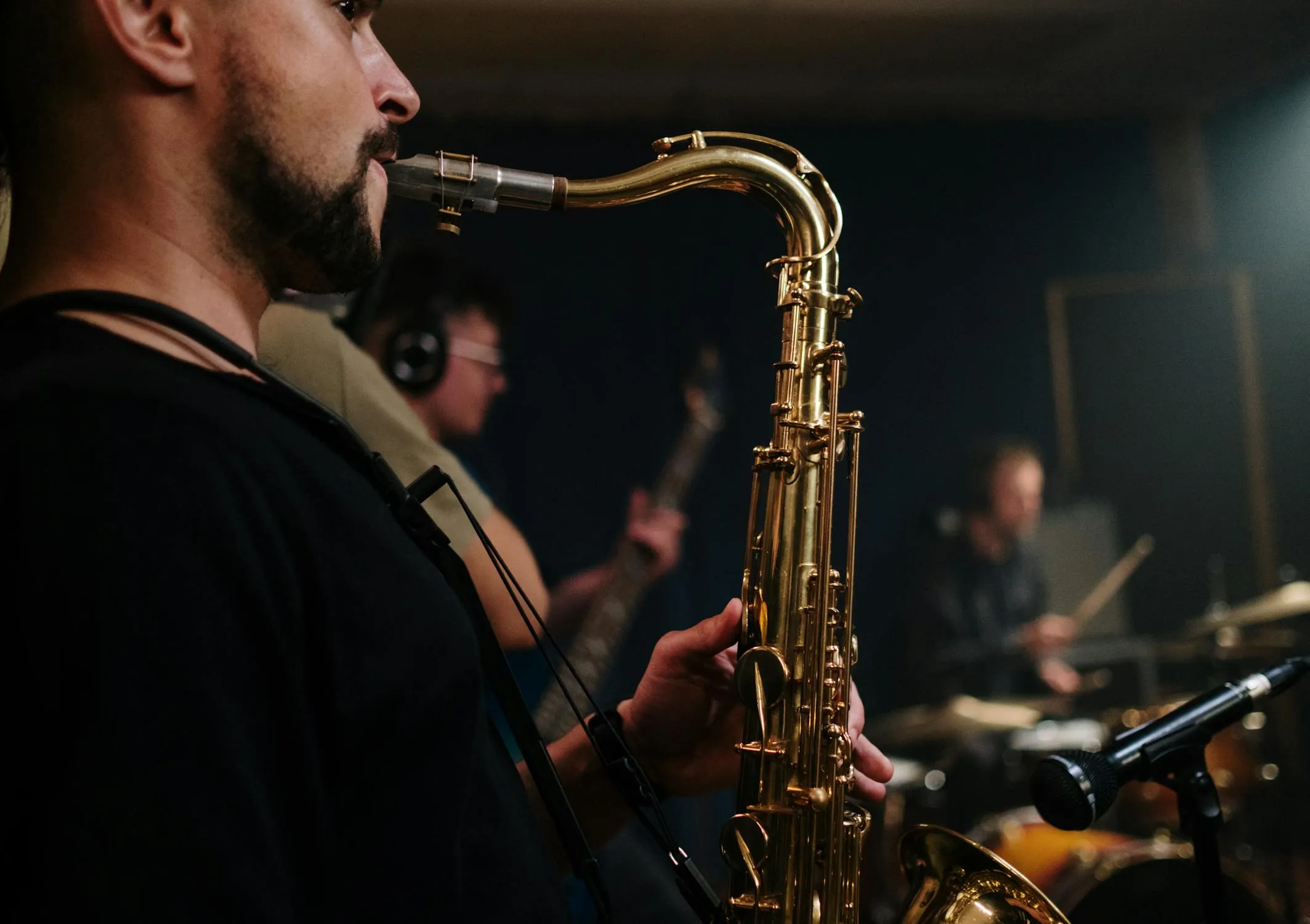
One of the most persistent misconceptions about jazz is that musicians are simply playing whatever notes come to mind without any underlying logic. To the untrained ear, a complex Bebop solo or a Free Jazz exploration might sound like chaos. However, the truth is that jazz is governed by a strict, often invisible architecture.
Most jazz performances are based on a "lead sheet" or a "head." This consists of a melody and a series of chord changes. When a musician improvises, they are not playing random notes; they are composing in real-time within the harmonic framework of the song. They must adhere to the rhythm, follow the chord progressions (often involving complex II-V-I movements), and communicate with their bandmates through a shared musical vocabulary.
Think of it like a high-stakes conversation. While the specific words aren't scripted, the grammar, the topic, and the social cues are all firmly established. A jazz musician spends years studying music theory, scales, and "licks" (musical phrases) to have the tools necessary to speak this language fluently. Without this structural discipline, the music would collapse. Even in "Free Jazz," where traditional harmony is often discarded, there is usually a focus on textural or rhythmic interaction that requires intense listening and coordination.
The Etymology of "Jazz": A Surprising and Murky History
Many people assume the word "jazz" has a prestigious or perhaps African origin. In reality, the term's history is somewhat scandalous and was originally used as a slang term with little to do with music.
In the early 20th century, "jasm" or "jass" was a slang term for energy, vigor, or "pep." More specifically, in certain contexts, it carried a sexual connotation. Before it was applied to the syncopated music of New Orleans, the term appeared in West Coast baseball reporting in 1913, used to describe the "enthusiasm" of the players.
When the term finally attached itself to the music, many early pioneers—including the legendary Duke Ellington—actually disliked the word. They felt it was a label imposed by outsiders that diminished the sophistication of the art form. They preferred terms like "Negro Music" or "American Classical Music." The transition from "jass" to "jazz" happened around 1917, largely spurred by the success of the Original Dixieland Jass Band, who eventually changed the spelling to avoid pranksters scratching the "J" off their posters (leaving a much cruder word).
The "Elite" Stigma: From Dance Halls to Concert Halls
In 2026, jazz is often viewed as a high-brow genre found in conservatories and quiet clubs where patrons sip expensive wine. This has led to the myth that jazz has always been "intellectual" music for the elite.
Historically, the opposite is true. Jazz was the "punk rock" of its day. Born in the red-light districts of New Orleans, it was the music of the streets, the dance halls, and the marginalized. During the Swing Era of the 1930s and 40s, jazz was the most popular music in the world—it was the "Top 40" of the time. Big bands led by Benny Goodman, Count Basie, and Glenn Miller played for thousands of dancing teenagers.
The shift toward a more "intellectual" reputation occurred in the mid-1940s with the birth of Bebop. Musicians like Charlie Parker and Dizzy Gillespie moved the music away from danceable rhythms toward faster tempos and complex harmonies meant for listening. They wanted jazz to be treated as a serious art form rather than mere entertainment. While they succeeded in elevating the genre's status, it inadvertently created the barrier of "exclusivity" that many people feel today.
Debunking the "Kind of Blue" Rehearsal Legend
Miles Davis's 1959 masterpiece, Kind of Blue, is the best-selling jazz album of all time. A common myth suggests that the perfection of the album was the result of grueling, months-long rehearsal sessions to capture its "cool" essence.
In fact, the truth is far more surprising: the musicians had almost no idea what they were going to play until they arrived at the studio. Miles Davis brought in sketches of melodies and chord scales written on scraps of paper. He wanted to capture the "spontaneity of the moment," believing that if the musicians were too familiar with the material, they would rely on their habits rather than their creative instincts.
The legendary lineup—including John Coltrane and Bill Evans—had to react to the music in real-time. Most of the tracks on the album are first or second takes. This lack of preparation is exactly what gives the album its legendary "breathing" room and atmospheric tension. It wasn't meticulously planned; it was a captured moment of genius.
The Evolution of Jazz Eras
Understanding the differences between the various movements in jazz helps dispel the myth that all jazz sounds the same. The following table highlights the key characteristics of major historical styles.
| Era | Primary Decade | Key Characteristic | Notable Figure |
|---|---|---|---|
| New Orleans / Dixieland | 1910s–1920s | Collective improvisation; "polyphonic" sound. | Louis Armstrong |
| Swing / Big Band | 1930s–1940s | Large ensembles; danceable 4/4 rhythms. | Duke Ellington |
| Bebop | 1940s–1950s | Fast tempos; virtuosic solos; complex harmony. | Charlie Parker |
| Cool Jazz | 1950s | Relaxed tempos; lighter tone; lyrical melodies. | Miles Davis |
| Hard Bop | 1950s–1960s | Blended Bebop with Blues and Gospel. | Art Blakey |
| Fusion | 1970s–1980s | Combined jazz with rock and electronic instruments. | Herbie Hancock |
| Modern / Contemporary | 1990s–2026 | Genre-bending; incorporates hip-hop and world music. | Robert Glasper |
The Myth of the Unproductive Artist
There is a romanticized, tragic myth that jazz musicians were largely undisciplined, fueled entirely by "vices" and raw talent. While it is true that the jazz community suffered through a devastating period of substance abuse in the mid-20th century, the image of the "lazy" or "unstable" genius is a falsehood.
The technical proficiency required to play jazz at a professional level is among the highest in any musical discipline. To play like Oscar Peterson or Thelonious Monk required thousands of hours of practicing scales, arpeggios, and rhythmic permutations. Most legendary jazz figures were workaholics. For example, Duke Ellington wrote over 1,000 compositions in his lifetime, often composing on trains between tour stops. The discipline required to maintain a touring schedule while innovating a musical language is the antithesis of the "undisciplined artist" trope.
Is Jazz Dying? The 2026 Reality
For decades, critics have claimed that "jazz is dead." This myth usually stems from the genre's lower share of commercial radio play compared to Pop or Hip-Hop. However, as of 2026, jazz is experiencing a significant "stealth" resurgence.
While it may not dominate the Billboard Hot 100, jazz is more influential than ever through its DNA in other genres. Modern Hip-Hop production relies heavily on jazz samples and "drunk" beats (popularized by J Dilla, who was deeply influenced by jazz drumming). The rise of Lo-fi beats—a multibillion-stream industry—is essentially simplified jazz harmony designed for focus and relaxation.
Furthermore, jazz education is at an all-time high. More universities offer specialized jazz degrees now than in the 1960s, and global festivals continue to draw millions of attendees. The music isn't dying; it is diversifying. In 2026, "Jazz" is an umbrella term that includes everything from electronic experimentalism to traditional Big Band revivalism.
FAQs About Jazz Myths and Facts
Is the first jazz recording actually from New Orleans?
While New Orleans is the birthplace of the genre, the first jazz recording was actually made in New York City in 1917 by the Original Dixieland Jass Band. Ironically, the band consisted of all-white musicians who were imitating the Black innovators of New Orleans. This highlights the complex and often troubled history of racial appropriation and recognition within the early music industry.
Do I need to understand music theory to enjoy jazz?
Absolutely not. While understanding the "how" can deepen your appreciation, jazz is primarily about emotion and communication. Much like you don't need to be a chef to enjoy a gourmet meal, you don't need to be a theorist to feel the swing or the soul of a solo. The best way to enjoy it is to focus on the "conversation" between the instruments.
Why do jazz songs often sound different every time they are played?
Because of the heavy emphasis on improvisation, no two performances of a jazz standard are ever identical. Musicians change their solos, the rhythm section might alter the "feel," and the interaction with the audience often dictates the energy of the piece. This makes every jazz performance a unique, unrepeatable event.
Was jazz once considered "illegal" or "immoral"?
Yes. In the 1920s, many religious and social leaders viewed jazz as a "corrupting influence" on the youth. It was associated with the Prohibition-era speakeasies and was often used as a tool for racial fear-mongering. Several cities actually attempted to ban the music or restrict its play in public spaces.
Who is the most famous jazz musician of all time?
Louis "Satchmo" Armstrong is widely considered the most influential. He transformed jazz from a style based on collective improvisation into a soloist's art form. His innovations in rhythm and his distinct vocal style influenced nearly every popular singer and musician who followed, regardless of genre.
Recommendation for New Listeners
If you are looking to move past the myths and experience the reality of the genre, avoid the "Greatest Hits" compilations. Instead, choose one definitive album from a specific era—such as Miles Davis's Kind of Blue (Cool Jazz) or Art Blakey’s Moanin’ (Hard Bop)—and listen to it from start to finish without distractions. Observe how the instruments "talk" to each other, and you will quickly see that jazz is not a museum piece, but a vibrant, evolving conversation.
Image Gallery