Coachella Attendees Count: Comprehensive Guide to Festival Growth and Capacity
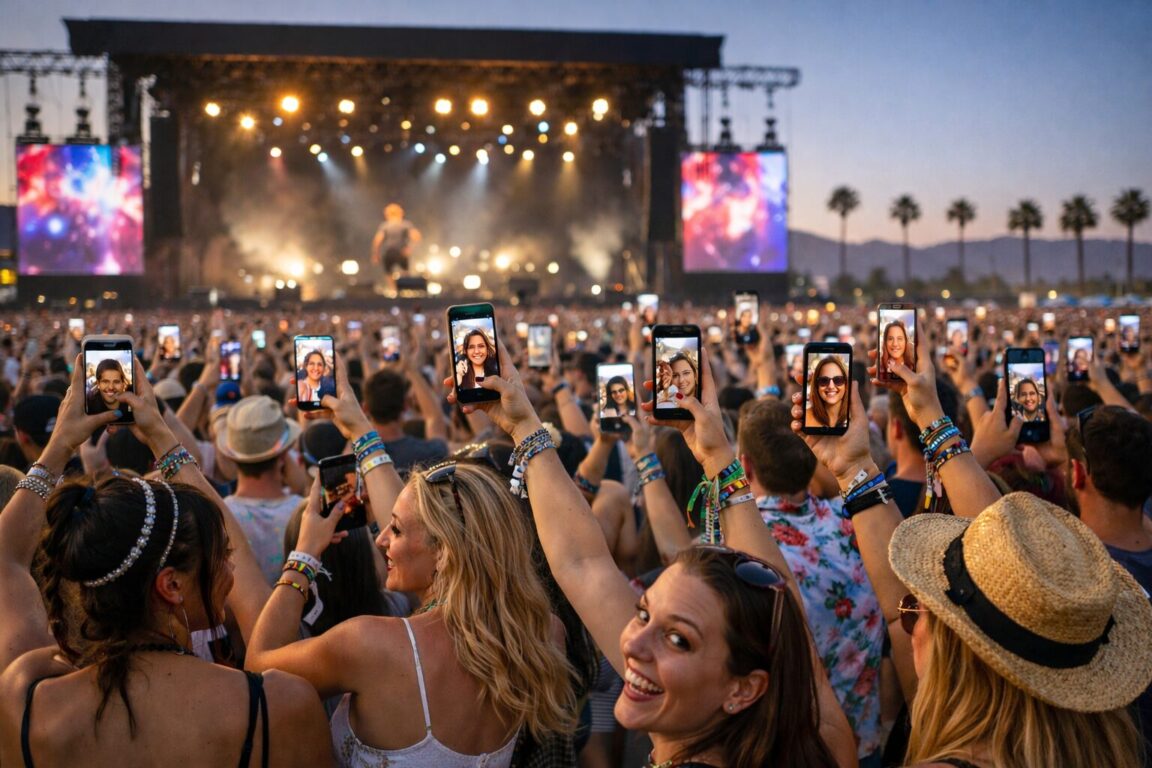
In 2026, Coachella maintains a consistent peak capacity of 125,000 attendees per day. Across its two three-day weekends, the festival generates an aggregate attendance of approximately 750,000 "scans" at the gates. Because tickets are...
In 2026, Coachella maintains a consistent peak capacity of 125,000 attendees per day. Across its two three-day weekends, the festival generates an aggregate attendance of approximately 750,000 "scans" at the gates. Because tickets are predominantly sold as three-day passes, this represents roughly 250,000 unique ticket holders visiting the Empire Polo Club annually.
Contents
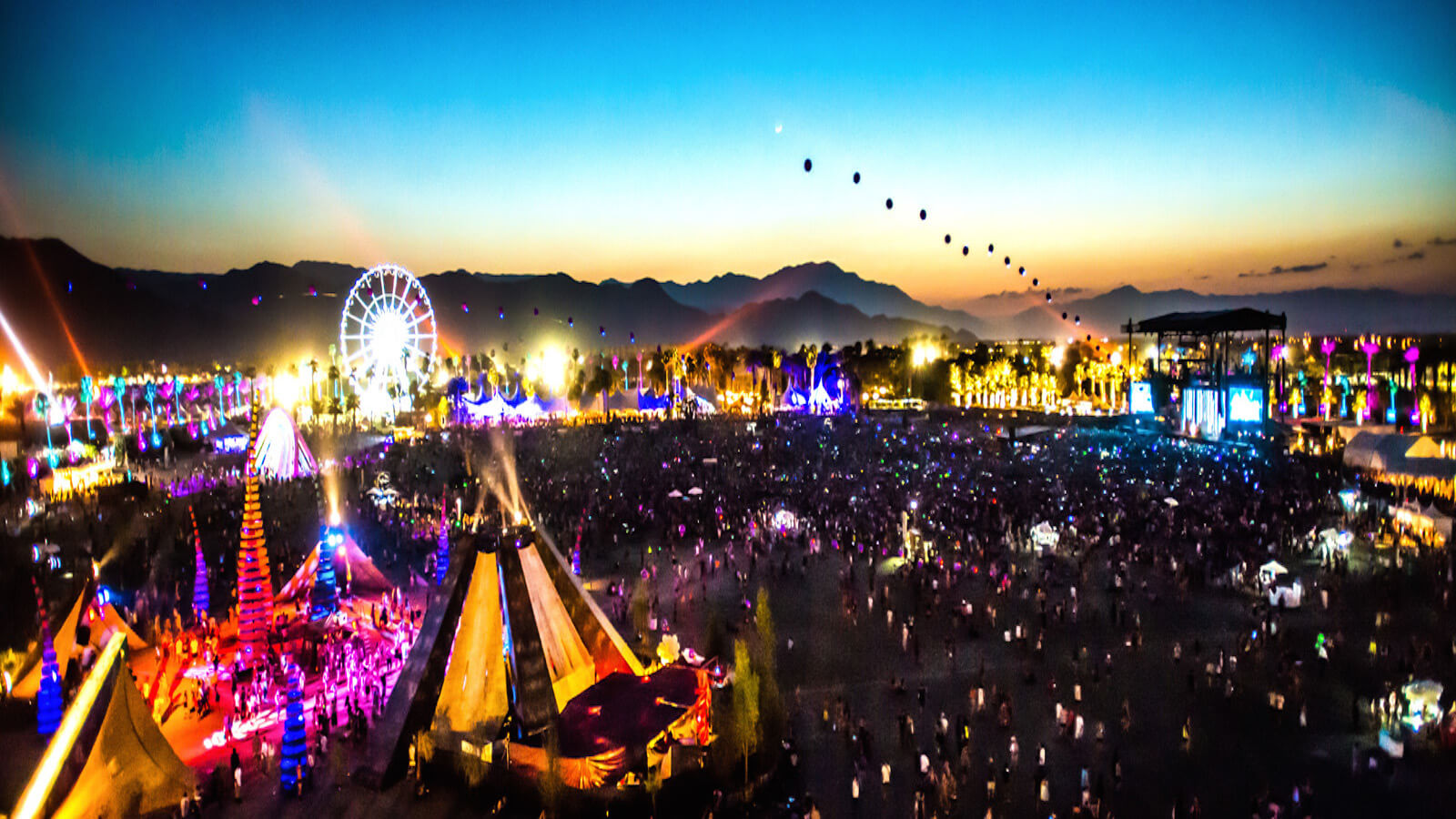
The trajectory of Coachella’s attendance is a case study in the scalability of live entertainment. From its modest beginnings in 1999 to its status as a global cultural juggernaut in 2026, the "attendee count" is more than just a number—it is a metric of the festival’s operational complexity, its economic influence on the Coachella Valley, and the physical limits of the desert landscape. Understanding these figures requires looking beyond the ticket sales to the permits, logistics, and crowd management strategies that allow a small city’s worth of people to descend on Indio, California, every April.
The Evolution of Coachella’s Attendance (1999–2026)
The history of Coachella is marked by distinct phases of growth, often dictated by the financial health of the concert industry and the specific expansion permits granted by the City of Indio.
The Early Years and Financial Uncertainty
When Paul Tollett and Goldenvoice launched the first Coachella Valley Music and Arts Festival in October 1999, the attendance was approximately 37,000 people over two days. While critically acclaimed, the event was a financial struggle. The festival took a hiatus in 2000 before returning in 2001 as a single-day event with about 32,000 attendees. It wasn't until the mid-2000s that the festival found its footing, consistently drawing between 50,000 and 60,000 people per day.
The Move to Two Weekends
The most significant shift in attendance counts occurred in 2012. Facing overwhelming demand that exceeded the physical capacity of the Empire Polo Club, Goldenvoice introduced a second weekend with an identical lineup. This move effectively doubled the festival's revenue and unique attendee count without requiring a larger daily footprint. In 2012, the daily capacity was roughly 80,000 to 90,000.
The 125,000 Milestone
In 2016, the Indio City Council approved a proposal to increase the festival’s maximum capacity from 99,000 to 125,000. This expansion was phased in starting in 2017. By 2026, this 125,000-person daily limit has become the established operational ceiling. This cap is strictly regulated by the Environmental Impact Report (EIR), which accounts for traffic, noise, and local infrastructure strain.
| Era | Daily Capacity | Total Unique Attendees (Est.) | Format Change |
|---|---|---|---|
| 1999–2001 | 20,000–37,000 | 37,000 | Initial launch; 1-day/2-day formats |
| 2002–2011 | 50,000–90,000 | 60,000–150,000 | Expanded to 3 days in 2007 |
| 2012–2016 | 80,000–99,000 | 160,000–198,000 | Introduction of two weekends |
| 2017–2026 | 125,000 | 250,000 | Approval of current peak capacity |
Understanding the Math: Daily Scans vs. Unique Attendees
Data regarding music festival attendance is often reported in three different ways, which can lead to confusion for those analyzing the "Coachella attendees count."
- Daily Capacity: This is the legal limit of how many people are allowed on the grounds at any one time. In 2026, this remains 125,000. This includes ticket holders, staff, artists, and guests.
- Aggregate Attendance: This is the total number of "gate scans" over the entire duration of the festival. For a two-weekend festival with 125,000 people per day over six days, the aggregate attendance is 750,000.
- Unique Attendees: Since Coachella only sells three-day passes (with very few exceptions for local residents or industry guests), most people who scan in on Friday also scan in on Saturday and Sunday. Therefore, the number of unique individuals attending the festival is the daily capacity multiplied by two (for the two weekends), totaling 250,000.
For researchers and sponsors, the "unique attendee" figure is the most valuable, as it represents the actual reach of the event. For city planners and security, the "daily capacity" is the critical figure for safety and resource allocation.
Logistics of Managing 125,000 People Daily
Managing a crowd of 125,000 in a desert environment presents extreme technical challenges. As of 2026, Goldenvoice utilizes sophisticated technology and infrastructure to ensure the safety and comfort of this massive attendee count.
RFID and Crowd Flow Monitoring
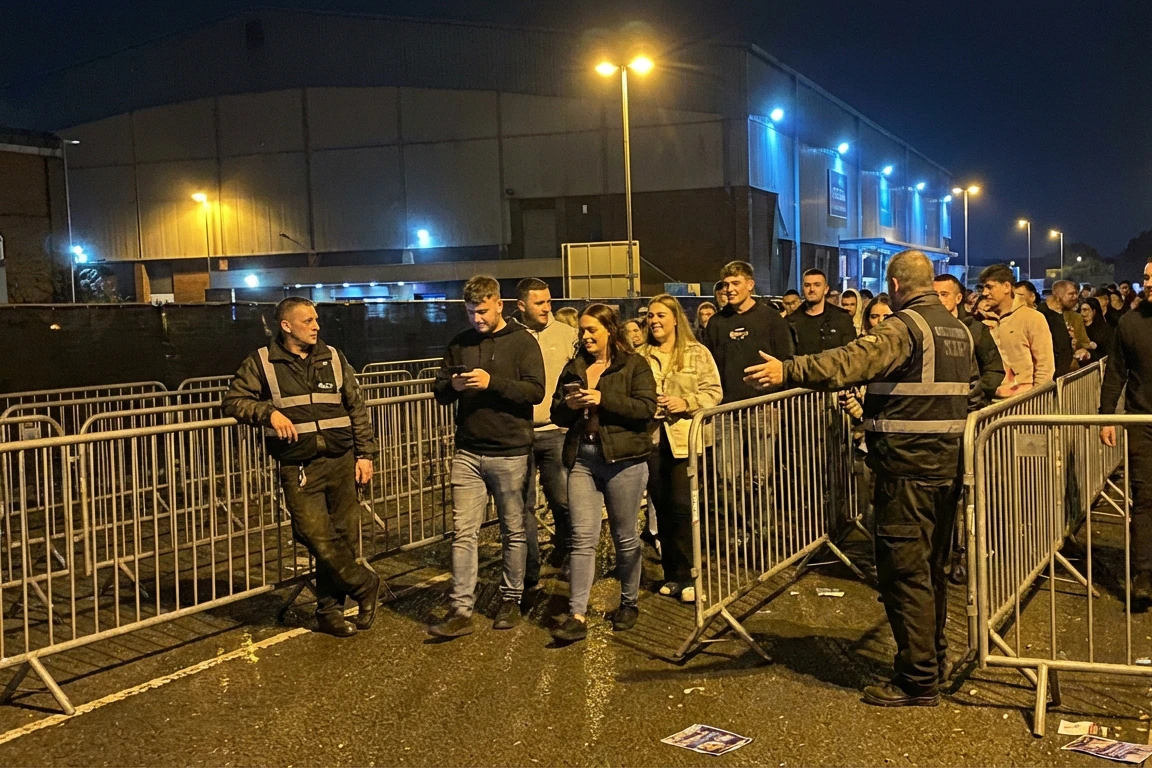
Every attendee wears a wristband equipped with a Radio Frequency Identification (RFID) chip. This technology is the primary tool for the attendees count. Beyond just checking tickets, the RFID system allows organizers to monitor crowd density in real-time. If the Sahara Tent or the Main Stage area becomes dangerously congested, security teams receive alerts to implement crowd-diversion tactics.
Water and Heat Mitigation
The Coachella Valley frequently sees temperatures exceeding 90°F (32°C) in April. For 125,000 people, the water requirement is immense. The festival employs a "Global Inheritance" program and multiple high-capacity "Water Stations" where attendees can refill bottles for free. In 2026, the festival infrastructure includes underground plumbing to sustain these stations, moving away from the logistically heavy reliance on trucked-in water.
Transportation and Traffic
Indio's population is roughly 90,000. During Coachella, the daily population in the immediate vicinity of the Empire Polo Club more than doubles. To manage this, the festival mandates a robust shuttle system connecting local hotels and "park and ride" lots to the grounds. A significant portion of the 125,000 daily attendees—approximately 30% to 40%—stay on-site in the Car Camping or Lake Eldorado areas, which reduces the daily traffic flow on Monroe Street and Highway 111.
Factors Influencing Attendance Trends in 2026
While the capacity remains capped at 125,000, the speed at which the festival reaches that count fluctuates based on several market factors.
Lineup Diversity and "Genre-Bending"
In the mid-2020s, the attendee count has been increasingly driven by international acts. The inclusion of K-pop, Reggaeton, and Afrobeats headliners has expanded the festival's demographic reach. When the lineup leans heavily into a specific niche, ticket velocity may slow, but the 125,000 cap is almost always met by the time gates open, thanks to the robust secondary market and late-entry local sales.
Economic Considerations
The cost of attendance—including passes, travel, and lodging—now often exceeds $1,500 per person. In 2026, economic factors such as inflation and travel costs play a larger role in how the attendee count is distributed. Weekend 1 typically sells out instantly due to its reputation as the "celebrity and influencer" weekend, while Weekend 2 often caters to music purists and locals, sometimes seeing a more gradual climb to the 125,000 limit.
Economic Impact of the Attendee Count
The 125,000 daily attendees provide a massive economic boon to the Coachella Valley. According to historical impact reports from the City of Indio, the festival generates hundreds of millions of dollars in economic activity.
- Transient Occupancy Tax (TOT): With hotels booked at 100% capacity from Palm Springs to Coachella, the local cities collect millions in room taxes.
- Direct Spending: Attendees spend heavily on gas, groceries, and dining outside the festival grounds.
- Job Creation: The festival supports thousands of temporary jobs in security, hospitality, and technical production.
The sheer volume of people requires the City of Indio to maintain a close partnership with Goldenvoice. The "Per Ticket Tax" is a specific mechanism where a portion of every ticket sold goes directly to the city’s general fund, used for public works and community projects.
Comparing Coachella to Other Global Festivals
To put the 125,000 daily attendee count in perspective, it is helpful to compare Coachella to other major music events.
- Glastonbury (UK): Draws roughly 210,000 attendees, but it is a single-weekend event.
- EDC Las Vegas (USA): Often sees upwards of 170,000 people per night at the Las Vegas Motor Speedway, making it larger than Coachella in terms of daily volume.
- Tomorrowland (Belgium): Similar to Coachella, it operates over multiple weekends, often drawing 200,000 people per weekend (600,000+ aggregate).
Coachella remains unique because of its high "cultural density." While it may not be the largest festival in the world by raw numbers, its influence on social media and the fashion industry, driven by those 125,000 daily participants, often outweighs festivals with larger capacities.
Common Mistakes in Reporting Attendance
One common error in media reporting is conflating the "sold out" status with the physical number of people on the grass. Even when a festival is sold out, the actual attendees count at 4:00 PM on a Friday will be significantly lower than at 9:00 PM during the headliner.
Furthermore, "capacity" includes staff. For a 125,000-person event, there are often 10,000 to 15,000 staff members, security personnel, and vendors on-site. This means the number of paying fans is closer to 110,000, though the total human count on the permit remains at the limit.
FAQ: Frequently Asked Questions about Coachella Attendance
Is Coachella still 125,000 people in 2026?
Yes, the current permit with the City of Indio caps the daily attendance at 125,000. This includes all ticket holders and staff. There have been discussions about increasing this to 150,000 in future years, but as of 2026, the 125,000 limit remains the standard to ensure safety and manageable traffic.
Does Weekend 1 have more people than Weekend 2?
No, the capacity for both weekends is identical at 125,000 people per day. However, Weekend 1 often feels more crowded because of a higher concentration of media, influencers, and organized events that take place near the main stages and VIP areas.
How many people camp at Coachella?
Approximately 30,000 to 40,000 people camp on-site at the Empire Polo Club. This "camping count" is a subset of the 125,000 daily attendees. Camping is a vital part of the festival's logistics, as it removes thousands of cars from the local roads during peak hours.
What happens if the attendee count exceeds the permit limit?
The City of Indio and the Riverside County Fire Department monitor the festival grounds closely. If the attendee count were to exceed the legal limit, the festival could face massive fines, and specific stages could be shut down. The RFID wristband system is designed specifically to prevent this by providing an exact count of how many people have entered the gates.
Has Coachella ever had a year with low attendance?
While "low" is relative, 2024 was noted for having slower-than-usual ticket sales for Weekend 2. However, the festival typically reaches its capacity eventually. By 2026, the market has stabilized, and the attendee count has remained consistently at the 125,000 peak.
Final Recommendations for Potential Attendees
If you are planning to join the 125,000 attendees at Coachella, the data suggests that Weekend 2 offers a slightly more manageable experience for those concerned about crowd density. While the capacity is the same, the demographic shift toward "music-first" fans often results in a more evenly distributed crowd across the various stages (Outdoor Theatre, Gobi, Mojave, and Sonora) rather than everyone congregating at the Main Stage for "moments."
Always arrive before 2:00 PM if you want to avoid the peak "entry surge" when the bulk of the 125,000 attendees arrive. Utilizing the official shuttle system is the most reliable way to navigate the logistical challenges posed by such a high attendee count.
Image Gallery