Mastering Lou Lung Pai in Extreme Climbing: Technique, Safety, and Biomechanics
Lou lung pai represents a specialized breathing and stabilization technique utilized by select elite mountaineers to manage exertion, conserve oxygen, and maintain core tension during high-altitude extreme climbing. By integrating rhyt...
Lou lung pai represents a specialized breathing and stabilization technique utilized by select elite mountaineers to manage exertion, conserve oxygen, and maintain core tension during high-altitude extreme climbing. By integrating rhythmic respiration patterns with deep muscular engagement, climbers can better navigate high-consequence technical terrain where traditional pacing fails.
Contents
Understanding Lou Lung Pai and Its Origins in Vertical Disciplines
The term "lou lung pai" refers to an intentional breathing and internal pressure management system rooted in traditional movement disciplines, adapted by alpine specialists and rock climbers operating in extreme environments. At its core, the practice merges diaphragmatic breath control with the stabilization of the transverse abdominis and pelvic floor—a concept shared with martial arts and weightlifting, but modified for the unique demands of vertical ascents.
In extreme climbing, where the partial pressure of oxygen drops precipitously, standard aerobic pacing often results in systemic exhaustion and compromised mental clarity. Climbers frequently face routes where continuous movement is impossible due to technical difficulty, extreme cold, or thin air. Lou lung pai provides a physiological framework to synchronize breath with movement, minimizing the metabolic cost of every single pitch, move, or meter of altitude gained.
To appreciate the discipline, one must separate mystical interpretations from functional biomechanics. The practice does not grant superhuman endurance or eliminate the need for acclimatization; rather, it optimizes the body's internal hydraulic system. By stabilizing the core through controlled exhalation phases, climbers reduce micro-wobbles on vertical rock, preserve grip strength, and regulate heart rate variability under acute stress.
Physiological and Biomechanical Foundations
Operating at extreme altitudes places extraordinary demands on the human cardiopulmonary system. As barometric pressure decreases, the driving force of oxygen into the bloodstream diminishes, forcing the body to compensate through hyperventilation, increased heart rate, and elevated pulmonary arterial pressure. Without intervention, this cascade leads to rapid energy depletion and acute mountain sickness.
The Mechanics of Internal Pressure
Lou lung pai alters how a climber manages intra-abdominal pressure (IAP) during strenuous physical exertion. When executing a difficult sequence—such as pulling over an overhang or driving upward from a marginal foothold—climbers often instinctively hold their breath (the Valsalva maneuver). While this temporarily stiffens the torso, it spikes blood pressure, reduces venous return to the heart, and starves working muscles of oxygen.
By contrast, the structured breath cycle of lou lung pai involves:
- Inhalation: Controlled, deep nasal breathing to humidify and warm air while engaging the diaphragm.
- The Transition: A momentary micro-pause at the apex of inhalation to lock the thoracic cage.
- Controlled Exhalation: A slow, pressurized release of air through pursed lips or the teeth, matching the exertion phase of the climbing move.
- Tension Maintenance: Continuous engagement of the deep core stabilizers throughout the entire respiratory cycle.
This structured approach stabilizes the spinal column, allowing the limbs to transmit force efficiently from the rock or ice surface without wasting energy on stabilizing core sway.
Integration into Extreme Climbing Scenarios
Extreme climbing encompasses big wall aid routes, high-altitude mountaineering, and technical mixed climbing where gear placements are sparse and exposure is absolute. In these settings, physical fatigue is compounded by psychological stress.
| Climbing Discipline | Primary Challenge Addressed by Technique | Physiological Impact |
|---|---|---|
| High-Altitude Mountaineering | Hypoxia and rapid systemic fatigue | Reduces minute ventilation spikes, conserving metabolic reserves. |
| Big Wall Free Climbing | Pumped forearms and endurance limits | Lowers muscular tension in non-working muscle groups, delaying lactic acid accumulation. |
| Technical Mixed Climbing | Awkward body positions and heavy cold-weather gear | Maintains spinal alignment and balance under shifting loads. |
When tackling steep ice or mixed terrain, the climber must frequently lock off with one arm while placing an ice screw or tool placement with the other. This isometric load rapidly exhausts the forearms and shoulders. Integrating lou lung pai during these stationary moments allows the climber to purge carbon dioxide efficiently without triggering the panic response associated with oxygen debt.
Step-by-Step Implementation of the Technique
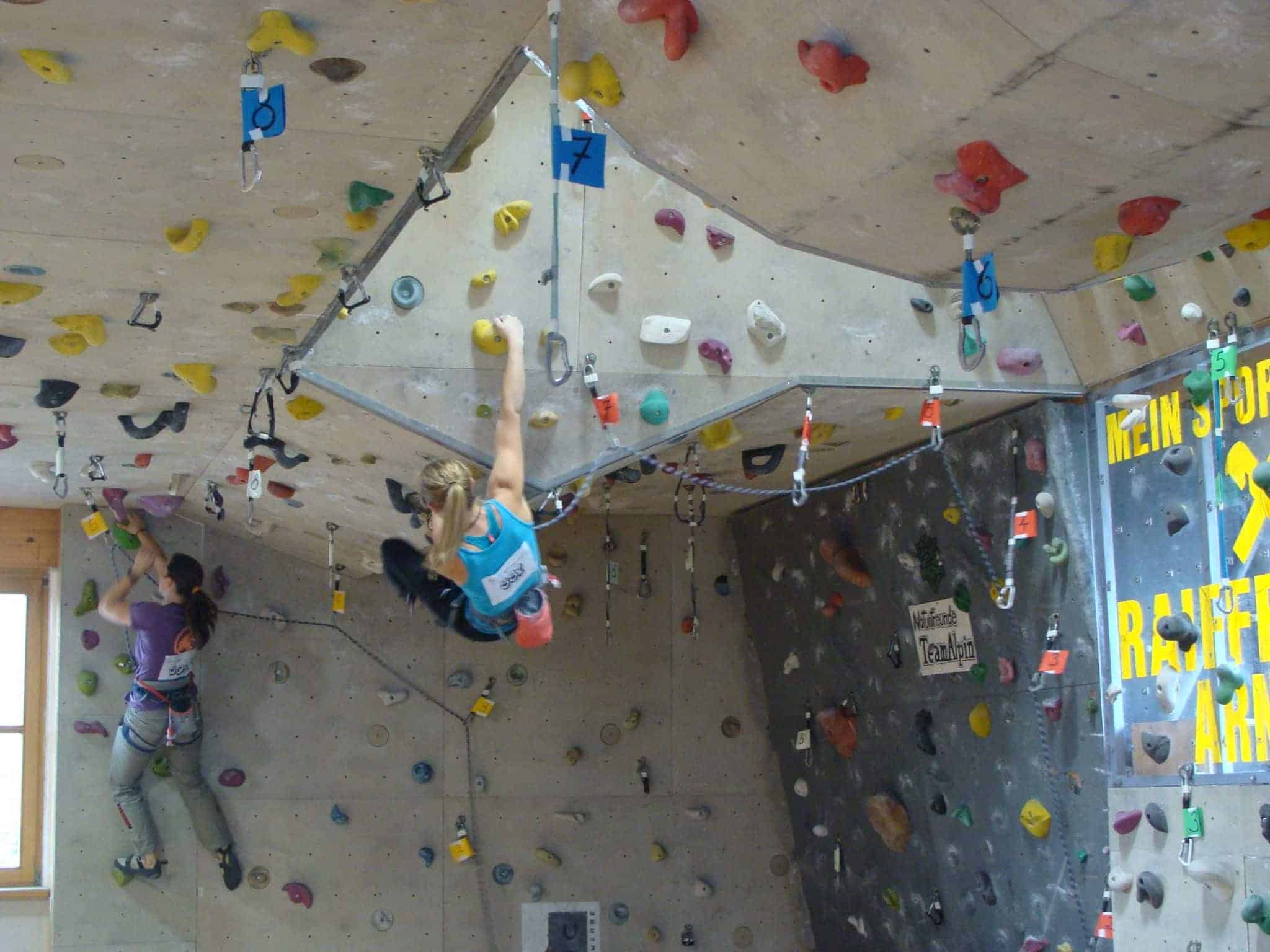
Mastering this discipline requires deliberate practice on low-consequence terrain before attempting its use on committing alpine objectives. Climbers should isolate the components of breath and movement during training sessions on indoor bouldering walls or low-angle rock.
Phase 1: Baseline Awareness
Begin by sitting or standing quietly at the base of a route. Focus on shifting respiration from shallow chest breathing to deep diaphragmatic breathing. Place one hand on the abdomen and the other on the chest; ensure only the lower hand moves during inhalation.
Phase 2: Movement Synchronization
On an easy-rated route (e.g., 5.4 or low-angle snow), match your steps or hand movements to a count:
- Inhale smoothly over two steps or moves.
- Exhale slowly and evenly over the next two steps or moves, maintaining a rigid core.
- Eliminate any breath-holding during moments of maximum extension.
Phase 3: High-Stress Application
Gradually introduce the pattern to more demanding sequences. When encountering a crux, resist the urge to gasp. Slow the breath down intentionally, using the pressurized exhalation to power through the most difficult physical movement of the sequence.
Common Mistakes and Troubleshooting
Climbers attempting to adopt advanced breathing and core stabilization frameworks frequently encounter specific pitfalls that diminish their effectiveness.
- Hyper-Concentration: Focusing too heavily on the breathing pattern can distract from route-finding, gear placement, and footwork. The technique must become second nature through repetition.
- Forced Over-Respiration: Trying to take excessively large breaths at high altitude can lead to hyperventilation, blowing off too much carbon dioxide and causing dizziness or tingling in the extremities.
- Rigid Core Lockout: Mistaking core stabilization for full-body tension. The core should remain engaged, but the limbs and shoulders must stay fluid to move dynamically.
If you find yourself becoming lightheaded while applying these methods, immediately pause on a secure stance, return to natural diaphragmatic breathing, and allow your blood gas levels to stabilize before proceeding.
Equipment and Environmental Considerations
While lou lung pai is an internal discipline, external environmental factors significantly impact its execution. Extreme cold, high winds, and technical gear modify how a climber breathes and moves.
- Facial Protection: Balaclavas, neck gaiters, and oxygen masks (when utilizing supplemental O2) restrict airflow. Climbers must practice the technique while wearing their complete alpine layering systems to ensure that fabric restrictions do not impede the inhalation and exhalation phases.
- Hydration Status: Thin alpine air causes rapid dehydration through respiration. A dry throat and airways make controlled exhalation difficult and irritating. Consistent fluid intake is mandatory to maintain the mucosal linings required for efficient gas exchange.
Frequently Asked Questions
Is lou lung pai a martial arts technique or a climbing invention?
The terminology originates from traditional Asian movement and martial arts philosophies concerning internal energy and breath control, but its application in extreme climbing has been adapted by modern mountaineers to manage high-altitude physiology and core biomechanics.
Can lou lung pai replace proper altitude acclimatization?
No. Breath control techniques optimize the efficiency of oxygen utilization and core stability, but they cannot prevent or cure altitude sickness. Proper acclimatization schedules remain the only reliable defense against hypoxia and high-altitude cerebral or pulmonary edema.
How long does it take to master this breathing method?
Basic diaphragmatic integration can be learned within a few weeks of deliberate indoor practice, but applying the technique automatically under the stress of extreme altitude and technical climbing typically requires months of consistent field experience.
Does the technique help with forearm pump during hard rock climbs?
Yes. By maintaining relaxed non-working muscles and preventing erratic breathing spikes, climbers reduce overall systemic tension, which delays the onset of debilitating forearm lactic acid accumulation.
Is lou lung pai safe for beginners?
The core principles of diaphragmatic breathing and core stability are safe for all climbers. However, attempting complex breathing manipulations while pushing limits on dangerous, unbolted routes without prior practice can introduce unnecessary distraction and risk.
Next Actions for Practitioners
To integrate these concepts into your climbing practice, start by incorporating dedicated breath-awareness drills into your warm-up routine on every training session. Focus exclusively on smooth, controlled exhalations during hard pulls on the wall. As your comfort level increases, apply these patterns during outdoor multi-pitch climbs or weighted rucking sessions to build the neural pathways required for execution in high-consequence alpine environments.
Image Gallery