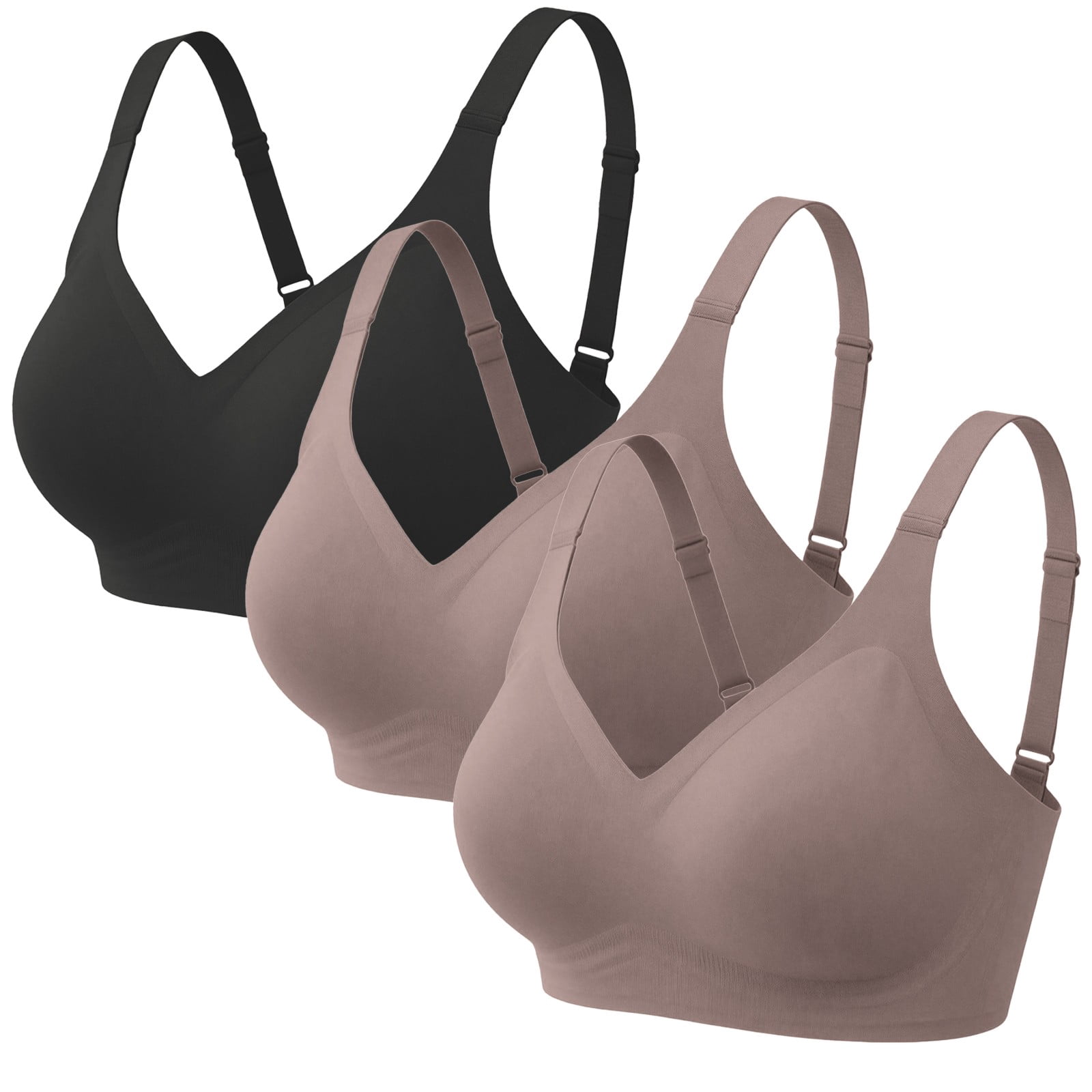
Comprehensive Guide to Jelly Bras for Women: Support Without the Wire
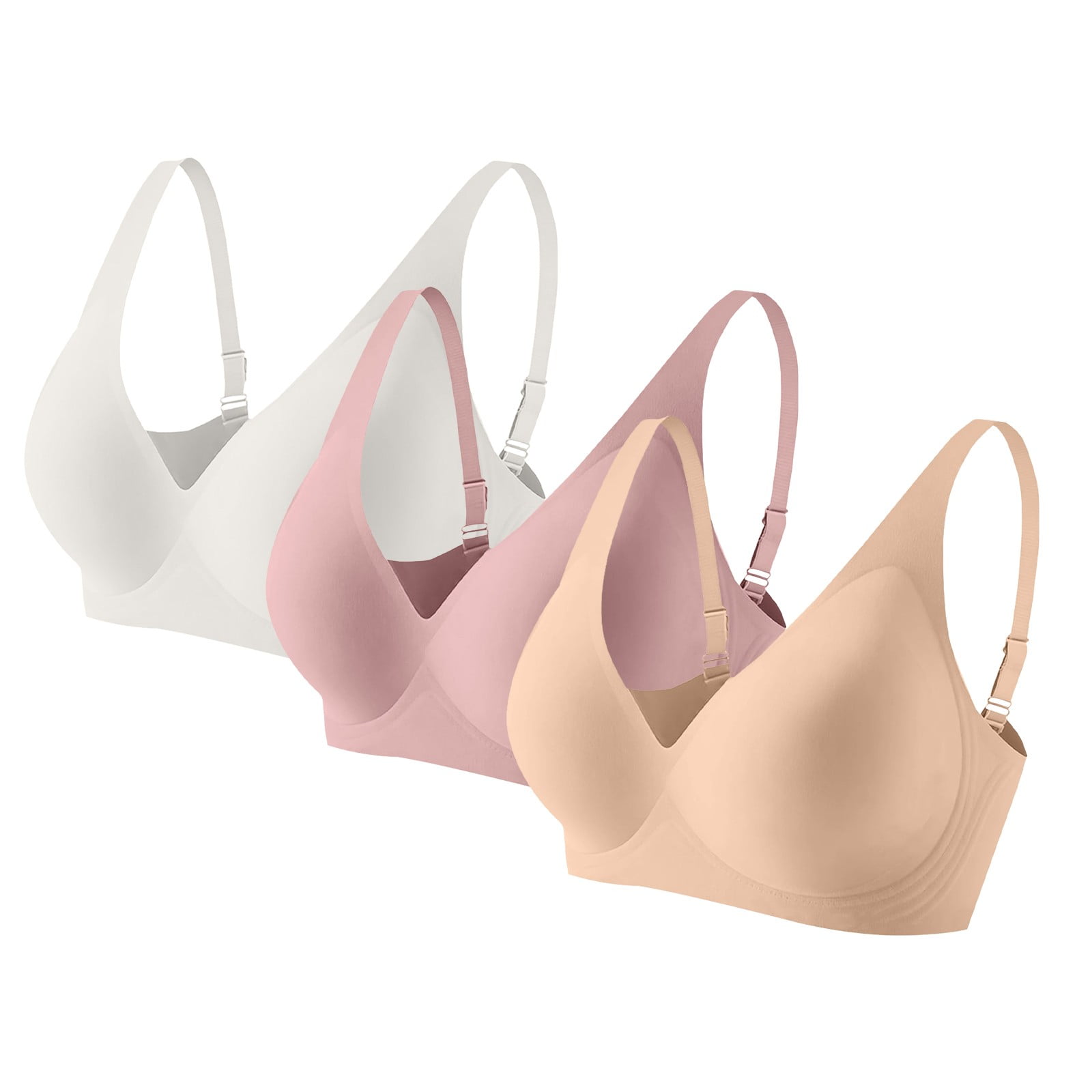
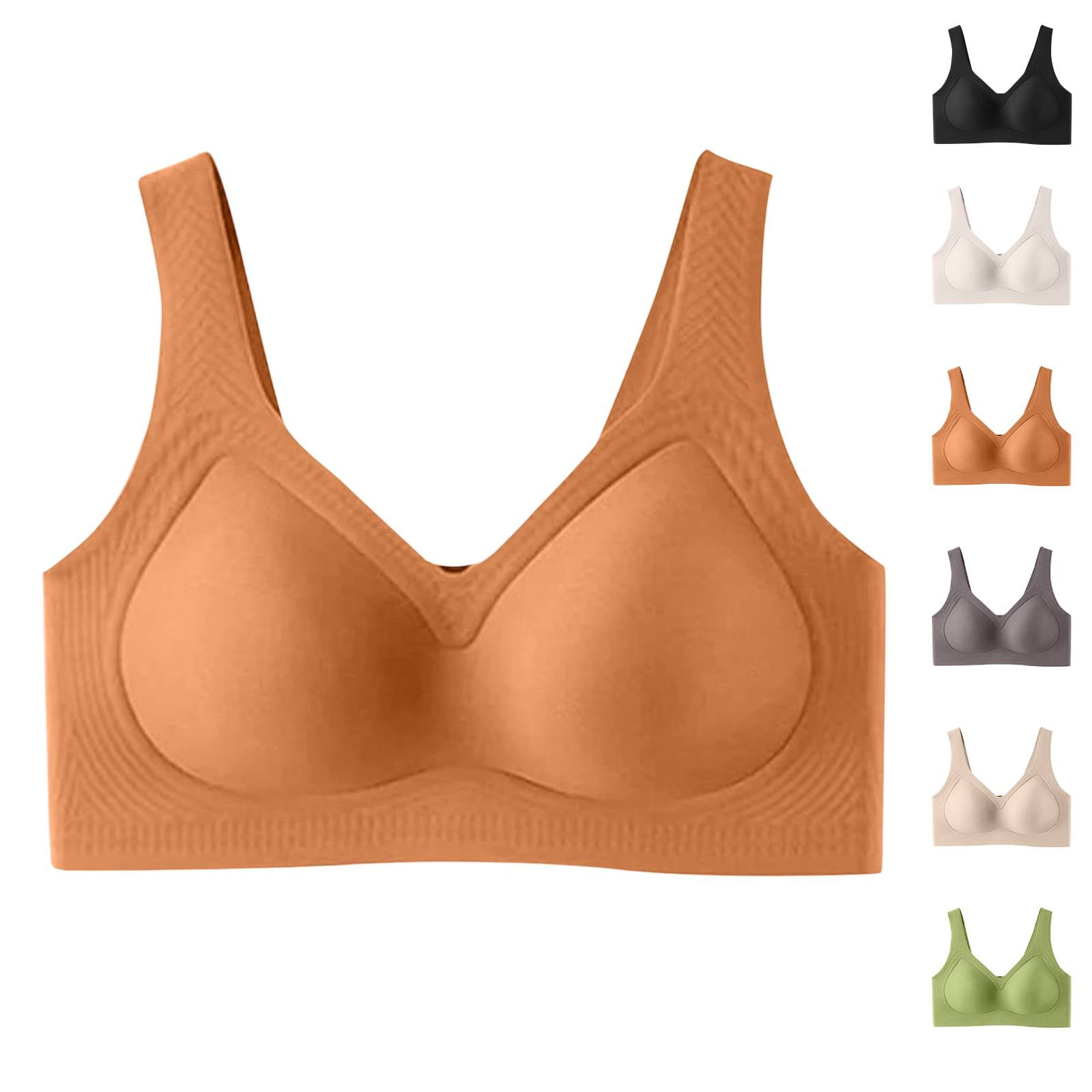
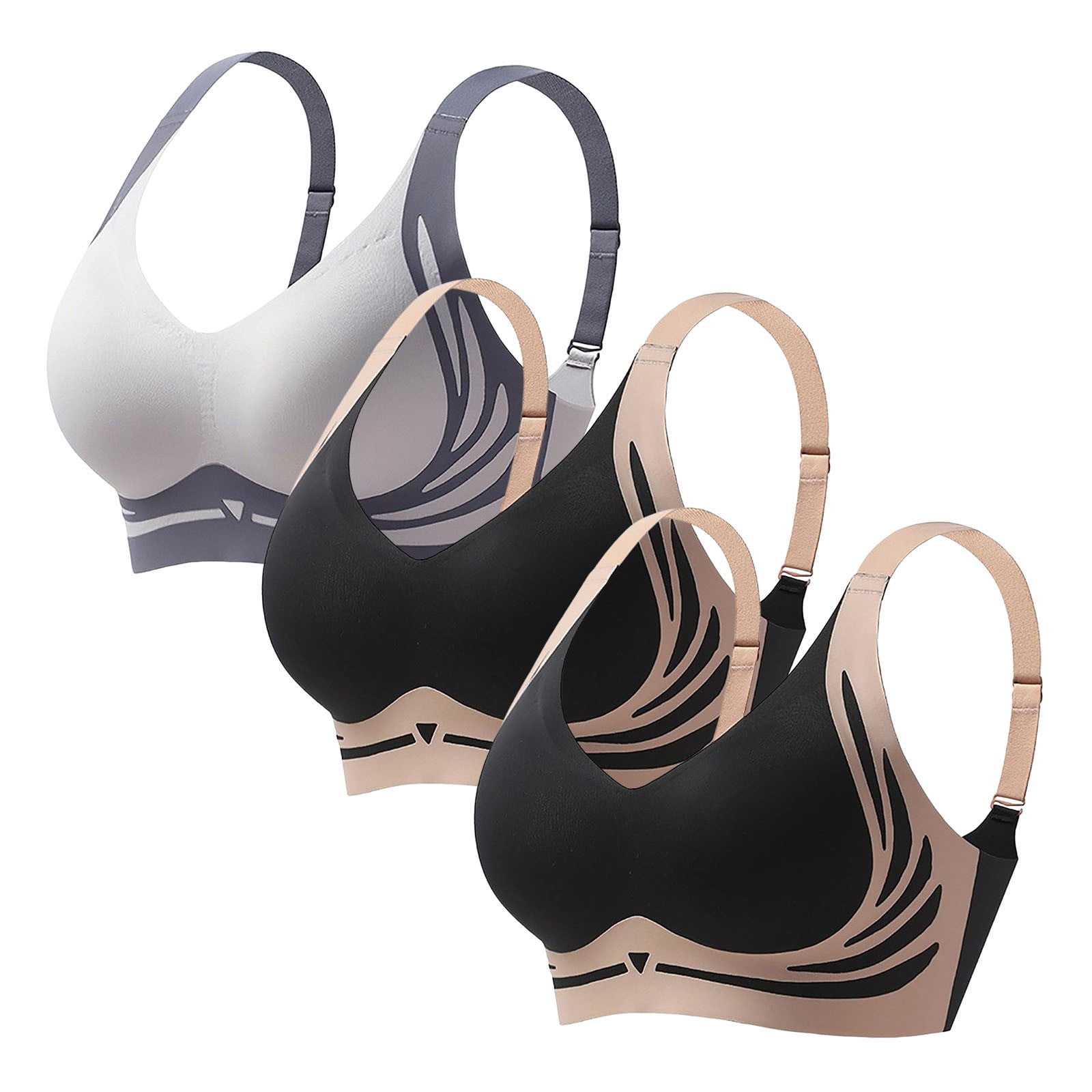
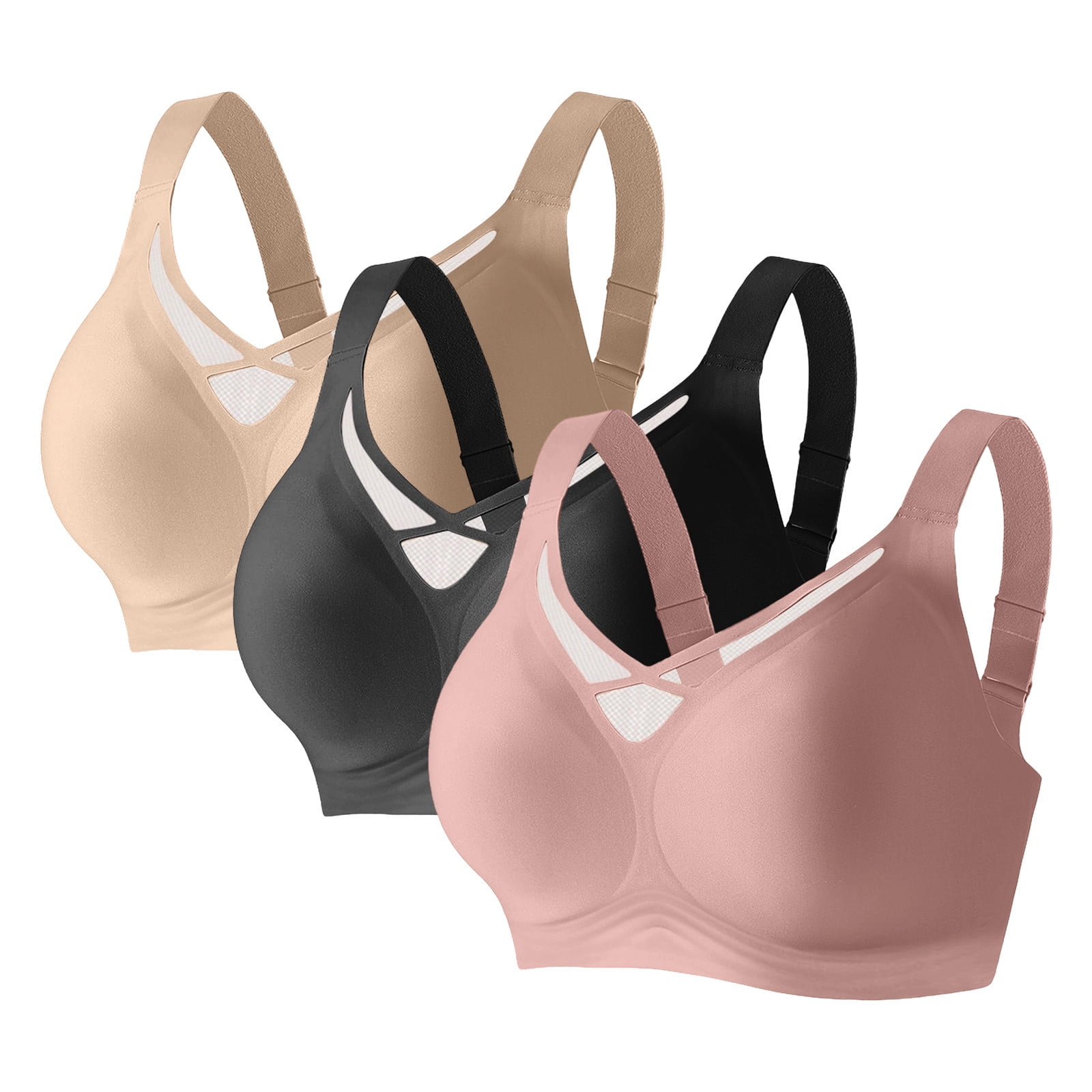
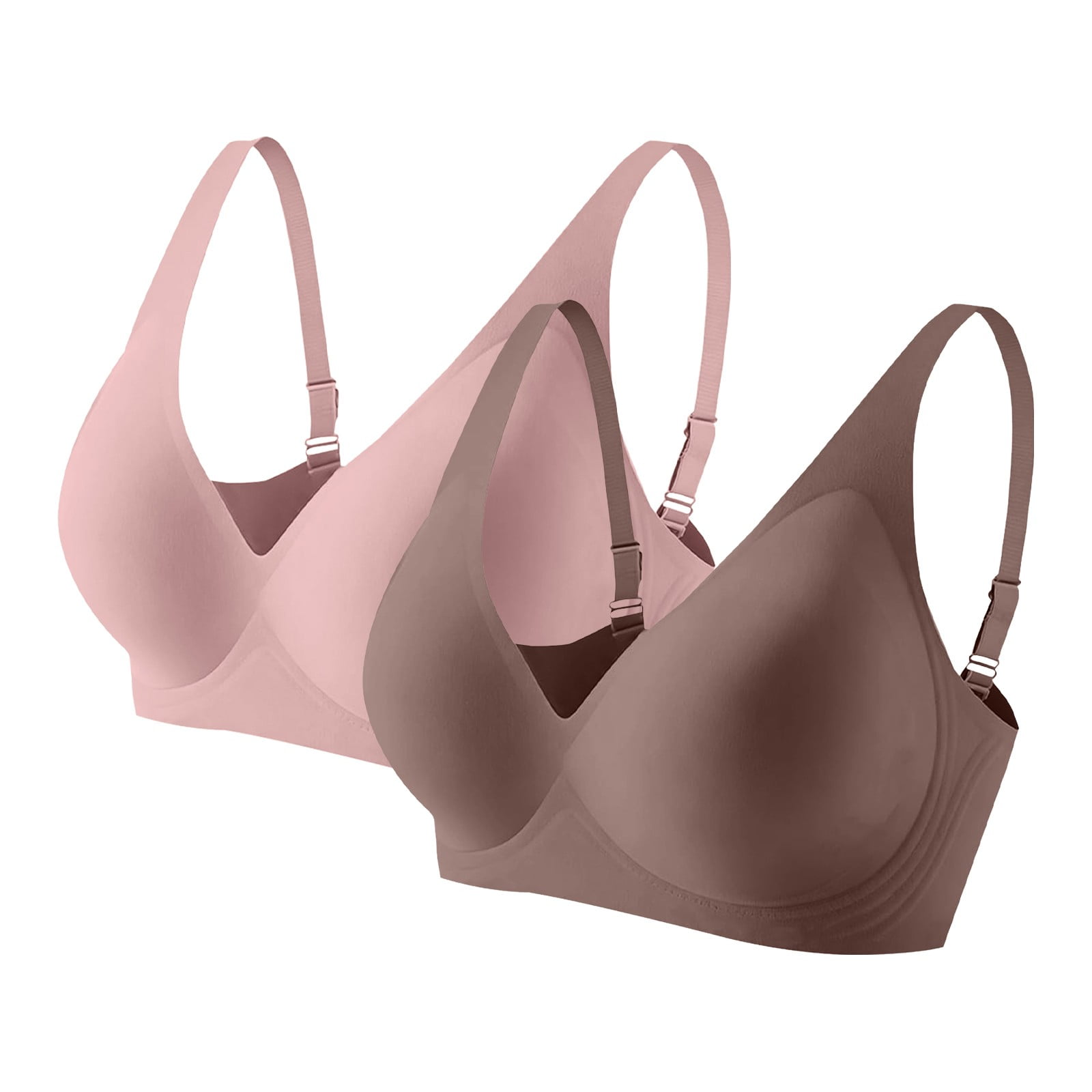
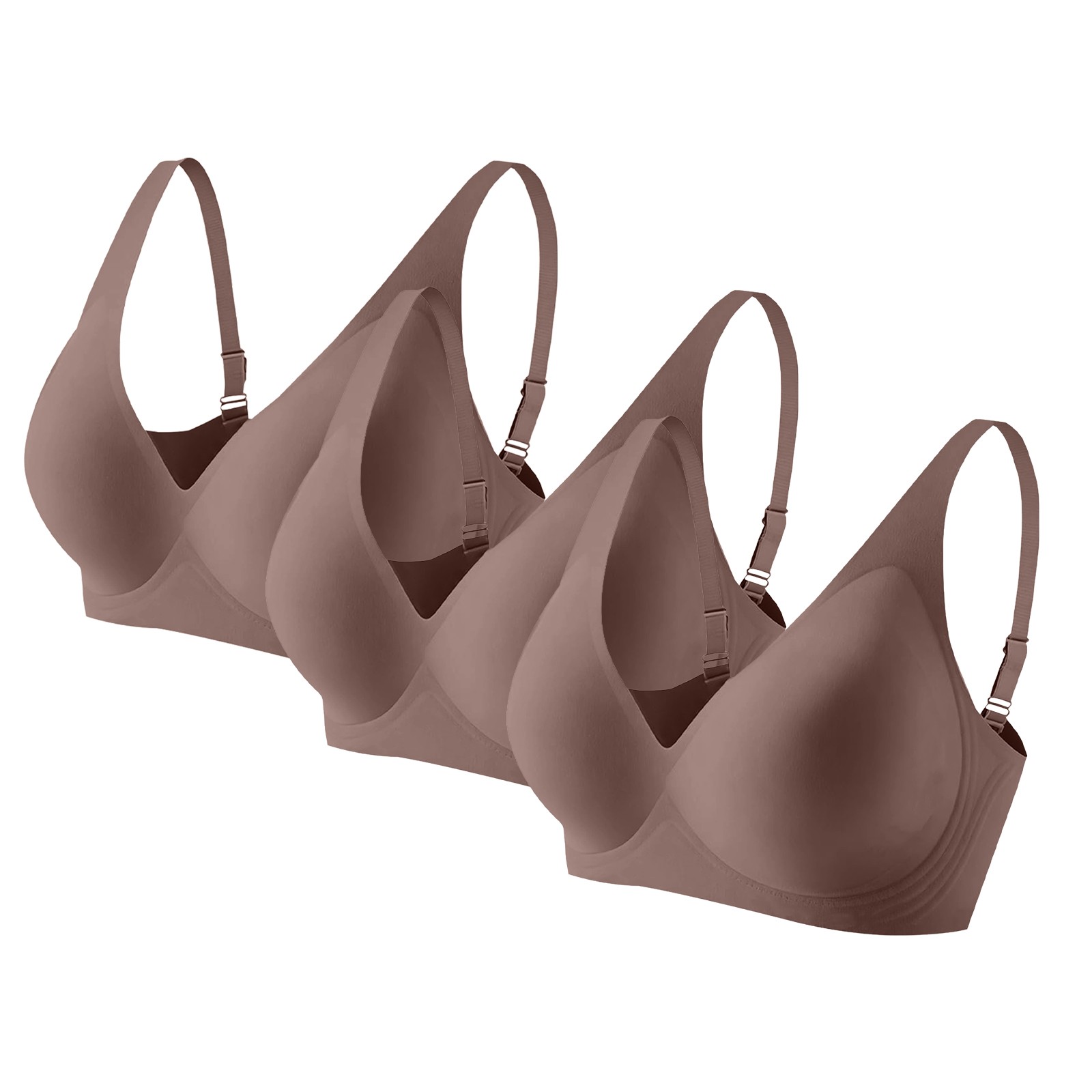
Jelly bras are a category of seamless lingerie that replaces traditional metal underwires with soft, flexible "jelly strips" made from liquid silicone or thermoplastic elastomers (TPE). These bras provide structural support and lift th...
Jelly bras are a category of seamless lingerie that replaces traditional metal underwires with soft, flexible "jelly strips" made from liquid silicone or thermoplastic elastomers (TPE). These bras provide structural support and lift through 3D-printed or heat-bonded technology, offering a "zero-feel" experience that combines the comfort of a bralette with the shaping power of a traditional bra.
Contents
The Evolution of Lingerie: Why "Jelly" is the New Standard
For decades, women had to choose between the rigid support of an underwire bra and the comfort of a wire-free bralette that often lacked shape. As of 2026, the industry has shifted decisively toward jelly bra technology. This innovation emerged from the demand for "loungewear-to-streetwear" versatility and advancements in textile engineering. Unlike foam-heavy push-up bras or sharp steel wires, jelly bras utilize high-rebound materials that move with the body rather than resisting it.
The term "jelly" refers to the tactile quality of the support structure. When you touch the inner lining of these bras, you feel a soft, gel-like ridge. This ridge is strategically positioned where a wire would usually sit, but it extends upward into the side wings and under the cups to distribute pressure more evenly across the ribcage. This prevents the "digging" sensation common with traditional bras and eliminates the risk of wires poking through the fabric after repeated washes.
The Technical Science Behind Jelly Support Technology
The core of a jelly bra is its material composition, typically a blend of high-gauge nylon and spandex (elastane) fused with liquid silicone rubber (LSR). Understanding how these components work together is essential for evaluating their performance.
Liquid Silicone Rubber (LSR) and 3D Printing
Most premium jelly bras in 2026 use 3D-printed liquid silicone. This allows manufacturers to vary the thickness of the support strips with millimeter precision. For instance, the "jelly" might be thicker at the base of the cup for lift and thinner at the sides for flexibility. Because LSR is biocompatible and hypoallergenic, it is less likely to cause the skin irritation or heat rashes often associated with synthetic elastics.
Heat-Bonding vs. Traditional Stitching
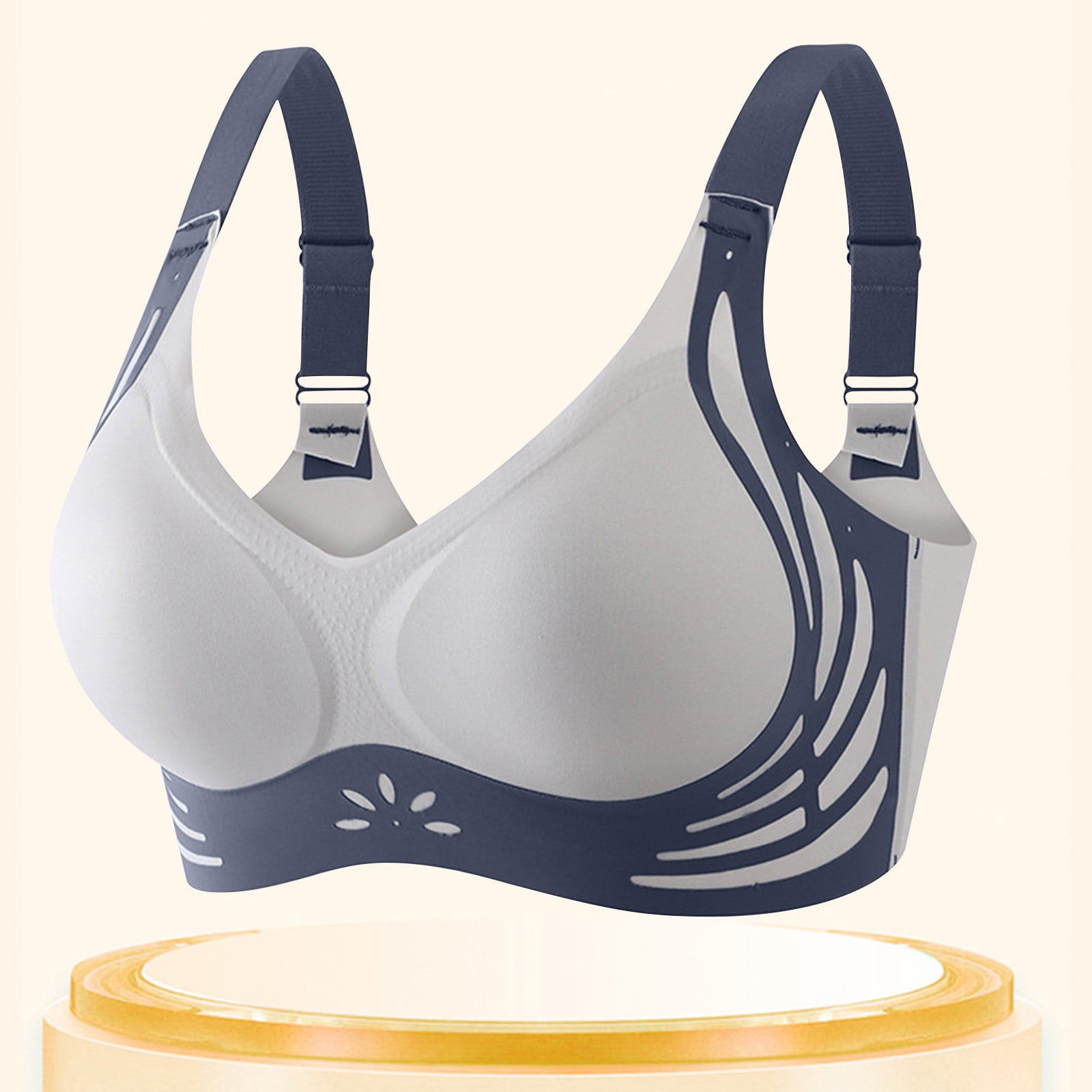
Jelly bras are almost exclusively seamless. Instead of using thread, which can cause friction and eventually fray, the fabric layers are joined using ultrasonic welding or heat-bonding. This creates a completely flat edge that remains invisible under tight-fitting clothing. The jelly strips are often sandwiched between layers of fabric, ensuring that only the softest microfiber touches the skin while the internal silicone "skeleton" maintains the bra's shape.
Thermal Adaptability
Modern jelly materials are engineered to be thermochromic or thermally adaptive. This means that as the bra warms to your body temperature, the silicone becomes slightly more pliable, molding to your unique anatomy. This "custom fit" is why many jelly bras are marketed as "one size" or "flexible sizing," as the material can stretch and recover across a wider range of measurements than rigid fabrics.
Comparing Support Systems: Jelly vs. Underwire vs. Bralettes
Choosing the right bra requires a balance of aesthetics and functionality. The following table compares jelly bras against traditional categories based on technical performance metrics as of 2026.
| Feature | Jelly Bra | Traditional Underwire | Standard Bralette |
|---|---|---|---|
| Primary Support | 3D Silicone Strips | Steel or Plastic Wire | Elastic Underband |
| Pressure Distribution | High (Evenly spread) | Low (Concentrated) | Medium |
| Invisibility | Excellent (Seamless) | Poor (Visible seams/wires) | Good (Soft edges) |
| Durability | High (No wires to break) | Medium (Wire poke-through) | High (Simple construction) |
| Lift & Shaping | Moderate to High | High | Low to Moderate |
| Skin Comfort | Hypoallergenic/Soft | Risk of chafing | High |
| Breathability | High (Laser-cut vents) | Medium | High |
Key Benefits of Jelly Bras for Daily Wear
1. Superior Comfort and "Zero-Feel" Experience
The primary driver for the adoption of jelly bras is the elimination of physical stress on the lymphatic system and ribcage. Traditional wires can restrict deep breathing and compress skin tissue. Jelly strips provide a "rebound" effect—they push back gently to provide lift but yield when you move, twist, or sit down.
2. Seamless Aesthetic Under Modern Fabrics
With the popularity of fine-knit silks and "second-skin" synthetic tops, even the smallest seam can disrupt a clean silhouette. Jelly bras use laser-cut edges and bonded hems, making them virtually undetectable under the thinnest white T-shirts or bodycon dresses.
3. Longevity and Structural Integrity
One of the most common failures in lingerie is the metal wire snapping or tearing through the channeling. Because the jelly support is integrated directly into the fabric's molecular structure, there are no moving parts to break. The silicone maintains its "memory" and elasticity significantly longer than traditional elastic bands, which tend to overstretch and lose tension within six months.
Selecting the Right Jelly Bra: Size and Fit Considerations
While many jelly bras are labeled as "Free Size" or "Alpha Sizing" (S, M, L, XL), finding the correct fit is still a technical process. Because the material is highly elastic, the way the bra fits in the first five minutes may change as it warms up.
- Cup Capacity: If you are a C-cup or larger, look for "reinforced" jelly bras. These models feature wider jelly strips and a higher side wing to prevent "spillage" and provide the necessary vertical lift.
- The Band Test: Even without a wire, the band provides 80% of the support. The jelly bra should fit snugly on the ribcage. If the back of the bra arches upward toward your shoulder blades, the size is too large, and the jelly strips will not be positioned correctly to support the breast tissue.
- The "Jelly" Placement: Ensure the silicone ridges sit exactly in the infra-mammary fold (where the breast meets the chest wall). If the jelly sits too low, it will cause sagging; if it sits too high, it will compress the tissue uncomfortably.
Care and Maintenance of Silicone-Based Lingerie
To preserve the technical properties of the liquid silicone strips, specific care is required. Heat is the primary enemy of silicone-fabric bonds.
- Avoid High Heat: Never put a jelly bra in a tumble dryer. High temperatures can cause the silicone to become brittle or cause the heat-bonded seams to delaminate.
- Hand Wash Preferred: Use cool water and a pH-neutral detergent. If you must use a machine, place the bra in a mesh laundry bag and use the "delicate" or "hand wash" cycle.
- Flat Drying: Lay the bra flat on a drying rack. Hanging it by the straps can cause the weight of the water to stretch the fabric, though jelly bras are more resistant to this than cotton-based underwear.
- Storage: Do not fold the cups into each other (inside out). Instead, stack them flat in a drawer to maintain the molded shape of the silicone strips.
Frequently Asked Questions
Do jelly bras provide enough support for large breasts?
Yes, but construction matters. For larger cup sizes (D to G), look for jelly bras with "multi-point" support systems where the silicone strips are layered or cross-hatched. While they may not provide the "extreme" lift of a balconette underwire, they offer sufficient support for daily activities without the discomfort of heavy-duty wires.
Can I wear a jelly bra for exercise?
Jelly bras are ideal for low-to-medium impact activities like yoga, pilates, or walking. However, for high-impact activities like running, a dedicated sports bra with encapsulation and compression is still recommended. The "jelly" technology is designed for comfort and natural movement rather than high-velocity bounce control.
Are jelly bras eco-friendly?
Many manufacturers are now using recycled nylon and eco-certified liquid silicone. Because they last longer than traditional bras (meaning fewer replacements), they contribute to a reduction in textile waste. Furthermore, the absence of metal components makes the eventual recycling process of the fabric more straightforward in specialized facilities.
Will the jelly strips melt or degrade in hot weather?
No. The liquid silicone used in lingerie is stable at temperatures far exceeding any natural climate. It will not melt against your skin or lose its shape in the sun. However, prolonged exposure to sweat and body oils can eventually affect the fabric's elasticity, so regular rinsing is recommended.
Are jelly bras suitable for post-surgery wear?
Many women find jelly bras to be an excellent option after breast surgery (with medical clearance) because they lack the harsh pressure points of wires. The seamless construction is also gentler on sensitive scar tissue. Always consult with a physician regarding specific compression requirements during recovery.
Recommended Next Actions
If you are transitioning from traditional underwires to jelly bras, start by purchasing one "hybrid" model that features a hook-and-eye closure rather than a pullover style. This allows you to adjust the band tension as you get used to the different support sensations. Once you have verified the comfort level over an 8-hour wear period, you can confidently invest in "free-size" or pullover versions for maximum comfort.
Image Gallery