10 Tips to Fix a P0171 Code on Your Toyota RAV4
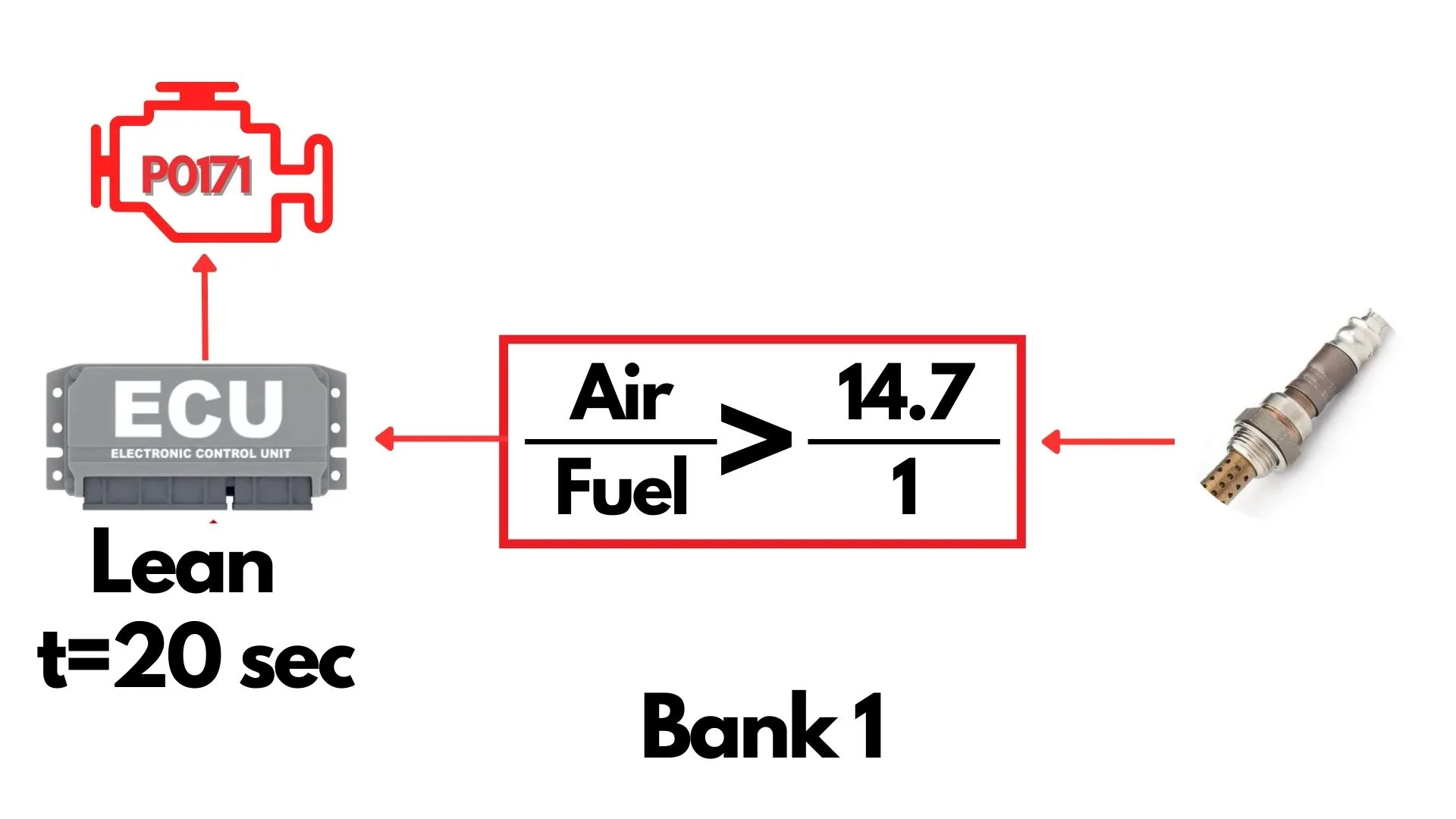
A P0171 diagnostic trouble code on your Toyota RAV4 indicates that the engine control module has detected an air-fuel mixture that is too lean in Bank 1, meaning there is too much oxygen and not enough fuel in the combustion chambers....
A P0171 diagnostic trouble code on your Toyota RAV4 indicates that the engine control module has detected an air-fuel mixture that is too lean in Bank 1, meaning there is too much oxygen and not enough fuel in the combustion chambers. Resolving this issue involves methodically checking the vehicle's intake, fuel delivery, and exhaust systems for leaks, blockages, or failing sensors.
Contents
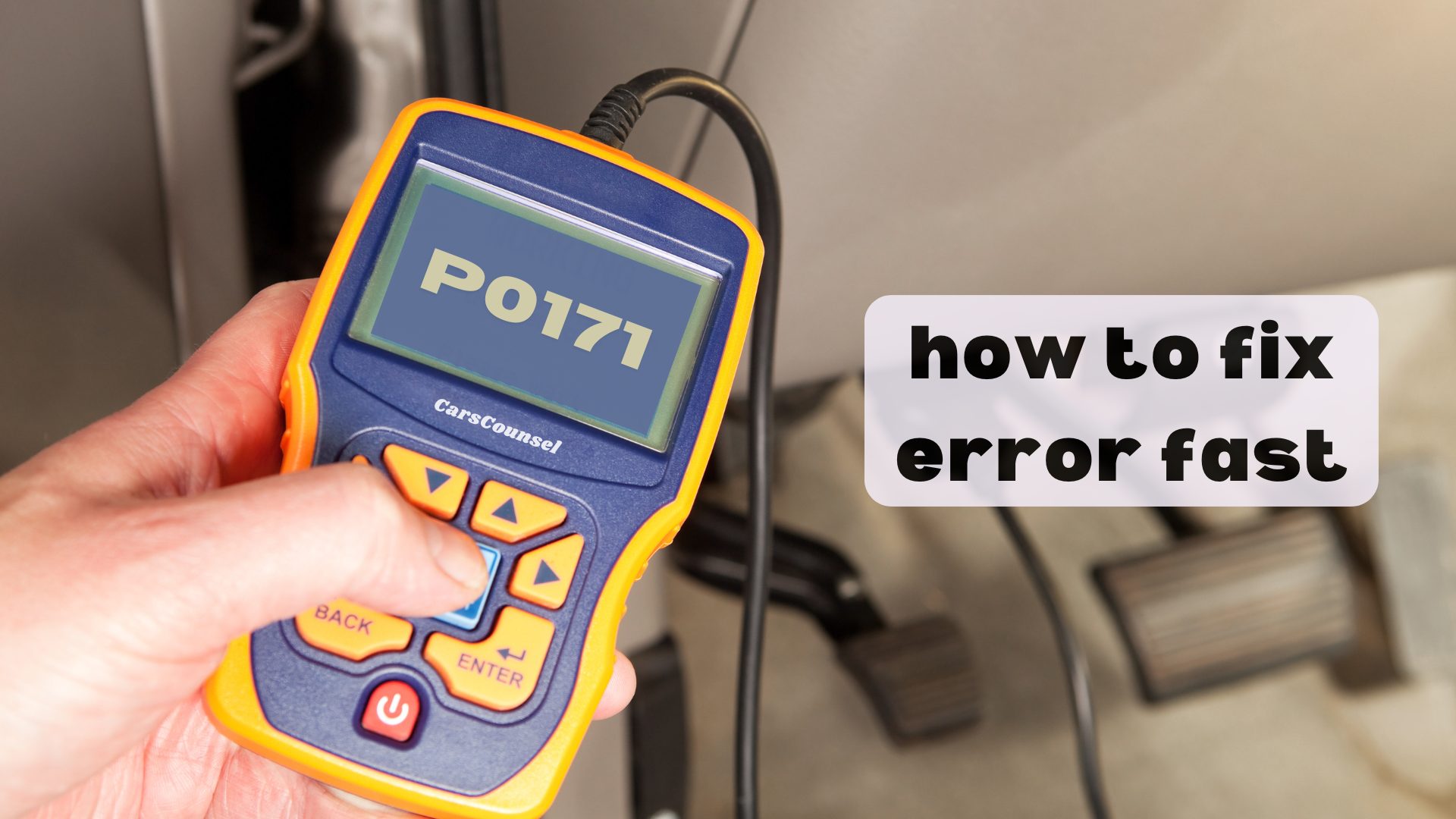
When your check engine light illuminates and an OBD-II scanner reveals a P0171 code, it can feel intimidating. For Toyota RAV4 owners, this generic powertrain fault is relatively common across various model generations, from older port-injected engines to modern direct-injection powerplants. A lean condition compromises fuel economy, causes rough idling, induces engine hesitation, and can ultimately lead to catalytic converter damage if left unaddressed. To successfully clear this diagnostic trouble code, you must understand how your RAV4 calculates air and fuel ratios, recognize the root causes of vacuum and fuel delivery failures, and apply a systematic troubleshooting workflow.
Understanding the P0171 Code on Toyota RAV4 Models
The powertrain control module (PCM) continuously monitors the air-fuel ratio using data from the air-fuel ratio sensor (or upstream oxygen sensor) and the mass air flow (MAF) sensor. An ideal stoichiometric ratio is 14.7 parts air to 1 part fuel by weight. When the P0171 code triggers, the short-term and long-term fuel trims have risen above normal thresholds—typically exceeding 10% to 20% positive adjustment—because the computer is aggressively adding fuel to compensate for unmetered air entering the engine or a shortage of fuel delivery.
On Toyota RAV4 vehicles, Bank 1 refers to the side of the engine containing cylinder number one. Because the RAV4 primarily utilizes inline-four engines (and select historical V6 configurations where Bank 1 is the rear cylinder bank), diagnosing Bank 1 encompasses the entire intake and exhaust stream for that specific cylinder grouping. Before jumping into component replacements, you must isolate whether the lean condition occurs at idle, under load, or throughout the entire RPM range.
1. Clean and Inspect the Mass Air Flow (MAF) Sensor
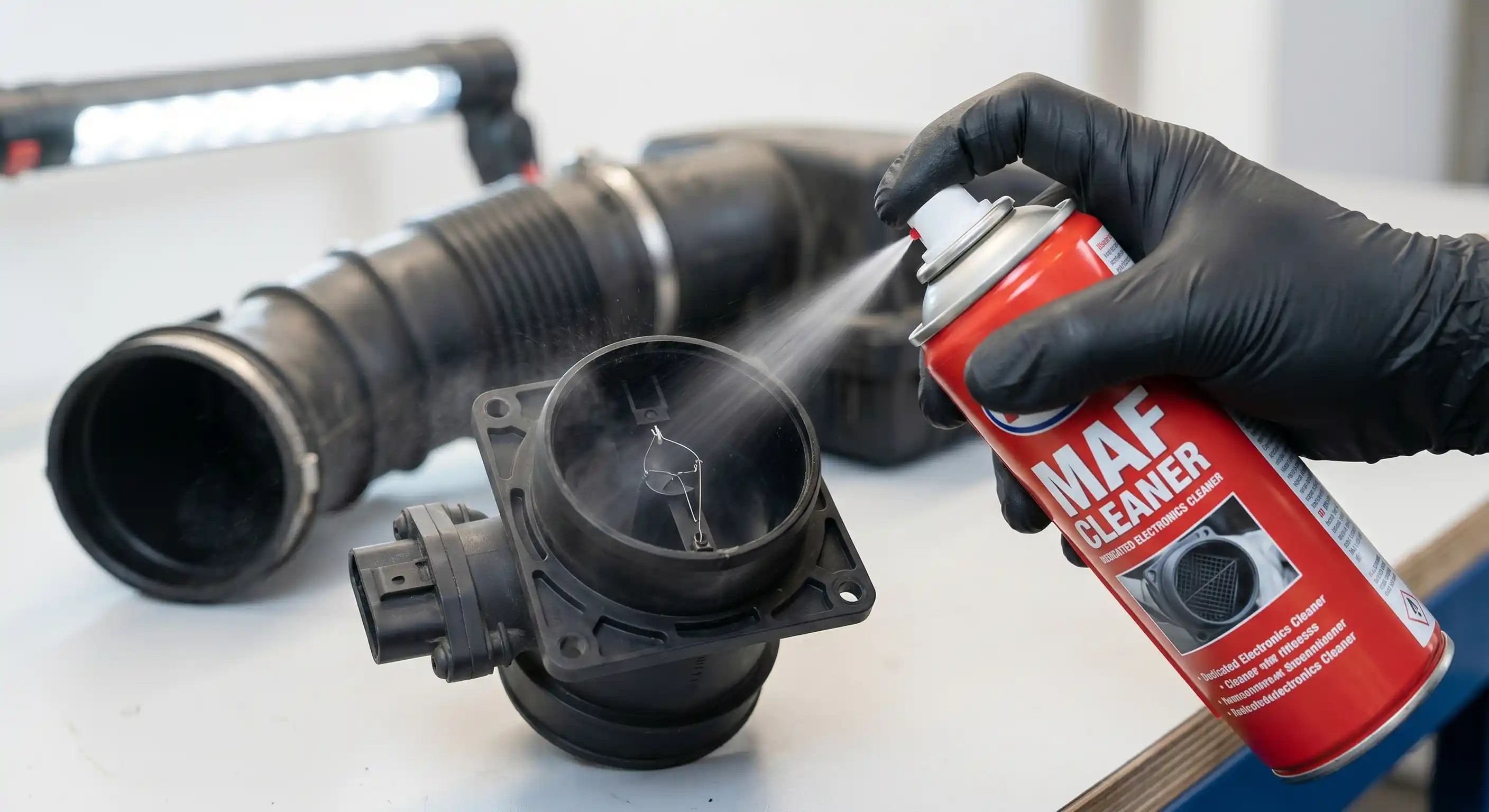
The MAF sensor measures the volume and density of air entering the engine. Over time, microscopic dust particles, oil from aftermarket cotton air filters, and crankcase vapors coat the delicate platinum sensing wires inside the MAF housing. When these wires become contaminated, the sensor underreports incoming airflow, causing the PCM to inject insufficient fuel and triggering a P0171 code.
To service the MAF sensor, locate it on the air intake ducting between the air filter box and the throttle body. Disconnect the electrical wiring harness and remove the two small screws securing the sensor to the housing. Carefully pull the sensor straight out, taking care not to touch the internal thermistor or wires. Spray the sensing elements liberally with dedicated MAF sensor cleaner—never use brake cleaner or carburetor cleaner, as these harsh solvents can ruin the plastic housing and delicate electrical coatings. Allow the sensor to air dry completely for at least ten minutes before reinstalling it with a secure electrical connection.
2. Locate and Repair Vacuum Leaks
Unmetered air is any air that enters the engine cylinders without passing through the MAF sensor. On a Toyota RAV4, the rubber hoses and plastic intake boots degrade, crack, or disconnect over years of thermal cycling under the hood. A single split vacuum line can disrupt the entire engine vacuum balance, pulling unmeasured air past the throttle plate and causing a persistent lean code.
Begin your inspection by visually tracing every rubber vacuum hose connected to the intake manifold, PCV (Positive Crankcase Ventilation) valve, fuel pressure regulator, and EVAP purge solenoid. Look for dry rot, splits, or loose connections. A classic diagnostic method involves spraying a small amount of brake cleaner or unlit propane around suspected vacuum lines and intake gasket mating surfaces while the engine idles. If the engine idle speed suddenly changes or smooths out, you have pinpointed the exact location where the spray was ingested through a leak.
3. Test and Replace a Faulty PCV Valve and Hose
The PCV system routes unburned blow-by gases from the crankcase back into the intake manifold to be burned during combustion. On many Toyota RAV4 engines, the PCV valve is a mechanical check valve threaded or grommet-mounted into the valve cover, connected to the intake manifold via a heavy rubber hose.
When a PCV valve fails, it can stick open, creating a massive internal vacuum leak that directly causes a P0171 code. Additionally, the rubber hose connecting the PCV valve to the intake often softens, collapses, or develops a tear near the connection points due to oil exposure and engine heat. Remove the PCV valve, shake it, and listen for a distinct rattling sound indicating that the internal plunger moves freely. If it fails to rattle, is clogged with carbon, or if the rubber hose is spongy and cracked, replace both the valve and the hose immediately with OEM or high-grade aftermarket replacements.
4. Inspect the Air Intake Boot and Filter Box
The large rubber accordion hose—known as the air intake boot—connecting the air filter box to the throttle body is prone to dry rotting and tearing on high-mileage Toyota RAV4 models. Because this boot flexes every time the engine rocks on its mounts under acceleration, small cracks hidden within the folds of the accordion can open up and admit unmetered air directly into the throttle body.
Carefully flex the rubber intake boot with your hands while shining a flashlight into the creases. Look for fine splits, hairline cracks, or loose hose clamps at both ends. Furthermore, ensure that your air filter box is closed properly and that the latches are secure. An improperly sealed air filter box or a warped aftermarket air filter element can allow unfiltered air to bypass the MAF sensor entirely, misleading the computer and setting a P0171 trouble code.
5. Check Fuel Pressure and Test the Fuel Pump
While vacuum leaks are the most frequent cause of a lean code, fuel delivery issues can equally starve the engine of gasoline, resulting in an identical P0171 symptom. If your fuel pump is weak, the fuel filter is clogged, or the fuel pressure regulator is failing, the fuel injectors will not deliver enough fuel under pressure, regardless of how accurately the computer calculates the injection pulse width.
To diagnose this properly, attach a fuel pressure gauge to the service port on your RAV4's fuel rail (if equipped with a test port) or measure fuel system pressure according to factory service manual specifications. Compare your readings against the target operating pressure for your specific model year. A drop in pressure during acceleration or a low resting pressure indicates a restricted fuel filter, a failing fuel pump, or a weak fuel pressure regulator that requires replacement to restore proper atomization.
6. Diagnose and Clean Fuel Injectors
Over time, fuel injectors can become partially clogged with varnish and carbon deposits, restricting the spray pattern and volume of fuel delivered to individual cylinders. If one or more injectors on Bank 1 are fouled, those cylinders will run lean, dragging down the average air-fuel ratio and tripping the P0171 fault code.
You can perform a preliminary check by listening to each injector's ticking sound using a mechanic's stethoscope or a long screwdriver pressed against your ear. A dead or silent injector indicates an electrical or internal mechanical failure. For partially clogged injectors, running a professional fuel injector cleaning service through a pressurized rail machine or removing the injectors for ultrasonic cleaning and flow testing on a bench test rig will often restore proper fuel delivery and eliminate the lean fault.
7. Inspect Exhaust Leaks Upstream of the Oxygen Sensor
An exhaust leak located between the engine cylinder head and the upstream air-fuel ratio or oxygen sensor can trick the engine computer into logging a P0171 code. When exhaust gases rush past a cracked exhaust manifold, a blown gasket, or a loose flange bolt, the pulsating flow creates a low-pressure zone that draws ambient air from outside the exhaust pipe inward toward the sensor.
The upstream oxygen sensor detects this extra oxygen and mistakenly reports to the PCM that the engine is running lean. To find these leaks, inspect the exhaust manifold for black soot marks, check the donut gaskets at the exhaust pipe flanges, and look for hairline cracks in the cast iron manifold or welded seams of the exhaust header. Repairing the exhaust leak seals the path and restores accurate oxygen readings.
8. Test the Air-Fuel Ratio Sensor or Oxygen Sensor
Sensors degrade over time due to thermal shock, silicon contamination, and internal aging. If the upstream air-fuel ratio sensor or oxygen sensor on Bank 1 becomes sluggish or biased, it will send incorrect voltage signals to the PCM, falsely indicating a lean condition even when the actual air-fuel mixture is normal.
Using an OBD-II scan tool capable of viewing live data, monitor the voltage output or equivalence ratio of the upstream sensor while the engine is running at operating temperature. A healthy upstream sensor should rapidly oscillate back and forth across the stoichiometric threshold. If the sensor output remains flat, responds sluggishly to throttle blips, or stays pegged at a voltage indicating a lean state despite corrective fuel trim adjustments, the sensor has likely degraded and must be replaced.
9. Check Intake Manifold Gaskets
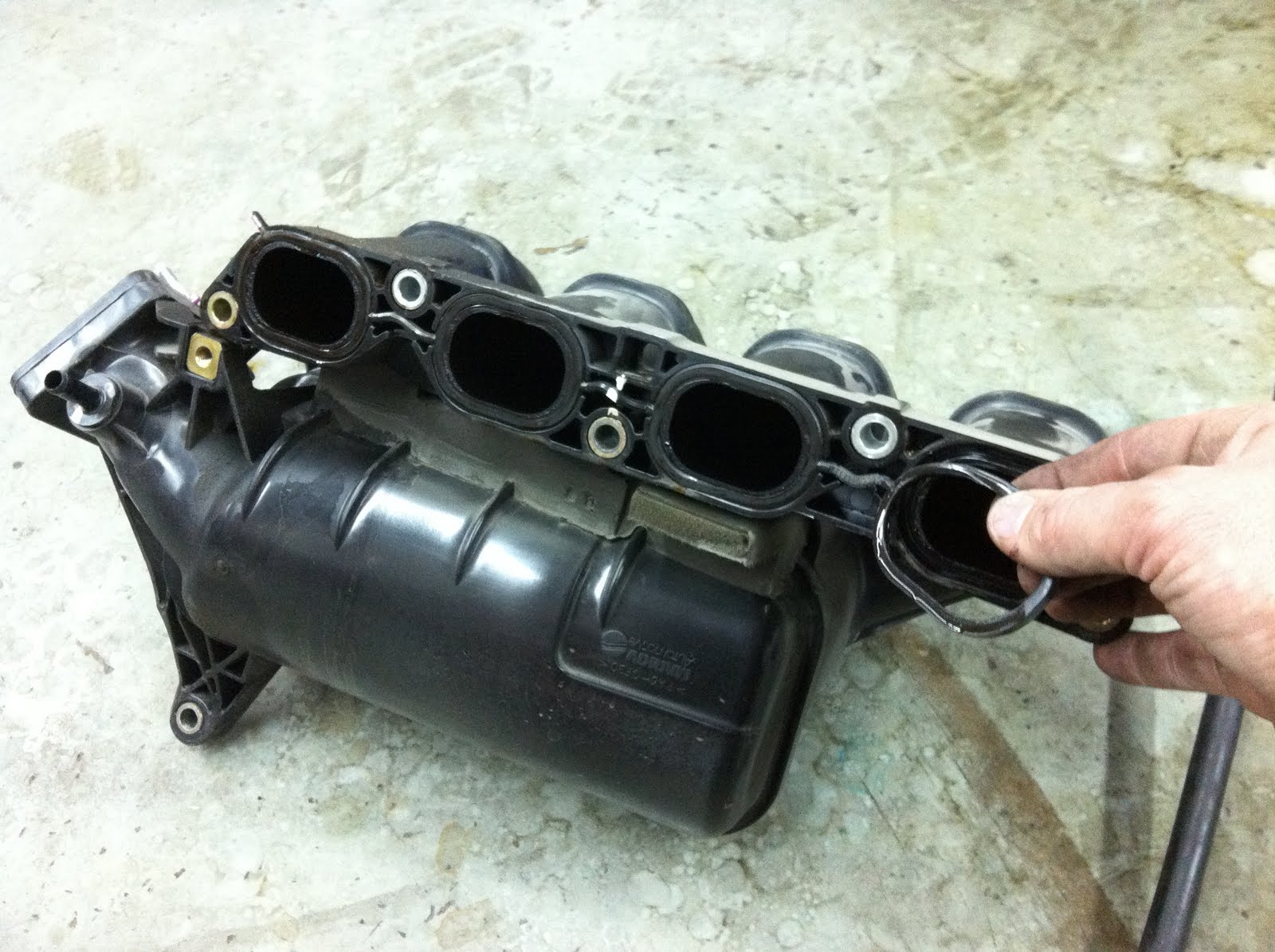
The intake manifold is bolted directly to the cylinder head with rubber or composite gaskets designed to seal the pressurized and vacuum-fed air channels. As these gaskets age, exposure to intense engine heat causes them to flatten, harden, and lose their sealing elasticity.
When intake manifold gaskets fail, they typically create localized vacuum leaks near specific cylinder ports on Bank 1. These leaks can be notoriously difficult to spot visually because the gaskets are hidden beneath the intake plenum. Utilizing the propane or brake cleaner spray test directly along the seam where the intake manifold meets the cylinder head is the most reliable way to confirm a failing gasket. Replacing the intake manifold gasket set resolves this hidden air leak.
10. Reset Fuel Trims and Perform a Drive Cycle Verification
After completing repairs, you must clear the diagnostic trouble codes using an OBD-II scanner and reset the engine computer's learned fuel trim memory. Simply clearing the code turns off the check engine light, but the long-term fuel trim values remain stored until the computer relearns operating parameters over a driving cycle.
Perform a verified drive cycle that includes idling in park, driving at steady highway speeds, and executing moderate accelerations. Monitor your short-term and long-term fuel trims with a live-data scanner. Both trim values should hover close to zero (ideally within plus or minus 5%). If the fuel trims remain near zero after completing the drive cycle, your P0171 fix is confirmed, and the code will not return.
| Component Checked | Common Failure Mode | Diagnostic Method | Estimated DIY Repair Cost |
|---|---|---|---|
| MAF Sensor | Contaminated sensing wires | Visual inspection & MAF cleaner | $10 – $15 |
| Vacuum Hoses | Dry rot, cracking, disconnection | Visual trace & spray test | $5 – $20 |
| PCV Valve & Hose | Stuck open valve or collapsed hose | Mechanical rattle test & visual check | $15 – $40 |
| Intake Boot | Cracks within accordion folds | Manual flexing & flashlight check | $30 – $90 |
| Fuel Pump / Filter | Weak pressure or flow restriction | Pressure gauge measurement | $100 – $400 |
Frequently Asked Questions
Can a dirty air filter cause a P0171 code on a Toyota RAV4?
A severely clogged or restricted air filter typically causes a rich condition (P0172) rather than a lean condition, because it restricts airflow into the engine. However, if an aftermarket oiled air filter was recently installed and excess oil coated the MAF sensor wires, that contamination will directly cause a P0171 lean code.
Is it safe to drive my Toyota RAV4 with a P0171 code?
Driving for short distances to reach a repair shop is generally acceptable, but driving long-term with a P0171 code is discouraged. Running a persistently lean air-fuel mixture increases combustion temperatures, which can cause engine pinging (detonation), exhaust valve damage, and eventual overheating or failure of the catalytic converter.
How do I know if my RAV4 has a vacuum leak or a fuel delivery problem?
Monitoring live fuel trim data via an OBD-II scanner provides the answer. If long-term fuel trims spike high at idle but drop back down toward normal levels at higher RPMs, the issue is almost certainly a vacuum leak. If fuel trims remain high or worsen under heavy engine load and acceleration, the problem points toward a fuel delivery restriction.
Will cleaning the MAF sensor permanently fix the code?
Cleaning the MAF sensor permanently resolves the issue if contamination was the sole root cause. However, if your RAV4 uses an aftermarket reusable cotton air filter that continues to shed excess filter oil, the MAF sensor will become contaminated again, causing the P0171 code to return after a few thousand miles.
Can a bad alternator or weak battery trigger P0171?
While less common, unstable system voltage can disrupt the reference voltage supplied to the ECM, fuel injectors, and sensors. If the alternator is failing and system voltage drops significantly, sensors may report inaccurate electrical signals, occasionally contributing to erroneous diagnostic trouble codes.
Conclusion and Next Actions
Fixing a P0171 code on your Toyota RAV4 requires a logical, step-by-step diagnostic approach rather than guessing and replacing expensive parts. Begin with the simplest and most cost-effective checks—inspecting your air intake boot, cleaning the MAF sensor, and checking all rubber vacuum lines for leaks. If basic maintenance does not resolve the lean condition, advance to testing fuel pressure, inspecting exhaust manifolds for leaks, and evaluating sensor health with live data scan tools. Addressing the root cause promptly protects your engine's internal components, restores optimal fuel economy, and ensures your RAV4 passes emissions testing.
Image Gallery