Why the Answer to Is Course Hero Safe Matters
Understanding whether Course Hero is safe matters because the platform sits at the intersection of technical security, financial commitment, and academic integrity. While the site is technically secure for data and payments, the safety...
Understanding whether Course Hero is safe matters because the platform sits at the intersection of technical security, financial commitment, and academic integrity. While the site is technically secure for data and payments, the safety of a user's academic career depends entirely on how they interact with the platform’s crowd-sourced study materials and tutoring services.
Contents
The Multidimensional Definition of Safety in 2026
When students or educators ask if a platform like Course Hero is "safe," they are rarely asking a single question. In the digital educational landscape of 2026, safety has bifurcated into two distinct categories: technical-financial safety and academic-professional safety. The answer to whether Course Hero is safe matters because a mistake in the former leads to a lost deposit or a compromised password, while a mistake in the latter can result in expulsion, the revocation of a degree, or a tarnished professional reputation.
Course Hero functions as a massive repository of user-generated content, including class notes, exam keys, and essays. As of 2026, the platform has further integrated AI-driven study aids and 24/7 tutoring. Because the platform facilitates the sharing of proprietary educational content, the "safety" of using it is not a binary "yes" or "no" but a spectrum of risk management. Understanding this nuance is essential for anyone looking to supplement their education without jeopardizing their future.
Technical and Financial Safety: Protecting the User Data
From a purely technical standpoint, Course Hero is as safe as any other major enterprise-level SaaS (Software as a Service) provider. The answer to this specific aspect of safety matters because users provide sensitive information, including credit card details, email addresses, and sometimes institutional affiliations.
Data Encryption and Privacy
Course Hero utilizes industry-standard encryption protocols (SSL/TLS) to protect data in transit. In 2026, with the heightened prevalence of sophisticated cyberattacks, the platform’s adherence to rigorous data protection standards is a prerequisite for its operation. For users, the safety of their personal identifiable information (PII) is generally high. However, the answer matters because users must be aware of how their data is shared with third-party processors. According to standard privacy disclosures, while Course Hero does not "sell" data in the traditional sense, it does use data for targeted advertising and platform optimization.
Subscription Transparency and "Dark Patterns"
The financial safety of Course Hero is another critical area where the answer carries weight. Many users have historically reported difficulty with subscription cancellations or unexpected charges. In 2026, consumer protection agencies like the Federal Trade Commission (FTC) have increased scrutiny on "dark patterns"—user interface designs that make it intentionally difficult to opt-out of recurring payments. Understanding the safety of Course Hero's billing practices matters because it allows students on tight budgets to avoid recurring fees for services they no longer require. Always verify the current cancellation window and keep records of all transactions.
Academic Integrity: The High-Stakes Safety Concern
The most significant reason the answer to "is Course Hero safe" matters is the risk to a student’s academic standing. Educational institutions have grown increasingly sophisticated in their ability to track the origin of study materials.
The Conflict with University Honor Codes
Most universities have strict honor codes that prohibit the use of "unauthorized aids." The answer to whether Course Hero is safe matters because many professors and administrators view the platform as a tool for academic dishonesty rather than a legitimate study aid. If a student submits a solution found on Course Hero as their own work, they are committing plagiarism.
By 2026, universities often use advanced AI-detection and plagiarism-checking tools that index repositories like Course Hero. If a student's essay or problem set matches a document uploaded to the platform, the safety of their academic record is immediately compromised. The consequences—ranging from a failing grade to permanent expulsion—are far more severe than a technical data breach.
The Risk of Uploading Materials
Safety also extends to what a student contributes to the platform. To gain "unlocked" access to documents, Course Hero often encourages users to upload their own study materials. The answer to whether this is safe matters because students often unknowingly violate their university’s intellectual property policies or copyright laws by uploading a professor’s lecture slides, exam questions, or syllabus. Professors own the copyright to their creative works, and uploading them to a third-party site without permission is a legal and disciplinary violation.
Legal Implications and Intellectual Property
The legal safety of Course Hero is a concern for both the platform and its users. The answer matters because it involves the Digital Millennium Copyright Act (DMCA). Course Hero operates under "Safe Harbor" provisions, meaning they are generally not liable for copyright infringement committed by their users, provided they have a mechanism to remove infringing content upon request.
For Students
Students who upload copyrighted material risk having their accounts banned or, in rare cases, facing legal action from textbook publishers or universities. The answer to the safety question here matters because it forces a realization: the platform protects itself via the DMCA, but it does not necessarily protect the user who uploaded the infringing file.
For Educators
For educators, the safety of their intellectual property is at risk. The answer to "is Course Hero safe" matters to faculty because it dictates how much effort they must spend on "copyright policing." Many educators now routinely search Course Hero for their own exams and use the DMCA takedown process to remove them.
Content Reliability: Is the Information "Safe" to Learn?
Safety also pertains to the accuracy of the information provided. Unlike a textbook, which undergoes rigorous peer review and editing, Course Hero content is largely user-generated.
The answer to this matters because learning from incorrect materials can lead to failing exams. A "safe" platform should provide high-quality, accurate information. On Course Hero, a practice exam or a set of notes is only as good as the student who created them. In 2026, while Course Hero uses AI to flag low-quality content, the burden of verification remains with the user. Relying on a "verified" tutor or a highly-rated document provides some level of safety, but it is never a guarantee of accuracy.
Comparing Safety Across Major Platforms
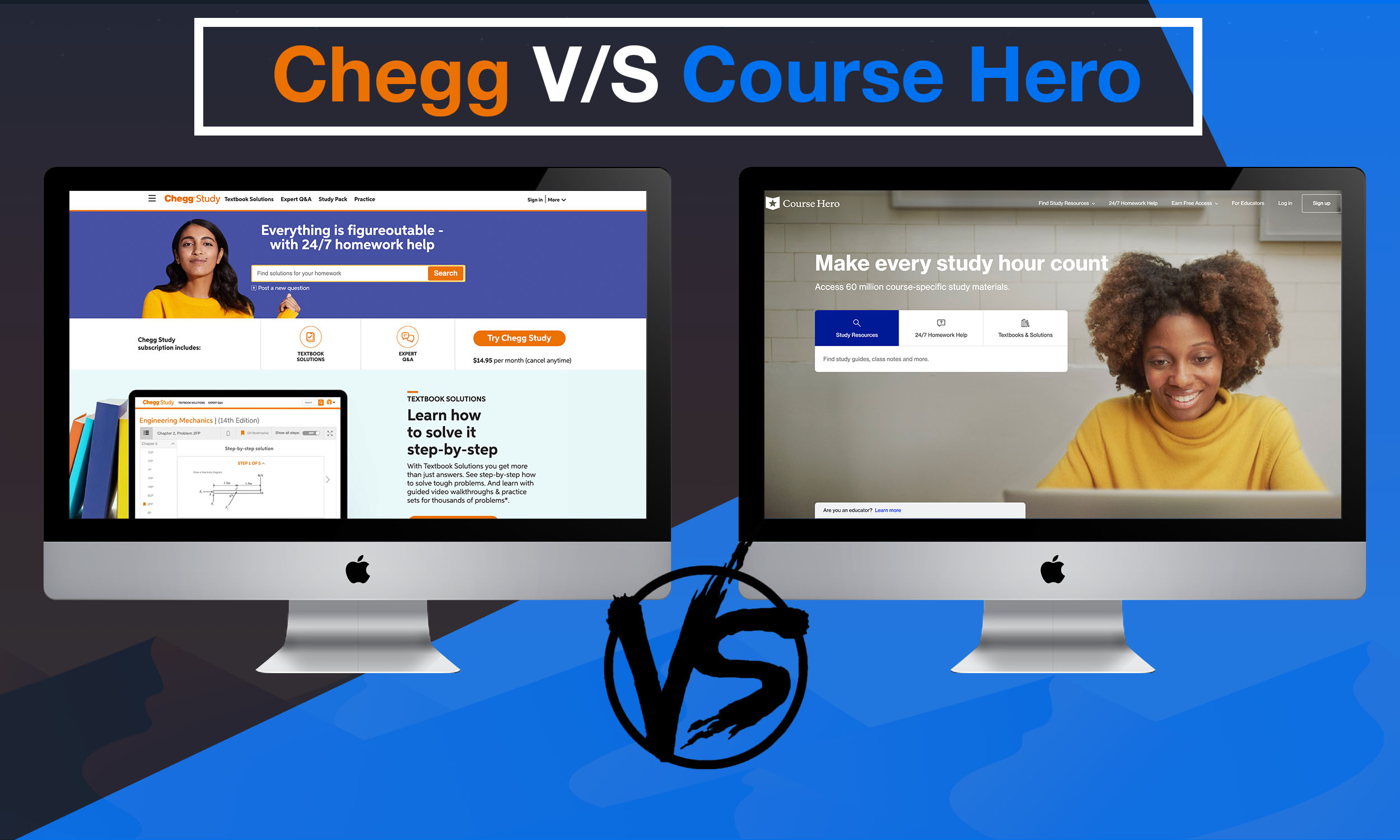
To better understand where Course Hero stands, it is helpful to compare its safety features with other prominent educational tools available in 2026.
| Safety Feature | Course Hero | Chegg | Quizlet |
|---|---|---|---|
| Data Encryption | Industry Standard (AES-256) | Industry Standard | Industry Standard |
| Financial Transparency | Moderate (Subscription-based) | Moderate (Subscription-based) | High (Freemium focus) |
| Plagiarism Risk | High (Full documents/essays) | High (Q&A/Solution Manuals) | Low (Flashcards/Terms) |
| Copyright Policy | DMCA Compliant | DMCA Compliant | DMCA Compliant |
| Content Verification | Community Rated / AI Triage | Expert Verified (for some) | Community Rated |
| Tutor Verification | Degree/ID Verification Required | Degree/ID Verification Required | N/A |
Practical Steps to Use Course Hero Safely
Because the answer to "is Course Hero safe" is "it depends on your actions," users should follow specific protocols to mitigate risk. Understanding these steps matters because it allows for the benefits of the platform (like diverse perspectives on a difficult topic) without the drawbacks of academic misconduct.
- Treat it as a Reference, Not a Source: Never copy text directly from Course Hero into an assignment. Use it to understand a concept, then close the tab and write your own work.
- Verify Institutional Policy: Before signing up, read your university's Student Handbook. If the handbook specifically names "file-sharing sites" as a violation, using the site is inherently unsafe for your academic career.
- Check for Copyright Ownership: Only upload documents that you have created entirely by yourself (e.g., your own handwritten notes). Never upload files provided by your professor or your school.
- Use Unique Passwords: As with any site containing financial data, use a unique, strong password and enable Two-Factor Authentication (2FA) if available. This ensures technical safety regardless of platform-wide breaches.
- Audit Your Subscriptions: Set a calendar reminder to review your subscription status. Financial "safety" is maintained through active management of your account settings.
Frequently Asked Questions
Can my professor see if I use Course Hero?
Professors cannot see who browses Course Hero unless the user uploads a document that includes their real name or institutional email. However, if a student submits work that matches a document on the platform, plagiarism detection software used by the university will flag it. The answer matters because many students believe anonymity protects them from academic integrity violations, which is not always true.
Is Course Hero a scam?
No, Course Hero is a legitimate California-based company. It provides the services it advertises, such as document access and tutoring. However, the "scam" perception often arises from billing disputes or users who fail to read the terms of service regarding recurring payments. Technical safety is confirmed, but financial diligence is required.
Is it illegal to use Course Hero?
Using Course Hero is not illegal under criminal law. However, it may violate civil copyright laws if a user uploads material they do not own. Furthermore, it often violates the "contract" between a student and their university (the Honor Code). Legal safety is generally high for consumers, but disciplinary risk is a separate matter.
How does Course Hero handle data breaches?
Like most major tech companies in 2026, Course Hero is required by laws such as the CCPA (California Consumer Privacy Act) to notify users of any unauthorized access to their personal data. Their technical safety infrastructure includes 24/7 monitoring and incident response teams.
Can I get a refund if I find incorrect information?
Course Hero's refund policy is generally strict and focused on technical issues rather than content quality. Because content is user-generated, they do not usually guarantee its accuracy. This is why the answer to the safety question matters—users must be critical of the information they consume.
Final Recommendation for Students and Educators
The answer to "is Course Hero safe" matters because it defines the boundary between academic support and academic risk. In 2026, Course Hero is technically safe for your data and a legitimate business for your transactions. However, it is "unsafe" as a shortcut for genuine learning.
To maximize the platform's value safely, users should treat it as a supplemental digital library. Use it to find different explanations for complex theories, but never as a source of "ready-made" answers. For educators, the best approach to safety is proactive: clearly define in your syllabus what constitutes unauthorized aid and utilize DMCA takedown requests if your proprietary materials appear on the site. By understanding these boundaries, both students and teachers can navigate the digital classroom without compromising their integrity or their security.
Image Gallery