Understanding the Definition of Boiler for Your Home
A home boiler is a closed pressure vessel that heats water or generates steam, which is then circulated through a network of pipes and radiators or radiant floor tubes to warm an entire residential property. Unlike forced-air furnaces...
A home boiler is a closed pressure vessel that heats water or generates steam, which is then circulated through a network of pipes and radiators or radiant floor tubes to warm an entire residential property. Unlike forced-air furnaces that blow hot air through ducts, boilers rely on hydronic heating to deliver steady, ambient warmth.
Contents
Evaluating a home heating system requires clear terminology, a grasp of operational mechanics, and an understanding of how these units fit into modern residential infrastructure. Whether you are replacing an aging furnace, planning a major home renovation, or buying a new property, understanding the definition of a boiler for your home helps clarify long-term comfort, energy efficiency, and maintenance requirements.
What is a Residential Boiler? Core Definition and Purpose
At its foundational engineering level, a residential boiler is an appliance designed to transfer thermal energy from a fuel source to water. The fuel source is typically natural gas, heating oil, propane, or electricity. Once the water is heated to the desired temperature, a circulator pump pushes it through a closed-loop piping system throughout the house.
The primary purpose of a boiler is to provide consistent space heating and, in many modern setups, domestic hot water. Because water has a high specific heat capacity—meaning it can absorb and retain a significant amount of thermal energy—hydronic systems can maintain stable indoor temperatures more evenly than forced-air systems. Air currents and drafts are minimized, reducing the circulation of dust, allergens, and pet dander through the living space.
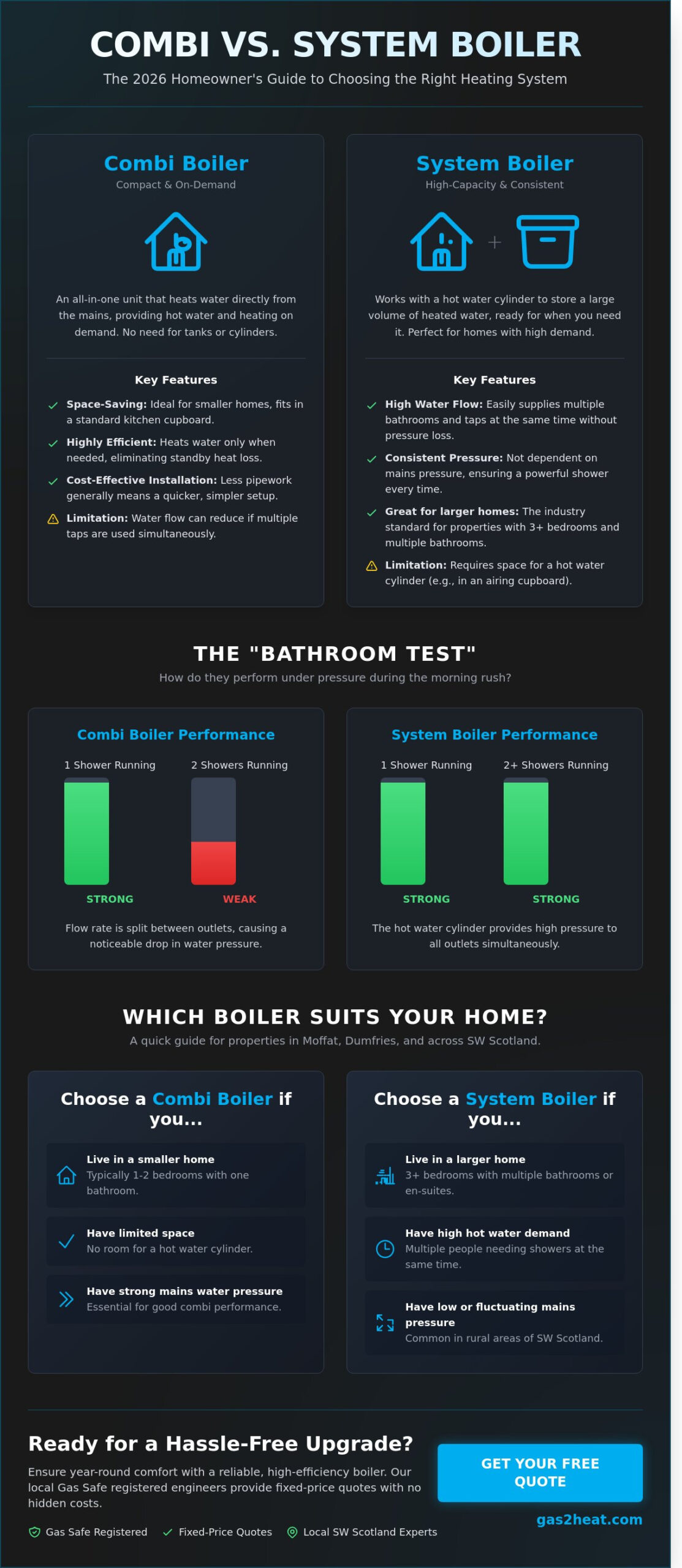
It is helpful to distinguish a boiler from a standard water heater. While a water heater stores and heats water for domestic use (showers, sinks, appliances) on demand or in a storage tank, a boiler is specifically engineered to heat water for structural climate control. However, "combi" (combination) boilers integrate both functions, providing domestic hot water and space heating from a single compact unit.
How Boilers Work: The Hydronic Heating Cycle
To truly understand a home boiler, you must examine the mechanical cycle that turns cold water into comfortable indoor heat. The process is a continuous loop operating under controlled pressure.
- Fuel Combustion or Electric Activation: When the thermostat detects that the indoor temperature has dropped below the set point, it sends a signal to the boiler. The burner ignites gas or oil within a combustion chamber, or electric resistance elements activate.
- Heat Transfer: The thermal energy generated by the combustion process passes through a heat exchanger. The heat exchanger transfers this energy directly to the water flowing through the internal channels of the boiler without mixing the combustion gases with the circulating water.
- Circulation: Once the water reaches the target temperature (typically between 140°F and 180°F for modern systems), a motorized circulator pump pushes the hot water out of the boiler and through the supply pipes.
- Heat Emission: The hot water travels to terminal units located in various rooms. These units can be cast-iron radiators, baseboard convectors, or PEX tubing embedded beneath the flooring. As the heat radiates into the room, the water cools down.
- Return Flow: The cooler water travels back to the boiler through return pipes, where the cycle repeats as long as the thermostat calls for heat.
- THE HYDRONIC HEATING CYCLE
- Thermostat Signals Call for Heat
- Burner Ignites / Electric Elements Activate
- Heat Exchanger Transfers Thermal Energy to Water
- Circulator Pump Pushes Hot Water Through Pipes
- Radiators / Baseboards Emit Heat Into Living Space
- Cooled Water Returns to Boiler to Repeat Cycle
Types of Home Boilers
Residential boilers are classified by the fuel they burn, the material they are constructed from, and the temperature at which they operate. Knowing these distinctions is vital for maintenance and system selection.
Gas and Oil-Fired Boilers
Gas boilers (fueled by natural gas or propane) and oil-fired boilers remain the most common systems in temperate and cold climates. Natural gas units are prized for convenience and efficiency where municipal gas lines exist. Oil boilers require an onsite storage tank and offer high energy density per gallon, making them popular in rural regions without natural gas infrastructure.
Cast Iron vs. Stainless Steel Heat Exchangers
The material of the heat exchanger dictates the durability and lifespan of the boiler. Traditional cast-iron boilers are heavy, exceptionally durable, and can last for decades with proper maintenance. Modern high-efficiency condensing boilers often use stainless steel or aluminum heat exchangers, which can withstand the acidic nature of the condensation produced during high-efficiency operation.
Standard-Efficiency vs. Condensing Boilers
Standard-efficiency boilers vent exhaust gases directly up a chimney. These units typically operate at 80% to 84% Annual Fuel Utilization Efficiency (AFUE), meaning 16% to 20% of the fuel's energy escapes up the flue.
Condensing boilers capture secondary heat from the exhaust flue gases before they escape. As the exhaust cools down, water vapor condenses into liquid water, releasing latent heat that is captured and transferred to the heating loop. These units achieve AFUE ratings of 90% to 95% or higher, significantly reducing annual fuel consumption.
Comparing Heating Systems: Boilers vs. Furnaces
Homeowners frequently weigh the pros and cons of boilers against traditional forced-air furnaces. Each system offers distinct advantages depending on climate, home layout, and personal preferences.
| Feature | Boiler (Hydronic System) | Furnace (Forced-Air System) |
|---|---|---|
| Heat Delivery Medium | Hot water or steam via pipes and radiators | Heated air via ductwork and vents |
| Comfort Quality | Radiant heat feels stable; minimizes drafts and dry air | Fast temperature response; circulates dry air |
| Indoor Air Quality | Does not blow dust, pollen, or pet dander | Filters air, but ducts can accumulate allergens |
| Energy Efficiency | Generally higher thermal retention; water holds heat longer | Varies; potential heat loss through unsealed ducts |
| Dual Functionality | Can provide domestic hot water (combi models) | Cannot heat water; requires separate water heater |
| Installation Complexity | Requires specialized piping and circulator pumps | Requires extensive ductwork design and installation |
Key Terminology Every Homeowner Should Know
Navigating contractor estimates or troubleshooting a malfunctioning unit requires familiarity with standard boiler terminology:
- AFUE (Annual Fuel Utilization Efficiency): The standard metric for measuring fossil-fuel boiler efficiency over a standard heating season, expressed as a percentage.
- Aquastat: The control device that monitors and regulates the temperature of the water inside the boiler, preventing overheating and signaling the burner.
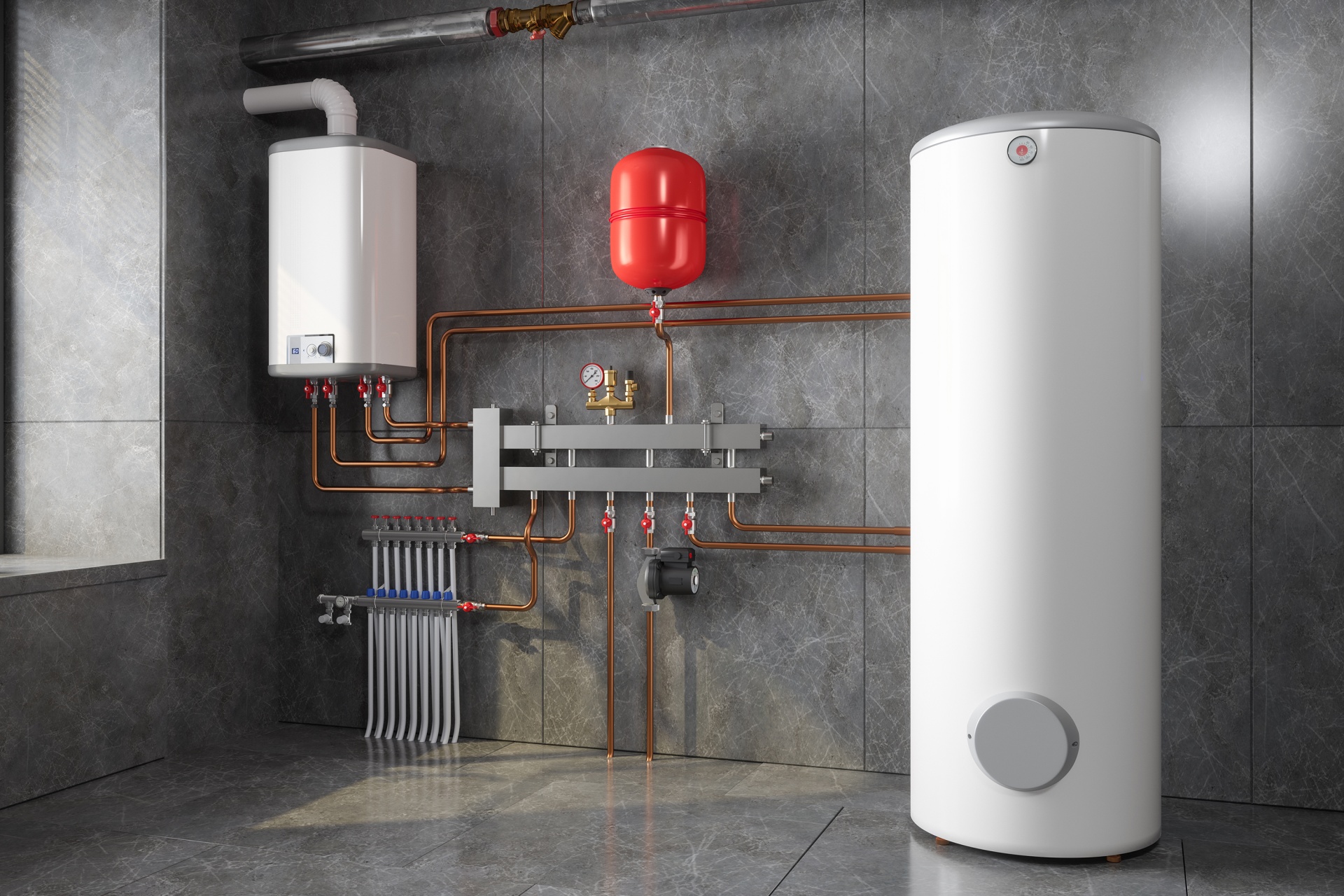
- Expansion Tank: A specialized vessel attached to the closed loop that accommodates the expansion of water as it heats up, preventing dangerous pressure spikes in the system.
- Pressure Relief Valve: A critical safety component designed to automatically release water and steam if the internal pressure exceeds safe operating limits.
- Circulator Pump: An electric pump that actively forces water through the closed piping loop.
- Zone Valve: A motorized valve that controls the flow of hot water to specific areas (zones) of a home, allowing independent temperature control for different rooms.
Advantages and Limitations of Residential Boilers
Understanding what makes a boiler effective—as well as where it falls short—ensures realistic expectations for home heating.
Advantages
- Consistent, Comfortable Heat: Radiant heat warms objects and people directly rather than simply blowing hot air, eliminating cold spots and drafts.
- Zoning Capabilities: With independent thermostats and zone valves, homeowners can easily heat only the rooms in use, lowering overall energy costs.
- Quiet Operation: Boilers operate with minimal noise compared to the loud blower fans associated with forced-air furnaces.
- Longevity: Cast-iron boilers, in particular, are known to last 20 to 30 years or more when maintained properly.
Limitations
- Higher Initial Installation Cost: Installing piping, radiators, and specialized hydronic equipment is labor-intensive and generally more expensive than installing standard ductwork and a furnace.
- No Built-in Air Conditioning: Unlike forced-air systems that share ductwork with central air conditioning, boilers require an entirely separate system (such as ductless mini-splits) for cooling.
- Risk of Leaks: Because water circulates under pressure through pipes hidden in walls or floors, a leak can cause significant structural damage if not caught early.
Maintenance and Operational Best Practices
To ensure your home boiler operates safely and efficiently throughout its lifespan, adhere to standard maintenance guidelines recommended by heating professionals and manufacturers like the U.S. Department of Energy:
- Annual Professional Tune-Ups: Hire a certified technician before every heating season to clean burners, inspect the heat exchanger for cracks, test safety controls, and check flue venting.
- Bleeding Radiators: If you notice cold spots at the top of your radiators, trapped air is preventing hot water from circulating fully. Use a radiator key to bleed the trapped air until steady water appears.
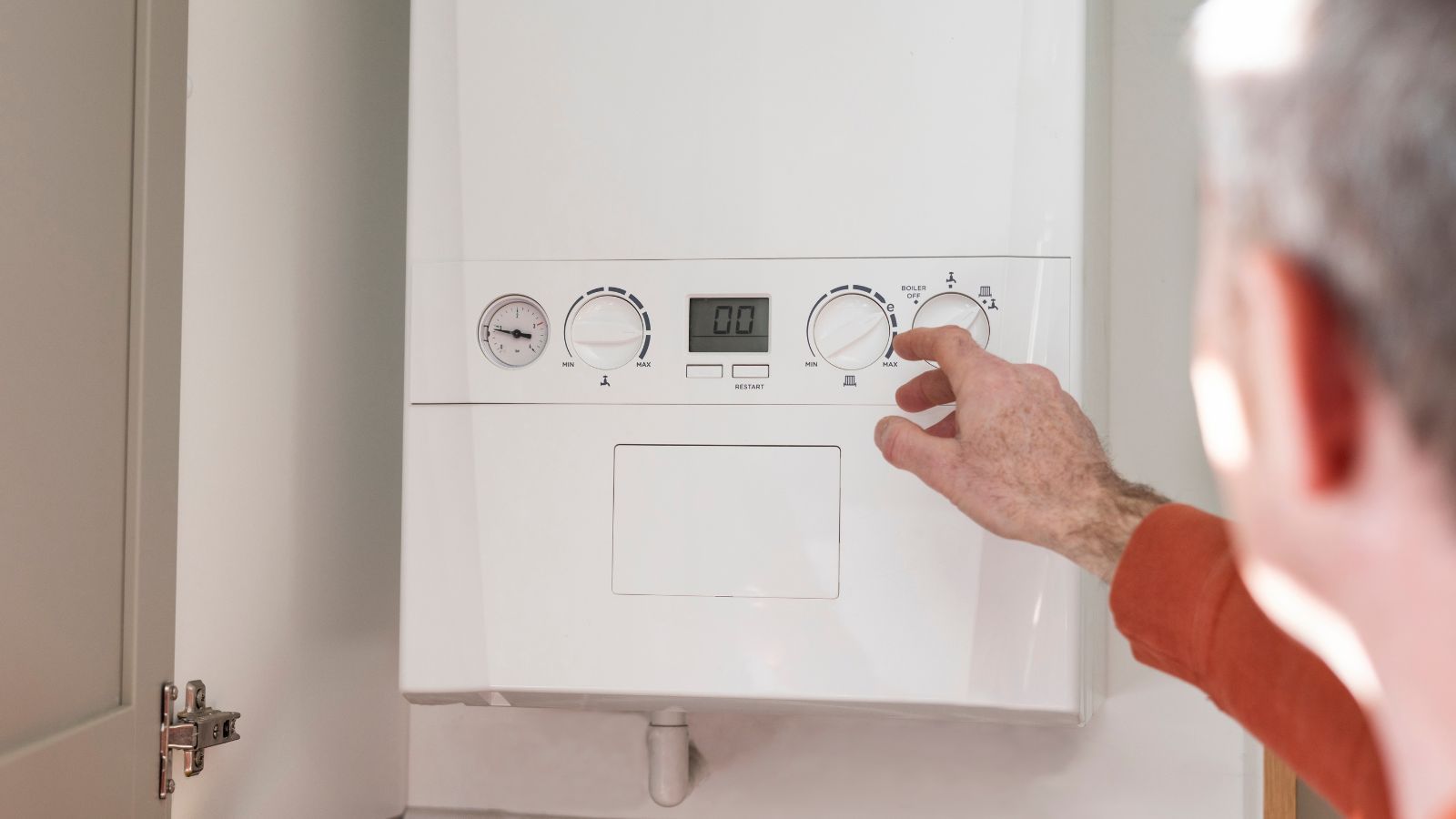
- Monitoring Water Pressure: Check the pressure gauge regularly. Normal operating pressure for a residential boiler typically sits between 12 and 15 psi when cold. Low pressure indicates a leak or a faulty feed valve.
- Testing Safety Controls: Periodically test the low-water cutoff and pressure relief valve to ensure they function correctly and prevent catastrophic pressure failures.
Frequently Asked Questions
How do I know if my home has a boiler or a furnace?
Check your rooms for heating vents versus radiators or baseboards. If you see metal grates on the floor or walls blowing warm air, you have a furnace. If you see cast-iron radiators or finned baseboard units near the floor, you have a boiler. Additionally, checking your utility closet or basement for a pressurized tank with water pipes and a circulator pump confirms a boiler system.
How long does a residential boiler typically last?
A well-maintained residential boiler typically lasts between 15 and 30 years. Traditional cast-iron boilers often exceed the 25-year mark, while high-efficiency condensing boilers with stainless steel or aluminum heat exchangers generally last 15 to 20 years. Regular annual maintenance is the single most important factor in maximizing lifespan.
What is the ideal water pressure for a home boiler?
Most residential boilers operate at a cold pressure of 12 to 15 psi (pounds per square inch). When the system heats up and the water expands, the pressure should rise slightly, usually staying below 25 psi. If the pressure drops below 10 psi, the system may fail to heat upper floors; if it exceeds 30 psi, the pressure relief valve should open automatically.
Can a boiler provide hot water for my showers and sinks?
Yes. Many modern boilers are designed as "combi" (combination) boilers that heat water for both space heating and domestic use on demand. Alternatively, a standard boiler can be paired with an indirect water heater tank, using the boiler's heat exchanger to maintain a large reserve of domestic hot water efficiently.
What causes a boiler to make banging or whistling noises?
Banging or rumbling noises—often referred to as "kettling"—typically occur when mineral scale builds up on the heat exchanger, causing water to overheat and boil locally. Whistling or gurgling usually indicates trapped air in the pipes or a circulator pump operating incorrectly. If your boiler makes unusual noises, contact a licensed heating technician for inspection.
Conclusion and Next Actions
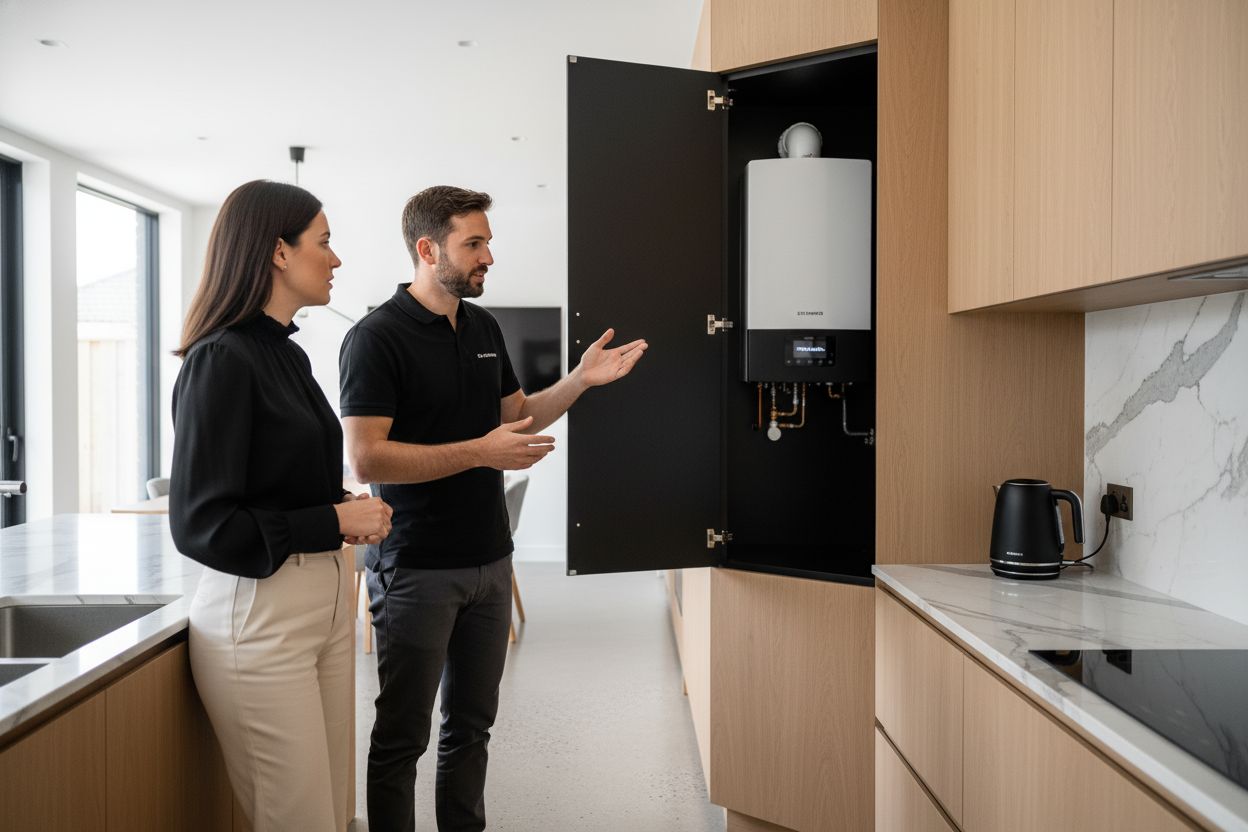
Understanding the definition of a boiler for your home clarifies how hydronic heating can deliver superior comfort, energy efficiency, and quiet operation compared to forced-air alternatives. If you are troubleshooting an existing unit, schedule an annual service inspection with a licensed HVAC technician to verify operational safety and efficiency. If you are planning a system replacement or new installation, consult a certified heating contractor to perform a proper load calculation and determine the ideal boiler size and efficiency rating for your home's unique climate demands.
Image Gallery