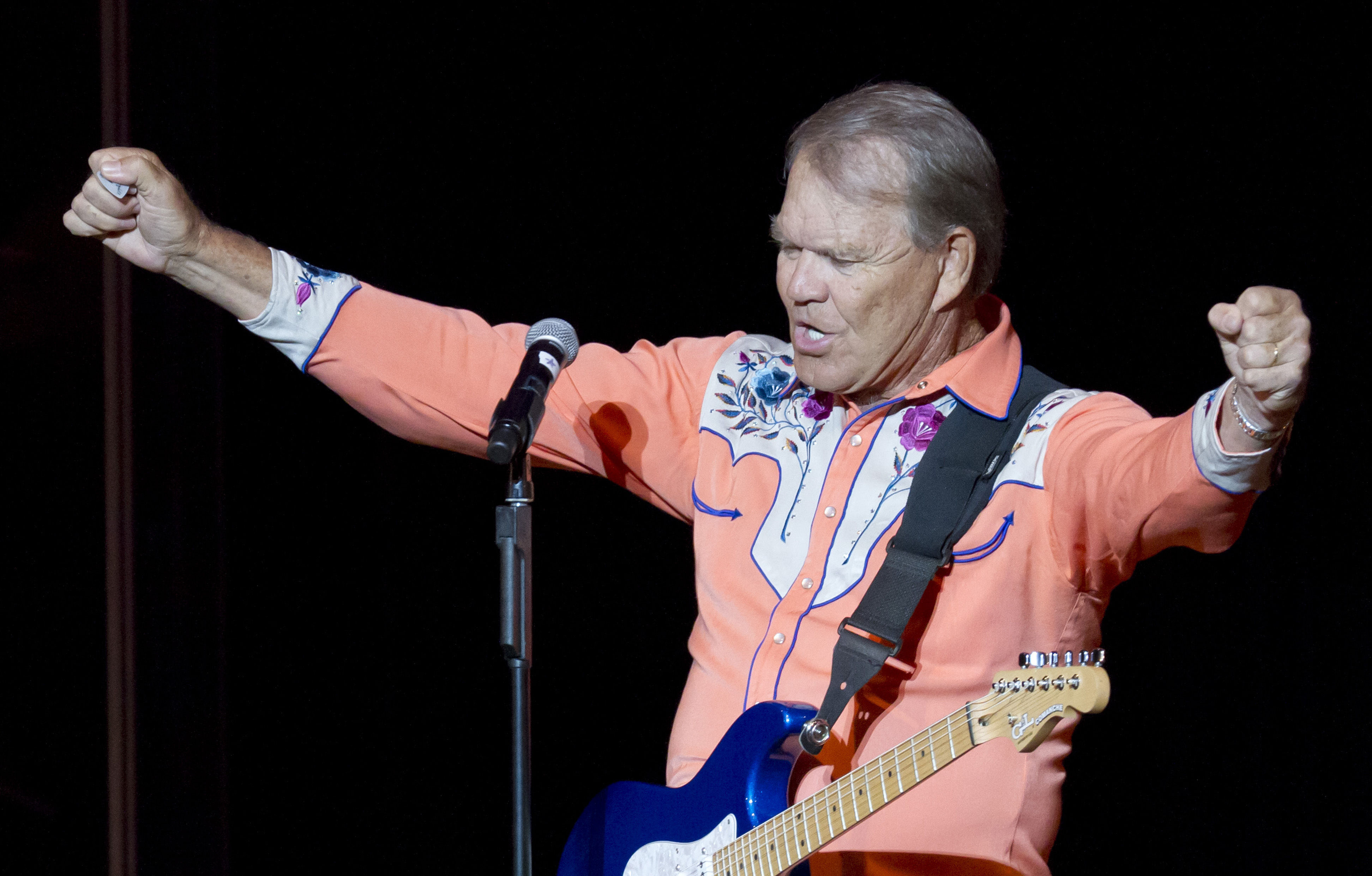
The Legacy of Glen Campbell: Remembering His Passing in 2017 and Musical Brilliance
Glen Campbell passed away on August 8, 2017, at the age of 81 in Nashville, Tennessee, following a courageous and publicly shared battle with Alzheimer’s disease. His death marked the end of a legendary six-decade career that establish...
Glen Campbell passed away on August 8, 2017, at the age of 81 in Nashville, Tennessee, following a courageous and publicly shared battle with Alzheimer’s disease. His death marked the end of a legendary six-decade career that established him as one of American music's most versatile guitarists, pop-country crossover stars, and beloved television personalities.
Contents
Early Life and Rise to Musical Prominence
Born in Delight, Arkansas, in 1936, Glen Travis Campbell grew up in a large sharecropping family as the seventh of twelve children. His introduction to music came early through an uncle who gifted him a cheap guitar when he was just four years old. By his early teens, Campbell was already performing locally on radio programs and at small community events, showcasing a natural aptitude for the instrument that would soon take him to the national stage.
In the late 1950s, Campbell relocated to Los Angeles, where he quickly became an in-demand session musician. He joined the legendary collective of studio musicians known as "The Wrecking Crew." In this capacity, his immaculate picking and versatile style helped shape the sound of mid-century popular music.
- Contributed guitar tracks to recordings by Frank Sinatra, Elvis Presley, Bobby Darin, and The Beach Boys.
- Toured briefly as a touring member of The Beach Boys in 1964, filling in for an ailing Brian Wilson.
- Established a reputation in the industry for being able to play complex arrangements on sight, earning the respect of top producers and artists alike.
Chart-Topping Success and Television Stardom
While his studio work provided a steady and prestigious living, Campbell's solo career took off when he signed with Capitol Records. During the late 1960s and 1970s, he achieved massive commercial success with a string of sophisticated, orchestrally backed pop-country crossover hits written by legendary tunesmiths like Jimmy Webb. Songs such as "By the Time I Get to Phoenix," "Wichita Lineman," and "Galveston" became definitive standards of the era.
This musical success translated directly into television visibility. In 1969, CBS launched The Glen Campbell Goodtime Hour, a prime-time variety show that showcased his affable personality, world-class guitar playing, and prominent musical guests. The show reached millions of households weekly, solidifying Campbell's status as a mainstream household name and bridging the cultural gap between traditional country music and contemporary pop audiences.
| Song Title | Release Year | Primary Writer | Peak Billboard Hot 100 Position |
|---|---|---|---|
| "By the Time I Get to Phoenix" | 1967 | Jimmy Webb | No. 26 |
| "Wichita Lineman" | 1968 | Jimmy Webb | No. 3 |
| "Galveston" | 1969 | Jimmy Webb | No. 4 |
| "Rhinestone Cowboy" | 1975 | Larry Weiss | No. 1 |
The Alzheimer's Diagnosis and Final Years
In 2011, Campbell publicly announced that he had been diagnosed with Alzheimer’s disease. Rather than retreating from the public eye, he and his family chose a path of transparency. They decided to document his struggles and his final concert tour through a critically acclaimed 2014 documentary titled Glen Campbell: I'll Be Me.
The documentary provided an unvarnished look at the cognitive toll of the disease, while simultaneously highlighting how his musical ability remained intact long after other memories began to fade. During his final tour, audiences witnessed a master musician relying on muscle memory and lifelong devotion to his craft to deliver emotionally resonant performances, even when he could no longer recall the names of his bandmates.
Impact on Alzheimer's Awareness
Campbell's openness regarding his medical condition brought unprecedented national attention to Alzheimer's disease and related dementias. By sharing his personal journey, he helped de-stigmatize the diagnosis, encouraging families across the world to discuss the condition openly. His final recording, "I'm Not Gonna Miss You," released in 2014, won a Grammy Award for Best Country Song and received an Academy Award nomination for Best Original Song, serving as a poignant, artistic farewell to his fans.
Discography and Enduring Cultural Legacy
Over his lifetime, Campbell released more than 60 studio albums, selling over 45 million records worldwide. He earned numerous accolades, including multiple Grammy Awards, Country Music Association (CMA) Awards—including being named Entertainer of the Year in 1968—and an induction into the Country Music Hall of Fame in 2005.
His guitar playing remains a benchmark for aspiring musicians across genres. By refusing to stay confined within strict genre boundaries, Campbell demonstrated how traditional country storytelling could merge seamlessly with lush pop arrangements and virtuosic musicianship. His passing in 2017 closed a monumental chapter in American entertainment history, but his recordings continue to introduce new generations to his extraordinary talent.
Frequently Asked Questions
What year did Glen Campbell die?
Glen Campbell died on August 8, 2017, at the age of 81. His death occurred in Nashville, Tennessee, following a long and publicly documented battle with Alzheimer’s disease.
What caused Glen Campbell's death?
He died from complications associated with Alzheimer’s disease. He had been diagnosed with the progressive neurological condition six years prior to his passing in 2011.
What were Glen Campbell's biggest musical hits?
His most notable chart-topping hits include "Wichita Lineman," "By the Time I Get to Phoenix," "Galveston," and his signature 1975 anthem "Rhinestone Cowboy," which reached the top of both the pop and country charts.
Was Glen Campbell a member of The Wrecking Crew?
Yes. Before achieving solo superstardom, Campbell was a highly sought-after session guitarist in Los Angeles, playing on countless hit recordings by major pop and rock artists of the 1960s as part of the legendary studio ensemble.
How did Glen Campbell raise awareness for Alzheimer's disease?
He and his family invited film crews to document his final concert tour in the 2014 film Glen Campbell: I'll Be Me. This transparent portrayal of his cognitive decline educated the public and humanized the daily realities of living with the disease.
Conclusion and Next Actions
To further explore the life and artistry of Glen Campbell, listeners can examine his extensive catalog of studio albums, particularly his collaborations with songwriter Jimmy Webb. Watching the documentary Glen Campbell: I'll Be Me offers a profound perspective on his musical genius and the impact of Alzheimer's disease, serving as a powerful tribute to a titan of American music.
Image Gallery