The Best Ways to Save on Electric Bill for Everyday Homes
Reducing your monthly electricity expenditure requires a transition from passive consumption to active energy management. By addressing "vampire" power loads, optimizing climate control systems, and upgrading to high-efficiency hardwar...
Reducing your monthly electricity expenditure requires a transition from passive consumption to active energy management. By addressing "vampire" power loads, optimizing climate control systems, and upgrading to high-efficiency hardware, households can significantly lower their utility bills without sacrificing comfort or daily utility.
Contents
Understanding Your Electricity Consumption Baseline
Before implementing any changes, you must establish a baseline. Most utility providers offer online portals where you can view your hourly, daily, and monthly usage patterns. Analyze your bill to identify whether your costs are driven by "base load" (appliances that run 24/7, such as refrigerators) or "peak load" (usage associated with specific times of day, such as heating, cooling, or clothes drying).
In 2026, many regional grids utilize Time-of-Use (TOU) pricing. Under these plans, electricity costs more during peak demand hours (typically weekday afternoons and evenings) and significantly less during off-peak hours. If your utility offers a TOU rate, shifting high-energy tasks—like running the dishwasher or electric vehicle charging—to late-night or early-morning windows can result in immediate, measurable savings.
Optimizing HVAC Systems: The Largest Variable Load
Heating and cooling systems typically account for the largest percentage of residential energy usage. To improve efficiency, focus on both the mechanical hardware and the thermal envelope of your home.
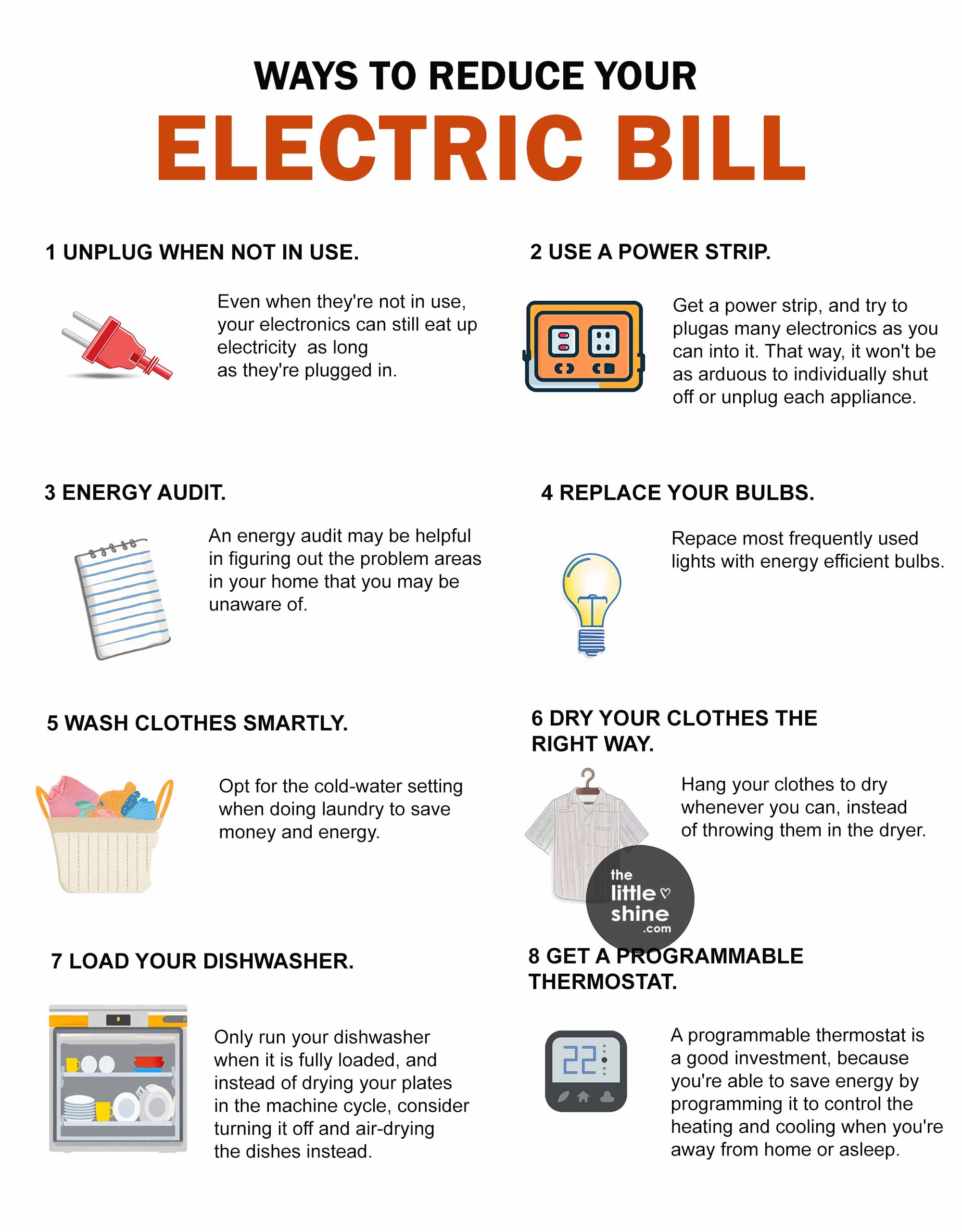
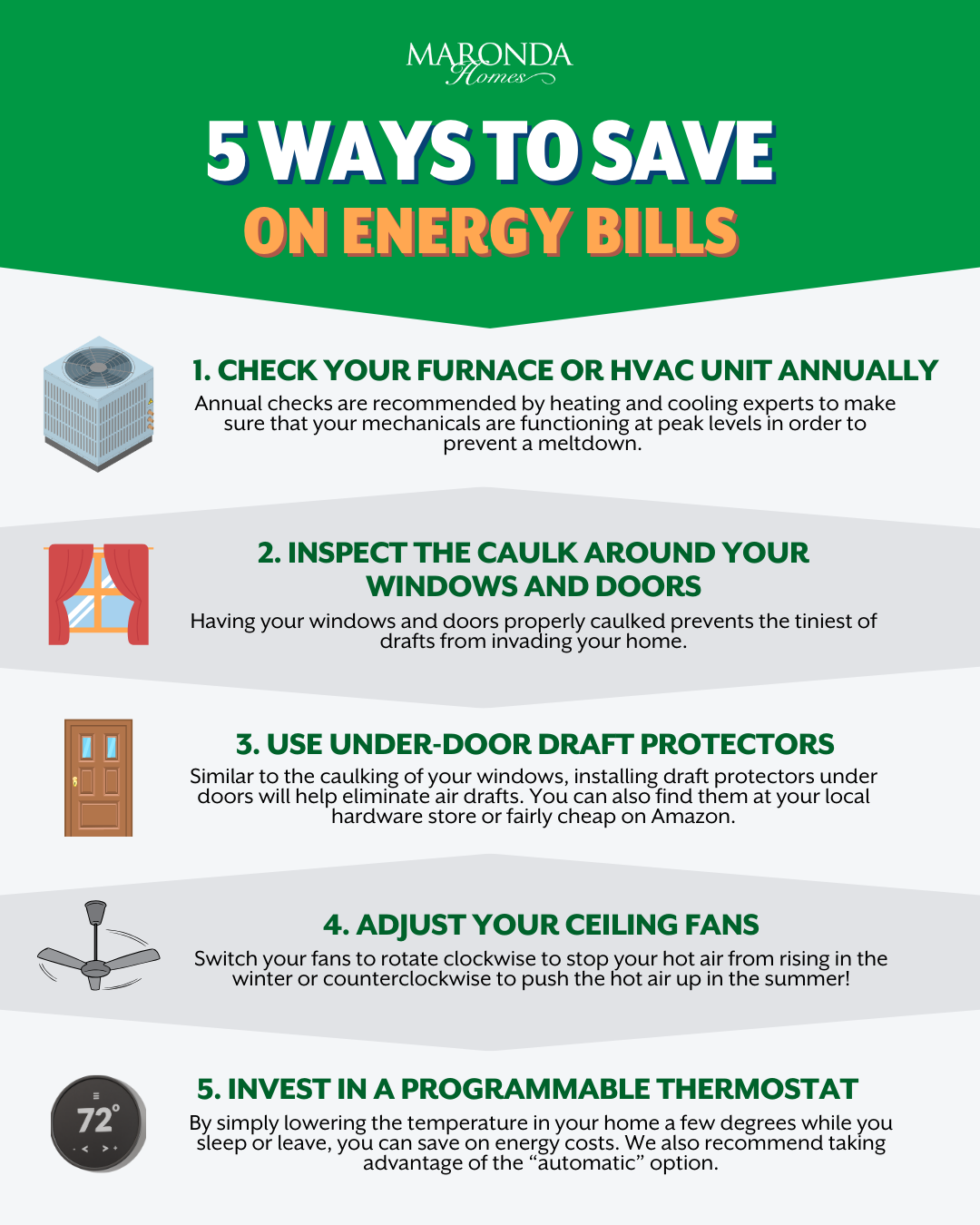
- Thermostat Management: If you rely on a manual thermostat, upgrading to a smart, programmable model is one of the most effective investments. By setting your temperature 7–10 degrees Fahrenheit back for 8 hours a day, you can save up to 10% a year on heating and cooling, according to the U.S. Department of Energy.
- Filter Maintenance: A clogged air filter forces the blower motor to work harder, increasing energy draw and shortening the lifespan of your unit. Replace filters at least every 90 days, or more frequently if you have pets or high dust levels.
- Seal the Envelope: Energy is lost through leaks in windows, doors, and attic hatches. Use weatherstripping for doors and apply caulk to seal gaps around window frames. Adding insulation to your attic is often the single most effective home improvement for thermal efficiency, as it prevents the conditioned air inside your home from escaping through the roof.
Eliminating "Vampire" Energy Drain
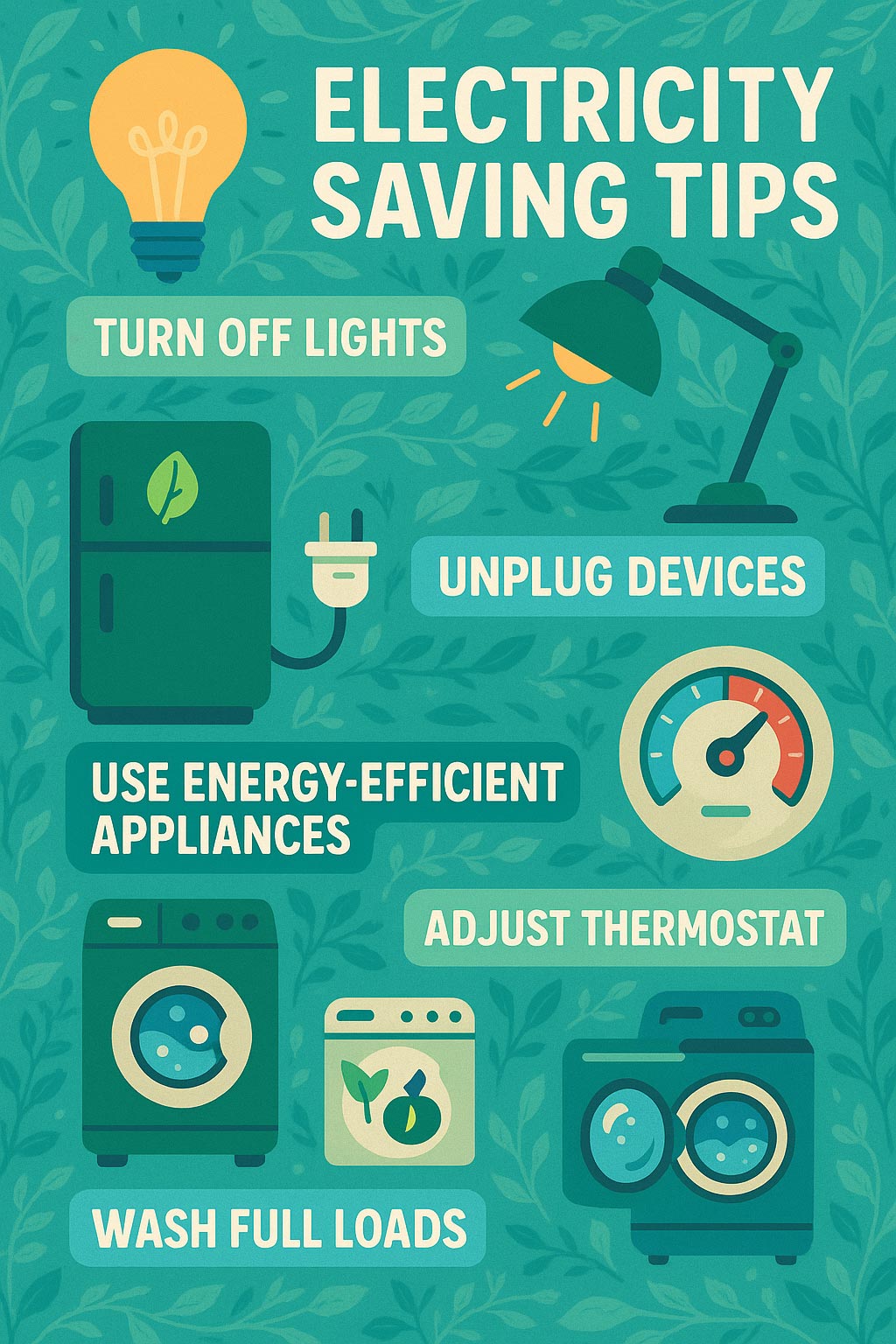
"Phantom" or "standby" power is the electricity consumed by electronics even when they are switched off or in sleep mode. Devices with external power supplies, remote controls, or digital displays—such as televisions, gaming consoles, and desktop computers—are frequent offenders.
To stop this drain, utilize smart power strips. These devices cut power to peripheral outlets when the primary device (e.g., your TV) is turned off. Alternatively, manually unplugging devices that you use infrequently, or using simple mechanical timers, ensures you aren't paying for electricity that powers a standby light while you sleep.
Strategic Lighting and Appliance Usage
While the widespread adoption of LED lighting has largely solved the problem of inefficient bulbs, lighting habits remain relevant. Turn off lights when leaving a room and utilize natural light during daylight hours.
For major appliances, efficiency is found in operational habits:
- Laundry: Wash clothes in cold water. Roughly 90% of the energy consumed by a washing machine goes toward heating the water; the detergent technology in 2026 is highly effective even in cold cycles. Always run full loads in the dryer and clean the lint trap after every cycle to maximize airflow.
- Dishwashers: Avoid the "heated dry" setting. Opening the door and letting dishes air-dry is a simple way to eliminate the most energy-intensive part of the wash cycle.
- Refrigerators: Ensure your refrigerator seals are tight. A dollar bill test—placing a bill in the door and seeing if it stays in place when the door is closed—can confirm if your seal needs replacing. Additionally, keep your fridge away from heat sources like ovens or direct sunlight.
Comparison of Energy-Saving Interventions
| Intervention | Typical Investment | Implementation Effort | Primary Impact |
|---|---|---|---|
| Smart Thermostat | Moderate ($100–$250) | Low | Optimized HVAC usage |
| LED Upgrades | Low ($2–$5/bulb) | Low | Drastic lighting reduction |
| Attic Insulation | High ($1,000+) | High | Long-term thermal efficiency |
| Smart Power Strips | Low ($20–$40) | Low | Eliminates phantom load |
| Cold Water Laundry | None | None | Eliminates water heating cost |
Addressing Water Heating Costs
Water heating is often the second or third largest energy expense in a home. Beyond washing clothes in cold water, consider lowering the temperature setting on your water heater. Most manufacturers set the default to 140°F, but 120°F is typically sufficient for most household needs and significantly reduces the energy required to maintain temperature. If your water heater tank is warm to the touch, it may benefit from an insulation blanket, which can reduce heat loss by 25–45%.
Frequently Asked Questions
Does running a ceiling fan actually save energy? Yes, but only if you are in the room. A ceiling fan creates a wind-chill effect, allowing you to raise the setting on your thermostat by about 4 degrees without losing comfort. However, fans cool people, not rooms; turn them off when you leave the space to avoid wasting electricity.
Is it cheaper to leave my lights on or turn them off? Contrary to outdated myths, turning off a light always saves electricity. Modern LED bulbs do not have a significant "inrush" of energy when turned on that would offset the savings of leaving them off, even for short periods.
Can I get incentives for energy-efficient upgrades? Many states and local utility providers offer rebates or tax incentives for energy-efficient appliances, insulation, and smart home technology. Check your local utility provider's website periodically in 2026, as these programs often update their eligibility requirements throughout the year.
What is a "Home Energy Audit"? A professional home energy audit is a formal assessment conducted by a certified technician who uses specialized equipment, such as blower doors and infrared cameras, to find exact locations of air leaks and insulation deficiencies. Many utility companies provide these for free or at a subsidized rate.
Do smart meters increase my bill? No, a smart meter only measures usage more accurately and frequently than older mechanical meters. If your bill increased after a smart meter installation, it is likely because you are now being billed for actual usage rather than the estimates that were previously used.
Taking the First Step
The most effective approach to reducing your electric bill is to start with "low-hanging fruit." Begin by identifying your peak usage hours, swapping any remaining incandescent bulbs for LEDs, and adjusting your water heater temperature. Once these simple steps are complete, evaluate your home's thermal envelope and consider professional upgrades like insulation or high-efficiency HVAC systems. By consistently applying these practices, you can create a sustainable reduction in your utility costs starting this month.
Image Gallery