Understanding the Jewish Holiday Calendar: October 1 in 2026
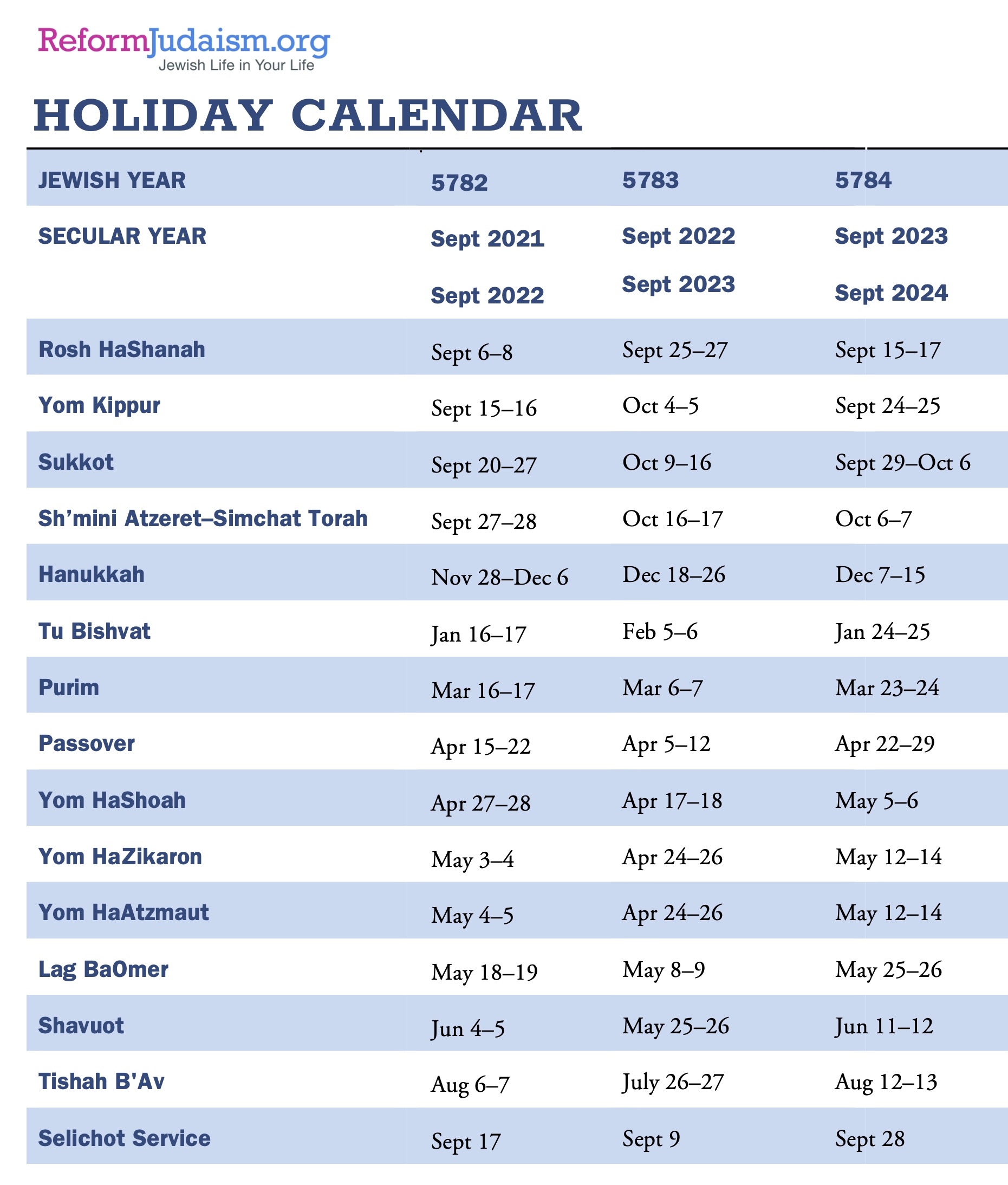
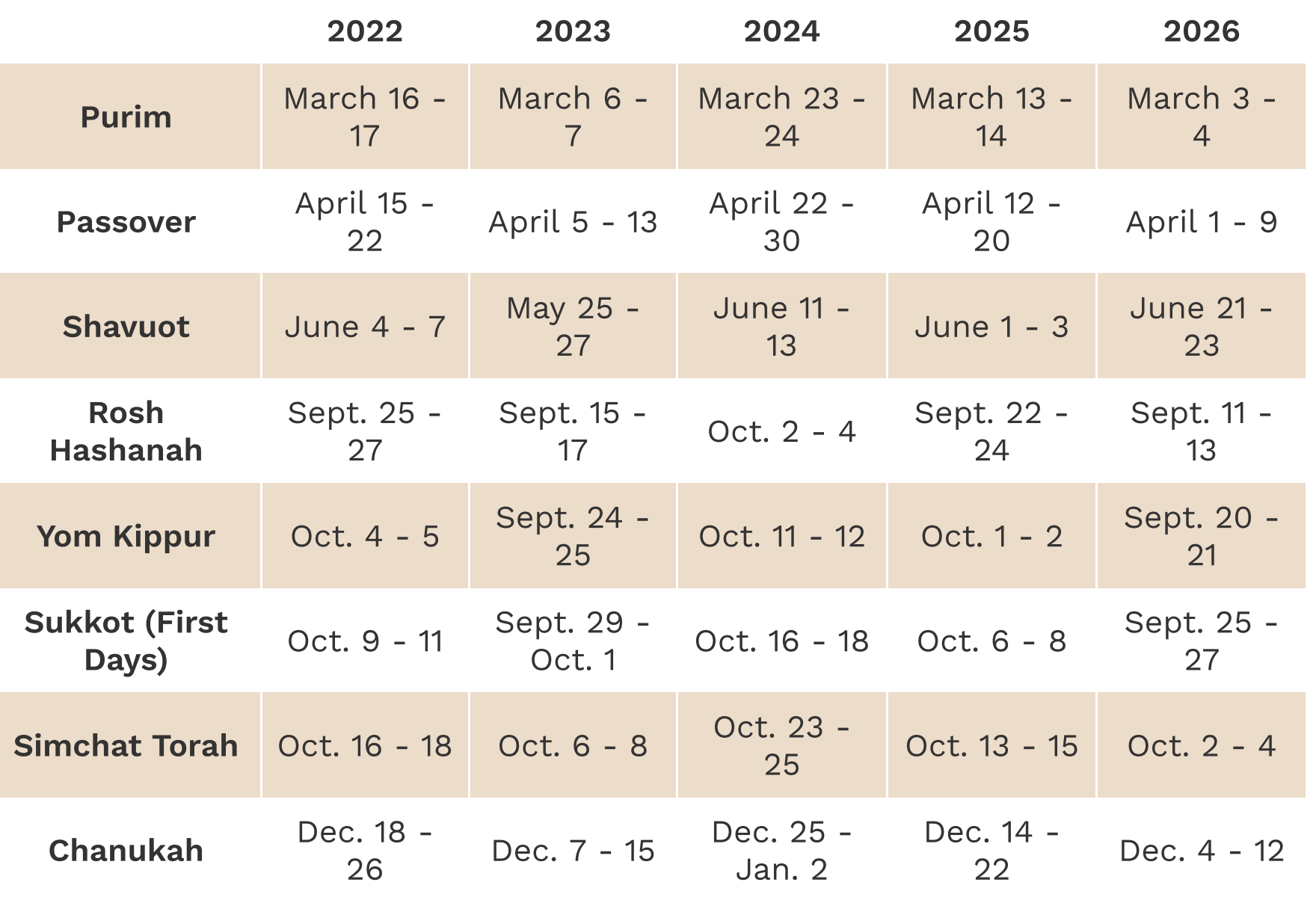
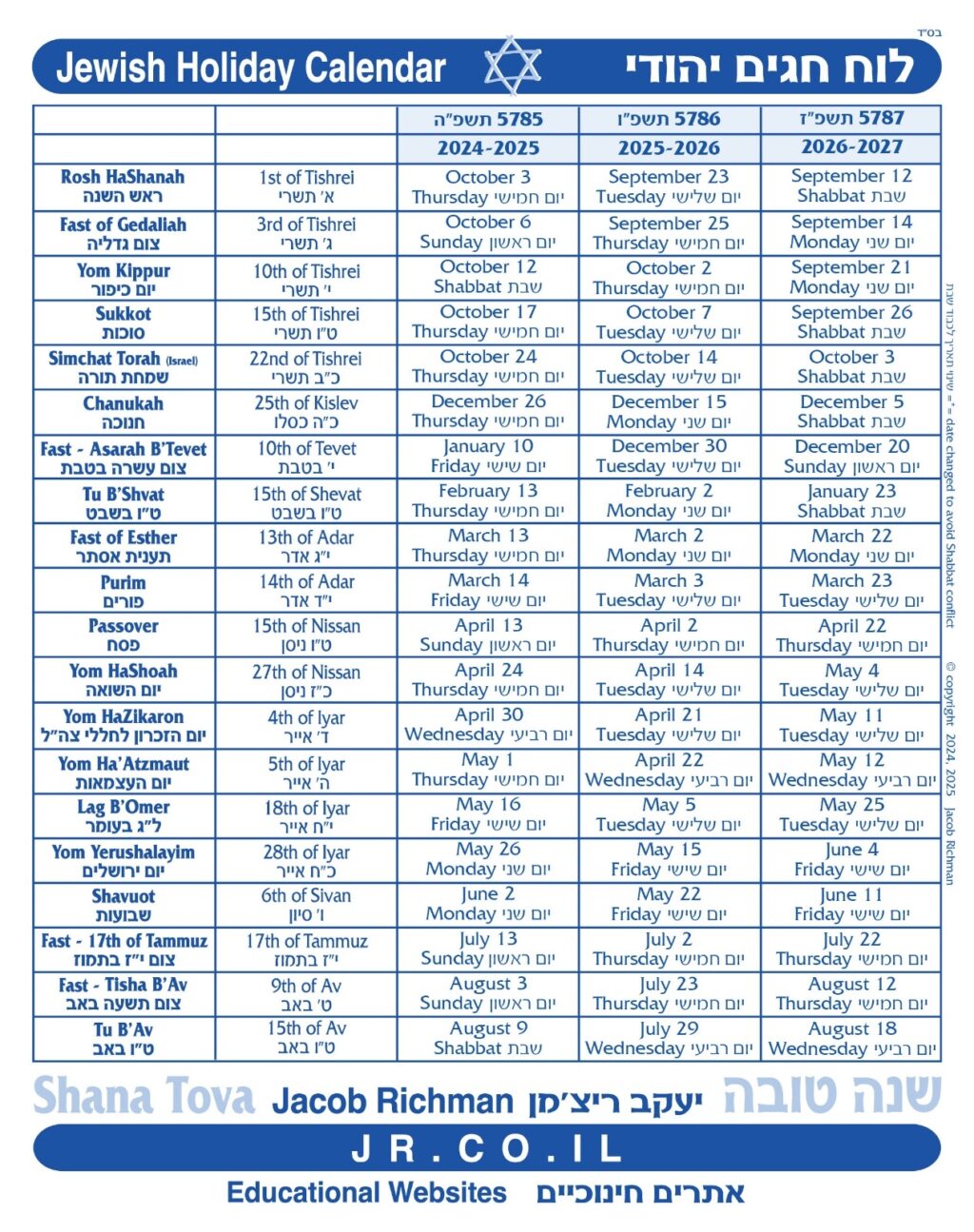
In 2026, October 1 coincides with the middle of the festival of Sukkot, specifically the second day of the holiday. Because the Jewish calendar is lunisolar, the dates of holidays shift annually relative to the Gregorian calendar. Sukk...
In 2026, October 1 coincides with the middle of the festival of Sukkot, specifically the second day of the holiday. Because the Jewish calendar is lunisolar, the dates of holidays shift annually relative to the Gregorian calendar. Sukkot, also known as the Feast of Tabernacles, begins on the 15th day of the Hebrew month of Tishrei and lasts for seven days in Israel, with an additional eighth day, Shemini Atzeret, immediately following.
Contents
The Mechanics of the Jewish Calendar
To understand why October 1 holds specific significance in 2026, one must first understand the fundamental structure of the Hebrew calendar. Unlike the Gregorian calendar, which is purely solar and based on the Earth's orbit around the sun, the Hebrew calendar is lunisolar. Months are determined by the lunar cycle—the time it takes for the moon to orbit the Earth—while the years are aligned with the solar cycle to ensure that festivals fall in their appropriate agricultural seasons.
A lunar month lasts approximately 29.5 days. Consequently, a 12-month lunar year is about 11 days shorter than a solar year. To prevent the holidays from drifting through the seasons over time, a "leap month" (Adar II) is added to the calendar seven times every 19 years. This ensures that Passover, for instance, always occurs in the spring. Because of these adjustments, Jewish holidays do not have fixed dates on the Gregorian calendar; they move within a range of roughly three to four weeks each year. In 2026, the arrival of Tishrei aligns such that the middle of Sukkot falls precisely on October 1.
Understanding Sukkot
Sukkot is one of the three biblically mandated pilgrimage festivals, known in Hebrew as the Shalosh Regalim. Historically, these were times when the Israelites traveled to the Temple in Jerusalem. Sukkot commemorates the temporary dwellings the Israelites lived in during their 40-year journey through the wilderness after the Exodus from Egypt.
The holiday is characterized by two primary observances:
- The Sukkah: Families build and reside in a temporary outdoor structure covered with organic material, usually palm fronds or bamboo, known as sechach. This structure serves as a reminder of the fragility of life and the divine protection provided to the ancestors.
- The Four Species: Participants take the Lulav (a closed palm frond bound with myrtle and willow branches) and the Etrog (a citron fruit). During the service, these are held together and waved in various directions to symbolize the omnipresence of God and the unity of the Jewish people.
Observance on October 1, 2026
Since October 1, 2026, falls during the middle days of Sukkot, the day is considered a Chol HaMoed or a "weekday of the festival." In Jewish law, Chol HaMoed functions as an intermediate period. While it is not a full holiday where all work is forbidden—as it is on the first days and the final day—it retains a festive character. Many traditional practices, such as reciting special prayers (the Hallel), eating meals in the Sukkah, and refraining from unnecessary labor, continue throughout this period.
Because Sukkot is a seven-day holiday, the transition from the beginning to the end involves specific shifts in status. October 1, 2026, represents a point of continuity where the community is deeply immersed in the celebratory atmosphere of the week. For those observing the holiday, this day involves maintaining the Sukkah as their primary dwelling space for meals and, weather permitting, sleeping.
Comparison of Holiday Status
The table below illustrates how different days within the Sukkot season are categorized, which helps in understanding why October 1, 2026, carries specific behavioral requirements.
| Holiday Phase | Status | Primary Obligations |
|---|---|---|
| First Day(s) | Yom Tov | Full work restrictions, festive meals, Sukkah usage. |
| Intermediate Days | Chol HaMoed | Partial work, festive prayers, Sukkah usage. |
| Final Days | Shemini Atzeret/Simchat Torah | Full work restrictions, concluding rituals. |
Practical Considerations for Observers
For those navigating the calendar in 2026, it is important to note that Jewish holidays begin at sundown on the preceding evening. Therefore, the observances associated with October 1 will technically begin on the evening of September 30.
For students, professionals, or travelers, this period often requires advanced planning. Because the intermediate days of Sukkot occur during a standard work week in 2026, observant individuals may need to arrange for time off or flexible working conditions to accommodate prayer schedules and the requirement to eat in a Sukkah. Many businesses and educational institutions provide religious accommodation policies for these dates, provided they are requested in advance.
Frequently Asked Questions
Does Sukkot always fall on October 1? No. Because the Hebrew calendar is lunisolar, the dates shift every year. In some years, Sukkot may fall in late September; in others, it may occur mid-to-late October. It is highly specific to the 2026 cycle.
Is work prohibited on October 1, 2026? As this date falls during Chol HaMoed (the intermediate days), there are no formal prohibitions against work in the same way as the first or last days of the festival. However, many observant Jews minimize work to focus on the festive nature of the holiday.
What is the significance of the Sukkah? The Sukkah represents the temporary dwellings used by the Israelites in the desert. It is meant to evoke a sense of humility and a reliance on divine protection rather than material possessions.
Are there specific foods eaten on this day? There is no specific food mandate for the intermediate days of Sukkot, though festive meals are encouraged. Many traditional recipes include stuffed vegetables (like cabbage or peppers), which are often eaten to represent the abundance of the harvest season.
How do I find out the exact holiday times for my location? Jewish holiday timing is governed by local sunset and sunrise times. You can consult online resources such as the Chabad.org calendar or the Hebcal website, which allow you to input your specific zip code or city to receive accurate, localized start and end times for all Jewish holidays.
Next Steps for Planning
If you are planning to attend religious services or require accommodations for October 1, 2026, the most effective next step is to contact your local synagogue or community center. They can provide specific schedules for holiday prayer services and offer guidance on local community Sukkah accessibility. If you are an employer or administrator, proactive communication regarding these dates ensures that all stakeholders can manage their obligations effectively.
Image Gallery