Understanding the Financial Standing: The Net Worth of E. Dewey Smith in 2025
Estimating the net worth of E. Dewey Smith as of 2025 involves looking at his multifaceted career as a prominent pastor, television personality, author, and gospel music executive. While precise, real-time private financial data is not...
Estimating the net worth of E. Dewey Smith as of 2025 involves looking at his multifaceted career as a prominent pastor, television personality, author, and gospel music executive. While precise, real-time private financial data is not publicly disclosed by the individual, analysis of his career milestones, media ventures, and organizational leadership provides a clear picture of his professional trajectory and established influence in the religious and media sectors.
Contents
Defining the Professional Scope of E. Dewey Smith
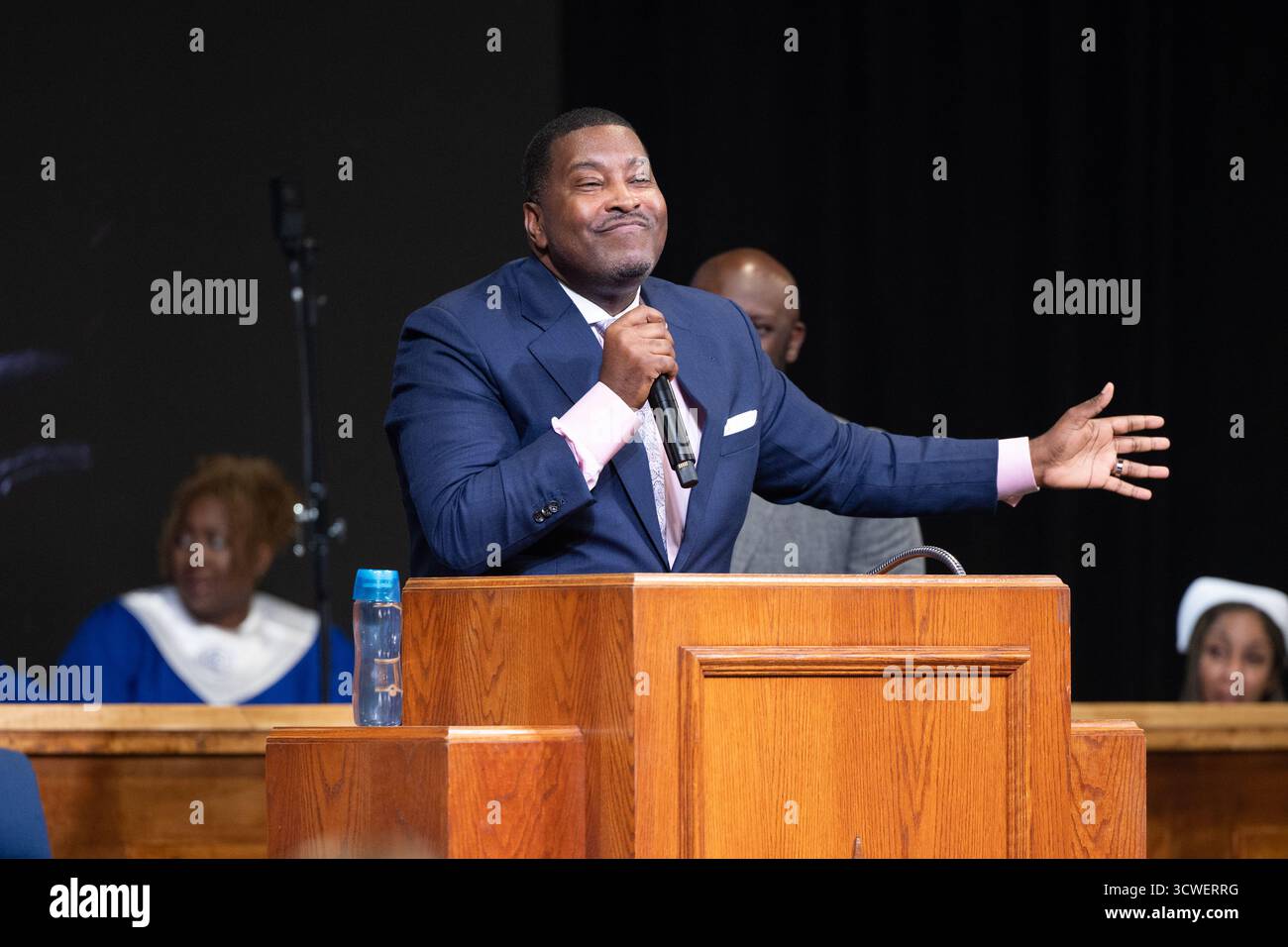
To understand the financial profile of Dr. E. Dewey Smith, one must first recognize the scale of his operations. He is most widely recognized as the senior pastor of The House of Hope Atlanta and The House of Hope Macon, two significant religious organizations. His role in these ministries extends far beyond traditional pastoring; he functions as an executive leader, overseeing large-scale operations, multi-campus management, and extensive community outreach programs.
His professional activities are diverse, spanning the spheres of ecclesiastical leadership, digital content creation, and music production. Unlike individuals with singular income streams, Dr. Smith has cultivated a brand that integrates media influence with traditional church governance. This diversification is a hallmark of high-profile leaders in the contemporary American religious landscape.
Sources of Influence and Revenue Streams
The financial footprint of a modern public figure in the ministry is typically comprised of several distinct pillars. For Dr. E. Dewey Smith, these pillars include:
- Ministry Leadership and Governance: Serving as the senior pastor of multiple mega-church campuses requires managing substantial organizational budgets, personnel, and institutional assets. While church income structures vary, leadership in organizations of this size often involves compensation packages commensurate with executive-level management of non-profit organizations.
- Media and Television Presence: Dr. Smith has maintained a consistent presence on national television networks, particularly through programming associated with religious broadcasting. Television ministry provides not only a platform for influence but also generates revenue through media syndication, advertising, and associated digital product sales.
- Literary Contributions: As an author, Dr. Smith has published various materials that contribute to his overall professional standing. Book sales and associated speaking engagements are standard contributors to the income profile of authors within this niche.
- Music Industry Ventures: Through his involvement in gospel music—including label partnerships and production—he has tapped into the creative economy. This sector often provides royalties, distribution revenue, and collaborative income that operate independently of his ministerial roles.
Understanding Net Worth in the Context of Religious Leadership
When evaluating the net worth of figures like Dr. E. Dewey Smith, it is critical to distinguish between personal wealth and the assets of the organizations they lead. A common misconception in financial analysis of religious leaders is the conflation of church-owned assets with the personal holdings of the pastor.
The House of Hope Atlanta, for instance, is a corporate entity with its own balance sheets, real estate holdings, and operational overhead. These assets belong to the religious organization, not the individual. A pastor’s net worth is strictly limited to their personal savings, investments, real estate, and personal business interests, excluding the capital assets owned by the ministry. As of 2025, any assessment of his personal wealth must be viewed through the lens of individual professional earnings rather than the total valuation of the churches he serves.
Comparative Professional Financial Profiles
Public figures in the American religious and media sectors often share similar income diversification strategies. Below is a comparison of the typical professional domains that contribute to the financial profiles of leaders in this field.
| Revenue Domain | Source Type | Financial Impact |
|---|---|---|
| Media Broadcasting | Royalties, Syndication | High (Scalable) |
| Book Sales | Intellectual Property | Moderate (Variable) |
| Speaking Engagements | Honorariums, Travel Fees | Moderate to High |
| Organizational Salary | Employment Contract | Fixed/Consistent |
| Music/Production | Creative Royalties | Variable/Long-term |
The combination of these revenue sources allows leaders to build stability beyond a single salary. The ability to pivot between digital content creation and traditional speaking roles provides a hedge against fluctuations in any one sector.
Verification of Financial Claims
Readers searching for definitive, audited dollar amounts regarding the net worth of private citizens should approach internet-based "net worth" aggregators with skepticism. Many of these platforms rely on algorithmic projections that often miscalculate by aggregating organizational revenue—such as church building values or ministry budgets—with the individual's actual take-home income.
There is no regulatory requirement for religious leaders to disclose personal tax returns or private investment portfolios. Consequently, any specific numerical figure regarding Dr. Smith’s net worth is an estimation based on public-facing career achievements rather than verified financial records. For professional transparency, always rely on audited annual reports if an organization chooses to release them, and understand that such documents pertain only to the institution, not the individual leader's personal accounts.
The Impact of Brand and Digital Reach
In 2026, the value of a public figure is often tied to their digital reach. Dr. E. Dewey Smith has leveraged social media and digital streaming to expand his audience significantly. This "digital equity" translates into higher demand for appearances, stronger book sales, and wider reach for his broadcasts.
The transition to digital-first ministry has changed the landscape for how pastors monetize their influence. By building a dedicated subscriber base across various platforms, creators like Dr. Smith effectively diversify their income. This modern approach to influence is a significant factor in maintaining a strong financial position, as it reduces reliance on physical attendance alone.
FAQ: Common Questions Regarding Public Financial Profiles
Does the value of a church building count toward a pastor's net worth? No. Church property is owned by the religious organization, which is typically a tax-exempt non-profit corporation. A pastor does not own these assets personally, and they do not appear on a personal net worth statement.
How do television appearances affect a public figure's income? Television appearances serve both as a brand-building exercise and a potential revenue source. Depending on the contract, a personality may receive appearance fees, production royalties, or share in the advertising revenue generated by the broadcast program.
Where can one find verified financial records for public figures? Unless an individual is a public company executive—where they are required to disclose compensation in SEC filings—verified financial records for private citizens are not accessible to the public. Third-party websites claiming to list precise net worths are usually estimations based on public records and are not official financial documents.
Is ministry income considered taxable? Yes. In the United States, pastors are treated as employees for income tax purposes regarding their salary, although they have unique tax statuses regarding housing allowances (parsonage exclusions) under IRS regulations. This allows for specific tax-advantaged living arrangements that are legally distinct from private business income.
Professional Guidance and Next Actions
For those interested in the financial structures of non-profit leadership or the career paths of media-focused religious figures, the most productive path is to examine the public career trajectory and the operational scale of the organizations they lead.
If you are researching this topic for investment or comparative analysis, focus on the following steps:
- Monitor Official Media Channels: Track authorized social media and ministry websites for updates on professional projects and new media ventures.
- Review Public Filings: Check Form 990 filings (Return of Organization Exempt From Income Tax) for the organizations involved to understand the scale of the ministry’s operations.
- Analyze Intellectual Property: Research the publisher and distributor lists for books and music associated with the individual to gauge market activity.
Dr. E. Dewey Smith remains an active participant in his various fields of work, and his financial standing is fundamentally tied to his continued ability to engage large audiences through traditional and digital platforms.
Image Gallery