Unpacking the Calories in the Double Decker Taco Bell: Nutrition Facts, Ingredients, and Customization Options
A standard Taco Bell Double Decker Taco contains approximately 340 calories, varying slightly depending on whether you choose seasoned beef or black beans, as well as how the shell and tortilla are prepared. Understanding the nutrition...
A standard Taco Bell Double Decker Taco contains approximately 340 calories, varying slightly depending on whether you choose seasoned beef or black beans, as well as how the shell and tortilla are prepared.
Contents
Understanding the nutritional profile of fast-food menu items is essential for anyone trying to balance their daily caloric intake while enjoying convenience foods. Among the various hybrid items that Taco Bell has introduced over the decades, the Double Decker Taco holds a unique place in the hearts of fast-food enthusiasts. Blending a crunchy corn taco shell with a soft flour tortilla wrapped around a layer of refried beans creates a distinct textural contrast that has made the item a cult favorite. However, navigating the menu when watching your health requires looking past the clever marketing and examining the exact breakdown of macronutrients, ingredients, and preparation methods.
The Anatomy of a Double Decker Taco
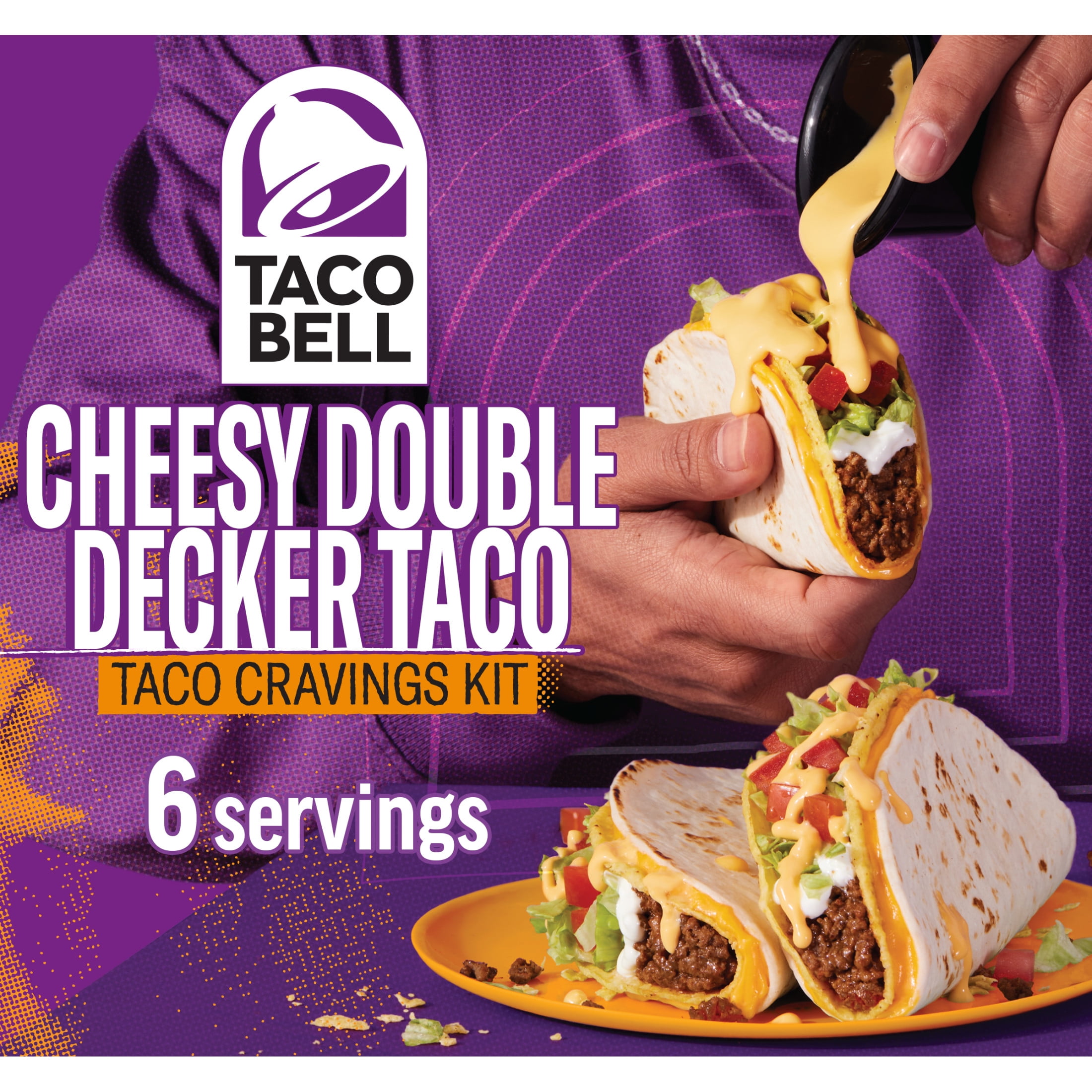
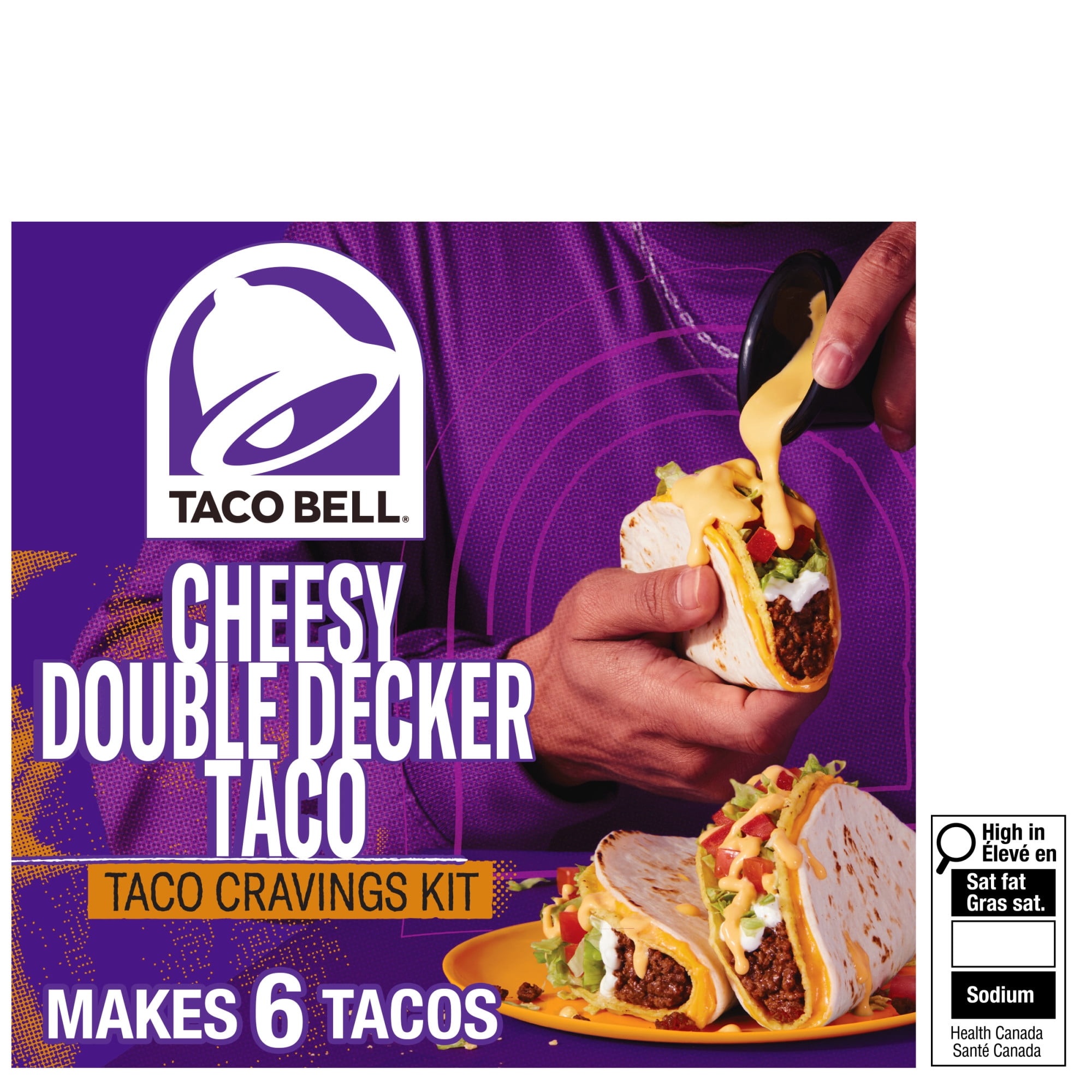
To understand the calorie count, one must first look at how the item is constructed. The Double Decker Taco is not a single-shell creation; it is a masterclass in fast-food engineering that layers two distinct types of tacos into one cohesive unit.
The inner layer consists of a traditional crunchy corn taco shell filled with seasoned beef, crisp shredded lettuce, and real cheddar cheese. Encasing this crunchy shell is a soft flour tortilla, but there is a crucial binding agent in between: a generous smear of Taco Bell's signature savory refried beans. This layer of beans acts almost like edible glue, holding the soft flour tortilla snugly against the outside of the hard corn shell.
Because of this dual-shell construction, the item combines the carbohydrates of both corn and wheat, the proteins and fats from the beef and cheese, and the fiber from the beans and lettuce. Each component contributes significantly to the overall calorie count, meaning that small changes to the recipe can alter the nutritional reality of the meal.
Nutritional Breakdown of the Standard Beef Version
The standard, default version of the Double Decker Taco featuring seasoned beef carries a predictable array of macronutrients. For those tracking energy balance, the baseline metric remains steady across most corporate-owned and franchise locations, provided standard portion controls are followed.
- Calories: 340 kcal
- Total Fat: 15 grams
- Saturated Fat: 5 grams
- Cholesterol: 30 milligrams
- Sodium: 740 milligrams
- Total Carbohydrates: 37 grams
- Dietary Fiber: 6 grams
- Sugars: 3 grams
- Protein: 14 grams
The sodium content is a notable factor here, accounting for roughly nearly a third of the recommended daily intake for an average adult in a single menu item. Similarly, the fat content is driven largely by the seasoned beef, the cheddar cheese, and the oils used in processing the taco shells and refried beans.
Comparing Variations: Beef versus Bean Substitutions
One of the most common ways consumers modify their fast-food orders is by swapping proteins—most frequently replacing seasoned beef with vegetarian options like black beans or refried beans. Taco Bell allows customers to customize nearly any menu item, and the Double Decker Taco is no exception.
| Menu Variation | Calories | Total Fat (g) | Sodium (mg) | Carbohydrates (g) | Protein (g) |
|---|---|---|---|---|---|
| Standard Beef Double Decker | 340 | 15 | 740 | 37 | 14 |
| Black Bean Double Decker (Fresco Style) | 290 | 10 | 650 | 42 | 9 |
| Chicken Double Decker (Standard) | 330 | 13 | 760 | 37 | 17 |
| Supreme Modification (Add Sour Cream & Tomatoes) | +50 to +70 | +4 to +6 | +40 to +60 | +3 to +5 | +1 to +2 |
Switching from beef to black beans or swapping the cooking method to "Fresco Style"—which replaces heavy items like cheese and mayo-based sauces with freshly diced tomatoes—can alter both the caloric load and the nutritional quality. Fresco style is particularly effective at cutting saturated fats, though it may slightly adjust the overall sodium and carbohydrate profiles depending on the exact ingredients replaced.
How the Double Decker Compares to Other Taco Bell Items
When evaluating the calories in the double decker taco bell, it helps to put the number into perspective against other options on the menu. Fast-food items can range drastically from light, low-calorie snacks to massive, high-calorie burritos and specialty items.
The standard crunchy taco sits significantly lower on the calorie spectrum, typically coming in around 170 to 180 calories. Because the Double Decker essentially wraps a crunchy taco inside a bean-lined flour tortilla, the caloric value roughly doubles compared to a single crunchy taco. On the other end of the spectrum, heavy items like the Grilled Cheese Burrito or large specialty quesadillas can easily exceed 700 to 900 calories per item.
This places the Double Decker Taco in a moderate middle tier. It is substantially more energy-dense than a basic taco, making it a more filling option, but it does not carry the extreme caloric penalty of the brand's larger specialty burritos. For individuals aiming for a 500-to-600-calorie fast-food meal, pairing two standard crunchy tacos or a single Double Decker with a side of black beans can be strategically balanced.
Common Customizations and Their Caloric Impact
Customization is a cornerstone of the modern fast-food experience, allowing diners to tailor meals to specific dietary preferences, allergen restrictions, or fitness goals. However, every modification has a direct mathematical consequence on the total caloric load.
Adding Cheese and Sour Cream
Opting for the "Supreme" variant adds reduced-fat sour cream and diced tomatoes. While tomatoes add negligible calories and a dose of vitamins, sour cream introduces extra dairy fats. This bumps the calorie total upward by approximately 50 to 70 calories per taco.
Removing Ingredients
If you choose to remove the cheese or reduce the amount of refried beans, you can actively lower the calorie and fat count. Removing the cheddar cheese typically saves around 40 to 50 calories and cuts down on saturated fat. However, eliminating the inner layer of refried beans alters the core structural integrity of what makes a Double Decker a Double Decker, turning it essentially into a messy wrapped taco.
Shell Variations
While the classic Double Decker utilizes a corn shell inside a flour tortilla, rare limited-time promotional variants or custom orders might experiment with Doritos Locos shells. Inserting a Nacho Cheese Doritos Locos Taco shell into the bean-and-tortilla wrap will adjust the calorie count based on the specific flavor profile of the flavored shell used.
Frequently Asked Questions
Is the Double Decker Taco a permanent menu item?
The Double Decker Taco has a history of coming and going from national menus as a limited-time promotional offering, though it maintains a fiercely loyal following that frequently petitions for its permanent return. Availability can vary significantly by region and year.
How can I make a Double Decker Taco lower in calories?
You can reduce the calorie count by ordering the item "Fresco Style," which replaces dairy ingredients like cheese with freshly diced tomatoes. You can also request no cheese or ask for black beans instead of beef to alter the fat and protein profile.
Does the Double Decker contain dairy?
Yes, the standard Double Decker Taco contains real cheddar cheese. Individuals with lactose intolerance or dairy allergies should request the item without cheese to avoid adverse reactions.
How much sodium is in a standard Double Decker Taco?
A standard beef Double Decker Taco contains approximately 740 milligrams of sodium, which represents a substantial portion of the recommended daily intake limit for sodium established by health authorities.
Can I get a vegetarian version of the Double Decker Taco?
Yes, you can easily substitute the seasoned beef with either refried beans or black beans, making the item suitable for vegetarian diets while maintaining the signature dual-shell texture.
Practical Next Steps for Tracking Your Fast-Food Intake
When incorporating fast food into a balanced diet, consistency and accurate tracking are essential. If you are monitoring your daily energy intake, rely on official nutritional calculators provided by restaurant chains rather than estimations, as hidden fats and cheeses can quickly inflate numbers. To balance a meal containing a Double Decker Taco, consider pairing it with high-fiber, low-calorie sides like a side of black beans without added dairy, or offset the meal with a nutrient-dense, vegetable-heavy meal later in the day. Always verify current regional availability before planning your order, as menu lineups and exact recipe formulations are subject to corporate updates.
Image Gallery