Identifying the 7.5 mg F5 Blue Pill: Uses, Dosage, and Safety Guidelines
The 7.5 mg F5 blue pill is most commonly identified as Zopiclone, a sedative-hypnotic medication prescribed for the short-term treatment of insomnia. This specific imprint—typically featuring an "F" on one side and a "5" on the other—i...
The 7.5 mg F5 blue pill is most commonly identified as Zopiclone, a sedative-hypnotic medication prescribed for the short-term treatment of insomnia. This specific imprint—typically featuring an "F" on one side and a "5" on the other—is often associated with generic versions manufactured by pharmaceutical companies like Intas Pharmaceuticals (marketed under the brand name Zopicon). It is used to help patients fall asleep faster and reduce nighttime awakenings.
Contents
Comprehensive Identification of the F5 Blue Pill
When identifying medication, physical characteristics are the first line of verification. The 7.5 mg F5 pill is a blue, round, film-coated tablet. The imprint "F" and "5" serves as a unique identifier to distinguish it from other dosages or different medications. In the pharmaceutical industry, these markings are essential for patient safety, preventing medication errors during dispensing and administration.
As of 2026, Zopiclone remains one of the most widely prescribed "Z-drugs." While it is chemically different from benzodiazepines, it works on similar pathways in the brain. Understanding the physical appearance of your medication is vital, but you should always confirm the identity with a pharmacist if the pill was not dispensed in its original, labeled pharmacy packaging.
Technical Specifications
- Active Ingredient: Zopiclone (7.5 mg)
- Drug Class: Non-benzodiazepine hypnotic (Z-drug)
- Shape: Round/Circular
- Color: Light Blue to Blue
- Imprint: "F" on one face, "5" on the reverse (or "F5" on one side depending on the specific manufacturer's press)
- Coating: Film-coated to mask a characteristically bitter taste
The Role of Zopiclone in Sleep Management
Zopiclone is specifically indicated for the short-term management of insomnia. This includes difficulties with sleep onset (falling asleep), sleep maintenance (waking up during the night), and early morning awakening. It is not intended for long-term use, as its effectiveness may decrease over time, and the risk of physical and psychological dependence increases.
How It Works: The Mechanism of Action
Zopiclone works by modulating the gamma-aminobutyric acid (GABA) receptors in the central nervous system. GABA is the primary inhibitory neurotransmitter in the brain; its job is to reduce neuronal excitability. By binding to the GABA-A receptor complex, Zopiclone enhances the effects of GABA, leading to sedation, muscle relaxation, and anti-anxiety effects.
Unlike older sedative-hypnotics, Zopiclone is designed to have a relatively short half-life (approximately 5 to 6 hours). This pharmacokinetic profile is intended to provide a full night's sleep while minimizing the "hangover effect" or residual grogginess the following morning, provided the user gets at least 7 to 8 hours of uninterrupted rest.
Dosage and Administration Protocols
The standard dose for adults is one 7.5 mg tablet taken shortly before bedtime. In the 2026 clinical guidelines, medical professionals emphasize "the lowest effective dose" to minimize risks.
Guidelines for Safe Use
- Timing: Take the medication immediately before getting into bed. Do not take it if you do not have a full 7 to 8 hours to devote to sleep.
- Food Interactions: While it can be taken with or without food, taking it on an empty stomach often results in a faster onset of action. High-fat meals may delay the absorption of the drug.
- Special Populations: For elderly patients or those with impaired liver or kidney function, a lower starting dose (often 3.75 mg, which is half of the F5 pill) is usually recommended. The 7.5 mg strength may be too potent for these individuals, increasing the risk of falls or extreme confusion.
- Duration: Treatment should generally not exceed two to four weeks. This timeframe includes the tapering-off period.
Side Effects and Adverse Reactions
While effective, the 7.5 mg F5 blue pill is associated with several side effects. The most distinct and common side effect of Zopiclone is a bitter or metallic taste in the mouth (dysgeusia), which can persist into the next day.
Common Side Effects
- Drowsiness and Fatigue: Residual sleepiness the next morning is common, especially if the user woke up prematurely.
- Dry Mouth: Reduced salivation during the night.
- Dizziness: This can increase the risk of falls, particularly in older adults.
- Headache: Reported by a small percentage of users during the initial days of treatment.
Serious Adverse Reactions
Patients should seek medical attention immediately if they experience:
- Complex Sleep Behaviors: This includes sleep-walking, sleep-driving, or even preparing food while not fully awake. These behaviors can be dangerous as the individual typically has no memory of the event.
- Allergic Reactions: Symptoms like swelling of the face, tongue, or throat, or severe skin rashes.
- Mental Health Changes: New or worsening depression, suicidal ideation, or hallucinations.
- Memory Loss: Anterograde amnesia (difficulty remembering events that occurred while the drug was active).
Comparison of Common Sleep Medications (2026)
The following table compares the 7.5 mg F5 blue pill (Zopiclone) with other common sedative-hypnotics used in current practice.
| Medication Name | Active Ingredient | Standard Adult Dose | Typical Duration of Action | Primary Use Case |
|---|---|---|---|---|
| Zopicon (F5 Pill) | Zopiclone | 7.5 mg | 6–8 hours | General insomnia; sleep maintenance |
| Ambien | Zolpidem | 5 mg / 10 mg | 4–6 hours | Difficulty falling asleep (sleep onset) |
| Lunesta | Eszopiclone | 1 mg / 2 mg / 3 mg | 7–8 hours | Long-term sleep maintenance |
| Sonata | Zaleplon | 5 mg / 10 mg | 2–4 hours | Middle-of-the-night awakenings |
| Restoril | Temazepam | 15 mg / 30 mg | 7–10 hours | Severe insomnia (Benzodiazepine) |
Crucial Precautions and Contraindications
Safety is paramount when using central nervous system (CNS) depressants. Certain conditions and substances can make taking the 7.5 mg F5 blue pill hazardous.
Alcohol and Drug Interactions
Alcohol must be strictly avoided when taking Zopiclone. Alcohol potentiates the sedative effects of the drug, which can lead to dangerous levels of respiratory depression, profound sedation, and unconsciousness. Similarly, other CNS depressants, such as opioids, anti-psychotics, or even certain antihistamines, can interact negatively with Zopiclone.
Pre-existing Medical Conditions
- Respiratory Insufficiency: Individuals with sleep apnea or severe chronic obstructive pulmonary disease (COPD) should avoid Zopiclone, as it can suppress the urge to breathe.
- Myasthenia Gravis: The muscle-relaxing properties of the pill can exacerbate this condition.
- Severe Hepatic Impairment: The liver is responsible for metabolizing Zopiclone; if the liver is failing, the drug can build up to toxic levels in the bloodstream.
Dependency and Withdrawal
Because Zopiclone affects the brain's reward and sedation pathways, there is a risk of dependency. If the medication is stopped abruptly after several weeks of use, patients may experience "rebound insomnia," where their sleep quality is temporarily worse than it was before they started the medication. Other withdrawal symptoms can include anxiety, tremors, and sweating. It is essential to follow a doctor's tapering schedule when discontinuing the drug.
Frequently Asked Questions
What should I do if I miss a dose of the 7.5 mg F5 blue pill?
If you realize you have missed a dose and it is already late in the night, only take it if you still have a full 7 to 8 hours left before you need to be active. If you wake up in the middle of the night and only have 3 or 4 hours left, skip the dose entirely. Taking it too late will result in significant impairment the following morning. Never "double up" on doses to make up for a missed one.
Can I drive the morning after taking this pill?
As of 2026, safety data suggests that residual impairment is possible even if you feel "awake." You should wait at least 8 to 12 hours after taking the 7.5 mg F5 pill before driving or operating heavy machinery. If you experience lingering grogginess, do not drive. Some individuals metabolize the drug more slowly, extending the period of impairment.
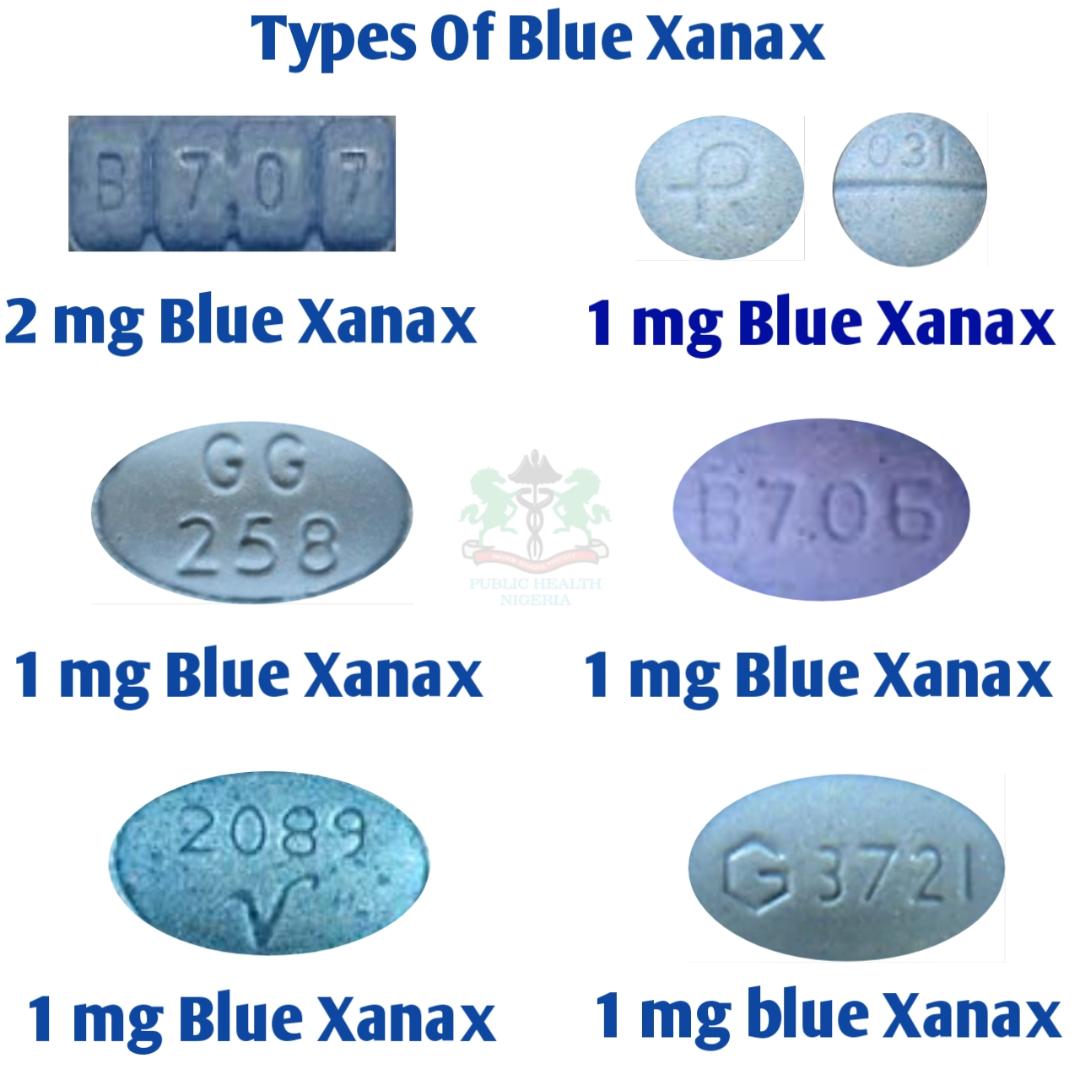
Is the F5 blue pill the same as Xanax?
No. While both medications can have a sedative effect, they belong to different drug classes. Xanax (Alprazolam) is a benzodiazepine primarily used for anxiety and panic disorders. The F5 pill (Zopiclone) is a non-benzodiazepine hypnotic specifically designed for sleep. They have different chemical structures and different risks regarding long-term use and withdrawal.
How should I store this medication?
Store the 7.5 mg F5 blue tablets in their original blister pack or pharmacy container at room temperature, away from direct light and moisture. Ensure the medication is stored in a secure location out of reach of children and pets, as an accidental overdose of sedatives can be fatal.
Why does the pill have a bitter taste?
The active ingredient, Zopiclone, is naturally very bitter. Even though the F5 pill is film-coated, the bitterness can sometimes be tasted during swallowing or may manifest as a systemic metallic taste in the mouth hours later as the drug is secreted into the saliva. Drinking water or using a mild mouthwash in the morning can help mitigate this sensation.
Next Steps and Recommendations
If you have found a 7.5 mg F5 blue pill and are unsure of its origin, do not ingest it. Proper identification by a licensed pharmacist is the only way to ensure the medication's integrity and dosage.
For those prescribed this medication, it should be viewed as a temporary tool to restore a healthy sleep cycle. Experts in 2026 continue to recommend combining pharmacological treatment with Cognitive Behavioral Therapy for Insomnia (CBT-I). CBT-I addresses the underlying behaviors and thoughts that cause sleep issues, providing a long-term solution that persists even after you stop taking the medication. If your insomnia persists beyond four weeks, consult your healthcare provider to investigate potential underlying causes, such as sleep apnea, restless leg syndrome, or high stress levels.
Image Gallery